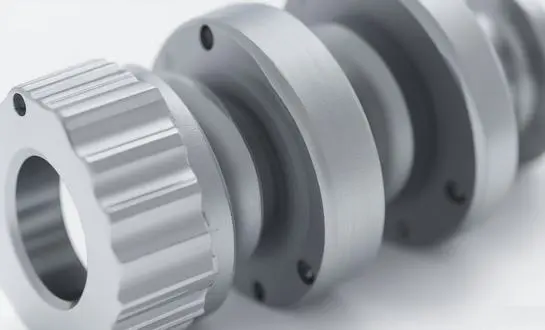
How Stabilizers Improve Drilling Accuracy and ROP?
Stabilizers preserve borehole alignment and reduce detrimental vibrations while drilling, improving accuracy and rate of penetration (ROP). These crucial downhole tools position the drill string in the borehole, avoiding accidental deviation and providing uniform weight transmission to the drill bit. A quality drilling stabilizer controls drill string spin and torque changes to help operators reach goal depths faster, with better hole quality and lower drilling costs.
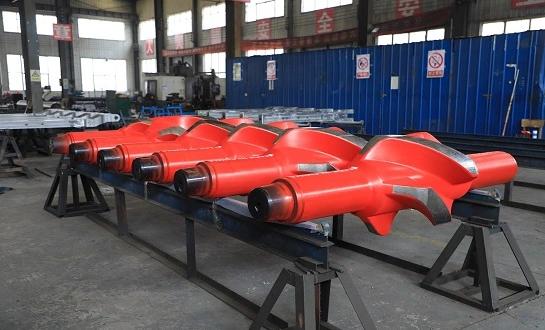
Understanding Drilling Stabilizers and Their Functions
The bottom hole assembly (BHA) relies on drilling stabilizers to regulate vibration and align drill strings to maintain borehole stability and drilling precision. Stabilizing blades on these cylindrical tools engage the borehole wall, generating a mechanical centering mechanism that inhibits lateral movement during drilling.
Primary Functions of Stabilizer Systems
Modern stabilizer technology solves many operational issues. The main role is keeping the drill string near the borehole center, which affects trajectory control and hole quality. This centering motion decreases string vibrations and improves power transfer from surface equipment to the drill bit.
Stabilizers reduce torque and drag forces that cause equipment failure and higher expenses. These tools' mechanical stability improves weight-on-bit delivery, improving drilling performance and cutting structure wear. Stabilizers also avoid differential sticking by keeping the drill string and borehole wall clear.
Types of Drilling Stabilizers
The industry uses three stabilizer systems, each with advantages for various drilling situations. In difficult formations, integral stabilizers are the most durable alternative, machined from a single piece of high-strength steel. These high-torque tools operate well but must be replaced when the blade wears out.
Modular replaceable sleeve stabilizers increase operational flexibility. The system uses an integrated mandrel and interchangeable sleeves of different diameters. WELONG's interchangeable sleeve stabilizers are made of AISI 4145H steel with HF1000–HF5000 hardfacing choices to meet forming needs. Operators can modify stabilizer gauge without replacing the tool, minimizing inventory costs and logistical complexity.
Welded blade stabilizers are the most cost-effective for some applications, but operational conditions must be considered. These tools are appropriate for water well drilling and low-cost oilfield applications where blade loss risk can be minimized with blades welded to the stabilizer body.
How Stabilizers Improve Drilling Accuracy and Optimize ROP
Effective stabilizer placement tackles fundamental drilling issues that affect efficiency and cost. Improved vibration management, trajectory control, and energy transfer mechanisms show how stabilizer performance affects drilling parameters.
Mechanical Principles Behind Enhanced Performance
Stabilizers produce nodal points in the drill string, changing the dynamic behavior of the BHA and improving drilling accuracy. These nodal locations diminish nuisance vibrations that cause bit bounce, lateral movement, and uneven cutting. Stabilizers help the drill bit stay in touch with the formation, resulting in more uniform penetration rates.
Drill string spin reduction is another important performance improvement. Whirl happens when the drill string rotates around the borehole centerline instead of its own axis, causing irregular cutting and faster wear. Stabilizers maintain drill string centralization, allowing the bit to rotate smoothly along its axis and transmit consistent cutting pressures to the formation.
Impact on Rate of Penetration
Multiple synergistic effects optimize drilling dynamics and improve ROP through stabilizer deployment. Operators can apply higher weight-on-bit settings without causing vibrations or deviations with stabilized drill strings. This enhanced weight transfer speeds penetration, especially in hard formations where continuous power application is crucial.
Another technique to improve ROP performance is energy conservation. Unstable drill strings lose energy through vibration and lateral movement, lowering formation cutting power. Stabilizers convert lost energy into productive drilling action, improving drilling system efficiency.
Proper stabilizer placement in tough drilling settings has been shown to enhance ROP by 15% to 40%. These gains are most noticeable in directional and horizontal drilling, where trajectory control typically reduces penetration rates.
Selecting the Right Drilling Stabilizer for Your Operations
Selecting the right drilling stabilizer needs careful consideration of operational characteristics, geological conditions, and equipment compatibility, with performance, cost, delivery dates, and after-sales support all factored into the decision-making process.
Technical Specifications and Sizing Considerations
Stabilizer gauge selection is the most important technical decision, affecting drilling performance and trajectory control. The stabilizer diameter must match drill collar size and deviation requirements. Directional drilling uses undergauge stabilizers for build tendency and near-bit stabilizers for hole cleaning and trajectory stability.
Formation characteristics strongly impact stabilizer choice. To retain gauge during long drilling intervals, abrasive formations need hardfacing protection. WELONG's hardfacing solutions (HF1000–HF5000) precisely match blade protection to formation abrasivity, optimizing performance and tool life.
Comparing Stabilizer Technologies
Applications demanding maximum torque resistance and durability suit traditional integrated stabilizers. These instruments excel in vertical drilling and difficult formations where reliability is key. The fixed structure limits operating flexibility and needs tool replacement when gauge wear occurs.
Replaceable sleeve systems improve operational flexibility and cost control. By swapping sleeves, WELONG's modular mandrel series can accept numerous hole sizes, minimizing inventory. This versatility is especially useful in multi-well drilling programs with different hole sizes and geological circumstances.
When considering total cost of ownership, sleeve-type stabilizers are economically advantageous. Initial purchase prices may be comparable, however replacing sleeves instead of tools decreases long-term operational costs. Additionally, reduced inventory and easier logistics boost project economics.
Procurement Considerations for Equipment Managers
More than price is needed to buy a stabilizer. Time-sensitive drilling operations require delivery dependability to avoid high rig standby expenses. WELONG's manufacturing and global shipping network ensure predictable international project delivery.
Quality assurance processes must meet operational and industry standards. Complete inspections—in-process and final—ensure equipment reliability. Third-party inspection services from SGS and DNV give quality assurance for sensitive applications.
Maintenance, Lifespan, and Technical Specifications to Maximize Stabilizer Efficiency
Stabilizer performance and equipment investment protection depend on proper maintenance regimens and technical standards. Active maintenance can increase tool life and sustain drilling performance throughout its operational lifetime.
Essential Maintenance Practices
Effective stabilizer maintenance starts with regular inspections. Predetermined intervals should be used to visually inspect blade surfaces for wear and damage. Certified calipers measure stabilizer diameter to assure operating tolerances, as undergauge circumstances can affect drilling performance.
Thread inspection is another important maintenance step, especially for replaceable sleeve systems where thread engagement maintains tool function. Worn threads can cause catastrophic tool failure downhole, causing costly fishing operations and project delays. Manufacturer-recommended thread cleaning and lubrication reduces wear and guarantees reliable connections.
Critical Technical Parameters
Operators can enhance stabilizer performance for drilling applications by understanding technical parameters. Thread specs must match BHA configurations, and makeup torque must be correct. WELONG stabilizers use industry-standard thread shapes for compatibility with major drilling platforms and connection reliability.
Material qualities greatly affect tool performance and lifetime. AISI 4145H steel is strong and tough enough for harsh drilling conditions. WELONG stabilizers can be used in measurement-while-drilling applications to reduce magnetic interference.
Formation features and drilling conditions must be considered while choosing hardfacing. The progressive hardness levels (HF1000–HF5000) match blade protection to operating needs, optimizing wear resistance and cost.
Troubleshooting Common Performance Issues
Early blade wear frequently implies poor gauge selection or excessive drilling settings. Due to higher wall contact pressure, undergauge stabilizers may wear faster, while overgauge tools may not centralize well. Proper gauge selection for hole size and drilling goals minimizes these complications.
Incorrect stabilizer positioning in the BHA or worn blade surfaces that no longer centralize cause vibration issues. Systematic vibration pattern analysis can determine the reason and advise tool replacement or BHA redesign.
WELONG's Commitment to Quality Drilling Stabilizers
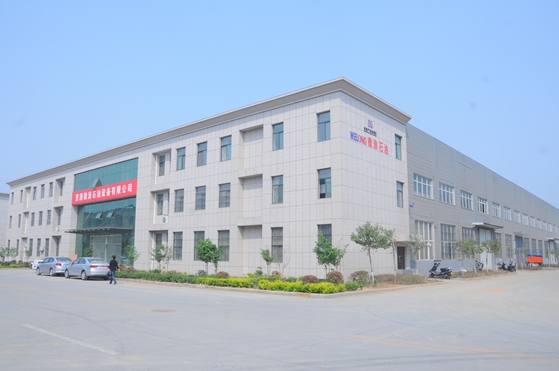
After 20 years in oilfield equipment manufacturing, WELONG is a trusted drilling stabilizer manufacturer. Our rigorous quality control and customer service ensure drilling contractors and equipment makers receive reliable, high-performance tools that satisfy modern drilling standards.
Manufacturing Excellence and Quality Assurance
Industry insight from significant field experience in varied drilling settings informs our manufacturing capabilities. WELONG's production facilities employ tight quality control to assure tool performance and dependability. Before going into service, stabilizers are tested and inspected to find any faults.
Our ISO 9001-2015 and API 7-1 certifications show our adherence to worldwide quality standards. These certifications reassure customers about our manufacturing and quality management systems. We update our quality standards with industry best practices and client expectations through audits and continual improvement.
Product Portfolio and Technical Capabilities
WELONG's drilling stabilizers have integral and removable sleeves for compatibility with major drilling platforms. Modular design gives our replacement sleeve stabilizers operational flexibility and outstanding performance. The flexibility to equip one mandrel series with numerous sleeve diameters simplifies multi-well drilling inventories.
Beyond product delivery, technical support includes application engineering and performance optimization. Our technical staff collaborates with customers to find the best stabilizer setups for drilling issues. This collaborative method optimizes stabilizer selection for operational goals and cost.
Global Supply Chain and Customer Service
WELONG's global logistics ensure reliable international delivery. Meeting urgent delivery needs is flexible with sea, air, and train travel. Our experience in FOB, CIF, DDP, and DDU trade terms suits customer requirements and procurement methods.
Comprehensive after-sales assistance includes technical advice, maintenance guidance, and fast operational response. Our commitment to customer satisfaction throughout the product lifecycle gives drilling contractors and equipment managers peace of mind. This service-oriented strategy has built long-term relationships with global clients that seek reliable performance and fast support.
Conclusion
Modern drilling stabilizers increase accuracy, ROP, and operational costs by controlling vibration and drill string management. The right stabilizer technology—integral or replaceable sleeve systems—depends on operational parameters, forming characteristics, and economic reasons. WELONG's stabilizer solutions, supported by rigorous quality control and global support, give drilling experts the tools they need to succeed. Stabilizers are essential to drilling productivity and project success because proper maintenance and technical knowledge maximize tool life and performance.
FAQ
1. What factors determine the correct stabilizer size for different drilling projects?
Stabilizer sizing depends on hole diameter, drill collar size, and directional requirements. Near-bit stabilizers typically run 1/32" to 1/16" undergauge relative to bit size, while string stabilizers may be further undergauge depending on build/drop requirements. Formation abrasivity and expected drilling duration also influence sizing decisions.
2. How long do drilling stabilizers typically last under demanding conditions?
Tool life varies significantly based on formation characteristics, drilling parameters, and stabilizer type. Integral stabilizers may provide 500-1500 drilling hours in moderate conditions, while replaceable sleeve systems offer extended mandrel life with periodic sleeve replacement. Proper maintenance and appropriate hardfacing selection can significantly extend operational life.
3. Can stabilizers be interchanged between vertical and directional drilling applications?
Yes, most stabilizers can be used across different drilling methods, though positioning within the BHA requires adjustment. Directional drilling typically requires specific gauge relationships and placement strategies to achieve desired trajectory control. Stabilizer selection should consider the intended drilling profile and trajectory requirements.
4. What are the key differences between integral and replaceable sleeve stabilizers?
Integral stabilizers offer maximum durability and torque capacity but require complete replacement when worn. Replaceable sleeve systems provide operational flexibility and reduced replacement costs through modular design. The choice depends on operational priorities, economics, and logistical considerations.
5. How do stabilizers affect overall drilling economics?
Stabilizers improve drilling economics through enhanced ROP, reduced vibration-related failures, improved hole quality, and extended bit life. While representing additional upfront costs, the operational benefits typically provide strong return on investment through reduced drilling time and improved well quality.
Partner with WELONG for Superior Drilling Performance
Drilling contractors and equipment managers seeking reliable drilling stabilizer suppliers can benefit from WELONG's extensive manufacturing experience and commitment to operational excellence. Our replaceable sleeve stabilizers offer unmatched flexibility and cost control advantages for multi-well drilling programs. With comprehensive hardfacing options, rigorous quality control processes, and global logistics capabilities, WELONG provides the technical solutions and responsive service that demanding drilling operations require. Contact our technical team at oiltools15@welongpost.com to discuss your specific requirements and discover how our stabilizer technology can enhance your drilling performance while optimizing operational costs.
References
1. Mitchell, R.F. and Samuel, R. "Advanced Drilling Engineering: Principles and Practices for Optimizing Drilling Performance." Society of Petroleum Engineers, 2019.
2. Bourgoyne, A.T., Millheim, K.K., Chenevert, M.E., and Young, F.S. "Applied Drilling Engineering: Stabilizer Technology and BHA Design Principles." Society of Petroleum Engineers Press, 2018.
3. Schlumberger Drilling Services. "Drilling Stabilizer Performance Analysis: Field Studies and Optimization Strategies." Oilfield Technology Journal, Vol. 45, 2020.
4. Baker Hughes. "Vibration Control and ROP Enhancement Through Advanced Stabilizer Technology." International Drilling Conference Proceedings, 2021.
5. Halliburton Energy Services. "Bottom Hole Assembly Design and Stabilizer Selection Criteria for Directional Drilling Applications." Journal of Petroleum Technology, 2019.
6. International Association of Drilling Contractors. "Best Practices for Drilling Equipment Maintenance and Performance Optimization." IADC Technical Publication Series, 2020.

Share your inquiry, get the quotation accordingly!
CHINA WELONG - 20+ years manufactuer in oilfield tools