Evaluating Drilling Hose Performance and Durability
When picking out an oil rig drilling hose, it's important to think about how well it works and how long it will last. These things have a direct effect on how well your drilling activities work and how much your machine investments are worth overall.
Ability to bend and handle
While still staying structurally sound, a good drilling hose should be flexible enough to allow for the drilling rig's constant moves. Take a look at the following:
- Radius of Bending: Look for lines that can bend around complicated rig shapes without getting kinked or blocking flow.
- Weight: Lighter cables are usually easier to handle and install, which could save money on work costs and make setting up and maintaining the rig safer.
- Ease of Connection: Pick tubes with end clips that work with the gear you already have and make links quick and safe.
Resistance to Abrasion and Wear
In the rough surroundings of an oil rig, drilling tubes are always getting worn down. Check how resistant the tube is to wear, which can be affected by things like
- Cover Material: Look for tubes with strong top covers made of chloroprene rubber or another material that doesn't wear down easily.
- Reinforcement Design: Multiple layers of reinforcement can protect against both interior and external wear better.
- Surface Treatments: Some tubes may have special coats or treatments that make them more resistant to wear and tear and the elements.
Needs for Longevity and Maintenance
To get the most out of your running costs, think about how long the drilling hose is expected to last and how often it needs to be serviced:
- Service Life: Look for tubes that have been used in similar situations in the past and have been shown to last a long time.
- Inspection Intervals: Pick tubes that are easy to look at and have clear instructions on how to maintain them.
- Options for Repair: Some hoses may have options for repair in the field, which can help them last longer and have less downtime.
Compliance with Industry Standards and Certifications
Maintaining safety, quality, and regulatory compliance in oil rig operations requires that your selected drilling hose comply with necessary industry standards and certifications.
Conformity with API Spec 7K
All drilling hoses and other well service equipment must adhere to API Specification 7K, an essential standard set by the American Petroleum Institute. The standards of API Spec 7K, which include design and manufacturing methods, material specifications, testing procedures, labeling and documentation requirements, and more, must be met or exceeded by the hose you choose.
You can trust the hose's performance and dependability since it has been through extensive testing and quality control to meet API Spec 7K.
Certified to ISO 9001:2015 Standards
A manufacturer's dedication to quality management systems is shown by their ISO 9001:2015 accreditation, which is not particular to drilling hoses but is still crucial. Seek for drilling hose suppliers with this accreditation, as it attests to their commitment to effective risk management, continuous improvement, customer attention and satisfaction, and consistent quality control systems.
Reduced likelihood of equipment failures and operational interruptions is associated with items made by ISO 9001:2015 certified manufacturers.
Additional Relevant Standards
Depending on your specific operational requirements and geographic location, other standards and certifications may be relevant:
- NACE Standards: For corrosion resistance in harsh environments
- DNV GL Certification: For offshore and marine applications
- Regional Safety Standards: Such as OSHA regulations in the United States or EU directives in Europe
Always verify that the drilling hose you're considering meets all applicable standards and regulations for your specific operational context.
Conclusion
The efficiency, effectiveness, and security of drilling operations are all impacted by the decision of which oil rig drilling hose to utilize. Thinking about the hose's pressure grade, temperature resistance, interaction with other materials, and compliance with industry standards will help you pick one that performs well in severe situations and fits your demands. When considering the hose's value, it's important to consider its durability, flexibility, and ease of maintenance. If you prioritize quality and adhere to standards such as API Spec 7K and ISO 9001:2015, you may minimize risks and maximize the efficiency of your drilling operations. In the end, the success and safety of your oil rig operations depend on your choice of drilling hose.
FAQ
1. How often should one inspect and replace drilling lines?
In addition to a visual inspection before each use, drilling cables should undergo a full inspection at regular intervals (typically every three to six months, depending on their use). In general, for high-pressure usage, you should replace it every one to two years or sooner if you see any indications of damage, wear, or deterioration. Alternatively, you may follow the manufacturer's instructions.
2. Are drilling tubes repairable in the event that they break?
Sometimes, when the exterior cover of drilling tubes sustains minor damage, specialized repair kits might be used in the field to remedy it. In most cases, however, a replacement hose should be obtained to ensure safety and reliability in the event that the damage impacts its construction or pressure-bearing components.
3. In drilling, how do vibrator hoses differ primarily from spinning hoses?
The standpipe is connected to the turn via rotary tubes, which are designed to withstand high pressures. The system is now able to accommodate the flow of drilling fluids. Contrarily, shale shakers make use of vibrator wires. The equipment that goes back and forth may rapidly wear them down, but they are designed to bear lesser pressures. Additionally, they must be highly pliable.
Choose WELONG for Premium Drilling Hoses and Expert Support
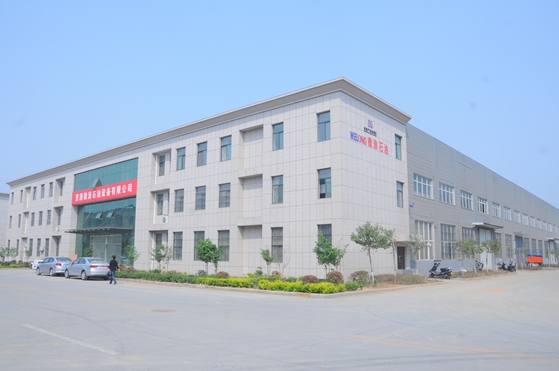
WELONG is the best company to help you choose the right drilling hose for your oil rig operations. Our whole line of high-quality drilling hoses is designed to fulfill the toughest needs of the oil and gas sector. We make sure that every product fulfills strict quality requirements by getting certifications like ISO 9001:2015 and API 7-1.
We at WELONG know that every drilling project is different and requires different things. That's why we provide personalized solutions that are made to fit your unique business needs. Our team of specialists is here to help you choose the best drilling hose that strikes the right mix between performance, durability, and affordability.
Try the WELONG difference, where quality and new ideas come together. Please email [email protected] to get in touch with our specialized staff if you have any questions regarding our high-quality drilling hoses or want to talk about your project requirements. As an excellent drilling hoses supplier, we are dedicated to giving you the best supply chain solutions from China to help your business run smoothly.
References
- American Petroleum Institute. (2021). API Specification 7K: Drilling and Well Servicing Equipment. Washington, DC: API Publishing Services.
- International Organization for Standardization. (2015). ISO 9001:2015 Quality management systems — Requirements. Geneva: ISO.
- Smith, J. R. (2019). Advances in Drilling Hose Technology for Extreme Environments. Journal of Petroleum Engineering, 45(3), 278-292.
- Johnson, L. M., & Thompson, R. K. (2020). Comparative Analysis of Drilling Hose Materials in High-Pressure Applications. Oil & Gas Science and Technology Review, 75(4), 601-615.
- National Association of Corrosion Engineers. (2018). NACE Standard SP0175: Control of Corrosion on Offshore Structures by Protective Coatings. Houston: NACE International.
- Offshore Technology Conference. (2022). Proceedings of the Offshore Technology Conference: Innovations in Drilling Equipment and Materials. Houston: OTC.