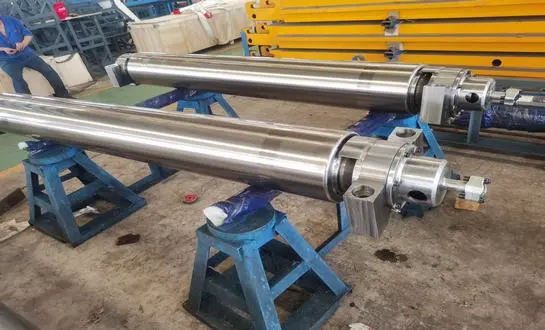
This article provides the basic information about Industrial Rolls import, enabling customers to make their judgements and minimising the likelihood of making mistakes during the purchase.
The typical steps for a good import process are: finding the right producers, checking technical specifications, researching import regulations, setting up quality inspection standards, negotiating commercial terms and organising transportation. By using a planned method, firms may establish trusted supplier connections and acquire Industrial Rolls that meet their operating needs.
Identifying Reliable Chinese Manufacturers: Key Criteria
When you purchase Industrial Rolls from China, one of the most crucial considerations you will make is picking the manufacturer. The qualifying supplier should be able to provide low price, but also exhibit good technical expertise, production capabilities and quality management procedures.
The following elements may enable the buyers to assess the possible manufacturers.
Reputation and Experience
The expertise of a company in the sector is a good indication of how well it can create consistent Industrial Rolls.
Buyers should check:
- The supplier’s manufacturing heritage
- Range of products and experience of use
- Quality assurance
- Ability to communicate throughout the buying process
Experienced manufacturers are typically more knowledgeable with various rolling applications and will be better grasp the needs connected to material selection, machining precision, surface conditions and product customisation.
Certifications and Compliance
Quality management systems are a crucial element while assessing Industrial Rolls providers.
Buyers should check that the manufacturer has the right quality management certifications, such as ISO 9001:2015, and that its manufacturing processes meet applicable client needs or industry norms.
Buyers should: • Not only look at certifications but also see how quality systems are used during:
- Inspection of raw material
- Manufacturing process
- Dimension checking
- Checking the final product
Consistency of products and long-term collaboration is ensured by a well-established quality control mechanism.
Manufacturing Capabilities
The supplier’s manufacturing capacity directly impacts the accuracy and dependability of Industrial Rolls.
Buyers should consider the following while assessing a manufacturer:
- Machining equipment available.
- Handling capacity for varied roll sizes
- Surface finishing abilities
- Methods of inspection and testing
The use of advanced machining equipment, such as CNC lathes and grinding machines, may contribute to the enhancement of production precision and surface quality.
The provider with sufficient production resources is in a better position to satisfy customised requirements of dimensions, materials and application circumstances.
Material Expertise
The material used has a very vital impact in the performance of Industrial Rolls.
Different rolling applications may need the following material characteristics:
- Power
- Resistance to wear
- Durability of surfaces
- Operational stability
Manufacturers should be aware of how material qualities affect roll performance and be able to propose appropriate solutions depending on the customer’s environment.
A supplier well-versed in materials may assist consumers to prevent difficulties arising from the selection of improper materials.
Customization Options
Often the size, surface polish and operating conditions required are different for industrial use.
Selecting a provider with customisation services enables the purchasers to have Industrial Rolls created according to their individual manufacturing demands.
Customisation capabilities might involve:
- Particular Dimensions
- Material needs.
- Surface treatment alternatives
- Design modifications depending on application
Flexible cooperation with suppliers can improve the equipment compatibility and production efficiency.
Navigating Customs and Regulations: Essential Guidelines
Industrial Rolls Import from China needs a good preparation of customs processes and international shipping standards. Good documentation and compliance management can help you prevent avoidable delays.
Import Duties and Taxes
Buyers are responsible for all import fees, taxes, and other charges in their respective destination countries when making a purchase.
These expenditures may have an impact on the whole buying budget, and would need to be addressed while evaluating suppliers and negotiating prices.
Experienced logistics partners or customs experts may assist customers better grasp import rules and save unanticipated costs.
Documentation Requirements
Proper paperwork is critical for efficient customs clearance.”
Common documents may comprise:
- Packing List Commercial Invoice
- Bill of Lading Certificate of Origin
- material relevant papers if needed
- Import licenses or permissions, as appropriate
Requirements vary according to destination country and other local legislation.
Import Licenses and Permits
Some nations may have special criteria for import of industrial components.
Buyers should check whether any further permissions, licenses or compliance paperwork are required before shipping.
If you prepare in advance, then there will be no delays when your products reach at the target port.
Harmonized System (HS) Codes
Why is correct HS code categorisation important? It impacts your customs declaration, tariff computation and import compliance.
When in doubt, buyers should consult trained customs specialists or local authorities to find out the right classification to guarantee the proper disclosure.
Compliance with Safety Standards
Industrial Rolls Imported must comply with the safety, quality and technical criteria applicable in the destination market.
Buyers may be required to check product specifications, inspection records and other quality documentation, depending on the application, prior to acceptance of the shipment.
Quality Control Strategies for Industrial Roll Imports
One of the most critical tasks in purchasing Industrial Rolls from international vendors is quality control.
The structured inspection process allows purchasers to check that items fulfil technical criteria before they are released into production settings.
Pre-Production Sample Approval
Before making a substantial purchase, customers may request samples or read manufacturing specs and assess the following:
- Dimensions of product
- Surface Finishing
- Material specifications
- Production reproducibility
Early verification helps identify possible problems before mass manufacturing starts.
Third-Party Inspection Services
Independent inspection organisations might provide further verification of quality throughout manufacture.
Inspection services may include:
- Composition of material verification
- Dimensional inspection
- Assessment of surface condition
- Non-destructive testing as necessary
Third-party inspections give customers with more confidence in dealing with abroad suppliers.
Production Monitoring
Monitoring key manufacturing milestones might help uncover issues before final shipping.
According to the order criteria, purchasers might check:
- Advances in manufacturing
- Quality inspection logs
- Production logs
"Throughout the manufacturing process, good communication is needed between the customer and supplier.
Documentation Review
The quality papers provide vital information regarding manufacture of the products and outcomes of their examination.
Buyers should check the accessible records including:
- Certificate of material
- Reports of tests
- Inspection log
- Where appropriate, equipment calibration documentation
Good documentation increases transparency and long-term supplier management.
Post-Arrival Inspection and Testing
Before putting Industrial Rolls into action, carefully examine.
Inspection may involve the following:
- Visual inspection
- Dimensional inspection
- Hardness testing as necessary
- Testing the equilibrium when possible
A last inspection ensures that the items provided meet approved requirements.
Conclusion
Importing Industrial Rolls from China calls for cautious supplier selection, technical knowledge and strong quality control. The process of international sourcing contains a number of stages but a systematic buying method may allow organisations to locate credible suppliers and to set up long-term partnership.
Some significant variables that buyers need to pay attention to include manufacturing capacity, material expertise, quality control methods, paperwork preparation and logistical management.
Companies may enhance sourcing efficiency and purchase Industrial Rolls that meet their manufacturing needs by spending time in supplier research and quality verification.
Call to Action
Choosing the proper source is a critical step in obtaining Industrial Rolls from China. A manufacturer with expertise in customised industrial solutions can help customers manage better product needs, quality expectations and supply coordination.
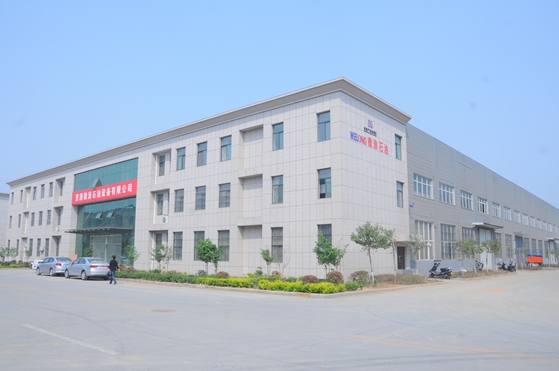
Welong offers customised solutions for industrial parts and assists clients in supplier communication, product demand confirmation, quality management and procurement.
We have expertise in industrial manufacturing and production management with an emphasis on quality. Welong is devoted to enable clients to discover the right solutions depending on application demands.
If you are looking for a reliable partner for Industrial Rolls sourcing, contact Welong today at oiltools15@welongpost.com to discuss your requirements and explore suitable supply solutions.
References
1. International Trade Centre. Importing Industrial Machinery: Key Considerations for Global Buyers. ITC Publications, 2020.
2. Zhang, Wei. Steel Rolling Technology and Equipment. China Metallurgical Industry Press, 2018.
3. World Customs Organization. Harmonized Commodity Description and Coding System: Explanatory Notes. 6th Edition, 2022.
4. ISO. ISO 9001:2015 Quality Management Systems — Requirements. International Organization for Standardization, 2015.
5. American Society for Testing and Materials. ASTM Standards for Steel Products and Applications. ASTM International, 2021.
6. Li, Jianhua. Supply Chain Strategies for Industrial Component Importation. Journal of International Manufacturing, Vol. 12, No. 3, 2019.