How to Inspect Elevator Bails for Safe Operations?
In order to preserve operational safety and avoid catastrophic failures in drilling operations, elevator bail components must be properly inspected. As the vital link between drilling rigs and lifting systems, these premium steel links need to be regularly inspected to guarantee structural integrity, guard against equipment damage, and adhere to industry safety regulations. Frequent inspection procedures aid in spotting possible flaws before they jeopardize operations, safeguarding both employees and expensive equipment investments.

Understanding Elevator Bails and Their Role in Safe Operations
Definition and Primary Functions
Elevator bails are specialized, premium steel connections that join top drives or hooks on drilling rigs to elevators used for pipe lifting in oil and gas operations. During the drilling and completion procedures, these parts make it possible to raise or lower drill pipe, casing, and other tubular equipment into or out of wellbores in a safe and effective manner.
Elevator linkages are fundamentally made of single pieces of premium alloy steel that are weldless. To endure stress and shock from heavy loads while retaining structural integrity under harsh operating circumstances, each component is carefully surface hardened.
Material Specifications and Safety Standards
API Specification 8C requirements are met by contemporary elevator bails, guaranteeing uniform quality and performance throughout the sector. Forging from premium alloy steel materials, which offer better strength-to-weight ratios than traditional steel substitutes, is part of the manufacturing process.
Elevator link series are usually rated for loads between 150 tons (1350kN) and 500 tons (4450kN), which can accommodate different drilling applications and load needs. For traceability purposes, each component is assigned a unique serial number, allowing for thorough maintenance monitoring and quality control over the course of its operating life.
Application Distinctions in Drilling Operations
Long bails are only used for finishing tasks; rig bails are the main lifting device used during drilling operations. With long bails developed for specific completion tasks and rig bails designed for regular cycling, this differentiation guarantees that optimal performance characteristics fit operational requirements.
Drillers can precisely and safely handle tubular equipment thanks to the attachment system, which incorporates latching elevators around pipe joint tops. For operational flexibility, this system offers dependable load transfer with simple disconnection capabilities when needed.
Step-by-Step Guide to Inspecting Elevator Bails
Pre-Inspection Preparation and Safety Measures
Thorough preparation methods that guarantee both inspection accuracy and staff safety are the first step in effective inspection operations. The inspection space should have adequate lighting, be free of operating risks, and have all required equipment and paperwork on hand.
Calibrated measuring tools, magnifying glasses for close surface inspection, cleaning supplies to get rid of operational dirt, and documentation forms to document inspection results are all necessary for comprehensive inspections. For the inspection environment, personal protective equipment needs to adhere to industry safety regulations.
Visual Inspection Procedures
Finding surface flaws, wear trends, and structural irregularities that can jeopardize operating safety is the main goal of the visual inspection procedure. All surfaces should be methodically inspected, with special attention paid to areas of stress concentration and connecting points where breakdowns usually start.
Important regions that need a thorough visual evaluation are as follows:
- Assessing the surface condition: Looking for surface anomalies that could point to structural instability, such as pitting, corrosion, or cracks.
- Verifying that crucial dimensions stay within allowable tolerances as defined by production standards is known as "dimensional verification".
- Examining wear patterns and deformation at connection interfaces where operational loads pass through the component is known as attachment point examination.
Surface imperfections frequently point to underlying structural problems that need to be fixed right away. During routine inspections, minor flaws that could otherwise go undetected might be found with the aid of appropriate lighting and magnification.
Physical and Dimensional Assessment
In order to confirm structural integrity and operational preparedness, a thorough inspection necessitates physical measurement and testing in addition to visual inspection. Precise measurement of essential dimensions and load-bearing capability evaluation are part of this examination.
Verification of load capacity guarantees that parts retain their rated lifting capacities unaffected by environmental exposure or operational wear. Dimensional measurements verify that connection interfaces maintain appropriate clearances and that wear patterns stay within allowable bounds.
Records that are crucial for maintenance planning and regulatory compliance are produced by documenting the results of inspections. Comprehensive notes on component condition, measured dimensions, and suggestions for replacement or ongoing maintenance should be included in every inspection.
Comparing Elevator Bails with Alternatives for Heavy Load Handling
Performance Characteristics Analysis
When choosing equipment for large load applications, procurement specialists frequently consider several lifting options. While alternate technologies might perform better in some situations, elevator bails offer clear advantages in particular operational scenarios.
Common substitutes that offer fixed connection points for hoisting activities include lifting eyes and lugs. Although these parts usually have lower initial prices, they don't have the same operational flexibility as detachable elevator bail systems. Although chain and hook assemblies offer customizable lifting configurations, they necessitate more intricate rigging techniques and extra safety precautions.
Load Capacity and Safety Factor Considerations
Maximum operating loads, safety considerations, and environmental elements that impact performance characteristics must all be taken into consideration while choosing heavy lifting equipment. Superior load capacity ratings and dependable disconnection capabilities are common features of elevator bails that improve operational effectiveness.
Elevator bails are made to meet or surpass industry standards for essential lifting operations, and safety factor requirements vary depending on operational conditions and regulatory requirements. Throughout the component's operational lifetime, consistent performance characteristics are ensured by the forged manufacturing and heat treatment methods.
Application-Specific Advantages
Applications requiring repeated cycles of connection and disconnection, such drilling operations, where the effectiveness of tubular handling directly affects operating costs, are ideal for elevator bail systems. Safety margins are increased and operational delays are decreased by the standardized connecting interfaces and shown dependability.
In situations involving permanent installation or applications with certain geometric requirements, other lifting techniques might be advantageous. However, elevator bails are the best option for the majority of drilling and completion operations due to their adaptability and track record of success.
Maintenance and Safety Tips to Prolong Elevator Bail Lifespan
Routine Maintenance Protocols
The lifespan of equipment is increased by efficient maintenance procedures that uphold safety and dependability standards during operating service. Corrosive substances and operational debris that could hasten wear or conceal emerging flaws during inspection processes are eliminated by routine cleaning.
In demanding operating conditions, protective treatments, such as the right lubrication and corrosion prevention techniques, aid in preserving component integrity. For these treatments to be effective without sacrificing safety, they must be compatible with environmental conditions and operational needs.
Installation and Operational Best Practices
When elevator bails are installed correctly, stress concentrations that could cause an early failure are reduced and the bails operate as intended. Correct rigging techniques and load application strategies that maximize component performance and safety margins should be emphasized in training programs.
Regular monitoring of load conditions and environmental elements that impact component performance should be part of operational procedures. Operators must be aware of the significance of adhering to rated load capabilities and identifying situations that call for extra safety measures.
Replacement Indicators and Timing
Making replacement decisions on time maximizes equipment utilization and operational costs while preventing catastrophic breakdowns. Excessive wear, dimensional changes that exceed allowable limits, and any indication of structural deterioration or damage are important markers for replacement.
Decisions about when to replace a product are guided by service life recommendations and manufacturer warranty considerations. However, when choosing a replacement, actual service circumstances and inspection results should be prioritized over hypothetical service life estimations.
Procurement Insights for Elevator Bails: Making the Right Choice
Supplier Evaluation Criteria
For a procurement to be successful, prospective suppliers must be carefully assessed on the basis of quality standards, delivery dependability, technical support capabilities, and the possibility of a long-term collaboration. In addition to providing thorough paperwork to support their quality management systems, suppliers should show that they are in compliance with the applicable industry standards.
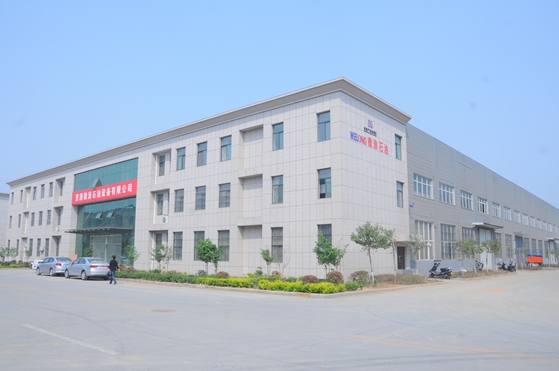
Since 2001, WELONG has made a name for itself as a trustworthy supplier of oilfield equipment, providing all-inclusive solutions supported by API 7-1 and ISO 9001:2015 certifications. Our dedication to quality assurance and personalized services guarantees that customers receive elevator bail solutions that are suited to their unique operational needs.
Lead Time and Logistics Considerations
To guarantee equipment availability when needed, procurement strategy must take production lead times, shipping logistics, and inventory management requirements into consideration. Opportunities for bulk purchases can save costs while guaranteeing sufficient inventory levels for continuing operations.
Procurement teams can specify elevator bails that fit specific operational needs or work with pre-existing equipment setups thanks to customization choices. For these skills to function at their best and be compatible, providers and end users must work closely together.
Quality Assurance and Support Services
Throughout operational service, comprehensive quality assurance processes offer assurance in the performance and dependability of equipment. Options for third-party certification, like Moduspec verification or DNV, provide further quality control for crucial applications that need better documentation.
Technical advice and maintenance recommendations are examples of after-sales support services that enhance the value of the original equipment purchase. These services save maintenance expenses and downtime while optimizing equipment performance and operational efficiency.
Conclusion
A crucial safety procedure that safeguards workers, machinery, and operational expenditures in drilling and completing operations is routine elevator bail inspection. This guide's methodical approach equips safety managers and procurement specialists with the information they need to establish efficient inspection procedures and choose equipment wisely. While optimizing the return on equipment expenditures, proper maintenance and prompt replacement guarantee ongoing safe operation.
FAQ - Elevator Bail Inspection and Procurement
1. How often should elevator bails be inspected?
Industry best practices recommend visual inspection before each use, with detailed inspections conducted at regular intervals based on operational frequency and environmental conditions. High-usage applications may require weekly detailed inspections, while less frequent operations might extend intervals to monthly assessments.
2. What distinguishes elevator bails from standard lifting lugs?
Elevator bails feature removable design characteristics that enable quick connection and disconnection during operational cycles, while lifting lugs typically provide permanent attachment points. Elevator bails also incorporate specialized geometry optimized for tubular handling operations in drilling applications.
3. Can elevator bails be customized for specialized applications?
Most reputable manufacturers offer customization options to meet specific load requirements, dimensional constraints, and operational conditions. Custom specifications should include detailed engineering analysis to ensure performance meets or exceeds standard safety requirements.
Partner with WELONG for Premium Elevator Bail Solutions
WELONG offers elevator bail options that meet the strict needs of modern drilling operations by combining decades of experience in the field with full quality assurance. Our ISO 9001:2015 and API 7-1 certifications show that we are dedicated to quality, and our customized services make sure that they work perfectly for your unique uses. As a trusted elevator bail supplier, we provide reliable delivery, competitive pricing, and comprehensive technical support to help you maintain safe and efficient operations. Email our team at [email protected] to talk about your elevator bail needs and find out how our custom solutions can help your business succeed.
References
1. American Petroleum Institute. "API Specification 8C: Drilling and Production Hoisting Equipment." 4th Edition, 2018.
2. Offshore Technology Research Center. "Safety Analysis of Drilling Equipment Lifting Systems." University of Texas, 2019.
3. International Association of Drilling Contractors. "Guidelines for Inspection and Maintenance of Drilling Equipment." IADC Manual, 2020.
4. Society of Petroleum Engineers. "Best Practices for Heavy Lifting Operations in Oil and Gas Industry." SPE Technical Paper 195847, 2021.
5. National Institute for Occupational Safety and Health. "Criteria for Safe Lifting Equipment Design and Operation." NIOSH Publication 2019-106, 2019.
6. Det Norske Veritas. "Recommended Practice for Certification of Lifting Equipment in Offshore Operations." DNV-RP-A203, 2020.

Share your inquiry, get the quotation accordingly!
CHINA WELONG - 20+ years manufactuer in oilfield tools