Import Weldless Links from China for Oil Rigs
Oil rig drilling companies and equipment makers might benefit from Chinese weldless link ages for reliable hoisting. Forged steel components, used in offshore drilling elevator systems, are stronger and more durable than welded ones. Global procurement teams handling cost-sensitive projects with operational safety needs may choose Chinese vendors due to their sophisticated manufacturing skills, competitive pricing, and quality control standards.

Understanding Weldless Links and Their Importance in Oil Rigs
What Are Weldless Links and How Do They Function
Oil rig hoisting systems use weldless linkages to withstand severe loads without affecting structural integrity. These forged steel links connect elevators to top drive systems, hooks, and beckets for drilling pipe handling activities with 30–750-ton loads. Weldless designs distribute loads evenly over the component structure, avoiding stress points at joints.
To avoid weak areas from welded joints, each link is forged from a billet of high-strength alloy steel. Maximum tensile strength and flexibility for offshore drilling's dynamic loading conditions are achieved with this method. Before deployment, heat treatment and magnetic particle inspection check metallurgical characteristics and surface flaws on each weldless link.
Types and Material Specifications for Oil Rig Applications
Weldless link arrangements vary by oil rig hoisting and environmental circumstances. Single-arm elevator links are lighter drilling components made by swaged forging, mechanical processing, and surface treatment. Double-arm arrangements use forging and welding to increase load capacities and balance stress.
Performance and durability depend on material choice. Most weldless links are made of high-grade alloy steel, which has good strength-to-weight ratios and fatigue resistance. Stainless steel is best for extremely corrosive offshore settings, while galvanized steel is cost-effective for moderate corrosion. Material selection depends on rig circumstances, maintenance schedules, and budget.
Safety Benefits and Compliance Standards
API Spec 8A and 8C weldless linkages meet worldwide drilling equipment standards. These specifications require design safety factors and verification procedures for extreme-condition reliability. Proof load testing at 1.5 times its operating load limit verifies structural capacity for each link.
Improved load distribution and fewer failure sites than welded alternatives boost safety. Material application in crucial wear areas enhances service life and structural integrity during long drilling sessions. This design philosophy reduces operational risks for drilling contractors and meets industry safety standards.
Comparison of Weldless Links and Alternative Connecting Solutions for Oil Rig Use
Performance Analysis: Weldless vs. Welded Solutions
Weldless and welded oil rig joining technologies perform differently in operational testing and field experience. Due to their continuous grain structure, weldless designs resist fatigue better than welded connections, which can create stress concentrations at heat-affected zones and degrade reliability.
Another key differentiator is load capacity. Weldless links can handle larger working loads than welded components due to their consistent strength. Drilling contractors value operational flexibility and safety margins. Weld quality variability that might impair performance consistency across production batches is eliminated without welded joints. These choices have quite different maintenance needs. Weldless links need only visual and dimensional examinations, while welded ones need joint integrity and crack testing. This affects maintenance schedules and operational downtime, which affect drilling project costs.
Material Comparison: Stainless Steel vs. Galvanized Options
Material choice affects early investment and operational costs. Stainless steel weldless links are expensive yet corrosion-resistant and last longer in harsh offshore settings. These benefits are especially useful in deepwater drilling, where component replacement is expensive and complicated.
Galvanized steel is cost-effective for moderate corrosion or shorter operational cycles. The zinc coating protects against air corrosion while maintaining mechanical qualities for safe lifting. Budget-conscious enterprises may prefer galvanized links because regular inspection and maintenance can increase their lifespan. Material selection should consider overall cost of ownership, not just purchase price. Stainless steel's durability may justify a larger upfront expenditure in demanding applications, while galvanized choices suit projects with fixed operational periods and frequent maintenance.
Sizing and Capacity Selection Guidelines
For drilling operations, proper size maximizes performance and safety. Working load limitations must match lifting needs and provide dynamic loading safety factors. From 30 tons for smaller drilling to 750 tons for heavy-duty deepwater applications, capacity must be matched to operational needs. Dimensions affect equipment and handling compatibility. Lift designs, hook arrangements, and rig clearances must be considered in link geometry. Contacting equipment makers and verifying dimensional specifications minimizes compatibility difficulties that could delay projects.
How to Import High-Quality Weldless Links from China for Oil Rig Operations
Defining Procurement Requirements and Specifications
Successful importation starts with well-defined technical criteria for operational demands. Load capacity requirements must match drilling circumstances, including static and dynamic loading. Working load limitations should account for standard safety factors and allow operational flexibility for changing drilling conditions.
Certification is crucial to procurement. API Spec 8A and 8C compliance conforms to international drilling standards and helps rig operators and regulators accept it. Material certificates, heat treatment records, and inspection documents ensure supply chain traceability and quality. Dimensions must fit equipment and operations. Avoid compatibility concerns by paying attention to link geometry, eye measurements, and size limits. Provide precise drawings and specifications to potential suppliers to ensure accurate estimates and prevent procurement misconceptions.
Supplier Evaluation and Quality Verification
Evaluation of Chinese suppliers needs thorough evaluation of manufacturing, quality, and export experience. ISO 9001:2015 accreditation shows quality management systems, whereas API certificates show oil and gas equipment manufacturing experience. Established manufacturers with over 20 years of oilfield expertise frequently have the technical understanding and production capacity needed for reliable supply.
Supplier evaluation should focus on manufacturing procedures. Forging, heat treatment, and inspection equipment affect product quality and consistency. Suppliers should demonstrate magnetic particle inspection, proof load testing, and dimensional verification systems to meet requirements. Quality control reveals supplier reliability and consistency. Quality concerns are prevented by thorough in-process and final verification inspection methods. Third-party inspection services from SGS or DNV provide additional quality assurance for sensitive applications.
Logistics and Shipping Considerations
Transportation affects delivery times and landed prices. Sea freight is most cost-effective for large orders but has longer lead periods that must match project timetables. Air freight is faster for urgent needs but much more expensive. For certain route scenarios, railways may offer intermediate solutions.
Supply chain cost allocation and risk management depend on trade arrangements. FOB buyers pay for shipment, while CIF rates include freight and insurance. DDP and DDU streamline customs clearance and delivery logistics, but at higher expense. Manufacturing, inspection, and transportation schedules must be considered when planning lead times. Standard production timeframes depend on order complexity and quantity, while special specifications may require engineering and tooling. Adding buffers to project timetables reduces drilling delays.
WELONG: Your Trusted Partner for Premium Weldless Links
Company Excellence and Manufacturing Capabilities
Since 2001, WELONG has been a major oilfield equipment producer, specializing in high-quality weldless linkages for global drilling operations. Our ISO 9001:2015 and API 7-1 certifications demonstrate our quality management and industry-specific standards for reliable product performance in challenging offshore settings.
Our manufacturing plant produces weldless links to the highest standards using modern forging and precise machining. Single-arm elevator links use swaged forging, mechanical processing, and surface treatment, whereas double-arm designs use forging and welding to produce 30–750-ton load capabilities. Quality control underpins our manufacturing philosophy. Our thorough inspection standards include in-process monitoring and final verification to assure component compliance. We cooperate with SGS and DNV to provide additional quality assurance for sensitive applications beyond regular inspection services.
Customization Options and Technical Support
Since drilling operations are unique, WELONG offers broad customization to meet client needs. Our technical team works with customers to improve connection designs for specific applications, considering load requirements, climatic conditions, and equipment compatibility.
Standard applications use high-strength alloy steel, corrosive environments use stainless steel, and extreme situations use specialty alloys. We choose and heat treat materials to maximize performance and service life in challenging offshore applications using our metallurgical knowledge. Beyond product delivery, technical support includes installation, maintenance, and troubleshooting. Our skilled staff delivers material certificates, inspection reports, and operating recommendations for safe and effective field deployment.
Logistics Excellence and Customer Service
WELONG's logistics enables customized delivery solutions for customers and projects. Sea, air, and train freight accommodate different delivery times and costs. Our skilled logistics team ensures timely delivery to customer sites worldwide.
Customers can choose FOB, CIF, DDP, and DDU trade terms to suit their procurement and risk management needs. Our logistics experience optimises shipping arrangements to reduce costs and ensure project dates are met. Excellence in customer service includes responsive communication, technical advice, and after-sales assistance that creates relationships. Our specialized account management maintains service quality and proactive problem resolution during procurement and deployment.
Maintenance, Inspection, and Risk Avoidance for Weldless Links on Oil Rigs
Inspection Protocols and Failure Prevention
Safety in oil rig weldless link operation depends on regular inspections. Surface flaws, corrosion, and dimensional changes should be visible to highlight concerns. Dimensional measurements ensure key dimensions are within tolerances, whereas magnetic particle inspection finds subsurface faults that optical inspection misses.
Gradual deformation under repeated pressure, corrosion-related material loss, and fatigue cracks at high-stress sites are common failure modes. Understanding these failure processes helps inspectors focus on problem-prone locations. Early detection allows preemptive replacement before failures, preventing operational disruptions and safety incidents. Effective maintenance plans maintain inspection results, service history, and performance trends with documentation. Detailed records can detect patterns that may suggest systematic concerns or guide preventive maintenance. This helps optimize replacement intervals and operating reliability.
Best Practices for Longevity and Performance
Weldless links are protected during storage, transportation, and installation by proper handling. Avoid impact loads, support components, and raise properly to prevent structural damage. Clean, dry storage reduces corrosion and service life.
Operating within load limitations prevents premature failure and assures safety. Operators can maintain safety margins during drilling by understanding dynamic loading factors and peak load circumstances. Monitor load conditions and change procedures to protect equipment and personnel. Environmental exposure can cause degradation even during quiet periods, therefore maintenance scheduling should incorporate operational hours and calendar time. Regular cleaning removes corrosion-accelerating impurities, while lubricating moving parts avoids wear and facilitates operation.
Risk Mitigation Strategies
Risk management through supplier certification is crucial to long-term operational performance. To assure component performance, verify manufacturing capabilities, quality processes, and certification compliance. Working with certified suppliers reduces procurement risks and improves supply chain performance.
Compliance with international safety standards protects against operational and regulatory risks. Following API specifications and local rules ensures equipment satisfies criteria and is accepted by rig operators and regulators. Emergency response planning should consider component failures and operational effects. Spare parts, rapid replacement methods, and emergency protocol training reduce downtime and safety issues.
Conclusion
Weldless linkages from China provide oil rig operators competitive cost, proven manufacturing competence, and quality control. Chinese vendors offer global drilling contractors cost-effective alternatives with advanced production capabilities that satisfy international standards. To maintain supply chain reliability, supplier selection, quality verification, and logistical planning are essential. Chinese weldless links can meet offshore drilling needs safely, reliably, and affordably with right procurement and supplier agreements.
FAQ
1. What are typical lead times for importing weldless links from China?
Standard production and shipping lead times typically range from 4 to 8 weeks depending on order complexity and quantity. Custom specifications may require additional engineering time, while standard configurations can often be produced more quickly. Ocean freight adds approximately 2-4 weeks for delivery to major ports, though air freight can reduce shipping time to several days at higher cost.
2. How can buyers verify supplier certifications and quality standards?
Reputable suppliers provide documentation including ISO 9001:2015 certification, API compliance certificates, and material traceability records. Third-party verification through organizations like SGS or DNV offers additional quality assurance. Plant visits and audit procedures help verify manufacturing capabilities and quality systems before establishing supplier relationships.
3. Are custom weldless links available for specialized applications?
Most established Chinese manufacturers offer customization services to address specific operational requirements. Custom options typically include modified dimensions, specialized materials, and enhanced load capacities. Engineering support helps optimize designs for particular applications while maintaining compliance with applicable safety standards.
Partner with WELONG for Reliable Weldless Link Solutions
If you need help with your oil rig operations, WELONG has high-quality weldless link options that are also reasonably priced. We are the best weldless link supplier for tough offshore uses because we have over 20 years of experience in the oilfield, a wide range of certifications, and the ability to make things in a variety of ways. Whether you need standard configurations or unique solutions, our experienced team can help with technical advice, quality control, and reliable logistics. This will make sure that your project is a success. Weldless link manufacturer skills can improve your drilling operations with confidence and reliability. Contact us at [email protected] to discuss your needs.
References
1. American Petroleum Institute. "Specification for Drilling and Production Hoisting Equipment." API Spec 8C, 2018 Edition.
2. International Association of Drilling Contractors. "Health, Safety and Environmental Guidelines for Land-Based Oil and Gas Drilling Operations." IADC Safety Manual, 2019.
3. Society of Petroleum Engineers. "Drilling Equipment Reliability and Maintenance Practices." SPE Technical Paper 195847, 2020.
4. Offshore Technology Research Center. "Load Analysis and Safety Factors for Offshore Drilling Equipment." OTRC Report 2019-03, Texas A&M University.
5. National Institute for Standards and Technology. "Materials Selection and Testing for Offshore Oil and Gas Applications." NIST Special Publication 1237, 2018.
6. Energy Institute. "Guidelines for the Design and Operation of Offshore Drilling Equipment." EI Technical Report TR-2020-07, London, UK.

Share your inquiry, get the quotation accordingly!
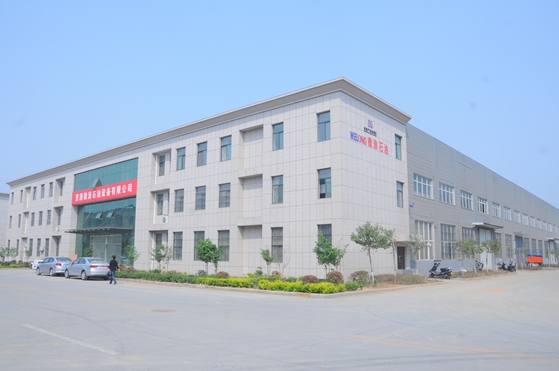
CHINA WELONG - 20+ years manufactuer in oilfield tools