A full repair and cleaning plan for Kill Manifold and choke valves is an important part of keeping oilfield work safe. The Kill Manifold is an important safety feature that maintains the purity of operations by avoiding blowouts with controlled fluid pressure. Regular repair procedures make sure these systems work efficiently when lives and tools count on their performance. This guide gives procurement managers, engineers, and field teams the information they need to get the best performance out of their manifolds while also lowering costs and risks.
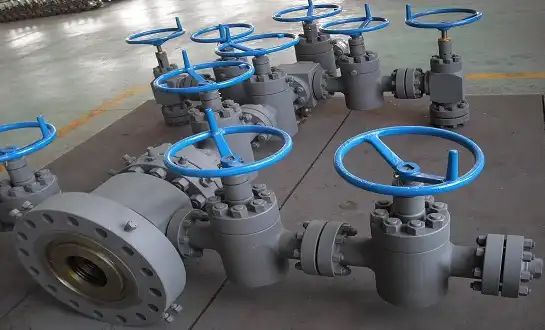
Understanding Kill and Choke Manifolds: Key Components and Functions
Well control manifolds are important safety tools for drilling and production activities, with each system doing its own unique part to help. Understanding these teams' basic differences helps maintenance plan specific check methods that meet the needs of each operation.
Kill Manifold Components and Operation
The kill manifold consists of check valves, gate valves, line pipes, and pressure gauges working together as an integrated safety system. When well head pressure increases unexpectedly, the manifold provides a controlled means of pumping heavy drilling fluid into the well to balance bottom hole pressure, preventing well kicks and blowouts. The system utilizes blow down lines connected to the manifold, allowing direct pressure release for bottom hole pressure control. Additionally, water and extinguishing agents can be injected through the manifold during emergency situations.
Modern systems have standard bore sizes from 2.1/16" to 4.1/16" and working pressures from 2000PSI to 20000PSI. These units work with different materials, like oil, natural gas, and digging mud. They also work in temperatures ranging from −46°C to 121°C. Classifications EE and FF make sure that the materials are long-lasting even in very harsh situations. All parts of the system follow the API SPEC 16C standards.
Choke Manifold Functions and Design Differences
Choke manifolds regulate production flow rates and manage back pressure during normal operations. Unlike emergency-focused systems, these units provide precise flow control through adjustable restrictions. Their design emphasizes consistent performance during routine production activities rather than emergency response scenarios.
Comprehensive Kill & Choke Manifold Maintenance Checklist
Systematic repair procedures make sure that equipment works well during difficult operating cycles and protect people who work with it. Structured checking processes find possible problems before they get in the way of safety or productivity.
Visual Inspection Protocols
Daily eye checks are the most important part of a repair program that works. Teams should look for signs of leaking, rust, or physical damage on all outside parts. Stress clusters often form in weld joints, flange connections, and valve seats. Make sure to check these areas carefully. Note any problems right away, and look at what you found against the standard conditions that were set up when the first installation was done.
Valve Testing and Calibration Procedures
Gate and check valves need to be tested regularly to make sure they work correctly under pressure. Testing methods include moving valves through their entire range of motion while keeping an eye on how long it takes and how well they close. To make sure that pressure gauges give correct numbers during important tasks, they need to be checked for adjustment against approved standards. Replace or adjust tools that show deviations beyond acceptable levels.
Pressure Rating Verification
Pressure testing checks the system's stability under working loads and finds weaknesses before they cause breakdowns. Follow the manufacturer's instructions when you do hydraulic tests on the Kill Manifold, and make sure you know about the highest allowed working pressures. Look at the seals, gaskets, and threaded joints for any signs of stress or damage that could make it hard to hold the pressure.
Kill vs Choke Manifold: Maintenance and Inspection Differences
Different working jobs need repair methods that are designed to meet unique performance needs and failure modes. Teams can better divide resources and keep safety coverage high when they understand these differences.
Operational Pressure Considerations
It is necessary to more commonly use pressure testing procedures on emergency response systems because they generally work at higher pressures than production control equipment. Well control pipes need to stay intact when pressure rises quickly, and flow control systems make sure that steady-state performance is at its best. This basic difference affects how materials are chosen, how often they are tested, and how replacements are chosen.
Component-Specific Maintenance Requirements
Check valve care is mostly about stopping backflow during important steps. This needs to be done often to make sure the seal is right. Gate valves in emergency systems need to be able to respond quickly, so they need to be lubed and used regularly to keep them from freezing. Flow control parts focus on making precise changes, which means that calibration testing and wear tracking are needed.
Troubleshooting and Technical Support for Kill & Choke Manifolds
Effective fixing keeps safety standards in place during machine failures and reduces downtime. Systematic testing methods help field teams quickly find the root causes and take the right steps to fix them.
Common Issues and Diagnostic Methods
When something goes wrong with a Kill Manifold, it's usually because of a valve. These problems usually have to do with sealing fails or movement that is too limited. Changes in pressure often mean that there are blockages or worn-out parts on the inside that need to be fixed right away. While an eye inspection shows harm on the outside or wear and tear, systematic pressure testing finds the parts that are not working right.
Professional Support and Certification Standards
Hard fixes need licensed experts who know how to test the equipment and keep people safe. Qualified experts can be sure that the fixes meet the standards and keep the guarantee in place. Keeping a record of all service actions helps you stay compliant with the law and builds a useful past of care for the future.
Procurement Insights and Best Practices for Kill & Choke Manifolds
Strategic procurement decisions significantly impact long-term operational costs and system reliability. Evaluating suppliers based on comprehensive criteria helps ensure optimal value throughout equipment lifecycles.
Supplier Selection Criteria
When choosing manifold providers, the most important thing is the quality of the products, and industry licenses are used to objectively show the standards of production. Delivery dependability affects project timelines and the ability to keep working. Warranty terms and after-sales help affect the total cost of ownership.
Custom vs Standard Solutions
For most uses, standard pipe designs are cheaper and more reliable. Tailor-made options meet specific needs, but they take longer to get and cost more at the start. Finding the right balance between these things rests on the needs and budget limits of each project.
WELONG: Your Trusted Partner for Oilfield Equipment Solutions
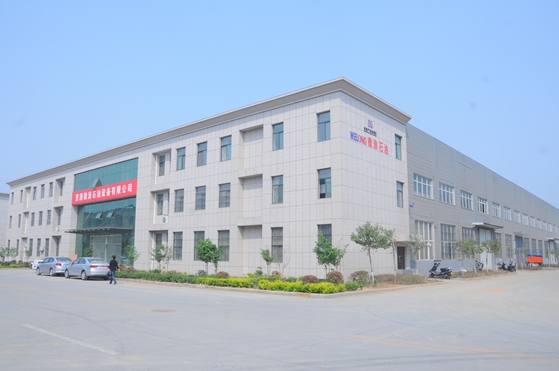
WELONG is a leader in making oilfield tools, and they've been helping the oil and gas industries around the world for more than 20 years. Our broad method for quality control makes sure that each part meets strict performance standards and works well even when conditions are tough.
Our skilled production teams keep a close eye on schedules to make sure that Kill Manifold goods are always on time to customer stores around the world. To meet a range of buying needs, we offer a variety of business terms (like FOB, CIF, DDP, and DDU) and sending methods (by sea, air, and rail) that can be chosen freely. Customers can choose the plans that best fit their business needs and budget because of this freedom.
Quality assurance goes beyond production and includes thorough inspection services like in-process and final checks. We also offer better third-party testing services by working with SGS and DNV. This makes sure that product quality and compliance are fully checked. These relationships let us quickly plan detailed review schedules that meet the highest approval standards.
Conclusion
In tough oilfield conditions, effective Kill Manifold upkeep and inspection programs protect workers and ensure that all tasks are completed as quickly and efficiently as possible. Systematic ways of testing parts, checking pressure, and doing preventive maintenance lower risks and make tools last longer. Understanding the different needs of emergency response and production control systems makes it possible to use tailored repair methods that meet the needs of each system. Long-term value and trustworthiness are guaranteed when strategic buying choices are made using in-depth evaluation factors for suppliers. Regular training and following industry standards keep the skills needed for safe and effective operation and upkeep of the manifold.
Frequently Asked Questions
Q1: How often should kill manifolds be inspected in offshore drilling operations?
A: Kill pipes offshore need to be looked at every day and fully tested for operation every week. Pressure tests every month and full system overhauls every three months make sure that the system works well in tough sea circumstances. Environmental factors like exposure to salt water and severe weather may mean that inspections need to be done more often.
Q2: What safety procedures must technicians follow during manifold maintenance?
A: People who do maintenance work must make sure that there is enough air flow during service activities, that they wear the right safety gear, and that lockout/tagout processes are followed. All pressure has to be released before taking anything apart, and only trained techs should do pressure tests. All team members should be able to easily access and clearly understand emergency stop steps.
Q3: Can choke manifolds substitute for kill manifolds during emergencies?
A: Choke manifolds cannot safely replace kill manifolds during emergency situations due to fundamental design differences. Emergency response systems require higher pressure ratings, faster response times, and different valve configurations than production control equipment. Using inappropriate equipment during emergencies creates significant safety risks and potential regulatory violations.
Partner with WELONG for Reliable Kill Manifold Solutions
Ready to enhance your oilfield operations with dependable manifold systems backed by proven expertise? WELONG delivers comprehensive solutions that combine advanced manufacturing capabilities with extensive field experience, ensuring your equipment performs reliably when safety and productivity matter most. Our kill manifold products meet rigorous API standards while our experienced team provides ongoing technical support throughout equipment lifecycles.
As a reliable kill manifold provider, we know how important it is for oilfields to get their deliveries on time and with consistent quality. The ISO 9001:2015 and API 7-1 standards show our dedication to quality, and the ability to be creative with business terms means that we can meet the needs of different projects. Our engineers work directly with customers to provide the best pipe systems that make operations safer and more efficient. These can be standard or custom-made setups.
Contact us at oiltools15@welongpost.com to discuss your specific requirements and discover how our manifold solutions can support your operational objectives.
References
1. American Petroleum Institute. "API Specification 16C: Choke and Kill Equipment." 4th Edition, API Publishing Services, 2019.
2. Society of Petroleum Engineers. "Well Control Equipment Systems: Design, Testing and Maintenance Standards." SPE Technical Publication Series, 2020.
3. International Association of Drilling Contractors. "Guidelines for Manifold System Inspection and Maintenance in Offshore Operations." IADC Technical Report, 2021.
4. Petroleum Equipment Suppliers Association. "Best Practices for Kill and Choke Manifold Procurement in Oil and Gas Operations." PESA Industry Guidelines, 2020.
5. Bureau of Safety and Environmental Enforcement. "Offshore Safety Management Systems: Equipment Maintenance and Inspection Requirements." BSEE Technical Bulletin, 2021.
6. International Organization for Standardization. "ISO 14310: Petroleum and Natural Gas Industries - Downhole Equipment - Packers and Bridge Plugs." Technical Standards Publication, 2019.