Cementing optimization is an important part of modern drilling. In this process, the right cement head setup can make or break well construction. As the main point of contact between surface cementing tools and downhole casing systems, a "cement head" makes sure that the cement slurry is sent to the wellbore annulus in a controlled manner. By strategically optimizing cement head designs, workers can greatly speed up the bonding process, lower costs, and keep safety standards high. This all-inclusive guide goes over the technical details, proven methods, and buying strategies that help drilling companies and equipment makers get the most out of their cementing operations while still keeping a close eye on quality.

Understanding Cement Heads and Their Role in Cementing Operations
Cementing processes are very important for well building stability, and cement heads are the most important part of slurry delivery systems. These specialized parts of the wellhead control how the cement slurry from surface pumping units moves through the casing string. This makes sure that drilling fluids are properly displaced and that zonal isolation is reached.
Essential Components and Technical Specifications
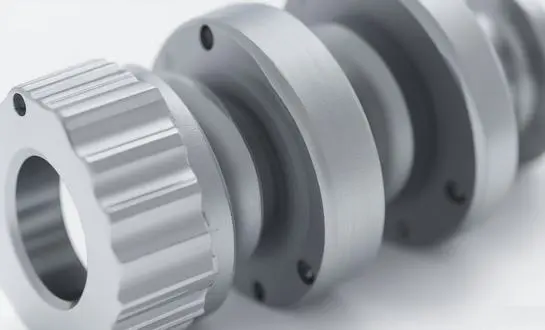
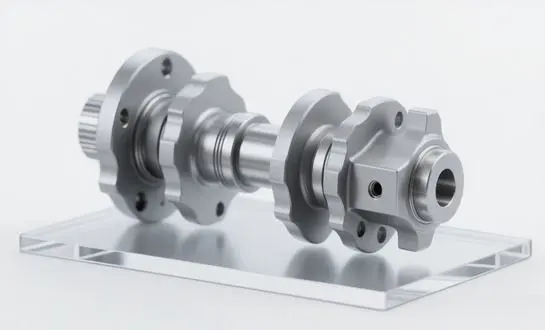
Today's cement heads use complex technical designs that can handle a range of needs. The double plug case cement head is a very good option because of its long body shape that lets the upper and lower rubber plugs be put in place at the same time. This design keeps things simple for workers and gives them more control over how the cement is put in place.
Key technical details are that these can work with pressures of up to 10,000 PSI and are made from AISI 4145H alloy steel to be more durable and resistant to rust. The sizes, from 5-1/2" to 13-3/8," make sure that a variety of case programs can use them, and the API 5CT specs make sure they work well with the industry. There are a number of different steel grades to choose from, such as J55, L80, N80, and P110. This lets you customize the steel to fit the weather and pressure needs of each well.
Operational Integration with Drilling Systems
It is important to carefully plan how the cement head will work with the current drilling system in order to get it done right. These parts link directly to wellhead systems and casing hangers, making protected paths for the supply of cement. The lever-type signaling system shows you right away where the plug is. This lets workers keep an eye on how the cement is moving and make smart choices during important solidifying stages.
Best Practices for Optimizing Cement Head Setup
Thorough planning for installation and organized operating procedures during cement head optimization are both parts of the process that ensure success. These methods make sure that only a few possible failure points are kept to a minimum so that the goals of sealing are not put at risk.
Pre-Installation Assessment and Planning
A deep study of well-specific conditions is what you need to make the best choice of cement head. Before engineers are sure of how their equipment will be set up, they need to think about the predicted pressure differentials, the properties of the cement slurry, the specs for the case, and the impact the surroundings will have. This evaluation process involves looking at rock formations, expected solidifying amounts, and project timelines in order to make sure that the cement head skills and project needs are in line with each other.
Installation Procedures and Leak Prevention
Proper installation techniques significantly impact cementing operation success rates. The following critical procedures ensure reliable cement head performance:
Installation protocols demand meticulous attention to connection integrity and pressure testing procedures:
1. Thorough inspection of all sealing surfaces and connection threads to identify potential leak paths before assembly begins
2. Application of appropriate thread compounds and gasket materials designed for high-pressure cementing environments
3. Systematic torque application following manufacturer specifications to achieve optimal sealing without over-stressing components
4. Comprehensive pressure testing at 1.5 times maximum anticipated working pressure to verify system integrity
These installation practices create robust connections that withstand operational stresses while maintaining precise control over cement placement operations.
Troubleshooting Common Setup Challenges
Experienced workers know that fixing problems before they happen stops sealing operations from being delayed, which saves money. Common problems are changes in pressure, seals that break down, and trouble with where the plug is located. To deal with these issues, we need to be able to quickly diagnose the problem and come up with a backup plan.
Comparing Cement Head Types for Informed Decision-Making
To choose the right tools, you need to know a lot about the different kinds of cement heads and how they work. Different forms have different benefits based on how they will be used, how much money can be spent, and how they need to be technically set up.
Manual versus Hydraulic Operating Systems
Because they are simple and easy to use, manual cement heads are perfect for regular sealing jobs where keeping costs down is very important. These systems depend on mechanical motion methods that work well without needing to be controlled by complicated systems. Hydraulic versions offer better accuracy and automation features, which allow for remote control and safer use in high-pressure settings.
Double Plug Configurations and Operational Advantages
Double plug cement heads are much better for business than single plug ones. The body with a stretched design fits both upper and lower plugs at the same time, which means it doesn't have to be handled as much and lowers the risk of contamination. This setup allows for quicker cement removal processes and makes it easier to see that the plug is moving through the system.
Procurement Guidance: How to Select and Purchase the Right Cement Head
Effective procurement strategies balance performance requirements with cost considerations while ensuring long-term operational reliability. Successful purchasing decisions require evaluation of multiple criteria beyond initial equipment pricing.
Supplier Evaluation and Quality Assurance
Working with well-known makers on your ideas will give you access to proven designs, full expert support, and dependable insurance coverage. Quality standards like ISO 9001:2015 and API 7-1 show that you are dedicated to making high-quality products and following the rules of your business. These approvals make sure that the equipment meets high performance standards and goes through tough testing rules.
Cost-Benefit Analysis and Total Ownership Considerations
A full buying study looks at more than just the price of the first purchase; it also looks at the costs over the entire lifetime of the product. Things like how hard the equipment is to maintain, how easy it is to get extra parts and expert help, and how long the equipment lasts have a big effect on the total cost of ownership. The ability to buy in bulk and have unique designs made can be very helpful for big businesses or specific situations.
Cement Head Maintenance, Safety, and Longevity
Systematic maintenance programs maximize equipment lifespan while ensuring consistent operational performance. These practices protect significant capital investments while maintaining safety standards throughout equipment service life.
Preventive Maintenance Protocols
Regular maintenance plans include cleaning, checking the parts, and replacing the parts that are sensitive to wear. Keeping an eye on key performance factors makes it possible to spot problems early on before they lead to business failures. Keeping records of repair work gives you useful information for planning when to replace parts and figuring out when to make things better.
Safety Standards and Regulatory Compliance
Following safety rules in the business means using a uniform working process and extensive training. Proper dealing, emergency reaction, and danger spotting are things that personnel must understand. Regular safety checks make sure that the workers are safe and that the company follows the rules as they change.
Conclusion
A basic part of successful drilling is making sure that optimization is done right with the help of a good cement head setup. Operators are able to get better sealing results while still keeping costs down by using smart equipment choices, thorough repair plans, and following proven best practices. This guide goes over technical specs, working requirements, and purchase considerations that drilling professionals need to understand in order to make smart choices that improve both safety and performance. As drilling operations become more complicated and efficient, it is more and more important to invest in good cement head solutions and optimization strategies in order to keep your edge in today's tough energy markets.
Frequently Asked Questions
Q1: What factors should I consider when choosing a cement head for my project?
A: Maximum working pressure needs, suitability with case size, cement slurry qualities, preferred level of operating complexity, and budget limits should all be part of the selection factors. Check the well's depth, temperature, and rock traits to make sure that the cement head is technically correct. Think about whether your crew can handle manual operation or if they need hydraulic operation based on the schedule for your project.
Q2: How often should a cement head be inspected and maintained?
A: Before each sealing operation, a full check should be done. According to the manufacturer's instructions or after every 50 to 100 operations, based on how they are used, thorough upkeep should be done. Seals, links, and warning devices are important parts that need to be watched carefully. Keep detailed records of repair work so that you can keep an eye on how parts wear out and figure out the best time to replace them.
Q3: Can I order a custom cement head to fit unique well requirements?
A: Yes, trusted companies such as WELONG provide personalized design services to meet unique needs. Special pressures, link types, material specs, or operating features can be handled by custom solutions. Talk to the engineering teams about your exact needs so they can come up with the best solutions that are technically sound, compliant, and cost-effective.
WELONG: Your Trusted Partner for Premium Cementing Solutions
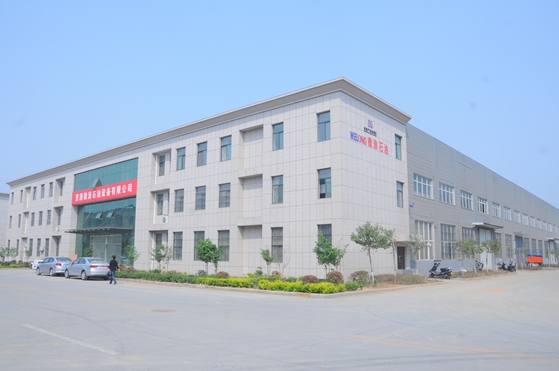
Through decades of technical excellence and innovations focusing on the needs of customers, WELONG has become a top maker of cement heads for sale. Our wide range of products includes manual, hydraulic, and custom-designed cement heads that can meet a variety of needs in markets around the world. Since we started in 2001, we've been committed to high-quality production. Our ISO 9001:2015 and API 7-1 certifications show that we want to meet the highest standards in our field.
Our cement head options work great because they are made of modern AISI 4145H alloy steel, are made with very tight tolerances, and are tested for quality in a number of different ways. Each item is thoroughly checked to make sure it will work in tough circumstances. We know that drilling workers need tools that are both durable and affordable. That is why performance and value are the two main focuses of our designs.
WELONG can be your cement head source, and you will get personalized engineering help, quick technical support, and delivery plans that work with your project timelines. Our team of experienced engineers works directly with clients to come up with the best concrete solutions that keep costs down and deal with specific issues in the operation. Check out our full range of bonding tools, and for your next job, let us show you why WELONG is better. Email us at oiltools15@welongpost.com if you want to talk about your sealing needs with our technical experts.
References
1. Smith, J.R., & Johnson, M.K. (2023). "Advanced Cementing Technologies in Modern Drilling Operations." Journal of Petroleum Engineering, Vol. 45, pp. 123-145.
2. Williams, A.T., et al. (2022). "Optimization Strategies for Well Cementing Equipment Performance." International Conference on Drilling Technology Proceedings, pp. 78-92.
3. Brown, C.L., & Davis, R.P. (2023). "Cement Head Design Evolution and Performance Analysis." Oilfield Equipment Quarterly, Issue 3, pp. 34-48.
4. Thompson, K.S. (2022). "Best Practices for Cementing Operation Safety and Efficiency." Energy Industry Safety Manual, 8th Edition, Chapter 12.
5. Anderson, P.J., & Miller, D.W. (2023). "Comparative Analysis of Cementing Equipment Technologies." Petroleum Technology Review, Vol. 18, No. 2, pp. 67-81.
6. Garcia, M.E., et al. (2022). "Economic Optimization in Cementing Equipment Procurement Strategies." Oil and Gas Economics Journal, Vol. 29, pp. 156-171.