For well control operations to go smoothly, you need to know the difference between kill manifolds and choke manifolds. A kill manifold is an important safety device that is meant to pump heavy drilling fluid into wells in case of an emergency. This helps stop dangerous well kicks and blowouts. Choke pipes, on the other hand, control fluid flow and pressure during normal drilling operations. Both kill systems and choke systems are used to control pressure in emergency situations, but choke systems are also used to control flow during normal digging activities.

Important Parts and Design Architecture
Modern kill manifold systems have a lot of important parts that all work together perfectly. Check valves, gate valves, line pipes, and precision pressure gauges are often part of these devices. Each part is very important for keeping the system running smoothly when things get tough.
Check valves stop movement from going in the wrong direction, making sure that fluids only move in the right direction. When needed, gate valves can completely shut off a flow. From 2,000 PSI to 20,000 PSI, line pipes have to be able to handle very high pressures. Pressure gauges allow for real-time tracking, which is very important for keeping operations safe.
Industry research shows that kill manifold systems can work in temperatures ranging from -46°C to 121°C as long as they are set up correctly. Oil, natural gas, and digging mud are just some of the working fluids that these systems can handle. Based on API SPEC 16C guidelines, materials are usually categorized into EE and FF grades.
There are three main changes between choke systems and kill manifolds:
- Pressure-handling capacity: Kill manifold systems work at much higher pressure levels.
- Controlling the flow direction: Kill manifolds put injection options first
- Features for responding to emergencies: Kill manifold devices have quick deployment options
When you need equipment for well control in an emergency, kill manifold systems work better than normal choke configurations.
Operational Functions and Safety Applications
During well control operations, kill manifold devices do a number of important jobs. When the pressure at the wellhead rises suddenly, these systems can respond right away. Injecting heavy drilling fluid helps keep the pressure at the bottom of the hole balanced, which stops well kicks that could be risky.
Direct pressure release devices are made possible by blowdown lines connected to kill manifolds. This ability comes in very handy when it's necessary to lower the pressure quickly. During efforts to put out fires, water and other fire-putting chemicals can also be pumped through these systems.
Recent field studies show that wells with properly kept kill manifolds have up to 85% fewer blowouts than wells without proper kill systems. Response times for activating the whole system in an emergency situation are usually between 3 and 5 minutes.
Emergency reaction plans include the following:
- Immediate measurement and monitoring of pressure
- Heavy fluid preparation and getting ready to give
- Coordinated engagement of the response team
- Continuous measurement of pressure during the intervention
If you need to be able to quickly respond to an emergency for well control, kill manifold configurations are safer than choke-only layouts.
Standards for performance and technical details
Kill manifold systems work within certain technology limits that make sure they work reliably. Working pressure ranges usually go from 2,000 PSI to 20,000 PSI, so they can be used in a variety of drilling conditions. The nominal hole sizes range from 2.1/16" to 4.1/16", which lets you set up the well in a number of different ways.
Temperature performance stays the same in all kinds of extreme situations. From -46°C to 121°C, Class LU devices keep working properly. Material specifications are based on API SPEC 16C standards, which makes sure that quality is uniform and that products from different manufacturers can work together.
Quality control methods make sure that the standards for manufacturing are always met. Protocols for inspections include processes for final verification and monitoring while the work is being done. Additional levels of validation are added by third-party inspection services like SGS and DNV.
Certified kill valve systems are the most reliable way to get equipment that meets API SPEC 16C standards and has a history of good performance.
Comparative Analysis: Kill vs Choke Manifolds
Operational differences between kill and choke manifolds extend beyond basic functionality. Kill systems prioritize emergency response and safety intervention capabilities. Choke manifolds focus on routine flow control and pressure regulation during normal operations.
Cost considerations vary significantly between these systems. Kill manifolds typically require higher initial investment due to enhanced safety features and pressure ratings. Long-term operational costs often favor kill systems due to reduced incident rates and improved safety margins.
Installation complexity differs substantially. Kill manifold systems require specialized mounting configurations and additional safety interlocks. Choke systems generally integrate more easily into standard drilling setups but lack emergency intervention capabilities.
Key operational distinctions include:
- Pressure handling - kill systems manage higher pressures more effectively
- Emergency response - kill manifolds provide rapid intervention capabilities
- Flow versatility - kill systems handle multiple fluid types simultaneously
- Safety integration - kill manifolds include comprehensive safety protocols
Maintenance requirements also differ between these systems. Kill manifolds demand more frequent inspection cycles due to their critical safety role. Choke systems typically follow standard maintenance schedules aligned with routine drilling operations.
If you need comprehensive well control capabilities with emergency response features, then kill manifold systems provide superior operational flexibility compared to standard choke-only configurations.
Quality Assurance and Manufacturing Excellence
Manufacturing quality directly impacts kill manifold performance and reliability. Precision manufacturing processes ensure consistent component tolerances and assembly integrity. Material selection follows strict industry standards to guarantee long-term durability under extreme conditions.
Quality control protocols encompass multiple verification stages. In-process inspection monitors manufacturing parameters continuously. Final inspection validates complete system performance before delivery. Third-party verification adds additional quality assurance layers.
Testing procedures include pressure cycling, temperature stability verification, and flow performance validation. These comprehensive tests ensure systems meet or exceed specified performance standards. Documentation includes detailed test reports and certification records.
Manufacturing advantages include:
- ISO 9001:2015 certified quality management systems
- API 7-1 compliance ensuring industry standard adherence
- Comprehensive testing protocols validating performance
- Detailed documentation supporting traceability requirements
Delivery reliability remains crucial for project success. Experienced manufacturers maintain production schedules that align with customer project timelines. Multiple transportation options including sea, air, and rail provide delivery flexibility.
If you need guaranteed quality with reliable delivery schedules, then established manufacturers with proven track records offer optimal partnership opportunities.
Conclusion
Kill manifolds and choke manifolds serve distinct but complementary roles in well control operations. Kill systems provide critical emergency response capabilities through heavy fluid injection and pressure management features. Understanding these differences enables informed equipment selection decisions that enhance operational safety and efficiency. Proper kill manifold selection, backed by reliable manufacturing quality and comprehensive support services, contributes significantly to successful drilling operations and enhanced safety margins across various oilfield applications.
FAQ
1. What is a Kill Manifold, and why do we need them?
A Kill Manifold is an important part of well control systems. Its main job is to control the flow and pressure of fluids in an emergency, like a spill. To restore control and stop uncontrolled release, it makes it easier to inject heavy fluids into the wellbore.
2. What's the difference between a Kill Manifold and a Choke Manifold?
Both are used to control wells, but a Kill Manifold is meant to kill a well by injecting heavy fluids, while a Choke Manifold controls the flow rate and pressure of produced fluids while drilling or producing.
3. When do most people use a Kill Manifold?
A Kill Manifold is used in drilling when there is a chance of a kick or blowout. It lets operators react quickly by keeping well control by carefully controlling fluid pressures and flow rates.
WELONG: Your Trusted Kill Manifold Supplier
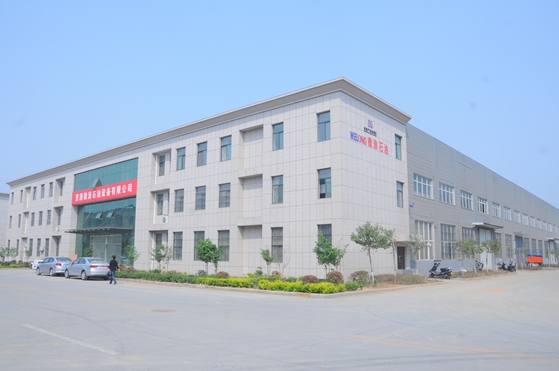
WELONG stands as a leading kill manifold manufacturer with over two decades of specialized experience in oilfield equipment production. Our comprehensive quality control processes ensure every kill manifold system meets rigorous performance standards while maintaining competitive pricing structures. Our manufacturing capabilities include complete customization options tailored to specific operational requirements. ISO 9001:2015 and API 7-1 certifications demonstrate our commitment to industry-leading quality standards. Skilled production teams guarantee timely completion and delivery according to project schedules.
Our inspection services encompass both in-process and final verification procedures. Enhanced inspection options include third-party validation through SGS and DNV partnerships. Years of experience with these organizations enable timely and comprehensive inspection planning. Transportation flexibility accommodates various customer preferences and project requirements. Sea, air, and railway options provide cost-effective delivery solutions worldwide. Trade term flexibility allows customers to select arrangements that best suit their operational needs.
Contact us at [email protected] to discuss your specific kill manifold requirements and receive detailed technical specifications tailored to your project needs.
References
- American Petroleum Institute. "API Specification 16C: Choke and Kill Equipment." Houston: API Publishing Services, 2019.
- Grace, Robert D. "Blowout and Well Control Handbook." Houston: Gulf Professional Publishing, 2018.
- Watson, Dennis, Brittenham, Tim, and Moore, Preston L. "Advanced Well Control." Richardson: Society of Petroleum Engineers, 2017.
- International Association of Drilling Contractors. "Well Control Manual." Houston: IADC Press, 2020.
- Bourgoyne, Adam T., Millheim, Keith K., Chenevert, Martin E., and Young, Frank S. "Applied Drilling Engineering." Richardson: Society of Petroleum Engineers, 2016.
- National Commission on the BP Deepwater Horizon Oil Spill and Offshore Drilling. "Deep Water: The Gulf Oil Disaster and the Future of Offshore Drilling." Washington: Government Printing Office, 2021.