Many technical and practical factors must be carefully thought through when choosing the right centralizer for deep well drilling. Extreme temperatures, high pressures, and complicated wellbore shapes are some of the problems that come with deep wells that need special casing centralization solutions. Engineers have to look at how well the centralizer works, the properties of the material, and the operating needs to make sure the wellbore stays intact and the cementing is of high quality. When digging in these tough conditions, the choice between rigid and flexible centralizer designs has a big effect on how well the well works in the long term, how well it controls costs, and how well it works during drilling.

Learning the Basics of Centralizers in Deep Well Drilling
Centralizers are important extra tools that keep the casing in the right place in the wellbore. This stops any unevenness that could damage the well or sealing operations. These tools make sure that the cement is spread evenly around the casing string, which has a direct effect on zone isolation and the well's long-term performance.
What Casing Centralizers Do Mainly
There is more to centralizers' main goal than just positioning. They help the cement run properly, lessen the effects of differential pressure, and keep the casing from wearing out too quickly during drilling operations. When installed in deep wells, centralizers have to be able to handle harsh conditions downhole while still staying structurally sound and positioned correctly.
Things to think about when using materials in deep wells
In deep wells, the centralizers need to be made of high-quality materials that can handle rough circumstances. Controlled heat treatment methods are used on special alloy steel parts to make the hardness distribution even. This way of making things makes sure that they work the same way even when temperatures and pressures are very high, like they are in deep drilling operations.
Tips for Designing for Extreme Conditions
High restoring forces and low starting forces must be taken into account in the design of a centralizer. This is especially important in straight and deviated wells. How well something works in complex wellbore geometries like those found in deep drilling projects depends on how well the engineers balance its flexibility and power.
Tips for Picking the Best Centralizer for Deep Wells
In order to choose the best centralizer, technical specs, operational needs, and cost factors must all be carefully considered. Engineers have to make sure that performance and cost-effectiveness are both taken into account, as well as industry norms and project requirements.
Needs for Technical Performance
Restoring force capacity, starting force minimization, and standoff efficiency are some of the most important performance measures. These factors directly affect how well the casing is centralized and how well the cement is cured. Engineers should compare the specs of a centralizer to the requirements in API Spec 10D to make sure that the product meets industry standards and works reliably.
Thoughts on Wellbore Geometry
Deep wells often have complicated paths that need special ways to be centralized. For directional drilling, you need centralizers that are flexible enough to handle wellbore deviation while still keeping the core in the right place. Rigid centralizer designs that offer the most range and structural stability may be better for conventional vertical wells.
Optimizing Size and Spacing
To get the best standoff, the outer diameter of the casing should match the diameter of the borehole when choosing the centralizer. Wellbore inclination, casing weight, and fluid properties must all be taken into account in spacing estimates to make sure that the fluid is evenly distributed throughout the casing string. Computer modeling software helps engineers figure out the best way to place wells with complex shapes.
How to Make an Informed Choice When Comparing Centralizer Types
Knowing what makes each type of centralizer unique lets you make smart choices about which one to use based on business needs and wellbore conditions.
Applications of Rigid Centralizers
Rigid centralizers, which come in both straight blade and spiral blade styles, give vertical well sections the most standoff and structural stability. These shapes work great in situations where they need to stay in place and hold a lot of weight. Straight blade centralizers are easy to use and reliable, while spiral blade versions make installation easier by letting you rotate the blades.
Pros of Spring Centralizer
For directional drilling, bow spring centralizers are very useful because they give you freedom. Their design takes into account wellbore flaws while still ensuring good centralization. When departure angles are very large, double bow centralizers give you more options. The spring mechanism lets the spring move through restrictions and return to full standoff in gauge hole areas.
Personalized solutions for centralizers
For more complex uses, you might need a special kind of centralizer, like one made of metalloid, an aluminum alloy, or rollers. These variations are made to deal with specific problems, like places that are corrosive, sensitive to weight, or having very high friction. The choice of material affects how well it works and whether it is suitable for use in harsh deep well settings.
Procurement Strategy: Buying Centralizers for Deep Wells
Cost management is improved by effective buying strategies, which also make sure that the supply chain works reliably and that quality is maintained. Strategic buying methods meet the needs of projects with tight budgets and deadlines while still meeting technical requirements.
Advantages of ordering in bulk and managing the supply chain
Buying in bulk can save you a lot of money because economies of scale and easier logistics planning make it possible. Manufacturers of centralizers often offer better prices for big orders and make sure that deliveries happen on time. Strategic inventory management cuts down on project delays and the risks that come with buying things.
Custom manufacturing and adapting to specific needs
Customized centralizer specifications are often needed for deep well projects to deal with special operational issues. Custom fabrication manufacturers offer solutions that are made to fit particular wellbore shapes, material needs, and performance standards. Custom production lets you get the most out of a centralizer's performance for difficult tasks while keeping costs low.
Protocols for Quality Assurance and Inspection
Comprehensive quality control procedures make sure that the centralizer is reliable and always works the same way. In-process and final inspection methods make sure that the manufacturing process meets the technical requirements. Third-party inspection services, such as SGS and DNV certification, offer extra quality guarantee for important uses that need stronger proof of dependability.
Helpful Tips and Business Solutions for the Best Centralizer Use
To successfully apply a centralizer, you need to follow tried-and-true installation and performance monitoring steps. Understanding common problems and how to solve them makes operations run more smoothly and makes installation easier.
Tips and Advice for Installing Things
Using the right fitting methods will keep the centralizer from getting damaged and make sure it stays in place throughout the wellbore. Inspections done before placement make sure that the centralizer is in good shape and that the dimensions are correct. Monitoring the installation finds problems before they impact the structure of the wellbore or the cementing process.
Maintenance and monitoring of performance
Monitoring the centralizer's performance continuously during installation gives real-time feedback on how well placement is working. Maintenance plans make equipment last longer and make sure it works the same way during tough deep well operations. Regular inspections find trends of wear and loss of performance before they become major problems.
WELONG Excellence in Manufacturing
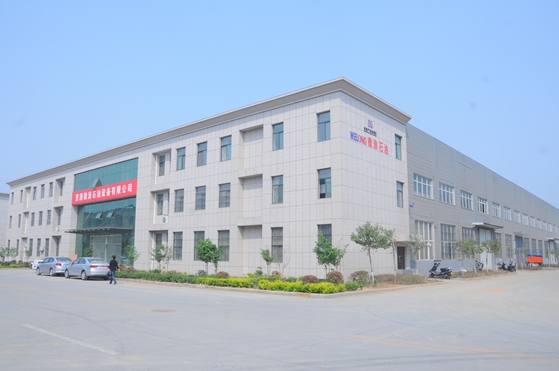
China Welong has been making things for the ground for more than twenty years and now manages the production and supply chain for centralizers. Our wide range of products includes stiff, bow spring, and custom centralizer designs that are made to meet API Spec 10D requirements. Advanced quality control methods make sure that products always work well and are reliable in a wide range of operating settings. Global logistics capabilities offer a range of delivery choices, such as by sea, air, or train, and a number of different payment terms, such as FOB, CIF, DDP, and DDU.
Conclusion
When choosing a centralizer for a deep well, it's important to look at all of the technical needs, practical limitations, and cost factors. Knowing the main differences between rigid and flexible designs helps you make smart choices based on the conditions of the wellbore and your operating goals. Cost optimization and quality assurance must be balanced in order for buying strategies to work well and ensure that the supply chain works reliably. To be successful at deep well centralization, you need to choose the right types of centralizers, follow the right installation steps, and work with makers who have a lot of experience and can provide custom solutions and reliable support services.
Questions People Ask Often
Q1: What kind of centralizer works best for very deep wells?
A: Because they are flexible and can work in a variety of wellbore shapes, bow spring centralizers usually work best in deep wells. The best choice, on the other hand, relies on the well's path, the temperature, and the needs of the operation. In vertical areas where maximum standoff is important, rigid centralizers may be better.
Q2: How do I figure out the right distance between centralizers for deep wells?
A: The wellbore angle, casing weight, fluid properties, and desirable standoff percentage are all taken into account when figuring out the centralizer spacing. Computer modeling software helps make placement plans work better. Depending on the state of the well and how well the centralizer works, spacing is usually between 30 and 120 feet.
Q3: What levels of quality should I look for in deep well centralizers?
A: For quality and efficiency standards in manufacturing, all centralizers should meet or go beyond API Spec 10D. Third-party inspections, material certifications, and documents of performance tests may be used to add to the quality assurance. ISO certification for manufacturers adds to the support of the quality system.
Partner with WELONG for Superior Centralizer Solutions
WELONG stands as your trusted centralizer supplier, delivering premium quality casing centralization solutions for the most demanding deep well applications. Our extensive experience in oilfield manufacturing ensures reliable product performance and exceptional service support. We offer comprehensive centralizer solutions including rigid straight blade, spiral blade, bow spring, and specialized designs manufactured to exacting API Spec 10D standards.
Our advanced manufacturing capabilities provide custom centralizer solutions tailored to your specific project requirements while maintaining competitive pricing and reliable delivery schedules. Quality assurance protocols include comprehensive inspection services and third-party certification options to ensure product reliability and performance consistency. Global logistics expertise enables flexible delivery arrangements supporting your project timelines and budget requirements.
Discover how WELONG's centralizer expertise can optimize your deep well operations. Contact us at [email protected] for detailed technical specifications, custom manufacturing consultations, and competitive pricing solutions.
References
- American Petroleum Institute. "API Specification 10D: Specification for Bow-Spring Casing Centralizers." Fifth Edition, Washington, DC: American Petroleum Institute, 2018.
- Mitchell, Robert F. "Fundamentals of Drilling Engineering." SPE Textbook Series Volume 12, Richardson, TX: Society of Petroleum Engineers, 2011.
- Nelson, Erik B., and Dominique Guillot. "Well Cementing." Second Edition, Houston, TX: Schlumberger Educational Services, 2006.
- Bourgoyne, Adam T., Martin E. Chenevert, Keith K. Millheim, and F.S. Young. "Applied Drilling Engineering." SPE Textbook Series Volume 2, Richardson, TX: Society of Petroleum Engineers, 1991.
- Shadravan, Abbas, and Mehdi Amani. "HPHT Challenges for Drilling and Completion Fluids." Oil and Gas Facilities Journal, Society of Petroleum Engineers, 2012.
- Rahman, Syed Siraj, George V. Chilingarian, and Jahan J. Fathi. "Casing Design Theory and Practice." Developments in Petroleum Science Volume 33, Amsterdam: Elsevier Science Publishers, 1995.