Float Shoes are essential to wellbore operations and cementing, thus knowing their purpose helps you find them. Successful procurement requires supplier evaluation, API compliance, material specification verification, and trustworthy delivery schedules. Smart procurement teams choose casing shoe manufacturers with extensive technical support, strict quality control, and competence. Cost and performance must be balanced while creating long-term collaborations with reliable manufacturers that understand drilling operations.

The Importance of Float Shoe Technology in Drilling
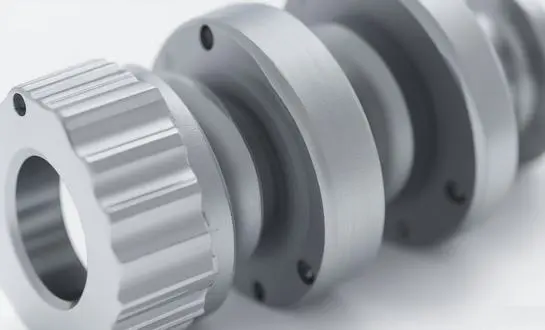
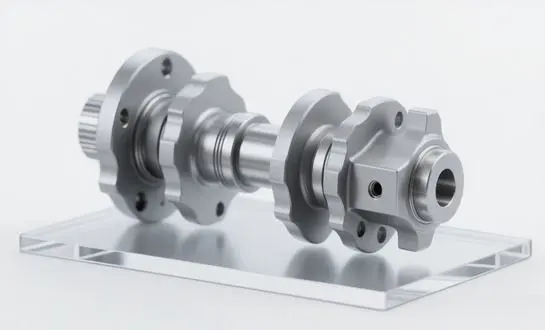
Float shoes are crucial to contemporary drilling and well completion. Multiple roles of these downhole equipment affect wellbore integrity and operating efficiency. During casing installation, it acts as a one-way valve to prevent cement slurry and wellbore fluid reverse flow.
A sturdy steel shell fits casing standards and has an internal check valve. This arrangement lets drilling mud and cement run down the casing string without formation fluids rising. Cementing activities need pressure control to avoid cement column contamination, making the float valve mechanism vital.
Understanding the interaction between float shoes and collars improves procurement. For pressure management and backup, float collars are placed 20-30 meters above the casing shoe. Critical well control tasks are redundant with this dual-component design.
Modern float shoes work in shallow conventional wells and ultra-deep high-pressure wells. Internal components, usually made of drillable cement or thermoplastic, are easier to remove during future drilling. Drillability is crucial when wells must be deepened beyond the casing point.
Essential Specifications and Materials for Performance
Understanding technical parameters for dependable downhole performance is the first step in buying float shoes.
- The exterior steel structure must fulfill casing grade and threading criteria and be strong enough for downhole circumstances.
- Performance lifespan depends on material choice. Under severe pressure, high-grade steel alloys resist corrosion and remain structurally intact. Materials for interior valve components must seal well and be drillable.
- Temperature ratings matter in geothermal and deep drilling. Common float shoes can tolerate temperatures up to 200°F, while special ones can endure temperatures beyond 400°F. During cementing, pressure ratings must match formation and hydraulic pressures.
- Threading compatibility guarantees casing string integration. API threading standards enable industry-wide interoperability, however certain applications need unique threading. Dimensional correctness impacts sealing and installation efficiency.
- The drillable inner parts need attention. Cement-based materials are drillable yet temperature-sensitive. Advanced thermoplastics are temperature-resistant and drillable. Understanding these material trade-offs helps procurement teams make well-specific selections.
Dependable Float Shoe Supplier Procurement Criteria
Multiple elements beyond price are needed to choose dependable suppliers.
- API certification is the minimum benchmark for product quality and performance. Suppliers must follow API 7-1 criteria and stay certified.
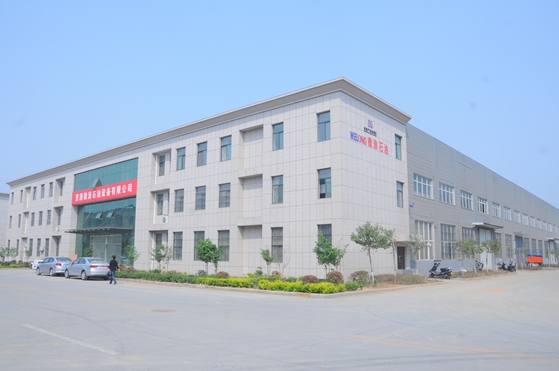
- Factory capabilities affect product quality and delivery dependability. Advanced machining equipment assures dimensional correctness, and quality control systems check performance. Suppliers with in-house testing facilities can record and verify performance.
- Suppliers with technical help stand out. Engineering experts help with product selection, application, and troubleshooting. This technological competence helps with difficult wellbore conditions and bespoke applications.
- Operating efficiency and project schedule depend on supply chain stability. Strong inventory management and flexible manufacturing capacity let suppliers adjust to shifting demand. Geographic closeness to operating locations minimizes shipping costs and delivery times and improves urgent response.
- Quality assurance ensures product consistency. ISO 9001 accreditation shows quality management commitment. Supplier capabilities are verified by manufacturing process audits and quality control methods.
- Supplier dependability is shown by past performance. Similar procedures, performance measurements, and case studies show real-world capabilities. Extended partnerships with proven operators frequently reflect dependability and performance.
Cost-optimization without sacrificing quality
Effective cost optimization needs knowing entire cost of ownership, not just initial purchase pricing. Quality float shoes decrease operating hazards, downtime, and expensive repairs. Superior items frequently outlast cheaper ones.
- Volume purchase agreements provide better prices and guarantee supply. Annual contracts with known suppliers provide pricing consistency and priority during peak demand. Blanket purchase orders simplify and save administrative expenses.
- Standardization simplifies inventories and boosts buying power. Keeping float shoe configurations low while keeping operational flexibility simplifies procurement and inventory management. Costs are minimized by developing common standards with vendors that fulfill most application needs.
- Alternative sourcing reduces costs without losing quality. Building partnerships with several qualified suppliers increases competitive pressure and backup supply sources. Regional suppliers may provide cost benefits for certain applications or regions.
- Strategic procurement timing cuts expenses. Schedule purchases during suppliers' quiet times for cheaper price. Avoiding urgent orders and emergency procurement reduces accelerated delivery premiums.
- Total cost analysis goes beyond unit price. Transportation, inventory, and procurement administrative charges affect costs. Comprehensive suppliers with technical assistance and inventory management may give superior value despite higher unit pricing.
Quality Control and Testing for Float Shoe Purchases
Strict quality assurance methods prevent performance faults and operational interruptions. Products are inspected for dimensional correctness, material standards, and visual quality before inventory. Random sample and inspection findings verify quality and traceability.
Pressure testing verifies float valve mechanism and structural integrity. Hydrostatic testing at pressures above downhole conditions provides safety. Documenting test findings verifies performance and aids quality control.
Material certification ensures steel components fulfill grade and chemical composition norms. Mill test certifications from steel suppliers guarantee quality and traceability. Critical applications benefit from third-party material testing.
Dimensional verification checks casing string fit and function. API conformance and compatibility are verified by thread gauge examination. Measurements of important dimensions guarantee optimal installation and operation.
Performance testing under simulated downhole settings verifies operations. Flow testing checks valve functionality and sealing. Performance under heat stress is confirmed by temperature cycling.
Supplier audits assess production and quality control. Quality requirements are maintained by regular facility inspections. Process audits identify areas for improvement and check process compliance.
Delivery Scheduling and Inventory Management Best Practices
Effective delivery scheduling balances inventory carrying costs with operational requirements. Lead time analysis helps establish realistic procurement schedules while accounting for manufacturing time and transportation requirements. Understanding seasonal demand patterns enables better planning and cost optimization.
Just-in-time delivery strategies reduce inventory costs while maintaining operational readiness. Coordinating deliveries with drilling schedules minimizes storage requirements and reduces handling costs. Electronic data interchange systems facilitate seamless communication between suppliers and operations teams.
Inventory optimization considers demand variability, lead times, and storage constraints. Safety stock levels account for demand uncertainty and supply disruptions. Economic order quantities balance ordering costs with carrying costs to optimize total inventory expenses.
Supplier-managed inventory programs transfer inventory responsibility to suppliers while maintaining availability. Consignment arrangements reduce capital investment while ensuring product availability. Vendor-managed inventory systems leverage supplier expertise in demand forecasting and inventory optimization.
Emergency procurement procedures address urgent requirements and supply disruptions. Established protocols and pre-qualified suppliers enable rapid response to unexpected demands. Expedited shipping arrangements and priority production slots support critical operational needs.
Performance monitoring tracks delivery performance and identifies improvement opportunities. Key performance indicators include on-time delivery, order accuracy, and damage rates. Regular performance reviews with suppliers promote continuous improvement and strengthen relationships.
Conclusion
Efficient float shoe procurement requires balancing multiple factors including quality standards, cost optimization, and supplier reliability. Success depends on understanding technical requirements, implementing robust quality assurance protocols, and building strategic supplier relationships. By focusing on total cost of ownership rather than initial pricing alone, procurement teams achieve better long-term outcomes. The investment in superior float shoes pays dividends through improved operational reliability, reduced downtime, and enhanced well integrity. Strategic partnerships with qualified suppliers like WELONG provide access to technical expertise, quality products, and reliable delivery performance that supports successful drilling operations.
Partner with WELONG for Superior Float Shoe Solutions
WELONG stands out as a premier Float Shoe supplier with over two decades of experience serving the global oilfield industry. Our deep grasp of downhole equipment and wellbore isolation allows us to solve the toughest operational problems. High-quality drilling equipment that improves well integrity and operating efficiency has been our specialty since 2001.
Our production includes all float shoes and downhole tools. ISO 9001:2015 and API 7-1 certifications show our quality management and industry compliance. Our advanced quality control systems guarantee every product fulfills strict performance criteria before delivery. WELONG offers customized services while others sell commodities. Our engineers collaborate with clients to provide wellbore-specific solutions for operating needs. We provide experienced advice and proven solutions for high-pressure formations, harsh temperatures, and difficult drilling situations.
Ready to optimize your float shoe procurement strategy? Contact us at oiltools15@welongpost.com to discuss your specific requirements and discover how WELONG can enhance your drilling operations with superior products and exceptional service.
References
- Smith, J.R., and Anderson, M.K. "Advanced Cementing Technologies for Deepwater Applications." SPE Drilling & Completion Journal, Vol. 28, No. 3, 2013, pp. 245-258.
- Thompson, R.L. "Float Equipment Design Considerations for High-Pressure Wells." Journal of Petroleum Technology, Vol. 65, No. 8, 2013, pp. 89-96.
- Martinez, C.A., and Wilson, D.E. "Quality Control Standards for Oilfield Casing Hardware." API Recommended Practice 7G, 4th Edition, American Petroleum Institute, 2018.
- Brown, K.S. "Supply Chain Management in Upstream Oil and Gas Operations." Energy Procurement Quarterly, Vol. 42, No. 2, 2019, pp. 112-125.
- Davis, P.M., et al. "Performance Analysis of Drillable Float Equipment in Extended Reach Wells." Drilling Contractor Magazine, March 2020, pp. 34-41.
- Roberts, A.J., and Chang, L.W. "Cost-Effective Procurement Strategies for Oilfield Equipment." Petroleum Equipment & Services Association Technical Bulletin, No. 156, 2021.