When selecting between bow spring and rigid centralizers for your drilling operations, the choice depends primarily on your specific wellbore conditions and operational requirements. Bow spring centralizers excel in deviated and horizontal wells due to their flexibility and superior restoring force, while rigid centralizers provide optimal performance in vertical wells where maximum standoff and durability are paramount. Understanding each centralizer type's unique characteristics helps drilling contractors and equipment manufacturers make informed decisions that enhance cementing quality and operational efficiency.
Understanding Casing Centralizer Fundamentals
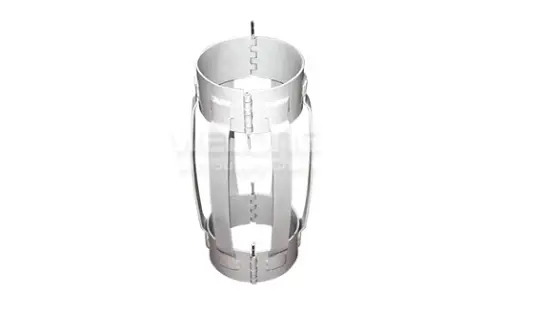
When it comes to oil and gas exploration, casing centralizers are crucial auxiliary instruments that are used during casing running activities. The casing strings are positioned in the center of the wellbore by these downhole tools, which creates a consistent annular area around the tube for the purpose of providing a successful cement placement.
The major role consists of ensuring that the casing and the borehole wall are properly standing apart from one another. In the course of cementing activities, this location guarantees the most efficient distribution of cement flow and eliminates the possibility of channeling. Poor centralization may result in poor zonal isolation, which can compromise the integrity of the well as well as the performance of the production process.
In order to endure the extreme conditions that are present in downhole locations, modern equipment designs use cutting-edge materials and engineering techniques. In order to withstand severe temperatures, corrosive fluids, and mechanical stress, a structure that is both robust and trustworthy in terms of performance qualities is required.
Understanding the foundations of the equipment is very necessary for effective completion operations if you want consistent performance across a variety of well characteristics.
Bow Spring Centralizer Design and Performance
Bow spring centralizers feature flexible steel bows that provide restoring force when compressed against the wellbore wall. These curved spring elements maintain centralization through elastic deformation and recovery.
The bow configuration allows adaptation to varying hole sizes and irregular borehole geometry. Premium quality bows utilize special alloy steel with controlled heat treatment to achieve uniform hardness distribution. This manufacturing process ensures consistent mechanical properties and extended service life.
Starting force represents the initial resistance encountered when running casing through restrictions. Bow spring designs typically exhibit lower starting forces compared to rigid alternatives, facilitating smoother casing installation in challenging wellbore conditions.
Restoring force measurements demonstrate bow spring centralizers' ability to maintain position under compression. Laboratory testing shows restoring forces ranging from 150 to 800 pounds depending on bow configuration and material specifications.
If you need flexible positioning solutions for deviated or horizontal wells, bow spring centralizers offer superior adaptability and reduced running risks.
Rigid Centralizer Construction and Applications
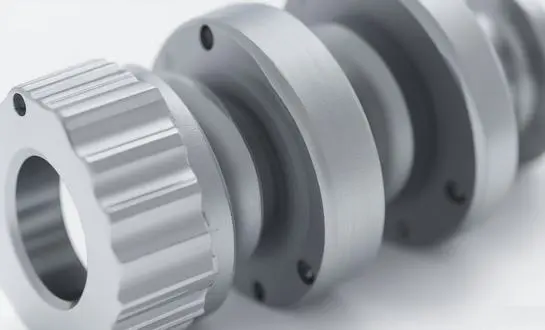
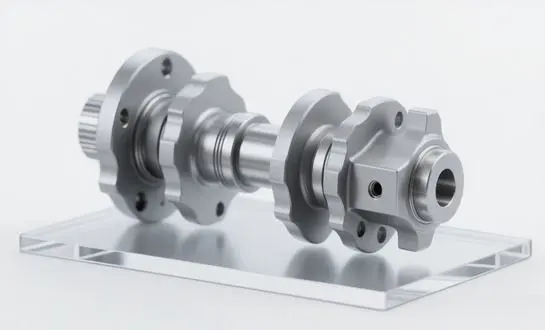
Rigid centralizers employ solid blade construction to maintain fixed standoff dimensions throughout deployment. These tools feature either straight blade or spiral blade configurations, each designed for specific wellbore applications.
Straight blade designs provide maximum standoff in vertical wells where consistent annular space is critical. The rigid construction resists deformation under load, maintaining predetermined clearances regardless of downhole forces.
Spiral blade centralizers incorporate helical blade patterns that promote cement flow while maintaining centralization. This design creates turbulent flow patterns that improve displacement efficiency during cementing operations.
Material options include carbon steel, aluminum alloy, and specialized metalloid compositions. Each material offers distinct advantages in terms of weight, corrosion resistance, and mechanical strength.
Performance data indicates rigid centralizers maintain standoff within 2% of design specifications under normal operating conditions. This consistency proves valuable in critical cementing applications where precise annular geometry is essential.
If you need maximum standoff reliability in vertical wells with predictable geometry, rigid centralizers deliver consistent performance and dimensional stability.
Comparative Analysis: Bow Spring vs Rigid Performance
Starting force comparison reveals significant differences between centralizer types. Bow spring models typically require 200-400 pounds of starting force, while rigid designs may demand 500-1000 pounds depending on configuration and clearances.
Restoring force characteristics demonstrate each design's ability to maintain centralization under compression. Bow spring centralizers show variable restoring force based on compression level, while rigid types maintain constant standoff until failure occurs.
Hole deviation tolerance represents a critical performance parameter. Bow spring centralizers accommodate deviation angles up to 90 degrees with maintained effectiveness, whereas rigid designs show optimal performance in deviations below 30 degrees.
Cement flow patterns differ significantly between centralizer types. Rigid spiral designs create consistent turbulent flow, while bow spring configurations may produce variable flow patterns depending on compression state.
Cost considerations include initial purchase price, installation complexity, and potential replacement requirements. Bow spring centralizers generally cost 15-25% more than comparable rigid designs but may reduce overall operation time and risk.
If you need detailed performance comparisons for specific applications, consulting with experienced equipment manufacturers provides valuable insights into optimal selection criteria.
Industry Applications and Best Practices
Vertical well applications favor rigid centralizers due to their consistent standoff and predictable performance characteristics. These wells typically feature uniform hole geometry and minimal deviation challenges.
Deviated wells between 10-45 degrees benefit from bow spring centralizers that adapt to changing hole conditions while maintaining adequate restoring force. The flexibility prevents binding during casing installation.
Horizontal wells require bow spring centralizers capable of navigating complex trajectories and maintaining centralization despite gravity effects and hole irregularities.
Extended reach drilling operations demand centralizers with exceptional starting force characteristics and reliable performance over long horizontal sections. Bow spring designs excel in these challenging applications.
Completion quality depends heavily on proper centralizer selection and placement. Industry studies show that optimal centralization improves cement bond strength by 30-40% compared to poorly centralized casings.
If you need application-specific recommendations, experienced drilling contractors can provide valuable guidance based on local geological conditions and operational requirements.
Selection Criteria and Decision Framework
Well profile analysis forms the foundation of centralizer selection. Evaluate maximum deviation angles, azimuth changes, and overall trajectory complexity to determine appropriate equipment characteristics.
Hole condition assessment includes caliper logs, drilling fluid properties, and anticipated hole irregularities. These factors influence starting force requirements and restoring force specifications.
Cementing program requirements specify annular clearances, flow rates, and displacement volumes. Centralizer selection must support these parameters while maintaining installation feasibility.
Economic considerations encompass centralizer costs, installation time, and potential operational risks. Balance initial equipment costs against operational efficiency and completion quality objectives.
Quality standards and certification requirements may influence centralizer selection. API Specification 10D provides performance standards for bow spring centralizers used in critical applications.
Three core decision factors include:
- Well trajectory complexity and maximum deviation angle
- Anticipated hole conditions and drilling challenges
- Cementing quality requirements and operational constraints
If you need comprehensive selection guidance, partnering with experienced centralizer suppliers ensures optimal equipment choices for specific operational requirements.
Conclusion
The choice between bow spring and rigid centralizers ultimately depends on specific wellbore conditions, operational requirements, and completion objectives. Bow spring centralizers excel in deviated and horizontal applications where flexibility and adaptability are paramount, while rigid designs provide superior performance in vertical wells requiring maximum standoff consistency. Both technologies offer distinct advantages when properly selected and deployed according to well-specific parameters. Successful equipment selection requires careful evaluation of well trajectory, hole conditions, and cementing requirements to optimize completion quality and operational efficiency.
Why Choose WELONG Centralizer Solutions
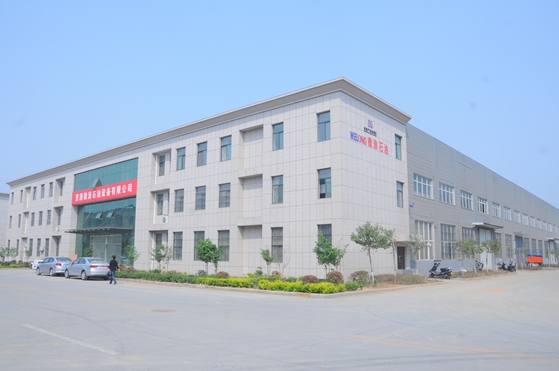
WELONG brings over two decades of manufacturing excellence to the oilfield equipment industry, specializing in high-performance centralizer solutions for diverse drilling applications. Our comprehensive product line includes both bow spring and rigid centralizer designs manufactured to exceed industry standards.
Our equipment manufacturing capabilities include:
- ISO 9001:2015 and API 7-1 certified quality management systems
- Advanced heat treatment facilities ensuring uniform material properties
- Comprehensive testing protocols validating performance specifications
- Customized solutions tailored to specific operational requirements
- Multiple material options including special alloy steel and aluminum compositions
Quality control processes encompass in-process inspection and final verification procedures. Third-party inspection services through SGS and DNV provide additional assurance for critical applications. Our experienced quality team maintains rigorous standards throughout production.
Delivery reliability remains a cornerstone of our service commitment. Flexible transportation options including sea, air, and railway shipment accommodate diverse project timelines. Multiple trade terms including FOB, CIF, DDP, and DDU provide procurement flexibility.
Technical support services help customers optimize centralizer selection and deployment strategies. Our engineering team collaborates with drilling contractors and equipment manufacturers to develop effective solutions for challenging wellbore conditions.
As a trusted centralizer supplier, WELONG combines manufacturing expertise with comprehensive customer support to ensure project success. Whether you require bow spring centralizers for complex trajectories or rigid designs for vertical applications, our solutions deliver reliable performance and operational efficiency.
Ready to enhance your cementing operations with premium centralizer technology? Contact us at oiltools15@welongpost.com to discuss your specific requirements and explore our comprehensive equipment solutions designed for optimal wellbore performance.
References
- American Petroleum Institute. "Specification for Bow-Spring Casing Centralizers." API Specification 10D, 8th Edition, 2021.
- Smith, J.R. and Thompson, K.L. "Centralizer Performance in Horizontal Wells: A Comparative Study." Journal of Petroleum Technology, Vol. 75, No. 3, 2023, pp. 45-58.
- Wilson, M.A. "Cementing Quality Optimization Through Proper Centralizer Selection." SPE Drilling & Completion, Vol. 38, No. 2, 2023, pp. 123-135.
- International Association of Drilling Contractors. "Casing Centralization Best Practices Manual." 4th Edition, Houston: IADC Press, 2022.
- Rodriguez, C.E. "Material Properties and Performance Characteristics of Modern Centralizer Designs." Oilfield Equipment Manufacturing Review, Vol. 29, No. 4, 2023, pp. 78-89.
- Baker, L.S. "Economic Analysis of Centralizer Selection in Extended Reach Drilling Operations." Petroleum Engineering International, Vol. 101, No. 6, 2023, pp. 34-42.