Square Kelly for Drilling Rigs: What Buyers Should Know
The square kelly is one of the most important components in contemporary drilling operations. It is the main element for the transfer of torque from the rotary table to the drill pipe. Drilling contractors and operators involved in procurement choices should be aware of the square kelly parameters, dimensions, and selection criteria as they affect drilling efficiency, safety, and total operating costs. This thorough buyer’s guide will cover the most vital aspects of buying the right square kelly equipment for your drilling rig. From size requirements and connection compatibility to important inspection methods, this guide has it all. Whether you are drilling shallow wells or ultra-deep offshore installations, the square kelly you pick will affect downhole performance, rig dependability, and long-term maintenance needs. Making educated buying choices is critical to your operational success.
What Square Kelly Size Is Suitable for Different Drilling Rigs?
Determining Square Kelly Dimensions for Rig Capacity
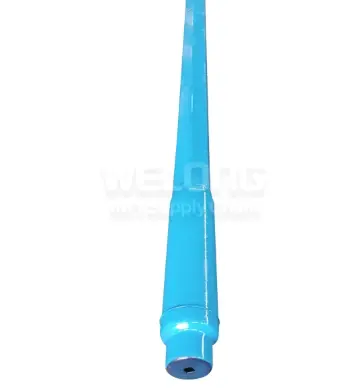
The square kelly size must be compatible with the specifications of your drilling rig’s rotary table and the needs of the entire drilling program. Standard square kelly sizes are from 2½ inches to 6 inches, and each size rating has an associated torque rating and load capacity for a given drilling environment. The kelly is a 2½-inch square usually used on shallow-well work and smaller land rigs and provides an appropriate means of transmitting torque during normal drilling operations without adding extra weight and complexity. Larger square kelly sizes such as 4-inch and 5-inch kellys are used to drill deeper wells and to handle heavier drill pipe combinations that create increasing torque demands during drilling operations. The 6-inch square kelly is at the high end of what is appropriate for most commercial drilling operations, and has great torque capacity for long hole sections and difficult drilling circumstances. Small square kelly selection leads to early wear, possible mechanical failure, and schedule interruption; too large a square kelly requires needless rig modification and operating inefficiency. By consulting with your drilling equipment provider in a professional manner, you can guarantee that the square kelly specification is in line with your rig’s capabilities and your anticipated drilling program needs. This will set the stage for dependable drilling performance.
Matching Square Kelly Size to Drilling Program Requirements
No two drilling programs are the same, each having its own needs depending on total well depth, hole shape, formation characteristics, and the drilling obstacles that are expected. For shallow well programs in sand or chalk formations, a 2½ or 3-inch square kelly may be sufficient, as drilling torque needs will be mild for the whole operation. Deeper drilling portions and intermediate wells that need casing strings often require 4-inch or greater square kelly sizes to provide more weight and torque from heavier drill pipes and slower rotations. Deep and ultra-deep wells and extended reach drilling projects usually call for 5-inch or 6-inch square kellys to provide the torque capacity to rotate heavier drill strings at regulated speeds. The torque requirements are very much dependent upon the geological formations that are encountered. A larger torque capacity is required to drill through hard rock than through soft sediments. Operators designing drilling programs should engage with drilling engineers to estimate projected torque loads throughout the drilling operation, ensuring the square kelly chosen offers enough safety margins without being too oversized.
Regional and Rig-Type Considerations for Kelly Selection
Onshore land rigs often use smaller square kelly sizes that match the normal equipment setups used in terrestrial drilling. A bigger square Kelly size is often used on offshore platform rigs and floating drilling vessels because of heavier equipment and deeper drilling programs common in marine applications. Jack-up rigs have their own issues as well, as they are mobile rigs and often the square Kelly sizes are limited by the equipment handling capabilities and the drilling derrick requirements. Drilling contractors working in areas with a good existing infrastructure may find that standard square kelly sizes help in the handling of equipment and in moving in and out of drilling sites quickly. In contrast, certain drilling operations in isolated areas may need square kelly sizes or configurations customized to the local geological conditions. Knowing your equipment type's mechanical capabilities and the customary procedures in your area of operation ensures that your square kelly's choice is compatible with your equipment infrastructure and industry standards.
Square Kelly Bore Size and Drive Section Dimensions
Understanding Bore Size and Internal Passage Requirements
The square bore size of the kelly has a direct impact on the capacity of drilling fluid circulation and affects the pressure drop through the kelly section. A smaller bore size results in a lower fluid circulation rate. This might be a limiting factor when wellbore conditions need higher amounts of mud for drilling operations. The hole must be able to accept the kelly drive bushing, which transfers rotational force from the rotary table to the square kelly. Dimensions must be closely matched to ensure effective transfer of torque. The kelly components are manufactured square with accurate bore requirements to guarantee correct fit of kelly drive bushings. If the fit is not tight, slippage will occur, and excessive wear will develop, which will reduce drilling efficiency. API standards define the bore dimensions for various square kelly sizes, providing specifications to assure compatibility with standard drilling equipment used in the industry. The bore diameter choice also affects the kelly’s weight distribution and structural stability, which are increasingly important for long periods of drilling at high torque. By checking the technical parameters supplied by your kelly provider, you can be confident that the bore dimensions are suitable for your drilling fluid circulation needs and compatible with your rotary table drive system.
Drive Section Design and Torque Transmission Efficiency
The drive part of a square kelly includes the top piece that contacts the kelly drive bushing that transmits the rotating force from the rotary table through the kelly to the drill pipe below. The shape of the drive section must provide enough bearing surfaces for the drive bushing while retaining structural integrity under rotational stress. The drive section is precision-made to provide the flat surfaces that come in contact with the kelly drive bushing. Any variation from specification results in an uneven distribution of pressure and rapid wear. The size of the kelly’s drive square section strongly impacts the mechanical advantage and stress concentration properties during high-torque drilling. Heat-treated alloy steel construction in accordance with AISI 4145H requirements offers the strength properties essential to guarantee dependable drive section performance in difficult drilling situations. Manufacturers with stringent quality control techniques guarantee that the drive section dimensions stay within API tolerances throughout the service life of the kelly, reducing the potential for compatibility problems and premature wear.
Load Distribution and Structural Performance
Proper bore size and drive section dimensions cooperate to transmit drilling stresses uniformly throughout the square kelly structure, removing stress concentration spots that might cause early fatigue failure. This means that the wall thickness is thinner in certain parts of the kelly and needs careful design to ensure that the kelly is strong enough and the circulation of fluids is not compromised. The square kelly is subjected to stresses including rotating torque, axial tension from the weight of the hanging drill pipe, and bending moments due to variations in the wellbore shape. Engineers building square kelly components should examine stress distribution patterns to ensure that choices regarding hole size do not jeopardize structural integrity during rigorous drilling operations. With modern finite element analysis methods, manufacturers may optimize bore size and wall thickness and may create square kelly assemblies that function optimally in all predicted drilling situations. Certified to ISO 9001:2015, manufacturers like WELONG provide specifications that guarantee bore and drive section dimensions fulfill strict quality requirements and guarantee consistent performance throughout a long service life.
Which Square Kelly Connections Match the Drillstring?
Understanding Connection Type Compatibility and Standardization
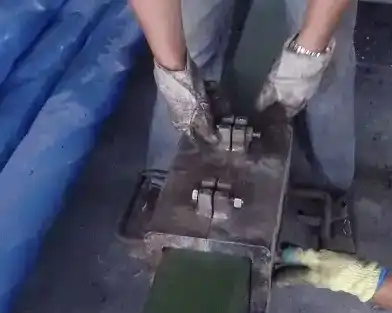
At either end of the square kelly is a male connection that must match the kelly drive bushing above and the kelly spinner or drill pipe below to ensure good contact and dependable torque transfer through the drilling assembly. API standards provide connection requirements that provide a measure of interoperability across equipment from various manufacturers, allowing for a flexible approach to equipment installation and replacement during drilling operations. Common connection types include: threaded connections with multiple pitch requirements; forged connections for robust mechanical interfaces; and specialized quick-connect systems for fast kelly changes without interrupting drilling schedules. The top connection of the square kelly connects with the kelly drive bushing by means of carefully defined bearing surfaces, which may be rotating or stationary parts depending on the configuration of the rotary table. Lower connections usually link to a kelly cock valve and kelly spinner before connecting to the drill pipe and so need standards that can handle rotating interfaces and remain pressure-tight. Custom square kelly connection specs, compatible with your present rotary table and drill pipe equipment, eliminate expensive adjustments and integrate seamlessly with your existing drilling infrastructure.
Evaluating Threaded Connection Integrity and Performance
The square kelly has threaded connections that are subjected to rotating forces, axial loading, and occasional impact loads during regular drilling operations. API requirements establish thread shapes, pitch, and engagement depths to provide sufficient gripping strength, but also allow for reliable assembly and disassembly. Proper manufacturing methods are key to thread quality. Maximum contact between mating parts is achieved with correct tool engagement and enough thread runout. Periodically examine square kelly’s threaded connections for thread galling, corrosion, or mechanical damage that may affect holding strength. Proper use of thread compounds during assembly will lead to dependable connections and avoid seizing that makes future disassembly more difficult. Manufacturers with strict quality control methods make threaded connections that satisfy API requirements. API-compliant connections have constant thread diameters and surface polish to guarantee consistent performance. The best way to teach rig staff effective connection assembly practices, including torque values and compound application, is via professional training. This promotes maximum connection integrity and service life.
Quick-Connect and Specialized Connection Systems
Modern drilling operations are increasingly using quick-connect kelly systems, which allow fast deployment and retrieval without the need for conventional connection break-out and make-up processes. These customized connection solutions save rig time and human exposure to the mechanical risks of regular kelly connections. The square kelly demands precision design of the interface surfaces and engagement mechanisms to be compatible with quick-connect systems and to assure safe locking at maximum drilling stresses. Rapid deployment systems should have equal holding power as typical threaded connections, but also allow for swift mechanical release at the end of drilling operations. The integration of quick-connect systems with current rotary table equipment may need modifications or the use of specialist adapters, elements that should be considered during purchase planning. Operators should be careful to assess the compatibility of quick-connect kelly systems with existing rig infrastructure and provide appropriate training to staff in the correct processes for making connections.
Square Kelly Length, Upsets, and Connection Configuration
Selecting Appropriate Kelly Length for Drilling Operations
The square kelly length significantly influences drilling operations, typically ranging from 30 to 54 feet, accommodating different drilling rig configurations and specific operational requirements. Shorter kelly lengths simplify handling during connections but require more frequent kelly adjustments as the drill string advances into the wellbore. Longer kelly lengths maximize the distance the driller can advance the well during each kelly stroke, increasing drilling efficiency and reducing the frequency of kelly adjustments necessary to maintain continuous drilling progress. The square kelly length must coordinate with the drilling rig's kelly bushing height, rotary table configuration, and the overall geometry of the derrick and mast structure. Oversized kelly lengths may interfere with drilling equipment or exceed the rig's structural capabilities for safe handling, while undersized kellys restrict drilling efficiency. Professional consultation with your rig manufacturer and drilling equipment supplier ensures that the selected square kelly length optimizes drilling efficiency while maintaining compatibility with equipment constraints and safety considerations.
Understanding Upset Configurations and Their Functionality
Upsets represent thickened sections at the kelly connections, providing structural reinforcement where threaded connections concentrate stress loads. The upset configuration directly influences the kelly's ability to withstand connection loads, with adequate upset dimensions ensuring that stress concentrations don't initiate premature failure. Square kelly designs may incorporate internal or external upsets depending on connection specifications and drilling program requirements. Internal upsets reduce overall kelly diameter while maintaining structural integrity around the connection, potentially simplifying drilling operations in confined wellbore sections. External upsets provide maximum structural reinforcement for demanding drilling programs involving extended hole sections and elevated torque requirements. The square kelly upset dimensions must coordinate with connection specifications, ensuring that connection tools can properly engage and disengage without damaging upset geometry. Manufacturers certified under API standards produce upset configurations meeting precise specifications, ensuring reliable performance and proper equipment compatibility.
Connection Configuration and Operational Flexibility
The arrangement of connections along the square kelly—including the upper kelly drive connection, lower kelly connection, and any intermediate stabilizer or positioning features—directly influences drilling operations and maintenance procedures. Traditional configurations place the primary connections at the kelly ends, with stabilizing or positioning equipment added as needed for specific drilling programs. Alternative configurations may incorporate rotatable connections or specialized fittings that enable rapid kelly adjustments without major drilling operations disruptions. The square kelly connection configuration should facilitate routine maintenance, inspection, and component replacement without requiring extensive drilling equipment modifications. Advanced kelly designs incorporate features that simplify connection assembly, improve alignment during makeup, and enhance safety during traditional breakout procedures. Operators planning extended drilling programs should evaluate whether alternative connection configurations might improve efficiency or reduce operational complexity for their specific drilling scenario.
What Should You Inspect When Selecting a Square Kelly?
Critical Dimensional Verification and Specification Compliance
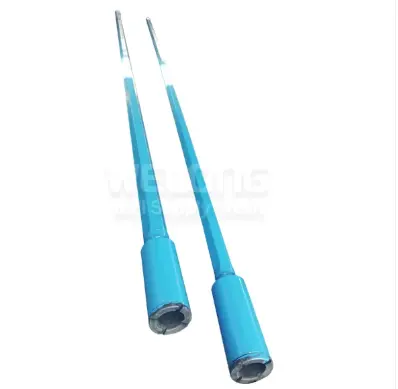
The component is subjected to full dimensional inspection prior to the delivery of a new or refurbished square kelly to make sure it complies with API standards and your drilling equipment specifications. Critical measurements include total Kelly length, bore diameter, drive section dimensions, connection requirements, and upset configurations. If the dimension is beyond the specified range, there is a manufacturing flaw or reconditioning work failed to bring the component back to appropriate standards. The weight of the square kelly is another checkpoint, with large fluctuations in weight indicating loss of interior material or inadequate repair. With the use of precision instruments and calibration standards, the square kelly is professionally measured to fulfill procurement criteria. Reputable vendors such as WELONG give extensive specification paperwork and measurement certificates to show compliance with API standards and client needs. Developing explicit inspection methods and approval criteria before delivery helps avoid the receipt of faulty parts and expensive remedial activity after installation.
Material Quality and Metallurgical Verification
The mechanical qualities of the square kelly are highly dependent on the composition of base material and heat treatment processes used in the production. AISI 4145H alloy steel, heat treated to a Brinell hardness of 285-341, offers the strength and durability required for consistent drilling performance. Material certificates (specifying alloy composition, heat treat methods, and hardness readings) should accompany each item and shall be a statement of conformance with the specifications. The ultrasonic examination across the complete length of the kelly may identify internal material problems such as segregation, voids, or inclusions which might affect the structural integrity during drilling operations. Surface examination shows corrosion damage, mechanical damage, or past repair work that might influence kelly performance. The manufacturers use strict quality control procedures and are certified under the ISO 9001:2015 standards. Detailed material verification is done to ensure that the supplied square kelly components conform to the requirements. Independent labs doing advanced metallurgical testing may check material qualities and ensure an adequate alloy composition of the kelly independent of supplier certificates.
Surface Condition and Mechanical Damage Assessment
The functional performance and the service life of the square kelly are affected by the outside surface condition; corrosion or mechanical damage may lead to early failure. Any rust, pitting, or corrosion shows that the material may have been exposed to damp or chemical conditions which damaged the qualities of the underlying material. Mechanical damage such as dents, gouges, or deformation is an indication of hard handling or past operating occurrences that may have affected structural integrity. Thread damage of connecting portions should be carefully considered, as corroded or damaged threads may not be able to offer sufficient holding strength for safe drilling operation. Proper storage protection and cautious treatment while shipping are important to preserve the surface quality of the square kelly, to retain material qualities, and to prolong the service life. Reconditioned or used square kelly components need a very thorough examination of the surface since the reclamation techniques may not return the component to its original state if the damage is into the underlying material. Operators should also require suppliers to submit images or video of the square kelly condition at delivery so that disputes may be resolved if quality problems arise after installation.
Certification and Documentation Requirements
Each square kelly delivery should be supported by complete paperwork such as mill certifications, material test results, ultrasonic inspection reports, and dimensional verification certificates. These papers contain records helpful for maintenance monitoring and regulatory compliance, and confirm the component meets requirements. The square kelly is API certified, which means it satisfies industrial norms for strength, size, and material qualities. Independent verification of quality and conformance to specifications, giving credibility to paperwork, is provided by third-party inspections by companies such as SGS or DNV. “Knowing where the square kelly has been, where the wells have been drilled, and under what conditions is helpful in assessing the remaining life of components, and in anticipating maintenance needs,” he said. Good documentation systems provide the ability to trace the movement of components, their maintenance history, and their hours of operation so you can make maintenance choices based on facts and manage component life cycles. Operators should set up file systems to save this important documentation for each square kelly for historical review and informed choices on component replacement.
Conclusion
The selection of the correct square kelly is a critical choice that will affect drilling rig efficiency, safety, and long-term operating expenses. Understanding size requirements, connection compatibility, dimensional standards, and thorough inspection processes may help drilling contractors source dependable components that will give consistent performance throughout varied drilling programs. Square kelly equipment is made by qualified providers that adhere to strict quality requirements to guarantee reliable performance in difficult drilling circumstances and fulfill API specifications. Proper component selection, along with regular inspection techniques and competent maintenance practices, optimizes square kelly service life while reducing expensive drilling interruptions and safety hazards.
FAQ
Q: What is the difference between square kelly and hexagonal kelly, and which should I select?
A: Square kelly and hexagonal kelly both transmit rotational torque effectively, with selection primarily depending on your rotary table design compatibility. Square kelly designs dominate modern drilling operations and offer better standardization across equipment. Hexagonal kelly may be appropriate for legacy drilling rigs or specialized applications. Always verify compatibility with your specific rotary table before procurement.
Q: How often should square kelly components be inspected and reconditioned?
A: Square kelly inspection should occur after every drilling program, with comprehensive dimensional verification and surface condition assessment. Professional reconditioning work can extend component service life significantly if damage is minor and remains within base material. Severely damaged or severely worn square kelly components should be replaced rather than reconditioned, as restoration may not reliably restore original properties.
Q: What causes premature square kelly failure, and how can I prevent it?
A: Premature failure typically results from oversizing for application requirements, inadequate maintenance, or improper connection assembly procedures. Prevention requires selecting appropriate kelly size for your drilling program, maintaining proper connection torque values, applying thread compounds correctly, and conducting regular visual inspections. Professional training for rig personnel on proper handling procedures minimizes mechanical damage and extends component service life.
Get Your Reliable Square Kelly Solutions Today
Since 2001, WELONG has delivered high-quality square kelly components and comprehensive drilling equipment solutions to operators worldwide. Our ISO 9001:2015 and API 7-1 certifications guarantee that every square kelly meets the highest industry standards for material quality, precision manufacturing, and dimensional accuracy. Whether you require custom square kelly specifications for specialized drilling programs or seek to upgrade existing equipment, our expert team delivers tailored solutions backed by decades of oilfield experience. Contact us today at [email protected] to discuss your specific equipment requirements and discover how WELONG can enhance your drilling operations with reliable, certified components.
References
1. Rehm, B., McCann, R., Williamson, R., & Schubert, J. (2018). Managed Pressure Drilling. Gulf Publishing Company. Comprehensive coverage of drilling equipment specifications and kelly operations.
2. Bourgoyne, A. T., Millheim, K. K., Chenevert, M. E., & Young, F. S. (2019). Applied Drilling Engineering (2nd ed.). Society of Petroleum Engineers. Fundamental principles of drilling operations and equipment configuration.
3. Lyons, W. C., & Plisga, G. J. (2015). Standard Handbook of Petroleum and Natural Gas Engineering. Butterworth-Heinemann. Technical specifications for kelly equipment and drilling assemblies.
4. Winters, W. J., & Meling, T. (2016). High-Pressure Well Design. Gulf Publishing Company. Advanced drilling equipment applications in extreme conditions.
5. Aadnøy, B. S., Christiansen, R. L., & Eidsvik, J. (2018). Well Engineering and Construction. Gulf Publishing Company. Detailed analysis of drilling components and operational procedures.
6. Azar, J. J., & Samuel, G. R. (2018). Drilling Engineering. PennWell Publishing Company. Drilling operations management and equipment selection criteria for various well types.
Share your inquiry, get the quotation accordingly!

CHINA WELONG - 20+ years manufactuer in oilfield tools