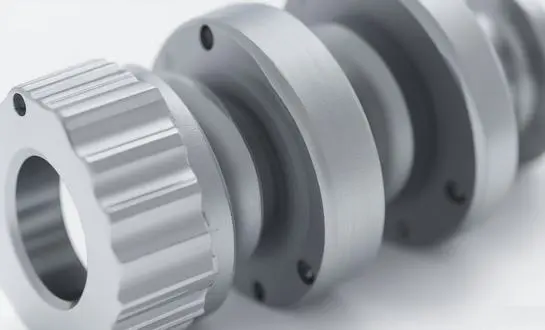
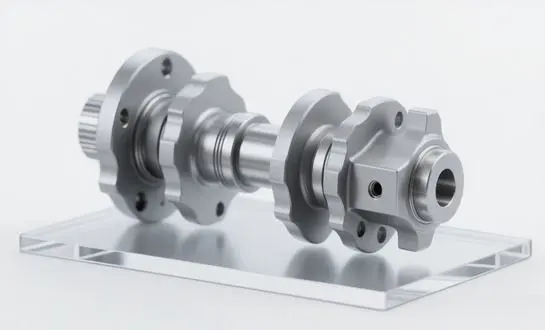
Top Bucking Units for Fast and Accurate Pipe Makeup
Choosing the suitable Bucking Unit for drilling is crucial for proper and fast pipe fitting. These sophisticated tools deliver the proper tension while connecting casing and tubes, protecting the connection and preventing costly pipe damage. Modern units may be entirely automated, semi automatic, or manually operated with strong computer-monitored torque-control systems. Best-in-class pipe makeup equipment provides drilling operators and equipment builders the reliability and speed they need for safe, productive API-compliant hookups and heavy-load field operations.

Understanding Bucking Units: Definition, Types, and Functions
What Is a Bucking Unit and How Does It Work?
A Bucking Unit, also known as a casing bucking machine or a pipe makeup unit, attaches tubular products and applies controlled rotating force to threaded connections. Its counter-torque mechanism stabilizes the pipe body as connections tighten, stressing the threads. Advanced equipment handle pipes of various diameters and materials with non-marking grasping methods. The composition process is monitored in real time by torque monitoring to ensure connection quality and API compliance.
Hydraulic vs. Pneumatic Systems
Heavy-duty casing connections are best with hydraulic systems because they smoothly and precisely provide high torque. They excel in connection integrity. Pneumatic systems are lighter, simpler to maintain, and compatible with compressed air systems. Air-driven systems react fast to controls and prevent hydraulic fluid pollution. For heavy jobs, contractors use hydraulic equipment, whereas pneumatic machines are cheaper.
Manual, Semi-Automatic, and Fully Automatic Models
Manual Bucking Unit systems are appropriate for smaller, portable operations since workers position pipes, engage grips, and apply torque directly. Semi-automatic gripping and torque models balance productivity and investment costs with manual pipe loading. Automated systems load, position, grip, torque, and inspect with minimum user input. In high-volume operations, their computer-controlled methods increase uniformity, decrease manpower, and preserve connection quality.
Comparing Top Bucking Units: Performance and Technology
Torque Capacity and Operational Speed Benchmarks
Bucking Unit performance varies widely by application. High-capacity models exceed 50,000 ft-lbs torque for large-diameter premium connections used in deepwater and extended-reach drilling. Mid-range systems typically handle 15,000–35,000 ft-lbs, covering most standard drilling tasks. Compact units provide precise control between 5,000 and 15,000 ft-lbs for tubing and smaller pipe operations. Automation also affects productivity, with fully automatic systems completing makeup cycles in under one minute compared with several minutes for manual equipment.
Bucking Units vs. Power Tongs and Spinning Systems
Power tongs apply rotational force but lack the counter-torque control that distinguishes a Bucking Unit. While tongs are useful for rig-floor pipe handling, they cannot match the controlled connection environment provided by dedicated makeup equipment. Spinning systems rapidly rotate pipes to hand-tight position but cannot apply final makeup torque. A Bucking Unit combines gripping stability and accurate torque application, making it essential for manufacturing and field operations where connection verification is critical.
How to Choose the Right Bucking Unit: A Decision-Making Framework
Defining Your Operational Requirements
Selecting the correct Bucking Unit starts with understanding operational needs. Equipment must support the largest casing sizes while maintaining precise torque control for smaller tubing. API connection specifications determine minimum torque requirements, and pipe dimensions influence gripping capacity. Identifying connection types, operating conditions, and production demands ensures the selected system consistently meets technical and performance expectations across all applications.
Prioritizing Reliability and Safety Features
Reliable Bucking Unit systems use heavy-duty frames, durable gripping mechanisms, and advanced safety protections. High-strength steel structures withstand repeated high-torque operations, while dependable gripping systems maintain secure pipe handling over thousands of cycles. Modern units include overload protection, programmable torque limits, safety interlocks, and guarding systems. Digital torque monitoring creates detailed makeup records for quality assurance, regulatory compliance, and improved operational reliability during drilling or manufacturing operations.
Matching Equipment to Application Scenarios
Oilfield casing operations typically require higher torque capacity and stronger equipment than gas tubing applications, where portability and cycle speed may matter more. Automated systems suit manufacturing environments needing consistent high-volume process control, while field operations often prefer semi-automatic equipment for flexibility and mobility. The broad range of Bucking Unit configurations allows contractors and manufacturers to match equipment performance closely with operational conditions and project goals.
Procurement Considerations for Seamless Acquisition
Planning lead times prevents tool shortages from delaying projects. Well-known manufacturers supply standard setups in 8–12 weeks. Custom specifications might delay delivery by 16 weeks. Procurement managers must factor in lengthier shipping and customs times when purchasing abroad.Warranty periods vary by brand and pricing. Material and labor problems are covered for 12–24 months in the industry. Read the warranty conditions carefully to see what parts and repairs are covered. Some manufacturers provide extended warranty policies for added protection for a modest fee.They are known for their fast technical support and simple replacement component availability, not only their equipment. Established manufacturers maintain service networks with trained techs who can quickly fix issues. How long equipment is utilized depends on parts availability. Reliable vendors stock essential parts for immediate servicing.
Maintenance and Troubleshooting: Maximizing Bucking Unit Performance
Routine Inspection and Servicing Best Practices
Maintenance avoids Bucking Unit breakdowns and keeps it running smoothly. Daily checks should examine hydraulic fluid levels, leaks, and safety system functionality. Weekly maintenance includes lubrication, hydraulic line inspections, and torque calibration. Gripping systems, cylinders, control units, and structural components are maintained monthly. Keep complete service records to spot wear patterns and ensure equipment dependability.
Common Operational Problems and Solutions
Recalibration or sensor replacement may fix torque values caused by calibration drift or malfunctioning sensors. Worn gripping inserts or low hydraulic pressure cause pipe slippage during makeup. Repair hydraulic leaks quickly to prevent contamination and fluid loss. Modern Bucking Unit systems with sophisticated gripping technology increase mechanical stability and holding performance, reducing operating difficulties.
Safety Protocols During Operation and Maintenance
Operator training on equipment usage, emergency measures, and shutdown is necessary for Bucking Unit safety. Guarded work locations and safety interlocks limit machinery dangers. Lockout-tagout isolates hydraulic and electrical power sources to avoid inadvertent starting during service. Personal protective equipment including safety glasses, steel-toed boots, and hearing protection keeps workplaces safe and orderly.
Purchasing Bucking Units: Where and How to Buy
Trusted Global Suppliers and Manufacturers
Leading suppliers like WELONG provide Bucking Unit systems for global drilling operations. Their equipment supports different automation levels and torque capacities while meeting API standards. Certifications such as ISO 9001:2015 and API 7-1 demonstrate commitment to quality management and manufacturing reliability valued by procurement teams.
New vs. Used Equipment Considerations
New Bucking Unit equipment offers the latest technology, full warranty coverage, and verified operating history. Used equipment can reduce acquisition costs by 40–60% when properly maintained. Refurbished units provide a balance between affordability and reliability by replacing worn components and updating systems. Buyers should review maintenance records and conduct technical inspections before purchasing used or refurbished equipment.
Custom Manufacturing for Specialized Requirements
Some drilling operations require custom Bucking Unit solutions for non-standard pipe sizes, unique connections, or harsh operating environments. Custom manufacturing allows precise matching of torque capacity, gripping systems, and automation features to project requirements. Specialized equipment often requires longer production schedules, typically 16–24 weeks, depending on design complexity and testing requirements.
Ordering Process, Lead Times, and Logistics
Efficient Bucking Unit procurement begins with clear technical specifications covering pipe sizes, torque requirements, environmental conditions, and integration needs. Standard hydraulic units usually ship within 10–12 weeks, while fully automatic systems may require 14–16 weeks. Suppliers offering multiple shipping methods and flexible trade terms improve procurement flexibility. Independent inspection services such as SGS or DNV provide additional quality verification before shipment.
Conclusion
Buying the right sewing tools is a long-term investment that will affect how well operations run, the quality of connections, and worker safety for years to come. Modern pipe makeup tools can precisely control the pressure, record the process, and automate tasks that can't be done by hand. Today's market has options for a wide range of needs, from those who want the most torque for tough drilling jobs to those who want tools that can handle a number of different types of connections. When choosing equipment, it's important to weigh technical specs against the total cost of ownership, which includes not only the purchase price but also the cost of repairs, how well the equipment works, and how well the provider can help. If your goals are different, both well-known manufacturers and new providers like WELONG can offer you great deals. Procurement teams set their companies up for success by carefully analyzing business needs, comparing available options, and forming partnerships with dependable suppliers.
FAQ
1. What maintenance schedule works best for hydraulic threading equipment?
Every day, checks are made to make sure fluid levels are correct and to look for obvious problems. Once a week, service includes lubrication and checking the power. Every month, thorough checks look at important parts in great depth. The best performance is guaranteed if you follow the manufacturer's instructions for your model. Fluid analysis every 500 hours is especially helpful for hydraulic systems because it finds pollution before it damages precision parts. When units are well taken care of, they usually last between 15 and 20 years of useful work.
2. Can pneumatic units handle large-diameter pipe connections?
When it's the right size, pneumatic threading equipment can handle high torque needs; high-capacity models can give over 35,000 ft-lbs. They do a good job with most standard case sizes up to 13-3/8 inches. Extremely big cases with diameters greater than 16 inches often need hydraulic systems with higher torque capacities. Check the equipment's specs against the energy needs instead of making assumptions based on the power source alone.
3. What safety advantages do automated systems provide?
Automated threading machines get rid of the need to handle pipes by hand during repair operations, which greatly reduces the risk of harm. Computer-controlled torque application stops over-torque scenarios that could destroy links completely. Integrated protection and safety interlocks keep operators from getting to dangerous areas while the machine is running. This makes accidents much less likely than when they do things by hand.
Partner With WELONG for Reliable Bucking Unit Solutions
WELONG makes threading equipment for drilling companies and equipment makers that is both very good value and has a track record of working well. Our pipe makeup machines have a design that is API-compliant and can work with a variety of connection types. They also have gripping mechanisms that never stick and exact torque control that is watched by a computer. Our nationally patented systems offer the high torque capacity, long service life, and operating stability your operations need. They can be set up manually, partially automatically, or fully automatically.
As a well-known company that has been making high torque bucking unit for a long time and has ISO 9001:2015 and API 7-1 certifications, we make sure that the standard of our products is always high. Our experienced team makes sure that your goods get to your warehouse on time by offering a range of shipping choices and business terms, such as FOB, CIF, DDP, and DDU. When asked, we can set up full inspection services that include third-party proof through SGS and DNV. Email our team at oiltools15@welongpost.com to talk about your threading equipment needs and get a detailed quote that fits your particular purpose.
References
1. American Petroleum Institute. (2020). Specification for Rotary Drill Stem Elements: API Specification 7-1. Washington, DC: API Publishing Services.
2. Johnson, M.R., & Patterson, K.L. (2019). Oilfield Tubular Connection Technology: Design, Performance, and Field Applications. Houston: Gulf Professional Publishing.
3. National Oilwell Varco Engineering Department. (2021). Pipe Handling Equipment Selection and Operation Guide. Houston: NOV Technical Publications.
4. Robertson, S.T. (2018). Drilling Engineering Handbook: Equipment, Operations, and Procedures. Denver: Energy Tribune Press.
5. Weatherford International Technical Services. (2022). Torque and Thread Compound Application in Premium Connections. Houston: Weatherford Technical Documentation.
6. Wilson, D.K., & Zhang, H. (2020). "Automated Pipe Makeup Systems: Performance Analysis and Safety Improvements in Modern Drilling Operations." Journal of Petroleum Technology, 72(4), 34-47.

Share your inquiry, get the quotation accordingly!
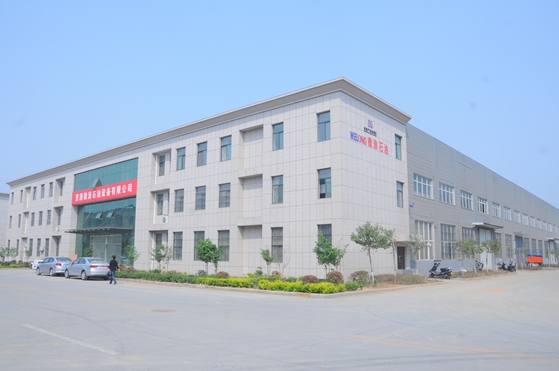
CHINA WELONG - 20+ years manufactuer in oilfield tools