Top Drilling Mud Motors for Directional Drilling
The drilling mud motor is a game-changing technology that turns hydraulic energy into mechanical spinning at the bit. It stands out as a solution for directional drilling for drilling companies and equipment makers. These Positive Displacement Motors (PDMs) allow precise wellbore paths without turning the whole drill string. This makes drilling more efficient, better at controlling torque, and better at managing operating costs. Picking the right tools has a direct effect on project timelines, sticking to budgets, and the success rate of digging in difficult rock types.

Understanding Drilling Mud Motors and Their Role in Directional Drilling
How Drilling Mud Motors Work
High-pressure drilling fluid flows through a progressive hole made between a spiral rotor and an elastomer-lined stator to power a drilling mud motor. When fluid runs through this hole, hydraulic pressure makes the rotor turn, which sends torque straight to the drill bit. This part of the system lets the bit turn without the drill string. This is important for turning during both horizontal and vertical drilling operations.The rotor-stator system is what makes the motor work. The rotor usually has a helical shape that fits the inside structure of the stator. This makes sealed holes that move forward as the fluid pressure rises. Modern designs use hollow rotors that allow for higher flow rates and more horsepower, which meets the needs of deeper wells and harder rocks. Even wall thickness in the stator makes sure even power supply and increases operating life in harsh downhole situations.
Integration with Bottom Hole Assembly
To change the direction of drilling, the drilling mud motor in the Bottom Hole Assembly (BHA) works with either bent subs or flexible kickoff subs. Because the motor is close to the bit, it can respond right away to turning commands, which is very important when working in tight spaces or following complicated well paths. This placement improves the transfer of Weight-on-Bit and lowers mechanical friction along the drill string. This leads to better operations and less wear on equipment on the surface.
Advantages Over Conventional Rotary Methods
The science behind drilling mud motors is very helpful for directional digging. Rotary drilling spins the whole string, but mud motors only spin the bit, so there is less force and drag along the wellbore. This method works especially well for horizontal completions and extended-reach drilling, where friction losses would normally slow down entry rates.Better power transfer at the bit face makes drilling more efficient for the operators. Being able to keep the spin speed the same no matter what the surface is like lets you get better at managing bit life and keeping penetration rates uniform. These motors also make it easier to drill in places where there isn't enough room for a normal rig to be set up. This gives drilling companies more operating freedom whether they are working in cities or offshore.
Top Drilling Mud Motors: Types, Components, and Performance Factors
Positive Displacement Motors versus Turbine Motors
Drilling mud motors of the positive displacement type are the most common used for directional drills because they have better force at lower rotational speeds. PDMs give off the same amount of power even when the flow rate changes. This makes them perfect for controlled turning and group navigation. Even though turbine motors can spin faster, they don't produce as much power and aren't very useful for directional work where fine bit control is important.
Critical Components and Material Selection
Drilling Mud Motor reliability depends on component quality and material performance in harsh downhole environments. Advanced stator elastomers withstand temperatures from 120°C to 150°C while maintaining power output and resisting wear. Hollow rotor designs improve hydraulic flow without increasing tool size. Oil-sealed transmission systems protect bearings in contaminated conditions, reducing maintenance and downtime. Power section length and lobe configuration determine motor torque and speed characteristics, allowing engineers to match performance to formation conditions and drilling objectives.
Performance Evaluation Criteria
Drilling Mud Motor selection requires evaluating torque, rotational speed, temperature ratings, pressure drop, and MWD compatibility. High-torque motors handle hard formations, while speed ratings influence penetration rates and bit performance. Temperature capability is critical in deep or geothermal wells exceeding 150°C. Pressure drop affects hydraulic efficiency, and MWD integration enables real-time trajectory monitoring and directional adjustments.
Comparing Drilling Mud Motors: Making the Right Choice
High Torque versus Standard Torque Motors
High-torque Drilling Mud Motor designs use longer power sections and specialized lobe configurations to maximize rotational force. These motors perform well in hard rock, extended-reach wells, and high-load drilling conditions. Standard torque motors provide balanced speed and power for moderate formations and tighter well profiles. Proper motor selection directly affects drilling efficiency, penetration rate, and bit life.
Manufacturer Considerations and Market Landscape
The Drilling Mud Motor market includes established manufacturers with extensive engineering experience and newer suppliers offering competitive pricing. Procurement teams should review manufacturing capabilities, field performance, and certifications such as ISO 9001:2015 and API 7-1. Warranty coverage, technical support, spare part availability, and reliable delivery networks are equally important for reducing operational risk and minimizing drilling delays.
Pricing Analysis and Total Cost Considerations
Drilling Mud Motor pricing varies according to design, materials, and operating performance. Procurement decisions should focus on total ownership cost rather than purchase price alone. Motors with longer service life and reduced maintenance often deliver lower hourly operating costs. Durable elastomers and reliable components reduce downtime, repair expenses, and replacement frequency, improving overall project economics.
Maintenance, Troubleshooting, and Best Practices for Drilling Mud Motors
Routine Maintenance Protocols
Routine Drilling Mud Motor maintenance improves service life and operational reliability. Pre-run inspections should evaluate rotor-stator clearance, bearing condition, and seal integrity. Post-run inspections help identify wear trends and operating problems. Scheduled lubrication and regular fluid analysis in oil-sealed systems prevent bearing failures, reduce equipment replacement, and lower maintenance-related downtime.
Common Operational Issues and Solutions
Drilling Mud Motor stalling often results from insufficient flow, excessive Weight-on-Bit, or formation changes. Operators can reduce stalling by lowering Weight-on-Bit and matching flow conditions to motor requirements. Excessive vibration may indicate bearing damage, rotor imbalance, or BHA instability. Monitoring vibration through MWD tools allows early detection before severe equipment damage occurs.
Motor Selection for Geological Conditions
Drilling Mud Motor specifications should match formation characteristics. Abrasive formations require wear-resistant elastomers, while high-temperature wells demand motors rated above 120°C. Deep wells with high pressure need advanced sealing systems to protect bearings from fluid contamination. Compatibility with MWD and LWD systems ensures stable drilling performance and accurate downhole monitoring.
Procurement Guide: How to Buy the Right Drilling Mud Motor
Defining Technical Specifications
For drilling mud motor procurement to go well, there must be clear technical standards that come from well planning and geological research. The outer diameter limits should be listed in the specifications based on the size of the wellbore. Common wellbore sizes range from 1 7/8 inches for slim-hole uses to 9 5/8 inches for large-diameter wells. Adjustable Bent Housing (ABH) angle needs are usually between 0 and 3 degrees, but different ranges may be needed for different direction goals.Temperature ratings must be higher than what is supposed to be downhole, with enough room for error. Most standard drilling jobs can be done with motors that can handle temperatures between 120°C and 150°C. However, geothermal or ultra-deep wells may need special high-temperature designs. Making temperature requirements clear keeps equipment from breaking down and makes sure that supplier offers meet working needs.
Supplier Evaluation Criteria
When looking for trusted drilling mud motor suppliers, you need to look at more than just the product specs. In-house machining, elastomer casting, and assembly processes are examples of manufacturing skills that show vertical integration, which can help with quality control and delivery stability. Suppliers with full testing facilities show that they are serious about making sure their products are safe before they are put into use.Quality badges show that a method is being followed correctly and that standards are being met. Getting ISO 9001:2015 approval means that quality management systems have been put in place for creation, production, and service delivery. API 7-1 certification directly meets the manufacturing needs of rotary drilling tools, providing extra security for use in the oilfield. Field help skills, such as having technical experts on-site, also set excellent providers apart.
Logistics and Delivery Management
Shipping methods, wait times, and delivery terms need to be carefully thought out in global supply lines for any drilling mud motor order. Suppliers who offer more than one way to move goods—by sea, air, or rail—give you choices to balance cost and time. Knowing the Incoterms (FOB, CIF, DDP, and DDU) makes it easier to see who is responsible for shipping costs, insurance, and getting goods through customs.Third-party testing services add extra steps of verification for purchases that care about quality. Agreements with SGS, DNV, or similar groups give third-party proof that equipment meets requirements before it is shipped. Coordination of delivery times makes sure that equipment is available at the right time for digging. Supply chain problems can throw off project schedules, but buffer times allow for possible delays.
Budget Optimization and ROI Analysis
Cost-effective drilling mud motor procurement weighs the original input against the value delivered over time. While making a budget, cheaper equipment might look appealing, but when it doesn't work right or breaks down early, it adds to the total cost by wasting time digging, needing more repairs, and lowering the quality of the well.To figure out the return on investment, you need to guess how long the service will last under the planned working conditions. Different options with 100-hour service lives cost more per hour than ones with 150- to 200-hour service lives. When you take into account maintenance times, the availability of extra parts, and the chance of failure, you can make complete cost models that help you make smart choices. Large volume purchases may also justify negotiating better prices or making framework deals.
Conclusion
To choose the right directional drilling tools, you have to weigh technical performance, provider reliability, and total cost. Complex well paths that make the most of reservoir contact and operating efficiency are made possible by directional drilling mud motor that turn hydraulic energy into precise bit spinning. Learning about rotor-stator mechanics, choosing the right elastomer, and bearing systems helps you make choices about what tools to buy that match the needs of the project and the challenges of the formation. Comprehensive maintenance, strategic fixing, and choosing the right motor for the geographic conditions all help to increase service life and reduce downtime. When drilling companies work with qualified makers that offer proven logistics, quality assurance, and quick technical support, they set themselves up for long-term operating success.
Frequently Asked Questions
1. What factors should guide drilling mud motor selection?
The choice of drilling mud motor relies on the shape of the wellbore, the properties of the rock, the temperature, and the direction goals. The outer width must fit within the measurements of the casing or open hole while still delivering enough power. The hardness of the formation decides whether standard or high-torque setups work best. The temperature ratings should be higher than what is expected to be downhole, and the ABH angle standards must match the changes that are planned for the trajectory.
2. How often do mud motors require maintenance?
Service times rely on how the drilling mud motor is used and how it was built. The bearings and rubber usually last between 150 and 200 hours before they need to be replaced or inspected. Intervals may be shortened by harsh surroundings, rough rock forms, or high temperatures. Performing regular checks after every trip and keeping thorough records of performance helps find patterns of wear and improves the scheduling of maintenance.
3. Can mud motors integrate with MWD systems?
Modern drilling mud motor designs can work with both measuring and logging tools while drilling because they have BHA setups that are compatible. Telemetry systems that use electromagnetic or mud pulse technology work well with motors that are the right size and type. Specifications for purchases should clearly state MWD compatibility to make sure that everything works together smoothly and that you can control the direction of a vehicle in real time.
WELONG Drilling Mud Motor Solutions: Your Partner for Directional Drilling Success
Through WELONG's integrated approach to oilfield equipment buying, drilling contractors and equipment makers looking for a trusted drilling mud motor provider will find a full range of options. Our Positive Displacement Motors have hollow rotor designs that increase flow rate and horsepower output. This lets them handle the toughest directional drilling jobs in a wide range of natural conditions. Our range of products can handle small directional wells up to 150°C in deep, high-temperature formations. The outer sizes range from 1 7/8 inches to 9 5/8 inches, and the bent housing angles can be changed from 0 degrees to 3 degrees. Our factories follow strict quality control procedures that are backed by ISO 9001:2015 and API 7-1 certifications. This makes sure that every motor meets high standards for performance and dependability. Stators with uniform wall thickness give regular power output, and transmission shafts that are sealed in oil increase the single-trip working time. This cuts down on downtime and lowers your total cost of ownership. We finish production on time and offer flexible logistics, such as delivery by sea, air, or train under FOB, CIF, DDP, or DDU terms. You can email our team at oiltools15@welongpost.com to get technical details, low prices, and unique solutions that fit your directional drilling goals.
References
1. Dyck, R. and Holster, J. (2018). Positive Displacement Motor Handbook for Drilling Engineers. Petroleum Engineering Publications, Houston, Texas.
2. Mitchell, R.F. and Miska, S.Z. (2017). Fundamentals of Drilling Engineering, 2nd Edition. Society of Petroleum Engineers, Richardson, Texas.
3. Samuel, R. (2016). Downhole Drilling Tools: Theory and Practice for Engineers and Students. Gulf Professional Publishing, Oxford, United Kingdom.
4. Winters, W.J. and Warren, T.M. (2019). "Mud Motor Performance Optimization in Directional Drilling Applications." Journal of Petroleum Technology, Vol. 71, No. 4, pp. 45-52.
5. API Recommended Practice 7G (2020). Recommended Practice for Drill Stem Design and Operating Limits. American Petroleum Institute, Washington, D.C.
6. Baldino, S., Miska, S.Z., and Ozbayoglu, E. (2021). "Advanced Elastomer Materials for High-Temperature Downhole Applications." SPE Drilling & Completion, Vol. 36, No. 2, pp. 312-325.

Share your inquiry, get the quotation accordingly!
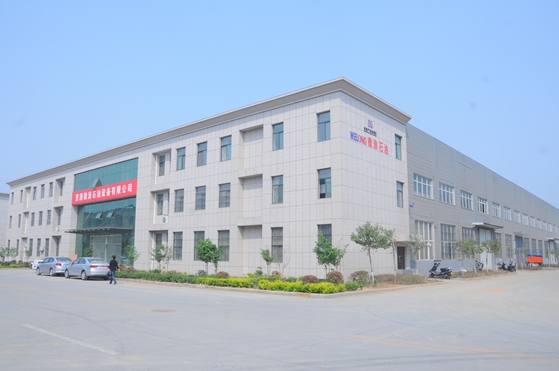
CHINA WELONG - 20+ years manufactuer in oilfield tools