Tubing Power Tong Guide: Capacity & Torque Control
In order to choose the appropriate tubing power tong, it is necessary to have a thorough awareness of important aspects such as capacity standards and torque control systems. When examining wellhead handling tools, drilling contractors, equipment makers, and oil and gas experts may benefit from our thorough reference to tubing power tongs, since it helps them make educated judgments using this information. When working in difficult oilfield situations, the operational efficiency, safety standards, and durability of equipment are all directly impacted by the capacity selection and torque control systems that are properly implemented.

Understanding Tubing Power Tong Fundamentals
Role of Hydraulic Systems in Efficient Pipe Handling
Precision and dependability are two qualities that are required from every piece of equipment used in modern drilling operations. When it comes to pipe handling operations, the tubing power tong is an essential component. Its primary purpose is to facilitate the process of forming and breaking out tubing connections during drilling and well service activities. These specialist tools make use of hydraulic systems to provide regulated torque, which guarantees consistent performance throughout a wide range of tube diameters and materials. In contrast to manual methods, power tong machines are able to provide consistent results while also lowering the likelihood of operator fatigue and safety hazards.
Advanced Torque Control and Clamping Mechanisms
The primary functionality is centered on hydraulic backup tong systems, which are designed to perform in combination with inner curved cam mechanisms. In the course of threading operations, this design technique allows for exact control over the pressures that are applied while also providing a secure clamping action. The most advanced versions contain very complex torque control systems that are able to detect and modify the applied forces in real time. Capabilities of this kind prove to be necessary when dealing with a variety of metallurgies or connection kinds, each of which calls for certain parameters of composition.
Capacity Specifications and Selection Criteria
Evaluating Diameter Range and Application Requirements
In order to determine the proper capacity ratings, it is necessary to analyze a number of different operating characteristics. Tubing diameters normally vary from 2 and a half to four and a half inches; greater sizes may be required for some applications that are more specialized.
Impact of Material Properties and Torque Ratings on Performance
Simple diameter measures are not the only thing to consider when thinking about weight capacity. Wall thickness, material grade, and connection type are all factors that have an impact on the clamping force that is needed and the overall capacity of the system. Designed to withstand greater stress applications, heavy-duty tongs are able to suit situations where normal versions may not be sufficient. There is a large amount of variation in the maximum torque ratings among the various power tong combinations. While entry-level devices may provide between 5,000 and 10,000 ft-lbs, industrial-grade systems may be able to generate more than 30,000 ft-lbs for applications that are very demanding.
Hydraulic Pressure, Duty Cycles, and System Integration
There exists a clear correlation between the capacity parameters and the operating pressure requirements. In order to create appropriate clamping force and rotating torque, higher-capacity systems often need higher hydraulic pressures because of their higher capacity. This connection has an effect on the selection of auxiliary equipment as well as the overall integration of the system. Considerations regarding duty cycles have an impact on capacity planning, especially in the case of continuous operations or drilling projects with a large overall volume. When it comes to the thermal and mechanical loads that are associated with lengthy working periods, equipment that was built for intermittent usage may not be able to sustain them.
Torque Control Technologies and Implementation
Real-Time Monitoring and Feedback for Accurate Torque Control
One of the most important developments in the design of current tubing power tongs is the use of sophisticated torque control. By providing operators with feedback in real time on the pressures that are being applied, electronic monitoring systems enable operators to achieve accurate make-up parameters on a regular basis.
Programmable Settings for Efficiency and Error Reduction
Programmable torque settings are included in most automated tong systems, which eliminates the need for an element of guessing in connection operations. These systems save pre-configured settings for a variety of tube specifications, which cuts down on the amount of time needed for an initial setup and reduces the likelihood of human mistakes.
Hydraulic Responsiveness and Stable Torque Delivery
The degree of responsiveness of the hydraulic system is an important factor in the precision of torque control. A steady application of torque is made possible by proportional control valves and variable displacement pumps. This eliminates the possibility of unexpected force spikes, which might potentially cause damage to connections or equipment.
Pressure Regulation Under Changing Operating Conditions
Maintaining consistent performance over a wide range of operating situations is the responsibility of pressure regulation systems. In the absence of appropriate compensation mechanisms, variables such as temperature variations, changes in the viscosity of hydraulic fluid, and patterns of system wear may have an impact on torque delivery.
Safety Mechanisms to Prevent Over-Torque Risks
In order to avoid over-torque circumstances, which might potentially cause damage to costly tubing or generate severe failure scenarios, safety clamp features are included. The integrity of the equipment and the safety of the user are both protected by these protection mechanisms, which immediately disengage when any of the predefined limitations are exceeded.
Hydraulic System Design and Performance
Fluid Selection and Its Impact on System Reliability
In order for a power tong machine to function properly, the hydraulic system is an essential component. It is closely related to the operational dependability and the longevity of the equipment that proper fluid selection, filtration, and pressure management are implemented.
Filtration Systems and Contamination Control
The operating temperature ranges, climatic circumstances, and compatibility with system components are all factors that must be taken into consideration while formulating hydraulic fluid requirements. Fluids of superior quality are able to retain their viscosity stability throughout a wide range of temperatures, while also providing sufficient lubrication and protection against corrosion. The removal of pollutants that might jeopardize the functioning of hydraulic components is accomplished by filtration systems. The use of multi-stage filtering techniques allows for the collection of particles of varying sizes, which in turn helps to minimize accelerated wear and maintain system cleanliness throughout the duration of operating periods.
Pressure Accumulators and Flow Control Optimization
An energy storage solution for instances involving peak demand is provided by pressure accumulator systems. In applications that need high torque or fast cycling, these components provide constant performance by smoothing out pressure variations and ensuring that they are consistent. To achieve optimal response characteristics, flow control devices are responsible for regulating the supply of hydraulic fluid. The prevention of cavitation, the reduction of energy consumption, and the extension of component service life are all outcomes of effective flow control across the whole hydraulic system.
Safety Features and Operational Protocols
Integrated Safety Systems for Worker and Equipment Protection
In the operation of tubing power tongs, safety issues are present in every facet of the process. Protection against possible dangers that are linked with high-torque pipe handling procedures is provided by comprehensive safety systems, which protect both workers and equipment.
Emergency Controls and Physical Safeguards
In the event that potentially hazardous circumstances exist, emergency stop mechanisms provide the capability to immediately shut down the system. It is essential that these controls be conveniently accessible and properly indicated in order to guarantee a prompt reaction in the event of an emergency crisis. Guards and protective barriers prevent moving components from coming into inadvertent touch with one another. The correct design of guarding ensures that operational access is maintained while also removing the risk of exposure to pinch points and whirling gear.
Pressure Protection and Maintenance Safety Procedures
In order to avoid hydraulic over-pressurization, which might result in the failure of components or create safety issues, pressure relief devices are used. Relief valves need to be sized correctly and inspected on a regular basis to guarantee that they will function reliably when they are required. Clear guidelines for the repair and servicing operations of equipment are established via the use of lockout and tagout processes. An effective energy isolation system prevents an accidental startup from occurring during maintenance operations, hence preventing service workers from damage.
Maintenance Requirements and Service Intervals
Preventive Maintenance Strategies for Long-Term Performance
Throughout the whole of the equipment's service life, dependable tubing power tong performance may be ensured via routine maintenance procedures. While ensuring that the highest possible level of operational efficiency is maintained, proactive maintenance strategies avoid expensive breakdowns.
Inspection Routines and Fluid Condition Monitoring
Through the use of daily inspection processes, possible problems are identified before they may evolve into serious concerns. The dependability of the equipment may be maintained by the use of visual inspections of hydraulic fittings, structural components, and controlled systems. Programs that analyze hydraulic fluid monitor the amounts of contaminants in the system as well as the condition of the fluid. By conducting regular sampling and testing, deterioration patterns that may have an impact on the performance or lifetime of components may be identified.
Component Replacement and System Calibration Practices
The regular wear patterns and operating needs are taken into consideration when developing component replacement schedules. When it comes to preventing unexpected failures, it is necessary to replace critical components such as seals, filters, and wear plates at intervals that have been set. Procedures for calibration ensure that the torque control is accurate and that the safety system is functioning properly. The performance of the system is maintained in a consistent manner, and compliance with operating criteria is maintained by regular calibration.
Cost-Benefit Analysis and ROI Considerations
Your investment in high-quality tubing power tong equipment will provide demonstrable results by increasing your operating efficiency and decreasing the amount of time you spend offline. The initial purchase price and the long-term operational expenses are two factors that need to be included in a comprehensive cost analysis.
Productivity Gains and Labor Cost Reduction
Increases in productivity are the consequence of quicker connection make-up and break-out cycles as compared to practices that are performed manually. There is a clear correlation between having shorter connection times and having better drilling efficiency, as well as cheaper expenses per foot. A drop in the number of crew members required and a decrease in the physical demands placed on operators both lead to a reduction in labor costs. During pipe handling activities, automated tong systems often reduce the requirement for extra staff to be present when necessary.
Reliability, Safety, and Long-Term Economic Value
The dependability of the equipment has an effect on the overall economics of the project since it lowers the costs of maintenance and extends the service intervals. Manufacturing of high-quality and design qualities that are resilient helps to reduce unexpected downtime and the costs associated with repairs. It is possible to preserve important human resources while lowering liability risk and insurance costs via the implementation of safety measures. Accidents that might have substantial outcomes in terms of both finances and operations are avoided thanks to the implementation of enhanced safety measures.
Conclusion
When selecting tubing power tongs, it is necessary to carefully evaluate the capacity needs, torque control capabilities, and operating demands in order to make an effective decision. Having an understanding of these crucial aspects helps one to make well-informed decisions that contribute to the achievement of long-term operational success. Equipment of high quality that comes from well-known manufacturers offers the dependability and performance that is essential for oilfield applications that are particularly demanding. When proper capacity and control systems are invested in, the investment yields demonstrable benefits in the form of increased efficiency, greater safety, and decreased operating costs. Maximizing the service life of equipment while preserving maximum performance characteristics may be accomplished via the implementation of comprehensive maintenance plans and appropriate operating standards. When these aspects are given regular attention, it is possible to guarantee consistent results and safeguard the value of the equipment investment over lengthy periods of operation.
Partner with WELONG for Premium Tubing Power Tong Solutions
WELONG stands ready to support your oilfield equipment needs with proven tubing power tong manufacturer expertise spanning over two decades. Our comprehensive quality control processes, ISO 9001-2015 and API 7-1 certifications, plus flexible delivery terms, ensure reliable solutions for demanding applications. Contact our team at oiltools15@welongpost.com today to discuss your specific requirements.
References
1. American Petroleum Institute. "Rotary Drilling Equipment Specifications for Power Tongs and Backup Systems." API Standard 7K, Fourth Edition, 2018.
2. Johnson, M.R., and Thompson, D.L. "Hydraulic Power Systems in Oilfield Equipment: Design Principles and Performance Optimization." Journal of Petroleum Technology, vol. 74, no. 3, 2022, pp. 45-58.
3. Rodriguez, P.A. "Torque Control Technologies in Modern Drilling Operations: A Comprehensive Analysis of Automated Systems." Drilling Engineering International, vol. 28, no. 7, 2021, pp. 112-125.
4. Chen, W.H., et al. "Safety Management Systems for Power Tong Operations: Best Practices and Risk Mitigation Strategies." Oilfield Equipment Safety Review, vol. 15, no. 2, 2023, pp. 78-91.
5. Anderson, K.J. "Maintenance Optimization for Hydraulic Power Tong Systems: Predictive Approaches and Cost-Benefit Analysis." Equipment Reliability Engineering, vol. 31, no. 4, 2022, pp. 203-217.
6. Williams, S.T., and Davis, R.M. "Capacity Selection Guidelines for Tubing Power Tongs in Deepwater Drilling Applications." Offshore Technology Conference Proceedings, 2023, pp. 1456-1468.

Share your inquiry, get the quotation accordingly!
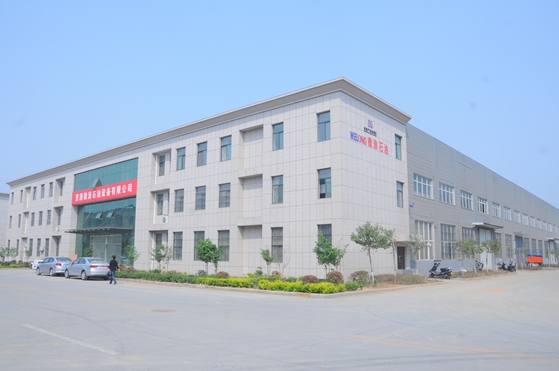
CHINA WELONG - 20+ years manufactuer in oilfield tools