Best Manual Tong for Onsite Maintenance Jobs
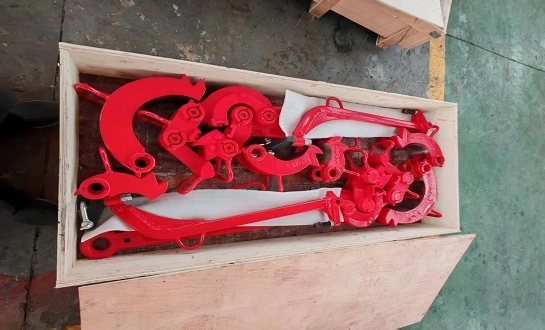
Contractors and makers of drilling equipment always look for tools that work reliably in tough field conditions when choosing the best Manual Tong for on-site repair jobs. Tongs are an important hand tool for making and breaking out links in drill lines, cases, and tubes. The best hand tong is one that is well-made, can be used for a variety of tasks, and has accurate torque control to make sure activities are safe and effective. Tongs of good quality have interchangeable jaw dies, designs with multiple hinges, and constructions that are both light and strong. This lets workers safely handle pipes of different sizes.
Why Manual Tongs Matter for Your Operations?
Operational Control and Precision in Pipe Handling
For drilling workers and oil field service companies, manual tools are an important piece of equipment to buy. These specialized hand tools have a direct effect on how well operations run, how safe they are, and how long projects take to finish. In contrast to automatic systems, human operation gives workers exact control and physical feedback while handling pipes.
Reliability, Downtime Costs, and Long-Term Savings
How reliable your hand tongs are affects how much you spend on repair and how quickly you can make things. It can cost thousands of dollars an hour for processes to be shut down when equipment breaks down on-site. Purchasing managers know that buying good manual handling tools will save them money in the long run and keep workers safe.
Adaptability to Pipe Sizes and Changing Work Conditions
These days, drilling jobs need tools that can change based on the pipe and the working conditions. Because the jaws and latch steps on manual tongs can be adjusted, they can handle pipes of different sizes. Because they can be used in so many ways, they are very useful for workers who work at different well sites and on different projects.
Key Selection Criteria for Manual Tong Equipment
Durability and Construction Quality
Premium manual tongs are made of high-quality steel and have patterns that are interlocked on multiple levels. Precision cutting of plate steel pieces, careful assembly in the best shapes, and holding through circular steel pins are all parts of the production process. This way of building makes tools with multiple hinges that can engage pipe circumferences at more than one place. Quality control methods make sure that the standards for making are always met. Manufacturers with a good reputation use thorough screening methods that include both in-process and end quality checks. Third-party reviews by groups like SGS and DNV are another way to make sure that product standards are met.
Load Capacity and Torque Specifications
Manual tongs need to be able to handle a certain amount of weight while still having enough force to make sure that pipe links are safe. The power capacity is directly related to how well the tool works at making joints stay together. Engineers say how much torque is needed based on the type of pipe and link. Weight affects how tired a person is and how well they can handle things. Lightweight designs that can hold a lot of weight make activities go more smoothly for longer periods of time. When choosing a tool for a different job, the mix between strength and flexibility is important.
Versatility and Adjustability
Effective hand tongs have parts that can be swapped out to fit different pipe sizes. With jaw dies, latch lugs, and latch steps, workers can set up tools to do a variety of tasks. This flexibility cuts down on the need for the collection of tools and makes transportation management easier. The methods for adjusting should work easily and stay in place while they're being used. Damaged or worn-out tuning parts make the tool less useful and put the user at risk. Regular repair plans keep adjustments working and make tools last longer.
Top Manual Tong Solutions for Professional Operations
Type SDD Manual Tong
The Type SDD Manual Tong is great for heavy-duty digging jobs that need a lot of power and longevity. The jaws on this type are stronger, and the grip patterns are better, so it engages pipes better. Advanced metals and heat treatment methods are used in the design to make it last longer in harsh circumstances.
Some important benefits are:
- Better power transfer thanks to improved jaw shape
- Ergonomic handle design that makes operators less tired
- Better safety measures, such as backup locking systems
- Compatible with common jaw die shapes used in the industry
- Corrosion-resistant surface that can handle tough conditions
The SDD type is especially useful for drilling workers who work with big pipes and a lot of force. Its strong construction means it can be used over and over again while still engaging precisely. Maintenance needs are still very low because it's easy to get to parts, and new parts are readily available.
Type DB Manual Tong
The Type DB Manual Tong is very flexible when it comes to dealing with different types of pipes. With its quick-change jaw setups, this type can handle a wide range of pipe sizes. The design is light, which makes it easier on the user while still providing enough power for most normal tasks.
The operational perks include:
- Quick changes to the jaw die cut down on setup time
- Balanced weight distribution makes it easier to handle.
- Precision cutting makes sure that the pipes always fit together.
- Repairs are easier to do with a modular building.
- Standardized parts allow for cost-effective running
Supervisors of drilling like how the DB model can be used in a variety of well sites and pipe sizes. The tool is easy to set up and use, which means it increases output and lowers labor costs. Quality building guarantees steady performance over long periods of time without needing to be serviced.
Type SB Manual Tong
When accuracy and control are important, the Type SB Manual Tong is the best tool for medium-duty jobs. This type has improved jaw designs that protect the pipe surface and make sure a tight grip. The design focuses on smooth operation and giving the user feedback while moving pipes.
Some performance traits are:
- Gentle pipe contact keeps the surface from getting marked.
- Precise torque control keeps things from getting too tight.
- Operating noise is kept to a minimum by smooth operation.
- The small size makes it easier to use in tight areas.
- A reliable jaw holding device keeps parts from getting lost.
The SB model's careful handling features are especially helpful for well repair operations. Protecting expensive casing and tube purchases, the tool gives the right amount of force for hookups. Its smooth operation appeals to skilled workers who like precise tools.
13 3/8-36" Casing Tong
The 13 3/8-36" Casing Tong is used for large-diameter casing tasks that need special tools for handling. This heavy-duty tool can handle large pipe weights and power needs while still letting the person keep control. The wide jaw makes it easy to fit people of all sizes.
Design pros include the following:
- Larger case sizes can be handled by the extended jaw capacity.
- High loads can be handled by a reinforced frame design.
- Designed jaw dies make it easier for the shell to grip
- Better strain ratios require less work from the mechanic.
- High-quality parts made for professionals ensure long service life.
For large-bore operations to go smoothly, teams that attach casings need these specialized tools. Because of its size, the tool removes the need for multiple smaller hands, which makes it easier to move equipment. Its skilled building makes the cost worth it because it works well and lasts a long time.
Global Market Considerations and Regulations
Regional Regulations, Standards, and Environmental Requirements
Different regulatory frameworks affect the international oil and gas industry, which in turn affects the specifications and certification needs for manual tongs. The API 7-1 standards set the minimum requirements for drilling tools. However, local governments may add more safety and efficiency standards. Environmental protection and user safety norms are very important in European markets. The rules for CE marking affect how products are designed and how they are documented. Cost-effectiveness is often a top priority in Asian markets, but quality standards are still met. In the Middle East, activities focus on efficiency in harsh temperatures and resistance to rust.
Cultural Preferences, Supply Chain Factors, and Long-Term Value
Different cultures have different ideas about what kind of tools to use and how to work with suppliers. Some areas, like well-known foreign names, are open to cheaper options that show they are good quality and worth the money. Buying managers can make better choices when they know about these tastes. Delivery times and help access are affected by things in the supply chain. Support is better from global makers with well-established marketing networks than from regional providers. Long-term ownership costs and operating dependability are affected by things like warranty coverage and the availability of parts.
Purchasing Recommendations and Considerations
Evaluating Supplier Reliability, Certifications, and Total Cost Efficiency
Purchasing managers should judge sellers based on how well they deliver, how well they can make things, and any quality standards they have. Getting ISO 9001:2015 approval shows that you care about quality management systems. API certificates show that a product meets the standards of the business. Strategies for controlling costs should look at the total costs of owning instead of just the buying price. Maintenance costs and downtime are cut down when you use high-quality tools. Reliable providers always meet their shipping obligations and offer expert help.
Shipping Terms, Flexibility, and After-Sales Service Impact on Operations
Delivery options affect how projects are scheduled and how merchandise is managed. Suppliers who offer a variety of shipping choices and open terms are helpful for operations. The words FOB, CIF, DDP, and DDU help buyers get the best deal on shipping costs and duties. The standard of after-sales service affects both long-term customer happiness and the speed of operations. The value of tools is affected by things like full guarantee coverage, expert help available, and the dependability of parts supply. Suppliers with well-established service networks offer better customer service than those with fewer locations.
Conclusion
To choose the right hand tongs, you need to carefully look at the supplier's skills, practical needs, and quality standards. It's better for professional drilling businesses to buy high-quality tools that work well and last a long time. WELONG's complete manual tong solutions meet a wide range of business needs and offer unbeatable value and support. Our dedication to high-quality production and customer service means that the tools you buy will help your business run smoothly and safely.
FAQ
1. What factors decide which hand tongs are best for a given job?
The right-hand tongs are chosen based on the pipe size requirements, power requirements, and the work setting. When drilling workers look at their choices, they should think about the largest pipe width, the amount of pressure that needs to be applied, and the working conditions. Weight limits and operator comfort also play a role in choosing.
2. How often should repair checks be done on hand tongs?
When to do regular inspections depends on how often they are used and how the machine is being used. Visual checks once a month find damage and wear trends. Every three months, thorough checks look at the jaw dies, pivot points, and adjustment systems. Every year, overhauls make sure that safety and efficiency standards stay high.
3. What safety rules apply when using tongs by hand?
Operators will know the right way to do things and meet safety standards if they get the right training. Safety glasses, gloves, and steel-toed boots are all examples of personal protective equipment. Accidents don't happen when people on a team can talk to each other clearly. Regular checks of the tools find possible problems before they become serious.
Choose WELONG as Your Trusted Manual Tong Manufacturer
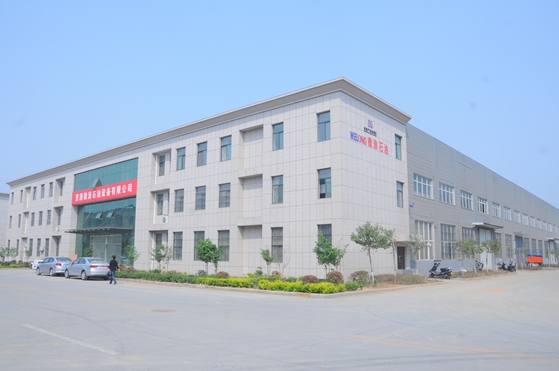
WELONG makes professional-grade manual tongs and has been making them for over 20 years, so you can be sure they are of high quality. Type SDD, DB, SB, and special casing tools made for tough drilling jobs are just a few of the many products we offer. We promise steady quality and dependable performance because we are certified by ISO 9001:2015 and API 7-1. Email our skilled staff at oiltools15@welongpost.com to talk about your manual tong needs and find cost-effective options for your business.
References
1. American Petroleum Institute. "Specification for Rotary Drill Stem Elements." API Specification 7-1, 2019.
2. International Association of Drilling Contractors. "Manual Tong Safety Guidelines for Drilling Operations." IADC Safety Publication, 2020.
3. Society of Petroleum Engineers. "Best Practices for Pipe Handling Equipment in Drilling Operations." SPE Technical Report 185443, 2021.
4. Offshore Technology Conference. "Advances in Manual Drilling Tool Design and Safety." OTC Conference Proceedings, 2022.
5. World Oil Magazine. "Equipment Selection Guide for Drilling Contractors: Manual Tongs and Pipe Handling Tools." Equipment Supplement, 2023.
6. Petroleum Equipment Institute. "Quality Standards for Oilfield Manual Tools and Equipment." PEI Technical Bulletin TB-2023-15, 2023.

Share your inquiry, get the quotation accordingly!
CHINA WELONG - 20+ years manufactuer in oilfield tools