Tubing Power Tong vs Manual Tong Explained
Knowing the differences between Tubing Power Tongs and manual tongs is important for making smart buying decisions when looking at wellhead handling tools for oil and gas activities. A Tubing Power Tong is a wellhead working tool that is made to make and break out tubing connections. They come in different kinds, sizes, and types to meet the needs of different operations. These hydraulic machines use inner curved cams to firmly clamp tubes, providing steady torque with little help from a person. Manual tongs, on the other hand, depend on the physical effort of the person using them, which makes them less reliable and reduces their working capacity. The main difference is between automation and human work. Powered tongs improve speed, accuracy, and safety, while hand options are easier to use but less effective in tough conditions.

Understanding Tubing Power Tongs and Manual Tongs
What Are Tubing Power Tongs?
Tubing Power Tongs are high-tech wellhead handling tools designed to make running tubulars smoothly while oil and gas are being extracted from sources possible. These tough devices work consistently and dependably, even when more power is needed. Applying exact rotational force to tighten or loosen threaded links without having to do it by hand is the main job. These tools have hydraulic backup tongs and inner curved cam mechanisms that clamp tube tightly so it doesn't move around while they're working. Modern versions have torque control systems that let workers set and keep an eye on torque values. This keeps the link strong and reduces the chance of over- or under-torquing it.
The Role of Manual Tongs in Traditional Operations
For decades, simple mechanical tools called manual tongs have been used in the oilfield. To make these tools rotate, people put them around the joints in tubes and use their bodies to apply force through the long handles. The ease of manual tongs means lower initial costs and easy upkeep, but they also come with a lot of problems. It's not always possible to get the greatest torque because it depends on how strong and durable the operators are. This makes things inconsistent between teams and shifts. Also, doing the same thing over and over again by hand makes workers tired, which makes mistakes and accidents more likely to happen at work. As operating scales grow and safety standards get stricter, these limitations make manual tongs less useful.
Key Design Differences
The ideas behind how powered and hand tools are made are very different. Tubing Power Tongs have small housings that hold hydraulic cylinders, control valves, and complex grabbing mechanisms. Pumps pressurize hydraulic fluid, which turns the tong jaws with controlled force. This lets operators handle connections by making simple valve changes. On the other hand, manual tongs have simple mechanical leverage systems with set jaws and locked pins that you have to manually move. Because they don't have power systems, manual tongs are lighter and easier to move around. However, they don't have the torque precision or operating speed that modern drilling companies need. Knowing these differences in design helps procurement teams match the skills of tools to the needs of the field.
Evolution of Tubing Tong Technology: From Manual to Power
Limitations That Drove Innovation
The past use of manual tongs revealed several operational bottlenecks that finally sped up technology progress. An ongoing problem was that operators were getting tired, especially during long processes that needed hundreds of connection rounds per shift. Physical tiredness was directly linked to less accurate torque and more connection breakdowns. Cycle times stayed slow, and multiple workers often had to work together to get acceptable levels of output. Because the torque wasn't always applied evenly, the quality of the links varied, which could lead to leaks or joint problems downhole. As drilling operations moved toward deeper wells, higher pressures, and stricter safety rules, these limits became more and more of a problem. This made it clear that automated options were needed.
The Rise of Hydraulic Power Solutions
The best answer turned out to be hydraulic Tubing Power Tongs, which use pressured fluid mechanics to give consistent, reliable results. When hydraulic systems were used, they reduced the risk of injury to workers by taking away their physical load and making torque control much more accurate. In the beginning, hydraulic tongs only had simple on/off settings. Later improvements included proportional valves, pressure regulators, and computer tracking systems. With these improvements, operators could put in exact torque values based on the type of tubes and link. When they switched from manual to hydraulic power, they changed the way they did things in a big way. They put stability, safety, and efficiency ahead of ease of use and initial cost saves.
Pneumatic and Electric Variants
Pneumatic and electric power tools are used in certain situations, but hydraulic methods are the most common. Pneumatic models use compressed air to power the spinning force. This is helpful in places where hydraulic fluid exposure is a risk or where there is already infrastructure for compressed air. Electric power tongs don't need to handle any fluids at all because they use electric motors and gears to make force. These variations are good for businesses that care about the environment or want to make servicing easier. Each power source has its own pros and cons when it comes to energy capacity, operating conditions, and servicing needs. When procurement workers know about these choices, they can choose power sources that work with their operations and the limitations of their equipment.
Side-by-Side Comparison: Tubing Power Tong vs Manual Tong
Performance and Torque Capabilities
When you compare the performance of powered and human methods, you can see that they are very different. Depending on the model, Tubing Power Tongs can give torques ranging from 5,000 to over 50,000 foot-pounds. They are also very accurate, usually within ±5% of goal values. This level of accuracy makes sure that the link stays strong over thousands of rounds. Manual tongs, on the other hand, can only produce as much torque as the operator can physically handle. The most torque they can produce is usually around 3,000 foot-pounds, but this can vary by more than 15% based on the operator's skill and level of fatigue. Cycle times show similar gaps: powered tongs can make-up or break-out in 30 to 60 seconds, while manual ways need 3 to 5 minutes per link. There is a direct link between these performance standards and rig output and project timelines.
Safety Features and Risk Mitigation
Safety concerns strongly favor powered options because they have built-in safety features. These days' Tubing Power Tongs have features like automatic jaw release systems, emergency stop controls, and operator-remote settings that keep people from getting caught while the tools are in use. Hydraulic backup arms stop the tube from rotating during make-up, which gets rid of the risks that come with spinning without control. There are several risks that come with using manual tongs, including getting repetitive strain injuries, getting pinched between tong parts, and possibly getting kicked back if links suddenly break. Industry data shows that using tongs by hand is linked to more accidents, which pushes safety-conscious buying teams toward automatic options. The decrease in physical labor also helps with the lack of workers, since driven tongs need fewer people to operate.
Maintenance Requirements and Total Cost of Ownership
Maintenance schedules for different types of machines are very different. Regular checks of the hydraulic system are needed for Tubing Power Tongs. These checks should include checking the fluid level, replacing seals, and checking the strength of the hoses. Jaw parts need to be checked for wear on a regular basis, and control systems need to be calibrated to keep the force accurate. Even with these standards, scheduled repair programs keep things from breaking down without warning and, with the right care, make them last longer than 15 years. Maintaining manual tongs is easier—mostly just cleaning the jaws and replacing the handles—but they don't last as long and aren't as productive, which means they have hidden costs. Total cost of ownership studies show that powered tools need a bigger initial investment, but their higher output, lower labor costs, and lower accident rates pay off within two to three years for medium to large-scale businesses.
Real-World Application Scenarios
When each type of tool is most useful is made clear by real-life usage events. Manual tongs can still be used for workovers that don't happen very often, in small wells where interventions aren't common, or in rural areas where moving hydraulic power units is hard to do. Their simplicity makes them good for places that want to keep devices as small as possible and where the number of contacts per day stays below 20. On the other hand, Tubing Power Tongs are necessary for businesses that focus on safety and speed, drill wells deeper than 10,000 feet, and do a lot of digging. Standardizing on powered solutions is helpful for drilling workers who are in charge of multiple rigs because uniform torque application cuts down on connection-related breakdowns and the time that they waste not being productive.
How to Choose the Right Tubing Power Tong for Your Business
Assessing Torque Requirements and Specifications
To choose the right tools, you must first do a full study of the torque requirements based on the sizes, grades, and types of connections in the tubing. For standard connections, API specifications give torque numbers as a starting point, but the real needs depend on things like the type of thread compound, the temperature, and the metal. To make sure there is enough working margin, engineers should figure out the highest torque that is expected to be needed and then define tongs that can handle 20–30% more torque than that. If you don't do this research, you could end up buying underpowered tools that can't make links properly or solutions that are too specific and cost too much. For the best equipment matching, suppliers should be consulted in great detail about specific tube supplies and working situations.
Power Source Selection Criteria
When picking between hydraulic, pneumatic, and electric power sources, you need to think about the availability of infrastructure, the conditions of the surroundings, and your working tastes. For tough cutting settings, hydraulic Tubing Power Tongs are the best choice because they can handle a wide range of torques and work well even in rough conditions. Operations that use current hydraulic power units benefit from easier handling and technology that works with each other. Pneumatic options work well in places where air compression systems are already in use to power other tools, so hydraulic fluid control is not needed. Electric types are better for businesses that care about the environment and want to keep up with repair, but they may need their own generators in rural areas. When choosing a power source, it's important to weigh these factors against the limitations of the place.
Evaluating Manufacturer Reliability and Support
The choice of manufacturer has a big effect on how well technology works and stays operational over time. Well-known names have large service networks that make sure customers can get replacement parts and professional help quickly. When buying teams compare providers, they should look at the warranty coverage terms, which usually last between 12 and 24 months, and make sure they know what parts and failure modes the warranties don't cover. When fixes need to be done right away, having spare parts on hand is very important. Suppliers with regional distribution centers have less downtime than those who need to ship parts across the ocean, which takes longer. The quality of technical support varies a lot. The best makers offer 24-hour hotlines, on-site training programs, and full operating paperwork that makes it easier to fix problems and get the most out of their equipment.
Procurement Models and Cost Structures
By learning about the different buying models out there, you can make purchases that are both cost-effective and in line with your financial goals and working schedules. Outright buy is best for businesses with large funds that need long-term equipment. It has the lowest total cost over long periods of time. If you need to rent something for a job or to test out equipment before buying it, you have more choices. Leasing to own agreements strike a mix between managing monthly cash flow and eventually owning an item. Negotiating to buy a lot of something at once can get you big deals, which can cut the cost of each item by 15 to 25 percent. It's important to be clear about the payment terms—FOB, CIF, DDP, or DDU—because they affect landing costs and shipping duties, so they need to be carefully thought through when negotiating with suppliers.
Enhancing Operational Efficiency with Tubing Power Tongs
Operator Training and Safety Protocols
To get the most out of your equipment, you need to make sure that your operators are fully trained in the right way to use it, as well as safety rules and regular upkeep jobs. Effective training stresses hands-on experience while being supervised. This makes sure that workers understand how the controls work, can spot strange noises or behaviors, and know how to fix problems. Safety rules must include things like inspections before use, lockout-tagout processes during maintenance, and how to handle an accident. teams that are properly trained always have shorter cycle times and better safety records than teams that aren't properly trained. Putting money into detailed training programs cuts down on the misuse of tools, extends its useful life, and makes workplaces safer, which helps to attract and keep skilled workers.
Preventive Maintenance Best Practices
Setting up strict preventive repair schedules has a direct effect on how reliable equipment is and how long operations can go on. Every day before use, the hydraulic fluid level should be checked, lines and fittings should be checked for leaks, and jaw parts should be checked for damage or excessive wear. As part of weekly upkeep, debris must be cleaned from mechanisms, pivot points must be oiled, and the response of the control system must be tested. As part of the monthly reviews, the torque adjustment is checked, the alignment of the backup tongs is checked, and the hydraulic system is thoroughly examined. Using OEM replacement parts guarantees compatibility and performance. On the other hand, aftermarket parts might cause problems early on or cancel warranties. Keeping track of all repair tasks creates useful equipment records that help with choices about replacement and warranty claims when needed.
Advanced Technological Features
Stylish new Tubing Power Tongs have advanced technologies that make them easier to use and allow for planned repair plans. Automated torque control systems change the hydraulic pressure on the fly to reach the desired torque levels, taking into account changes in connection resistance during make-up. Data logging keeps track of torque values, cycle counts, and operational factors for each connection. This creates audit trails that show the quality of connections and help with legal compliance. Remote diagnostic systems send information about the health of equipment to centralized tracking platforms. This lets maintenance teams know about problems that are starting to happen before they happen. With these high-tech features, tongs go from being simple mechanical tools to smart assets that boost productivity, improve quality control, and cut down on unnecessary downtime.
Here are the main benefits that these technological connections bring:
- Torque Accuracy: Automated systems keep applying torque consistently within ±3% of goal values. This gets rid of the inconsistency that comes from human error and makes sure that the link stays strong over thousands of cycles. This accuracy lowers the chance of leaks and increases the life of the tube.
- Operational Transparency: Data logging keeps detailed records of every connection's torque profile, time stamp, and operator name. These records help with quality checks, following the rules, and investigative investigations in case something goes wrong downhole.
- Predictive Maintenance: Trends in hydraulic pressure, cycle counts, and component temperatures are just some of the important factors that can be monitored remotely. Algorithms find patterns of wear and tear and issue repair alerts before problems stop operations.
These technological advances help solve problems that businesses have had for a long time, like keeping track of quality, making operations more efficient, and making sure equipment works well. By using these features, workers get clearly better results than when they use traditional hand methods or older powered tools that don't have these advanced features. Because of this, businesses that value excellence and competitive edge can afford to pay more for technology because it increases output and lowers risk.
Conclusion
Choosing between Tubing Power Tongs and hand options has a big impact on how well oil and gas activities run, how safe they are, and how much they cost in the long run. Even though hand tongs are easy to use and don't cost much to buy at first, their performance issues, safety risks, and hidden costs in terms of output make them less and less useful for modern drilling and workover tasks. Tubing Power Tongs offer significantly better torque stability, operating speed, and worker safety, resulting in strong returns through higher output and lower incident rates. To make a good purchase, you need to carefully consider the strength needs, the best power source, the manufacturer's track record, and the total cost of ownership. This way, you can make sure that the equipment fits your needs and your budget.
Frequently Asked Questions
1. Can Tubing Power Tongs Completely Replace Manual Tongs in All Applications?
Tubing Power Tongs work best in challenging and high-volume settings, but full replacement may be necessary in some situations. Low-volume workovers, places that are very far away and don't have a lot of power outlets, and situations where the tools needs to be as portable as possible may still support keeping the manual tong. Nevertheless, powered options are very helpful for most drilling, finishing, and intervention tasks.
2. Which Power Source Is Best for Tubing Power Tongs?
Hydraulic power systems are the most popular because they can handle more torque, are reliable in harsh situations, and have large repair networks. Pneumatic choices are good for businesses that already have a compressed air system, while electric types are better for businesses that care about the environment. The best choice relies on the infrastructure, operational needs, and upkeep skills of the place. Talking to sellers with a lot of knowledge can help you find power sources that work best for your specific needs.
3. Why Does Torque Specification Compliance Matter?
When you use the right amount of torque, threaded joints will close properly and stay together. Under-torquing links lets them come loose during use, which can lead to leaks or joint separations. Over-torquing lines hurts them, makes connections less useful, and can lead to fails right away. Following the API guidelines and maker suggestions can help avoid expensive downhole fails and the time they waste when they can't be used.
Partner with WELONG for Superior Tubing Power Tong Solutions
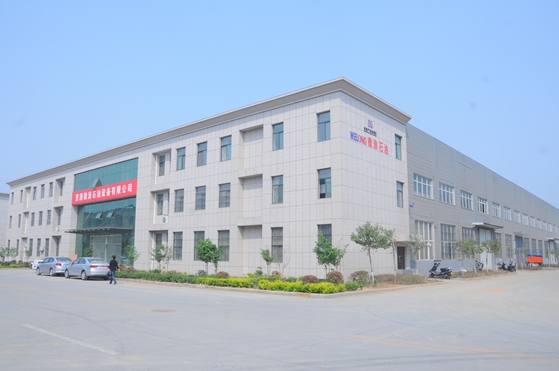
With more than 20 years of experience as a renowned Tubing Power Tong supplier, WELONG makes equipment that combines precise engineering, operating reliability, and full support after the sale. Our hydraulic power tongs have advanced torque control systems, are built to last in harsh field situations, and can be used with a wide range of tubing sizes. As a provider that is approved by both ISO 9001:2015 and API 7-1, we have strict quality control measures in place throughout the whole production process. These include inspections while the products are being made and final checks. We also set up third-party checks through SGS and DNV to make sure there is openness and quality control. Our flexible transportation support includes shipping by sea, air, and train, and we can work with FOB, CIF, DDP, and DDU terms to suit your needs. WELONG is the best company to work with if you want to easily grow your business because they offer competitive bulk prices, guarantee on-time delivery, and quick technical support. Get in touch with us at oiltools15@welongpost.com to talk about how our Tubing Power Tong options can help your business.
References
1. American Petroleum Institute. (2020). API Specification 7-1: Specification for Rotary Drilling and Vibration Equipment. Washington, DC: API Publishing Services.
2. Smith, J. R., & Thompson, M. L. (2019). Drilling Equipment Technology: Evolution and Modern Applications. Houston: Petroleum Engineering Press.
3. National Institute for Occupational Safety and Health. (2018). Ergonomic Hazards in Oil and Gas Well Servicing Operations. Cincinnati: DHHS Publication.
4. Wilson, K. D. (2021). Hydraulic Systems in Oilfield Equipment: Design, Operation, and Maintenance. Denver: Energy Publishing Group.
5. International Association of Drilling Contractors. (2022). Well Construction Safety Standards and Best Practices. Houston: IADC Publications.
6. Anderson, P. T., Garcia, R. S., & Lee, H. W. (2020). "Comparative Analysis of Automated Versus Manual Tubular Handling Systems." Journal of Petroleum Technology, 72(4), 45-58.

Share your inquiry, get the quotation accordingly!
CHINA WELONG - 20+ years manufactuer in oilfield tools