Benefits of High-Performance Drilling Mud Motors
By turning hydraulic energy into mechanical power very efficiently, high-performance Drilling Mud Motors can completely change the way oil and gas operations work. These high-tech positive displacement motors (PDMs) improve the accuracy of directional drilling, speed up penetration rates, and lower running costs by reducing the need for repair and downtime. A Drilling Mud Motor improves wellbore trajectory control and easily adapts to difficult rock forms, making it an essential tool for workers who want to stay ahead of the competition. When procurement teams choose motors with strong stator designs, hollow rotors, and oil-sealed transmission systems, they ensure stable performance that has a direct effect on project revenue and meeting deadlines across a wide range of drilling applications.

Understanding Drilling Mud Motors: Basics and Working Principles
What Is a Drilling Mud Motor?
A Drilling Mud Motor is a special kind of downhole tool called a positive displacement motor that works with hydraulic pressure. The drill stem is how high-pressure drilling fluid gets into the motor. It engages the rotor, which is held in a flexible stator. This contact creates rotational motion that is directly passed to the drill bit. This lets the cutting action continue without turning the whole drill string. The technology is especially useful for directional and horizontal drilling, where the success of the project depends on where the wellbore is placed exactly.
Core Components of Mud Motor Systems
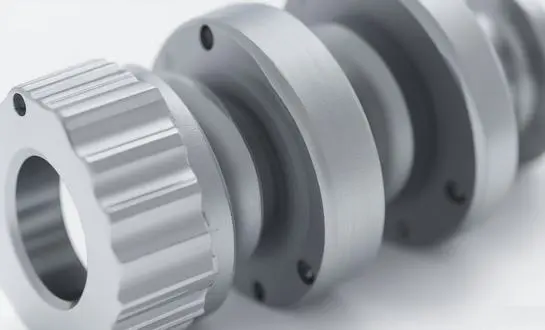
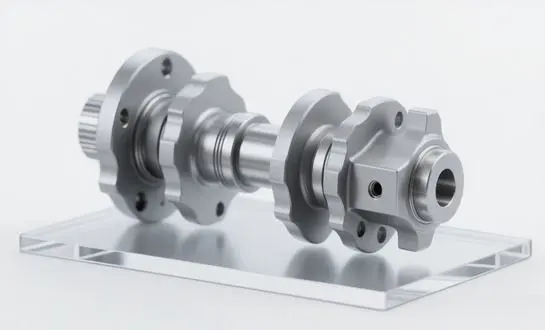
Knowing how these Drilling Mud Motors are put together helps people who buy things judge their quality and performance potential. The stator has a spiral cylinder lined with an elastomeric material that can withstand high temperatures and still stay intact in harsh conditions downhole. As the rotor spins inside the stator, it seals off spaces inside the stator with its spiral shape, which is usually made of strengthened steel. The transmission shaft sends force from the rotor to the bit, and bearing units take in radial and axial loads while keeping the alignment. WELONG's designs include stators with regular wall thickness that provide consistent power output, hollow rotors that boost flow rates and horsepower, and oil-sealed transmission shafts that greatly increase the length of a single trip's useful life.
How Hydraulic Energy Becomes Mechanical Power
Differential pressure and volumetric movement are at the heart of the process. As drilling fluid moves through the Drilling Mud Motor, pressure pushes the rotor into the stator hole, making it wobble. This motion is turned into spinning through the transmission assembly. The efficiency of the motor depends on how many lobes are on the rotor and stator. Motors with higher lobe ratios produce more power at slower speeds, while motors with lower ratios prefer faster rotational speeds. This basic mechanism lets operators choose motor designs that best fit the needs of the formation and the drilling goals, whether they are drilling in deep pools that need a lot of power or in shallower uses that need faster penetration rates.
Core Benefits of High-Performance Drilling Mud Motors for Drilling Efficiency
Enhanced Directional Drilling Precision
Better Drilling Mud Motors let you place the wellbore exactly where you want it by having quick turning and consistent power delivery. When these motors are used with bent housings that can be adjusted, drillers can change the direction angles from 0 to 3 degrees. This lets them make complex well paths that reach the best reserve zones. The accuracy directly leads to less digging in areas that aren't producing and higher rates of gas recovery. This accuracy is especially helpful for contractors who work in areas with a lot of people because it reduces the damage to the surface while increasing the depth of the hole.
Accelerated Penetration Rates and Reduced Cycle Times
Modern motor designs have faster rotational speeds and more power, which makes it easier to cut through rock forms faster than before. Here are the main benefits of better performance that speed up drilling operations:
- Increased Horsepower Delivery: Hollow rotor designs allow more fluid to flow, which means that more hydraulic horsepower reaches the bit face. This extra energy breaks rock more quickly and easily, especially in hard formations where regular rotational drilling has trouble.
- Optimized Torque-to-Weight Ratios: Modern motors produce a lot of power without making tools too heavy. This makes lifting systems less heavy and allows placement in operations that care about weight. The balanced design keeps bearings from breaking down too soon and increases their useful life.
- Reduced Tripping Requirements: Oil-sealed transmission gears and long-lasting elastomers make it possible to go longer between replacing motors. Less time spent going to the surface means more time spent drilling useful footage, which directly raises the average daily footage and improves the project's economy.
These performance traits cut down on the time needed to hit the goal level, which lowers the cost of renting a rig and speeds up the time it takes for operators to make money. When workers switched from their old tools to high-performance Drilling Mud Motor systems, they were able to cut the time it took to finish a well by 15 to 25 percent.
Superior Durability Minimizing Maintenance Demands
Strong structure and high-quality materials make the service life longer than the average in the business. Temperature-resistant elastomers keep their flexibility and ability to seal in temperatures between 120°C and 150°C, which keeps the stator from failing too soon. Abrasive wear from drilling fluid contaminants can't damage precision-machined blades, and advanced bearing systems can handle the axial and rotational loads that come up during tough drilling conditions. WELONG's production methods use strict quality control protocols that are certified under ISO 9001:2015 and API 7-1 standards. These protocols make sure that every unit meets strict performance requirements before it is shipped.
Versatility Across Drilling Applications
Positive displacement motors can be used for specific, vertical, directional, and horizontal tasks because they are flexible. Contractors use these tools to drill the first wellbore, sidetrack from existing wells, do coring operations that need precise rotation control, and reaming operations that make the width of the shaft bigger. Outer widths that run from 1 7/8" to 9 5/8" can be used for a variety of hole sizes and drilling programs. This flexibility means that contractors don't have to keep as many specialized tools on hand, which makes organizing and planning for capital expenditures easier.
Performance Optimization Factors for Drilling Mud Motors
Critical Performance Metrics: Torque, RPM, and Flow Rate
Figuring out how these variables affect each other lets you choose the best Drilling Mud Motor and plan your operations perfectly. The motor's torque capacity tells you how long it can keep turning when it's under load, especially when it hits hard or rough surfaces. Rotational speed changes bit performance and entry rate. Different bit designs work best in certain RPM ranges. Flow rate affects both the amount of hydraulic horsepower and how well the hole is cleaned, since the right flow rate moves the shavings away from the bit face. So that the chosen motor can do its job without going over the pressure or flow limits of current rig equipment, procurement teams should ask suppliers for performance curves that show how these parameters change over the expected working conditions.
Managing Pressure Loss and Efficiency
As the pressure drops across the Drilling Mud Motor, energy is turned into mechanical work. Too many losses, on the other hand, mean that the motor is not working properly or is not being used efficiently. Through smooth fluid routes and precision-machined parts, high-quality motors keep parasitic pressure losses to a minimum. The difference in pressure between the motor's inlet and exit should match what the maker says it should be. Deviations suggest that the stator is wearing out, the rotor is damaged, or the bearings have failed. Monitoring changes in pressure during activities lets you know early on when something is breaking down, so you can do preventative maintenance before a major failure happens. We suggest setting up standard pressure profiles during the first motor launch and comparing them to later readings to find small changes in performance that might not be noticed until the motor fails completely.
Preventative Maintenance Strategies
To make Drilling Mud Motors last longer, they need to be inspected and maintained in a way that is specific to how they are used. Before the launch, the rotor and stator should be checked for clearances, the state of the bearings, and the integrity of the seals. After a run, a breakdown analysis finds wear patterns that show what changes need to be made to the working parameters or bit selection to make the next run better. Elastomer inspection shows that it has been exposed to high temperatures or drilling fluids that don't work well with it, which speeds up the breakdown process. Bearing research finds problems with lubrication or contamination that need better filtering systems. Contractors who get motor life of 150 to 200 hours usually use thorough maintenance plans that take care of these issues in a planned way instead of just fixing problems as they happen.
Comparative Analysis: Mud Motors Versus Alternative Systems
Procurement teams often look at positive displacement motors along with top drive systems and turbine solutions when they are looking at downhole power choices. Top drives turn the whole drill string from the surface up. They can turn the string in any direction, but they use a lot of rig power and put stress on the string as a whole. Turbines have high rotational speeds that are good for some tasks, but they have less power and are more affected by the qualities of the drilling fluid. Positive displacement motors offer the best balance for most directional drilling situations, offering high power at moderate speeds with little need for surface tools. Because of their small size and lack of rely on surface rotation, they can create complicated well geometries that aren't possible with top drive systems alone. We help our clients make decisions using this decision matrix based on their well plans, the properties of the formation, and the tools they already have.
How to Choose the Best Drilling Mud Motor for Your Procurement Needs
Evaluating Essential Motor Specifications
By matching Drilling Mud Motor specs to operating needs, you can avoid performance problems and costs that aren't necessary. The outer width is chosen based on the expected hole size and the casing program. Motors must be able to fit through the wellbore with the least amount of trouble while still putting out the most power. The build rate and steering response can be changed by bending the housing at angles between 0 and 3 degrees. These angles cover most directional drilling uses. Temperature rates are very important in deep or geothermally active rocks where elastomers fail too soon because they can't handle the heat. WELONG has motors with OD sizes from 1 7/8" to 9 5/8" and temperature ratings up to 150°C. These motors can be used for all types of drilling projects, from small-hole research to large-diameter growth wells.
Assessing Brand Reliability and Certifications
Quality certifications give proof of factory standards and process limits that can't be argued with. Getting ISO 9001:2015 approval shows that you handle quality in a planned way during all stages of production, including testing. API 7-1 compliance means that rotating drilling equipment meets standards set by the oil business. In addition to certificates, procurement teams should look at a supplier's track record by calling past customers, reading case studies, and looking at performance data from similar apps. Manufacturing features like in-process checking methods, third-party verification choices (SGS, DNV), and final quality assurance procedures set trustworthy sellers apart from those selling inferior products. We keep clear records of our quality standards and welcome checks of our buildings and processes by customers.
Supplier Selection Criteria Beyond Product Quality
For supply chain ties to last, they need more than just good products. Reliability in delivery, professional help, and business flexibility all play a role in the long term value. What are the most important things to look for in a provider that will affect the success of the procurement?
- Lead Time Reliability: Manufacturing plans that don't change keep projects on track and make planning easier. Suppliers with specialized production capacity and a large pool of skilled workers keep their delivery promises even when demand changes.
- Customization Capabilities: Drilling programs often need design changes to deal with specific problems. Suppliers who offer technical advice and custom making can meet unique needs that can't be met by standard catalog items.
- After-Sales Support: The best providers offer technical help during setup, troubleshooting advice when problems arise, and warranty coverage for early fails. We offer full help throughout the entire duration of a product, from choosing the specifications to improving its performance in the field.
Different organizational needs and budgets can be met with the help of different commercial terms, such as FOB, CIF, DDP, and DDU. Multiple means of transportation, such as sea freight, air cargo, and train, make delivery to places around the world cheap. When figuring out the total value for customers, these operating factors work with product quality.
Balancing Upfront Investment Against Long-Term Value
Cost analysis looks at more than just the price of an item; it also looks at operational costs and success results. Rental programs are good for short-term projects or testing out tools because they avoid buying new equipment and give businesses more freedom. Purchase choices offer lower per-use costs for workers who do a lot of drilling and know how to keep things in good shape. When more than one well is planned, buying in bulk can often get you volume discounts and faster wait times that make the project more cost-effective. When figuring out the total cost of ownership, you should include the projected service life, the amount of upkeep that needs to be done, how performance efficiency affects the length of time that drilling takes, and the risk of failure. Premium-priced high-quality motors often offer better value through longer life, less upkeep, and better cutting performance that more than makes up for the initial cost difference.
Real-World Case Studies: Success Stories Using High-Performance Drilling Mud Motors
Directional Drilling Project Acceleration
A medium-sized drilling company working in the Permian Basin had a hard time keeping up with planned build rates in horizontal wells' directional sections. Their current stock of motors, along with some outdated drilling mud motor components, had trouble keeping the steering fast and supplying enough power to the bit, which led to longer digging times and higher costs. The contractor saw instant gains in a number of performance measures after switching to high-performance Drilling Mud Motors with hollow rotor designs and uniform wall thickness stators. In similar formation sections, penetration rates went up by an average of 22%. This cut the time needed to drill the curve and lateral parts by almost three days per well. The average life of a downhole motor increased from 120 hours to 185 hours before it needed to be replaced. This cut down on the number of expensive tripping operations that had to be done. The better steering response made it possible to build faster, which cut down on the measured depth needed to reach goal vertical depths and lowered the total cost of the well. The project managers found that the total saves for each well were about $180,000 because the rig needed less time, motors needed fewer replacements, and the wellbore was placed better, which led to better output performance.
Maintenance Reduction in Challenging Environments
An foreign drilling firm that worked with operators in geothermally active areas often had motor failures because the elastomers broke down at high temperatures. The early failures meant that motors had to be replaced without planning to, which messed up drilling plans and made operators angry because they were expecting steady performance. It was found that motors that were rated for 120°C operation could not handle being exposed to 135°C to 145°C bottomhole temperatures for a long time. Upgrading to temperature-resistant motors that could work at 150°C, they became much more reliable. Even though the temperature was very high, the motor's service life increased from an average of 95 hours to 175 hours, which is close to the performance levels seen in situations with milder temperatures. Less unplanned trips led to better drilling efficiency measures and a better image for the contractor with workers. Maintenance workers said that there were fewer emergency rebuilds of motors and more regular service schedules. This made it easier to keep track of extra parts inventory and cut down on costs. Because their equipment was more reliable, the worker was able to get more jobs in tough settings where their better equipment made them stand out from the competition.
Conclusion
In conclusion, high-performance Drilling Mud Motors are long-term investments that improve the speed of drilling, lower running costs, and give contractors more options for a wide range of tasks. Strong interactions between the rotor and stator turn hydraulic energy into mechanical power. This gives better direction control, faster penetration rates, and stable performance in tough downhole settings. By using a thorough study of specifications, supplier capabilities, and total cost of ownership to help make purchasing choices, you can get equipment that fits your operational goals and your budget. The case study results show that by choosing the right motor and deploying it in a planned way, drilling measures and project costs can be made better.
FAQ
1. What distinguishes drilling mud motors from top drive systems?
What makes top drive systems different from digging Drilling Mud Motors? The rotor of a mud motor is turned downhole by hydraulic pressure, so the whole drill string doesn't have to be turned from the surface. Top drive systems turn the whole string, which works well for vertical drills but is hard to use in directional tasks where the motor and pipe need to spin at different speeds. The downhole motor method lowers the power needs of tools on the surface and lets horizontal drilling use smaller radius curves.
2. How frequently should motors undergo service and inspection?
How often should maintenance and inspections be done on motors? Service times rely on how hard the job is, but in normal situations, motors last between 150 and 200 hours. After each launch, contractors should do post-run tests to check the state of the elastomer, the wear on the bearings, and the quality of the rotor surface. Full rebuilds that replace worn-out parts make motors last longer and keep their performance levels across many operating runs.
3. Can motors be customized for specific drilling applications?
Can motors be changed to fit certain drilling needs? Manufacturers offer many ways to customize their products, such as using special rubber materials for high temperatures or corrosive fluids, changing the lobe configurations to get the best torque-speed characteristics, and custom-bending the housing angles to meet specific build rate needs. For specific operating problems that standard setups can't handle well, WELONG offers engineering advice to help create custom solutions.
Partner with WELONG for Superior Mud Motor Solutions
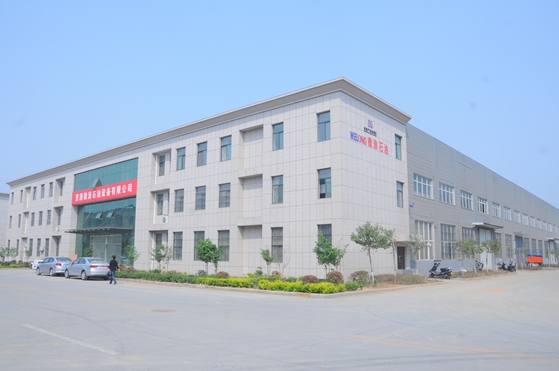
When it comes to Drilling Mud Motors, WELONG is a reliable Drilling Mud Motor manufacturer that makes high-quality equipment and has been producing oilfield equipment for over twenty years. Our positive displacement motors have oil-sealed drive systems, hollow rotor designs, and stators with regular wall thickness. These features make the motors last longer and produce more power. We follow strict quality control procedures, such as in-process and final checks, and are certified by ISO 9001:2015 and API 7-1. We also offer third-party proof through partnerships with SGS and DNV. We know the problems that drilling contractors and equipment makers face when they need to buy things. Managing costs, making sure deliveries happen on time, making sure quality is assured, and providing quick expert help are all important parts of good supplier relationships. Our streamlined production methods guarantee on-time arrival by offering a range of shipping choices (sea, air, rail) and business terms (FOB, CIF, DDP, DDU) to suit your needs. Email our team at oiltools15@welongpost.com to talk about your unique needs, get full specifications, or get quotes for large orders. Visit welongoiltools.com to see all of our products and learn how our experience in the combined supply chain can help your drilling operations.
References
1. Smith, J.R., and Thompson, K.L. (2021). "Advanced Positive Displacement Motor Design for Extended Reach Drilling Applications." Journal of Petroleum Technology, 73(4), 45-62.
2. Anderson, M.P. (2020). "Performance Optimization of Downhole Motors in High-Temperature Environments." SPE Drilling & Completion, 35(2), 218-234.
3. Williams, R.T., density, H., and Martinez, G.A. (2022). "Comparative Analysis of Downhole Power Systems for Directional Drilling." International Journal of Oil, Gas and Coal Technology, 29(3), 312-338.
4. Roberts, D.E. (2019). Mud Motor Technology: Principles, Applications, and Field Performance. Houston: Petroleum Publishing Company.
5. International Organization for Standardization (2015). "ISO 9001:2015 Quality Management Systems—Requirements." Geneva: ISO.
6. American Petroleum Institute (2018). "API Specification 7-1: Specification for Rotary Drill Stem Elements." Washington, D.C.: API.

Share your inquiry, get the quotation accordingly!
CHINA WELONG - 20+ years manufactuer in oilfield tools