A bucking unit is a specialized piece of oilfield equipment designed to apply controlled torque during the threading and coupling process of drill pipes, casings, and tubing. It ensures precise alignment and secure connections, which are critical for maintaining well integrity and operational safety. This equipment enhances oil drilling by minimizing thread damage, improving efficiency, and providing automation options that streamline pipe handling. Reliable torque control and durable construction make it indispensable in modern drilling operations.

What is a Bucking Unit?
A bucking unit is a mechanical device integral to oilfield operations, especially in drilling and casing assembly. At its core, the unit provides a stationary counterforce or torque to the drill pipe or casing being screwed or unscrewed, preventing the entire string from rotating. This counter-torque enables workers to apply the necessary force for threading drill pipes and couplings safely and precisely. Bucking units come in various configurations such as manual, semi-automatic, and fully automatic models, each offering a range of torque capacities adapted to different pipe sizes and requirements. They comply with industry standards like the API tubing thread connection, ensuring consistent quality during pipe joining processes. In essence, the bucking unit is the backbone of proper pipe handling and safe pipe threading in oil and gas drilling.
The Problem It Solves and the Need It Fulfills
During oil drilling, connecting sections of drill pipes or casing threads manually presents several challenges, including thread damage, uneven torque application, and the risk of operator injury. Uncontrolled torque can lead to thread seizure or stripping, which compromises the entire drill string's integrity. Loose connections may cause drilling fluid leaks, leading to unsafe working conditions and operational downtime. A bucking unit addresses these issues by applying precise counter-torque and steady control during the threading process. It reduces the risk of thread failure and ensures the connection strength meets rigorous industry standards. In addition to enhancing safety, it boosts operational efficiency by reducing connection times and maintenance needs. The bucking unit's importance lies in its ability to deliver consistent performance, ensure controllable product quality, and safeguard the well's mechanical integrity throughout drilling operations.
Core Features and Functionality Deep Dive
The bucking unit embodies several advanced features that make it indispensable. Its never-stick gripping mechanism firmly holds pipes without damaging them, enabling smooth and secure pipe rotation. The precision torque-control system monitors and adjusts torque dynamically, preventing over-tightening or under-tightening during pipe coupling. This system typically integrates with a computerized control panel, providing operators with real-time feedback on torque values, alignment status, and load capacity. Options range from manual units, where operators control all functions, to fully automated versions that use hydraulic systems to achieve high torque outputs with minimal manual intervention. Automation significantly enhances efficiency and safety by reducing operator fatigue and errors.
The unit's durable construction involves heavy-duty materials designed to withstand high loads and vibrations common in drilling environments. Long service life is guaranteed through robust components and regular calibration, which maintains precise performance over time. The alignment system ensures threads engage properly without cross-threading, avoiding costly repairs and downtime. Additionally, the hydraulic power unit supplies consistent force, while vibration reduction technologies improve operational stability. Frequent maintenance checks include calibration of the torque system and inspection of gripping parts to maintain peak performance. This comprehensive design ensures reliable and efficient pipe handling throughout oil drilling projects.
Under the Hood: Technology Explained
The technology inside a bucking unit is centered around its hydraulic system and controller interface. Hydraulic actuators deliver powerful and smooth torque, controlled by an operator interface that adjusts pressure and speed to match pipe specifications. Feedback sensors continuously monitor torque and alignment, feeding data into a programmable controller. This allows the system to respond instantly to changing conditions, ensuring consistent threading quality. Advanced bucking units feature computer-monitored operations where data logging helps track torque application history for quality control purposes.
Another critical technological element is the precision calibration mechanism. Bucking units undergo rigorous calibration processes to guarantee torque accuracy within tight tolerances. This calibration prevents thread damage and ensures uniform pipe assembly, meeting API standards. The integration of sensors for vibration detection and load management further enhances safety by alerting operators to unacceptable conditions. Overall, the sophisticated blend of hydraulic power, sensor technology, and computer control makes the bucking unit a reliable and intelligent tool in oilfield equipment.
Key Advantages of Using a Bucking Unit
The primary advantage lies in its ability to deliver precise torque and alignment, which preserves pipe threads and secures strong connections. This precision leads to longer drill pipe lifespan and reduces replacement costs. Safety is enhanced by minimizing manual effort and exposure to mechanical hazards. Automation options improve efficiency, reduce human error, and speed up the threading process, critical for operations where time is money.
Durable construction and low maintenance requirements help maintain high uptime in demanding oilfield environments. The availability of varied models allows customization to specific workload and pipe dimensions. Moreover, the ability to monitor torque digitally ensures consistent quality and easier operational oversight. The unit supports various thread coupling types, adhering strictly to API tubing thread connection standards, which enhances compatibility and reliability. These combined factors help companies control costs, achieve timely delivery, and maintain predictable quality—all essential purchasing concerns for bosses, engineers, and procurement managers alike.
Potential Limitations and Considerations
While the bucking unit brings many benefits, some considerations are important. Initial investment costs for fully automated units can be high, though they often pay off through improved efficiency. Operators require training to use complex controls and interpret torque data adequately. In certain drilling environments, space constraints or pipe specifications might limit the choice of unit size. Some models demand regular maintenance and calibration to avoid performance degradation, so ongoing service costs should be factored in.
Additionally, integration with existing pipe handling rigs and workflows requires planning to ensure compatibility. Vibrations and environmental factors such as temperature extremes or corrosive conditions can affect the unit's lifespan if not properly managed. Despite these points, the overall value proposition favors adoption when weighed against safety improvements, operational cost savings, and enhanced drilling quality.
Bucking Unit vs. The Competition
The bucking unit stands out compared to traditional manual methods that rely heavily on human force and experience. Manual rig crews often face higher risks of thread damage and inconsistent torque delivery. Some alternative equipment lacks integrated torque monitoring or automated controls, leading to less efficient pipe handling. Versus other brands, WELONG's bucking unit incorporates a patented never-stick gripping system and computer-monitored torque controls, which provide a superior user interface and extended service life. Few competitors match WELONG's combination of large torque range, precision, and automation capabilities, making it a preferred option for demanding drilling contractors.
In comparison with generic hydraulic wrenches or pipe tongs, the bucking unit offers higher stability, better alignment, and broader compatibility with multiple coupling types. It also excels in safety features and data logging, supporting both quality assurance and regulatory compliance. This distinct technological edge combined with WELONG's strong production discipline and logistics support make it a top-tier choice in the drilling equipment marketplace.
Target Audience and Ideal Use Cases
Bucking units primarily benefit drilling contractors, oilfield service companies, and drilling equipment manufacturers who require reliable, high-quality pipe assembly solutions. Decision-makers such as purchasing managers, supervisors, engineers, and company owners seeking cost-effective yet dependable tools will find this equipment essential. Use cases include drill pipe thread makeup, tubing and casing manufacturing, and routine maintenance in rig yards or on drilling sites.
These units excel in environments demanding high torque applications and precision handling, including offshore platforms, shale gas fields, and deepwater wells. Operations with strict safety protocols and quality controls gain from the advanced monitoring and automation features. The scalability from manual to fully automatic units allows customization based on operational complexity and workforce expertise. Overall, any organization focused on improving efficiency, ensuring thread quality, and reducing equipment downtime stands to benefit significantly.
Conclusion and Future Outlook
In conclusion, the bucking unit is a pivotal asset in modern oil drilling operations, delivering unparalleled torque control, precision threading, and safety enhancements. Its technological sophistication—from hydraulic drives to computerized torque monitoring—positions it as an indispensable tool for drilling contractors and manufacturers. As automation and data integration continue advancing, future bucking units will likely evolve with greater smart capabilities, predictive maintenance, and remote operation options. These innovations promise further improvements in drilling efficiency, safety, and cost control, securing the bucking unit's role in the evolving energy sector.
Frequently Asked Questions
Q1: What types of pipes can a bucking unit handle?
A: Bucking units handle various pipes including drill pipes, casings, and tubing. They are designed to accommodate different diameters and coupling types, especially those that comply with API threading standards.
Q2: How does automation improve bucking unit operations?
A: Automation reduces manual labor by applying controlled hydraulic torque, ensuring consistent threading, minimizing errors, and enhancing safety for operators. It also speeds up the makeup and breakout process, boosting efficiency.
Q3: What maintenance is required for a bucking unit?
A: Regular maintenance involves lubrication of moving parts, calibration of torque sensors, inspection of the gripping mechanism, and hydraulic system checks to sustain performance and long service life.
Q4: Are WELONG bucking units certified?
A: Yes, WELONG bucking units meet ISO 9001:2015 and API 7-1 certification standards, ensuring compliance with international quality and safety benchmarks.
Q5: Can bucking units be customized?
A: WELONG offers manual, semi-automatic, and fully automatic units with various torque ranges and configurations, tailored to meet specific customer requirements in drill pipe handling and threading.
Q6: How does a bucking unit contribute to operational safety?
A: By providing controlled torque and stability during pipe threading, it prevents thread damage, reduces operator fatigue, and minimizes risks associated with manual pipe makeup, improving overall site safety.
Where to Buy Bucking Unit
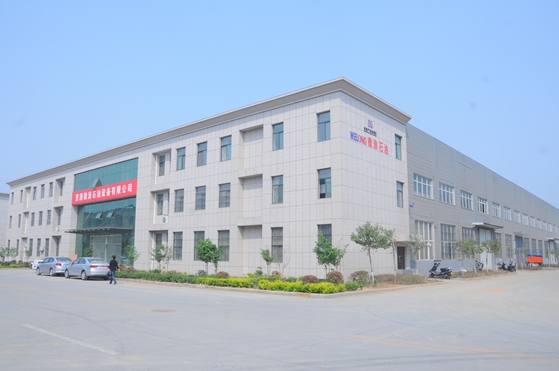
WELONG is your trusted partner for premium bucking units engineered for efficiency, precision, and safety in oilfield operations. As a leading Bucking Unit supplier, we bring over 20 years of manufacturing expertise to offer a comprehensive selection of bucking units tailored to your drilling equipment needs. Our strict quality control guarantees reliable, durable products delivered on time with customizable transport and payment terms including FOB, CIF, DDP, and DDU.
Contact us at oiltools15@welongpost.com to inquire about our bucking units and receive personalized service. Discover how WELONG's proven supply chain capabilities and certified quality (ISO 9001:2015, API 7-1) make us the premier choice for oilfield equipment worldwide.
References
- API Spec 7-1: Specification for Threading, Gauging and Thread Inspection of Casing, Tubing and Drill Pipe Threads
- “Hydraulic Systems and Their Applications in Oilfield Equipment,” Journal of Petroleum Technology, 2021
- Smith, R. “Advances in Torque Control for Oilfield Pipe Handling,” Oil & Gas Engineering Magazine, 2023
- Jones, T. “Enhancing Safety in Drilling Operations with Automated Bucking Units,” Drilling Contractor Journal, 2022
- National Institute for Occupational Safety and Health (NIOSH), “Reducing Drilling Injuries by Improving Equipment Ergonomics,” 2020
- Wang, L. “Modern Technologies in Drill Pipe Threading and Inspection,” International Petroleum Technology Conference, 2023