The Ram Blowout Preventer is a critical component in well control systems used primarily in the oil and gas drilling industry. It acts as a safety valve during drilling operations, designed to seal the wellbore and prevent uncontrolled fluid release, which can lead to dangerous blowouts. The device operates hydraulically, moving heavy-duty rams horizontally to close around the drill pipe or wellbore, providing a reliable barrier under extreme conditions. This article aims to explore its design, functionality, and the vital role it plays in maintaining drilling safety.
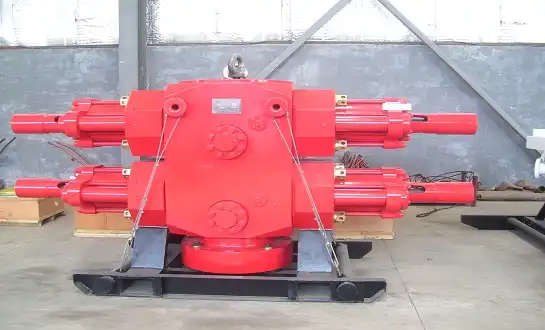
Understanding What a Ram Blowout Preventer Is
The Ram Blowout Preventer, or BOP, is a mechanical device installed on the wellhead of an oil rig to control and seal the well during drilling operations. It features large rams—massive steel blocks—that slide across the bore of the well to seal it tightly. These rams can close hydraulically to lock off the well during unexpected pressure surges, preventing blowouts and safeguarding personnel and equipment. The square-shaped body of the unit contains these movable rams within horizontal cavities. Its robust construction complies with API 16A standards, ensuring strong seal integrity and operational reliability amid harsh drilling environments.
Unlike other blowout preventers, the ram type's hydraulic actuation allows swift closure and easy ram replacement, optimizing well control and pressure management during critical moments in drilling operations.
The Challenges Addressed by Ram Blowout Preventers
In drilling, uncontrolled surges of high-pressure hydrocarbons, commonly known as blowouts, pose significant hazards. Ram Blowout Preventers were developed to address these extreme pressure management issues by sealing the wellbore quickly and effectively. Without this equipment, drilling operations risk catastrophic failures, extensive environmental damage, and serious safety incidents.
This device ensures the stability of fluid dynamics within the well by providing an emergency shutoff mechanism, essential for deepwater operations and complex offshore drilling scenarios. It directly supports rig components by preventing the escape of drilling mud or hydrocarbons, thereby preserving the drilling safety protocols vital to crew and equipment protection.
Its role extends beyond emergency response—ram BOPs contribute to continuous pressure control, allowing engineers to manage well pressure proactively during drilling and completion phases. Consequently, it is an indispensable tool for drilling contractors focused on safety and operational reliability.
Core Features and How They Function
The ram blowout preventer boasts several structural and operational features designed to maximize well control. First, its distinctive square-shaped body features a vertical bore, through which drilling pipes pass. Horizontal ram cavities house the rams that move inward to seal the bore.
The device offers various connection types, including studded, flanged, and hubbed joints, all manufactured to meet API 16A standards. This consistency allows easy integration with existing wellhead equipment.
The rams themselves vary by function. Double-faced rams seal both sides symmetrically and accommodate different tool sizes by swapping rubber seal semi-rings while retaining other parts. Single-faced rams seal against one side but lack reversibility. Shear rams are specially engineered to cut through drill pipes and seal the wellhead fully, providing a critical last line of defense during emergencies. Variable rams are versatile, sealing equipment of varying diameters within specified limits.
The hydraulic system energizes the rams by exerting pressure that opens and closes the bonnets, enabling quick and reliable actuation. The seal integrity provided by precision-engineered rubber rings and briquetting ensures a fluid-tight closure, maintaining well control under extreme pressures common in offshore and deepwater drilling.
In addition, the lightweight yet durable design focuses on equipment reliability while reducing rig footprint, facilitating easier maintenance and ram exchange, key to minimizing downtime.
Technical Insights Behind the Operation
At its heart, the ram blowout preventer operates on hydraulic principles. A dedicated hydraulic system delivers controlled pressure to actuate the ram bonnets, sliding the rams horizontally. These mechanical actuations create a seal around the drill pipe or completely across the wellbore, depending on the ram type.
This method allows rapid response times to well pressure changes, ensuring immediate action during blowout risks. Fluid dynamics within the preventer are finely tuned to maintain stable pressure control without compromising the device's integrity or causing operational delays.
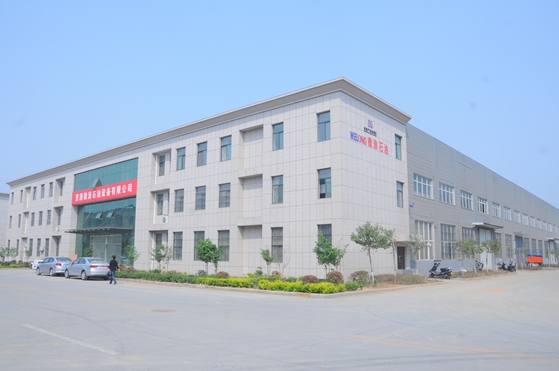
Advanced materials and manufacturing techniques enhance durability in offshore drilling conditions, where corrosion and extreme pressure challenge equipment endurance. State-of-the-art quality control procedures, like those practiced by CHINA WELONG, guarantee each BOP meets stringent ISO 9001:2015 and API 7-1 quality standards, securing seal integrity and hydraulic system reliability over multiple drilling cycles.
These technologies combined solidify the ram blowout preventer's status as an essential safety protocol component on oil rigs navigating deepwater and complex drilling environments.
Advantages That Make Ram Blowout Preventers Essential
The ram blowout preventer's foremost advantage lies in its ability to provide an emergency shutoff mechanism that is both rapid and reliable. Thanks to their hydraulic valve mechanism and mechanical rams, they deliver durable pressure control unmatched in drilling safety.
Their modular design and interchangeable parts ease maintenance and reduce operating costs—a significant benefit for contractors managing drilling economics alongside safety. The capability to cut drill pipes with shear rams offers unmatched emergency versatility, essential when traditional sealing fails.
This equipment also supports flexible installation options, with multiple connection types that accommodate different rig configurations, enhancing logistical efficiency and timely delivery—key purchasing requirements for procurement managers and engineers in the oilfield supply chain.
Another notable advantage is the proven track record of equipment reliability, secured through rigorous in-process and third-party inspections involving reputable agencies like SGS and DNV. These certifications bolster the confidence of decision-makers, such as bosses and supervisors tasked with overseeing drilling projects.
Considerations and Limitations to Keep in Mind
While the ram blowout preventer offers many benefits, certain limitations exist. The cost of acquisition and maintenance can be substantial, especially for high-specification models designed for deepwater and harsh offshore environments. Budget constraints require buyers to carefully balance cost control with equipment performance.
Operational complexity mandates skilled personnel for installation, operation, and maintenance. Poorly trained teams risk delayed actuation or improper sealing, which can compromise well control. Moreover, the physical size and weight, albeit optimized, still pose logistical challenges during transportation and handling on rig sites.
Finally, while ram BOPs excel in many applications, their effectiveness depends on well conditions and compatibility with specific drilling tools. Some drilling operations may require complementing this equipment with annular preventers or other systems to achieve full pressure management.
Ram Blowout Preventers Compared to Alternative Systems
Within well control, annular blowout preventers serve as a prominent alternative. While annular BOPs use elastomeric elements to seal around various tubular shapes, ram BOPs provide firmer, mechanical sealing specifically suited for critical pressure scenarios and emergency well shutoff.
Shear ram BOPs outperform annular types for cutting drill pipe emergencies, a capability annular preventers do not have. However, annular preventers offer more adaptability for irregular shapes and non-round objects, complementing ram systems rather than replacing them.
Another comparison arises with emerging ram designs featuring variable sealing capabilities and advanced materials, which seek to combine the benefits of these systems. Yet, the industry's widespread acceptance and API certification of ram BOPs maintain them as the benchmark for reliable well control.
Who Benefits Most and Common Use Cases
The primary beneficiaries of ram blowout preventers are drilling contractors, equipment manufacturers, and oil companies conducting onshore and offshore drilling projects. Bosses, purchasing managers, engineers, and supervisors rely on this equipment to ensure rig components meet safety protocols, balancing operational efficiency with risk management.
Typical use cases include offshore platforms, deepwater operations, and any drilling activity where pressure control is paramount. Their reliability makes them indispensable for emergency prevention during drilling, well intervention, and completion tasks where fluid dynamics and pressure fluctuations require precise control.
Furthermore, companies prioritizing cost control without compromising quality favor suppliers like CHINA WELONG, known for delivering durable, timely, and certificated drilling equipment and accessories. The BOP's modularity and adherence to API standards make it a versatile choice for diverse drilling environments.
Conclusion & Future Outlook
The ram blowout preventer remains a cornerstone of modern well control and drilling safety. Its robust hydraulic actuation, reliable valve mechanism, and adaptable ram options ensure wellhead integrity under the toughest conditions. Ongoing advancements in materials and quality management promise enhanced performance, lowering operational risks even further. As drilling ventures move into more challenging deepwater regions, the importance of dependable pressure control systems like the ram BOP will only grow.
Frequently Asked Questions
Q1: What makes ram blowout preventers different from other BOP types?
A: Ram blowout preventers use steel rams that move horizontally to mechanically seal the wellbore, offering firmer sealing and pipe-cutting capabilities, unlike annular BOPs that use flexible elements. They are critical for emergency shutoff during blowouts.
Q2: How does hydraulic pressure operate the ram blowout preventer?
A: Hydraulic pressure is applied to the bonnet cylinders, which push the rams horizontally into the wellbore. This mechanical actuation rapidly closes the bore, providing sealing and pressure control during drilling operations.
Q3: What certifications should a quality ram blowout preventer have?
A: Quality ram BOPs typically hold ISO 9001:2015 for quality management and API 7-1 or API 16A certifications for industry standards, ensuring reliable performance and safety compliance.
Q4: Can ram BOPs be used in deepwater drilling?
A: Yes, ram blowout preventers are widely used in deepwater and offshore drilling owing to their robust design and ability to handle high-pressure environments typical of such operations.
Q5: What maintenance is required for ram blowout preventers?
A: Regular inspection, including in-process and final checks, as well as scheduled replacement of seals, rams, and hydraulic components, are necessary to maintain performance and safety standards.
Q6: How does the shear ram function in emergency scenarios?
A: The shear ram is designed to cut through the drill pipe and seal the wellbore quickly, providing a last-resort barrier to prevent blowouts when normal sealing methods fail.
Where to Buy Ram Blowout Preventers
To purchase reliable, high-quality ram blowout preventers tailored to your drilling requirements, consider WELONG as your trusted Ram Blowout Preventer supplier. With over 20 years of expertise in oilfield equipment manufacturing, WELONG offers competitive prices, timely deliveries, and stringent quality controls compliant with ISO 9001:2015 and API standards. Their comprehensive after-sales services and flexible shipping options cater to your logistical needs. Contact us at oiltools15@welongpost.com to inquire about our product range or request a custom solution designed to optimize your well control operations.
References
- API Spec 16A - Specification for Drill-through Equipment
- ISO 9001:2015 - Quality Management Systems Requirements
- Oilfield Safety Best Practices, Offshore Technology Reports, 2021
- Deepwater Drilling Operations and Equipment Reliability, Journal of Petroleum Science, 2019
- Hydraulic Systems Design and Applications in Blowout Prevention, Engineering Review, 2020
- Advancements in Well Control Equipment, Energy Industry Insights, 2022