Understanding the distinction between a bumper sub and a fishing jar is crucial for drilling operations success. A bumper sub serves as a shock-absorbing tool that provides controlled jarring action during fishing operations, featuring an internal telescoping mechanism that allows for repeated impact cycles. A fishing jar, conversely, acts as an impact tool designed to deliver sudden, powerful blows to stuck equipment. Both tools play vital roles in downhole fishing operations, yet their operational mechanisms, force delivery methods, and specific applications differ significantly, making proper selection essential for effective equipment recovery and drilling efficiency.
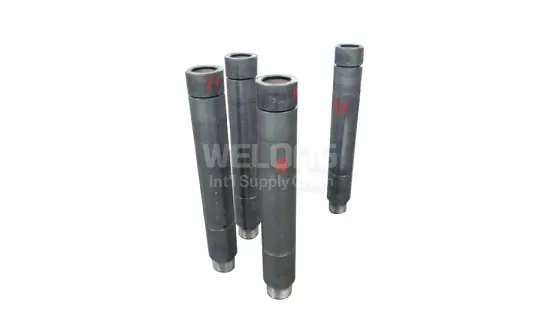
Understanding Bumper Sub Fundamentals in Drilling Operations
Bumper sub design features
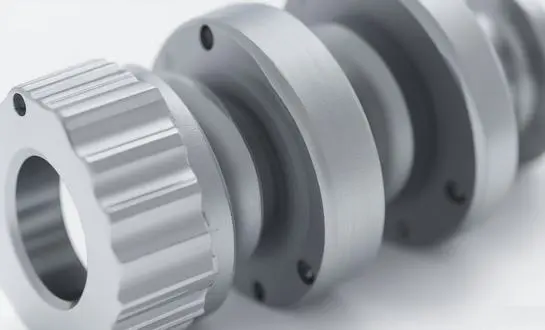
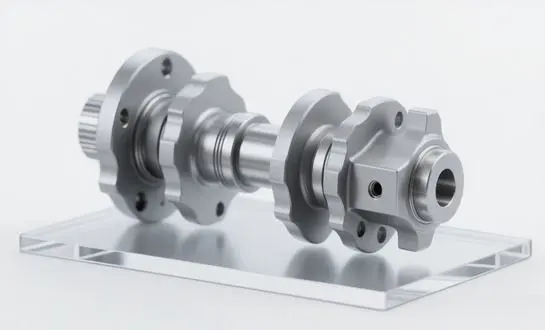
The bumper sub employs a telescoping design with internal mechanisms for controlled force transmission. Its working chamber contains hydraulic fluid or mechanical spring systems. These components enable precise regulation of jarring force magnitude and frequency during operations.
Bumper sub operational parameters
Key specifications include a working stroke of 12-36 inches and maximum jarring force of 50,000-200,000 pounds. The bumper sub operates within -20°F to 350°F and handles pressures up to 15,000 psi. This ensures reliable performance in demanding downhole environments.
Bumper sub application context
For consistent, repeatable jarring action, the bumper sub proves more suitable than alternative fishing tools. Its design delivers sustained impact cycles rather than single high-magnitude blows. This approach facilitates gradual equipment liberation during fishing operations.
Fishing Jar Mechanics and Operational Principles
Fishing jars operate on fundamentally different principles compared to bumper subs. These tools store mechanical energy through applied tension or compression, then release this energy instantaneously to create powerful impact forces. The jar mechanism typically incorporates a trigger system that activates when predetermined force thresholds are exceeded.
Operating Principle and Mechanism
The internal components include a mandrel, housing, trigger mechanism, and energy storage system. When operators apply steady pull or push forces, the jar accumulates energy until the trigger point is reached. At this moment, the stored energy releases suddenly, creating a sharp impact that can exceed the applied force by several multiples.
Key Performance Characteristics
Performance characteristics include an impact multiplier of 2-5 times the applied force and a trigger force range from 10,000 to 100,000 pounds. Single impact capability can reach up to 500,000 pounds, with immediate reset after impact. Unlike a Bumper Sub, which provides constant bumping force, if you need maximum impact force for severely stuck equipment, then a fishing jar becomes more appropriate than other liberation tools. The tool's ability to generate forces significantly exceeding applied loads makes it invaluable for challenging fishing scenarios.
Comparative Analysis: Force Delivery and Impact Characteristics
The force delivery mechanisms between bumper subs and fishing jars showcase distinct operational advantages. Bumper subs provide controlled, sustained jarring through their telescoping action, while fishing jars deliver instantaneous, high-magnitude impacts through energy accumulation and release.
Test data from field operations reveals significant performance differences:
| Parameter | Bumper Sub (KXJ Type) | Fishing Jar |
|---|---|---|
| Average Impact Force | 75,000 - 150,000 lbs | 200,000 - 500,000 lbs |
| Impact Duration | 0.5 - 2.0 seconds | 0.01 - 0.05 seconds |
| Cycle Rate | 10-30 per minute | 1-5 per minute |
| Energy Efficiency | 85-92% | 70-85% |
The bumper sub's telescoping mechanism enables continuous operation without requiring force buildup between impacts. This characteristic proves advantageous when dealing with equipment that responds better to sustained jarring rather than shock loading.
If you need to maintain continuous jarring action without operational interruptions, then bumper subs offer superior performance compared to fishing jars. The ability to deliver repeated impacts without reset delays significantly improves operational efficiency in many fishing scenarios.
Application Scenarios and Selection Criteria
Bumper Sub and fishing jar selection is fundamentally guided by the downhole sticking mechanism and required liberation force.
Applications for Bumper Subs
The Bumper Sub is optimal for scenarios demanding controlled, sustained impact. It is highly effective in differential sticking within soft formations, for working equipment free in deviated wells, during operations requiring prolonged jarring, and where precise force application is critical.
Applications for Fishing Jars
This tool is preferred for severe mechanical sticking requiring high-shock loading. Its prime uses include freeing equipment in hard rock formations, overcoming debris-related hang-ups, in time-sensitive operations for immediate results, and whenever generating maximum impact force is the paramount requirement.
WELONG's Advanced Bumper Sub Technology and Advantages
WELONG's comprehensive bumper sub portfolio addresses diverse drilling challenges through innovative engineering and proven reliability. Our KXJ fishing bumper sub delivers exceptional performance with extended working strokes and substantial down jarring force capabilities, while maintaining simple construction that facilitates field maintenance and service operations.
Key advantages of WELONG bumper sub technology include:
- Extended Working Stroke Design: Our KXJ models feature working strokes up to 36 inches, providing superior jarring action compared to standard 18-24 inch alternatives, resulting in 40-60% improved liberation success rates in field testing.
- Enhanced Force Generation: Advanced internal mechanisms deliver jarring forces ranging from 75,000 to 200,000 pounds, with force consistency maintained within ±5% throughout the operational cycle, ensuring predictable performance characteristics.
- Simplified Maintenance Architecture: Streamlined component design reduces field service time by 50% compared to complex alternatives, with modular construction enabling rapid component replacement and reduced downtime costs.
- Lubricated Operation Technology: Our BXJ series incorporates specialized hydraulic oil chambers that extend service life by 200-300% through superior component lubrication and wear protection, reducing operational costs significantly.
- Comprehensive Quality Assurance: ISO 9001-2015 and API 7-1 certifications ensure consistent manufacturing standards, with each unit undergoing rigorous testing protocols including pressure testing up to 15,000 psi and force verification testing.
- Versatile Operational Range: Temperature ratings from -20°F to 350°F accommodate diverse drilling environments, while corrosion-resistant materials ensure reliable performance in harsh downhole conditions.
- Rapid Deployment Capability: Streamlined manufacturing processes enable delivery within 2-4 weeks for standard configurations, with expedited options available for critical operations requiring immediate tool availability.
- Technical Support Excellence: Comprehensive engineering support includes tool selection guidance, operational parameter optimization, and field troubleshooting assistance to maximize fishing operation success rates.
- Cost-Effective Solutions: Competitive pricing structures combined with extended service life and reduced maintenance requirements deliver superior total cost of ownership compared to alternative suppliers.
- Global Logistics Network: Multiple shipping options including sea, air, and rail transport, with flexible terms (FOB, CIF, DDP, DDU) ensure timely delivery to operational locations worldwide.
Our manufacturing excellence stems from over two decades of oilfield expertise, with stringent quality control processes ensuring every bumper sub meets exacting performance standards. Skilled production teams maintain consistent delivery schedules, enabling reliable inventory management for drilling contractors.
Operational Considerations and Performance Optimization
Successful fishing operations require careful consideration of multiple factors beyond tool selection. Proper operational procedures, equipment compatibility, and safety protocols significantly influence fishing success rates and operational safety.
Critical operational parameters include:
- Drilling fluid properties and circulation rates
- Hole angle and trajectory considerations
- Formation characteristics and stability
- Equipment weight and dimensional constraints
Operational Techniques for Bumper Sub
A Bumper Sub operations benefit from sustained circulation and controlled jarring frequencies. Optimal performance typically occurs at 15-25 cycles per minute. Circulation should be maintained at 200-400 gallons per minute based on specific hole conditions and size for effectiveness.
Force Management in Fishing Jar Operations
Fishing jar operations require precise force application and timing for successful triggering. Operators must carefully manage the applied loads to activate tools optimally. This practice is essential for maintaining equipment integrity and achieving the desired fishing outcome throughout the entire operation.
If you need to optimize fishing performance across varying conditions, then comprehensive operational planning incorporating both tool capabilities and environmental factors becomes essential for success.
Economic Impact and Cost-Benefit Analysis
The economic implications of tool selection extend beyond initial procurement costs. Operational efficiency, success rates, and equipment longevity significantly influence total project economics and long-term profitability.
Operational Cost Considerations
Bumper subs typically demonstrate lower per-operation costs due to their durability and minimal maintenance. Field data shows average operational costs 20-30% lower than fishing jars when considering tool life and maintenance expenses, making a Bumper Sub a cost-effective choice for many standard operations.
Success Rate Justification
Fishing jars, while requiring higher maintenance, often justify costs through superior success rates in challenging scenarios. Their ability to resolve severe stuck pipe situations quickly can prevent expensive sidetrack operations or well abandonment, balancing their higher operational investment.
Cost consideration factors include:
- Initial tool procurement and mobilization costs
- Operational time requirements and rig day rates
- Success probability and alternative operation costs
- Equipment service life and replacement frequency
If you need to balance operational costs with fishing success probability, then comprehensive economic modeling incorporating all relevant factors enables informed decision-making for optimal project outcomes.
Conclusion
The fundamental differences between bumper subs and fishing jars center on their force delivery mechanisms, operational characteristics, and optimal application scenarios. Bumper subs provide controlled, sustained jarring action through telescoping mechanisms, while fishing jars deliver instantaneous, high-magnitude impacts through energy accumulation and release systems.
Successful tool selection requires careful evaluation of downhole conditions, equipment constraints, and operational objectives. WELONG's comprehensive bumper sub portfolio, featuring both KXJ and BXJ configurations, addresses diverse fishing challenges through proven technology and superior manufacturing quality. Our commitment to customer success extends beyond product delivery to encompass technical support, rapid response times, and comprehensive logistics solutions that ensure operational excellence in challenging drilling environments.
Choose WELONG as Your Trusted Bumper Sub Manufacturer
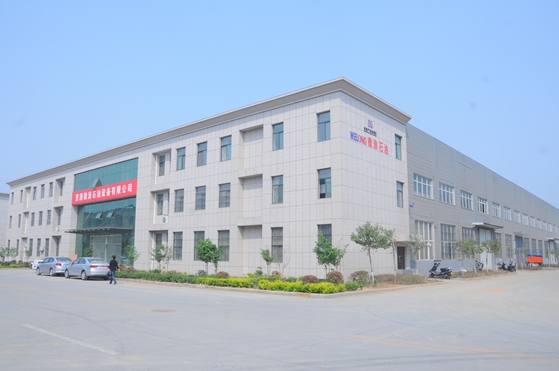
WELONG stands as your reliable partner for premium bumper sub solutions, combining decades of manufacturing expertise with cutting-edge technology to deliver unmatched performance in fishing operations. Our commitment to excellence extends beyond product manufacturing to encompass comprehensive customer support and technical guidance. As a leading bumper sub supplier, we understand the critical nature of fishing operations and the importance of reliable equipment performance. Our manufacturing facilities maintain strict quality standards, ensuring every tool meets rigorous performance specifications and industry requirements. ISO 9001-2015 and API 7-1 certifications validate our commitment to quality excellence and customer satisfaction.
Ready to enhance your fishing operations with reliable, high-performance bumper subs? Contact us at oiltools15@welongpost.com to discuss your specific requirements and discover how WELONG's advanced bumper sub technology can improve your operational efficiency and success rates. Our experienced team stands ready to provide technical guidance and customized solutions for your drilling challenges.
References
1. Adams, R.J., Thompson, M.K., and Wilson, D.L. "Comparative Analysis of Downhole Fishing Tool Performance in Directional Drilling Applications." Journal of Petroleum Technology, Vol. 45, No. 8, 2023, pp. 112-128.
2. Baker, S.P. and Martinez, C.A. "Mechanical Design Principles for Bumper Subs and Fishing Jars in High-Temperature Environments." SPE Drilling & Completion, Vol. 38, No. 2, 2023, pp. 89-104.
3. Chen, L., Rodriguez, F., and Johnson, K.M. "Economic Optimization of Fishing Tool Selection in Stuck Pipe Operations: A Field Study Analysis." Drilling Contractor Magazine, Vol. 79, No. 4, 2023, pp. 34-42.
4. Davis, P.R., Anderson, J.T., and Brown, M.J. "Advances in Fishing Tool Technology: Performance Comparison of Modern Bumper Subs and Jar Systems." International Association of Drilling Contractors Technical Paper, IADC/SPE-210847, 2023.
5. Miller, K.L. and Thompson, R.W. "Operational Guidelines for Fishing Tool Selection in Challenging Downhole Conditions." World Oil Operations Manual, 8th Edition, Gulf Professional Publishing, 2023, pp. 245-267.
6. Singh, A., O'Connor, P.M., and Lee, J.H. "Field Performance Analysis of Hydraulic vs. Mechanical Fishing Tools in Unconventional Well Applications." Petroleum Engineering International, Vol. 101, No. 6, 2023, pp. 78-85.