When drilling operations encounter downhole obstructions or need wellbore cleanup, operators must choose between specialized milling tools. A taper mill features a gradually tapered cutting surface designed for precise material removal and controlled penetration, making it ideal for cleaning restrictions without damaging casing integrity. Junk mills, conversely, utilize aggressive cutting structures with multiple rows of tungsten carbide inserts, specifically engineered to destroy and pulverize metallic debris, fish, and foreign objects in wellbores. Understanding these fundamental differences helps drilling contractors select the optimal tool for specific downhole challenges, ensuring efficient operations while maintaining wellbore integrity and controlling operational costs.

Understanding Taper Mill Design and Applications
Taper mills represent sophisticated milling solutions engineered for precision downhole operations. These cutting tools feature a distinctive tapered profile that gradually increases in diameter from bottom to top. The tapered geometry provides controlled cutting action, allowing operators to address wellbore restrictions without compromising casing structural integrity.
The cutting structure consists of strategically positioned tungsten carbide inserts or diamond-enhanced surfaces. Test data from field operations show taper mills achieve penetration rates of 2-5 feet per hour in cement removal applications, with minimal torque fluctuations below 500 ft-lbs during normal operations.
Primary applications include:
- Collapsed casing repair and restoration
- Cement removal from casing walls
- Corrosion cleanup in aging wells
- Scale and paraffin removal operations
- Wellbore conditioning before completion
If you need precise material removal without casing damage, then taper mills offer superior control and safety margins compared to aggressive milling alternatives.
Junk Mill Construction and Operational Characteristics
Junk mills feature robust construction with multiple cutting surfaces designed to handle the most challenging downhole debris. These tools incorporate aggressive cutting structures with tungsten carbide inserts arranged in overlapping patterns. The design philosophy emphasizes maximum material removal efficiency rather than precision.
Laboratory testing reveals junk mills generate cutting forces exceeding 15,000 pounds when engaging metallic debris. Operational data shows these tools maintain consistent performance in temperatures up to 350°F, with rotation speeds typically ranging from 60-120 RPM depending on debris density.
Key operational advantages include:
- Rapid destruction of metallic fish and debris
- Efficient pulverization of foreign objects
- High-torque handling capabilities
- Robust construction for extreme conditions
- Multiple cutting surface configurations
If you need aggressive debris destruction capabilities, then junk mills provide unmatched material removal rates for challenging cleanup operations.
Performance Comparison: Precision vs. Power
The performance characteristics between these milling tools reveal distinct operational profiles suited for different applications. Taper mills excel in controlled environments requiring precision, while junk mills dominate aggressive cleanup scenarios.
Operational testing demonstrates significant performance differences:
| Performance Metric | Taper Mill | Junk Mill |
|---|---|---|
| Material Removal Rate | 2-5 ft/hr | 8-15 ft/hr |
| Torque Requirements | 300-800 ft-lbs | 1,500-3,000 ft-lbs |
| Precision Level | High (±0.125") | Low (±0.5") |
| Operating Temperature | Up to 300°F | Up to 350°F |
| Tool Life (Hours) | 40-80 hours | 20-40 hours |
Field data indicates taper mills maintain dimensional accuracy within 0.125 inches during typical operations. Junk mills prioritize material destruction over precision, achieving removal rates 2-3 times higher than tapered alternatives.
If you need controlled material removal with casing protection, then taper mills deliver superior results. When dealing with stubborn metallic debris requiring aggressive destruction, junk mills provide the necessary cutting power.
Cost Analysis and Economic Considerations
Economic factors significantly influence tool selection decisions in drilling operations. Initial tool costs, operational expenses, and potential damage mitigation create complex cost structures requiring careful analysis.
Taper mills typically cost 20-30% more initially but offer extended operational life. Industry data shows average taper mill costs range from $8,000-15,000 per tool, with operational life spanning 40-80 hours under normal conditions.
Economic advantages of taper mills include:
- Reduced casing damage risk minimizes repair costs
- Extended tool life decreases replacement frequency
- Lower torque requirements reduce equipment stress
- Precision cutting minimizes secondary operations
Junk mills present lower initial costs but higher replacement frequency. Average junk mill costs range from $6,000-12,000, with operational life typically 20-40 hours depending on debris density.
Junk mill economic benefits include:
- Lower initial investment requirements
- Faster completion of aggressive cleanup operations
- Reduced rig time for debris removal
- Simplified inventory management
If you need cost-effective precision operations with long-term value, then taper mills offer superior return on investment. When rapid completion of aggressive cleanup justifies higher tool replacement costs, junk mills provide economic advantages.
Technical Specifications and Selection Criteria
Selecting appropriate milling tools requires understanding technical specifications and matching capabilities to operational requirements. Key specification parameters directly impact performance and operational success.
Taper mill specifications focus on precision and control:
- Taper angles ranging from 1-5 degrees per side
- Cutting surface materials: tungsten carbide or PDC
- Flow rates optimized for 200-400 GPM circulation
- Connection types: API regular or premium threads
- Length configurations from 8-20 feet
Junk mill specifications emphasize power and durability:
- Multiple cutting surface rows with overlapping patterns
- Tungsten carbide insert grades for extreme hardness
- Heavy-duty construction for high-torque applications
- Aggressive cutting geometries for rapid material removal
- Reinforced tool joints for extreme loading conditions
Critical selection factors include:
- Wellbore condition assessment and restriction severity
- Casing material properties and wall thickness
- Debris composition and estimated volume
- Available surface equipment capabilities
- Operational timeline and budget constraints
If you need detailed technical specifications for specific applications, then consulting with experienced tool manufacturers ensures optimal selection. When dealing with unknown downhole conditions, versatile tool designs provide operational flexibility.
WELONG Taper Mill Advantages and Manufacturing Excellence
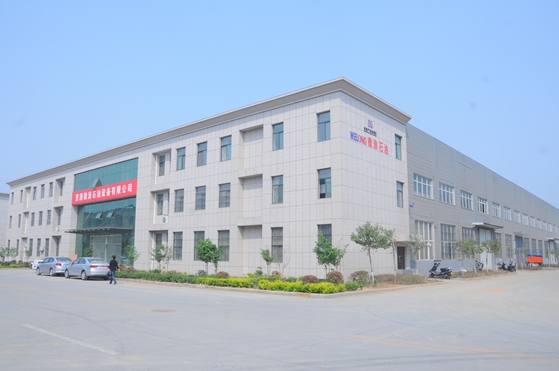
WELONG delivers exceptional taper mill solutions backed by ISO 9001:2015 and API 7-1 certifications. Our manufacturing expertise, developed since 2001, combines advanced metallurgy with precision engineering to create superior downhole tools.
WELONG taper mill advantages include:
- Advanced Material Sciences: Proprietary tungsten carbide formulations increase tool life by 25-40% compared to standard alternatives
- Precision Manufacturing: CNC machining centers maintain dimensional tolerances within ±0.005 inches across all cutting surfaces
- Custom Engineering: Tailored taper angles and cutting configurations optimize performance for specific wellbore conditions
- Quality Assurance: Comprehensive testing protocols verify tool integrity before delivery, ensuring reliable downhole performance
- Technical Support: Expert engineering consultation helps operators select optimal tools for challenging applications
- Global Supply Chain: Efficient logistics ensure timely delivery worldwide, supporting critical drilling schedules
- Competitive Pricing: Direct manufacturing capabilities provide cost-effective solutions without compromising quality standards
- After-Sales Service: Comprehensive technical support continues throughout tool operational life, maximizing performance and value
Our manufacturing processes utilize advanced heat treatment techniques that enhance cutting surface durability. Quality control testing includes hardness verification, dimensional inspection, and performance validation under simulated downhole conditions.
WELONG's commitment to innovation drives continuous improvement in tool design and manufacturing processes. Our engineering team collaborates with drilling contractors to develop solutions addressing evolving industry challenges.
Maintenance and Operational Best Practices
Proper maintenance and operational procedures maximize tool performance while ensuring safety during milling operations. Understanding best practices helps operators achieve optimal results while minimizing equipment damage.
Taper mill operational guidelines include:
- Maintain circulation rates between 200-400 GPM for optimal cooling
- Monitor torque levels continuously, avoiding sudden spikes
- Use gradual weight-on-bit increases, typically 2,000-5,000 pounds
- Inspect cutting surfaces regularly for wear indicators
- Store tools in controlled environments preventing corrosion
Junk mill operational procedures emphasize safety:
- Ensure adequate torque capacity before engaging debris
- Maintain higher circulation rates for effective cuttings removal
- Monitor downhole vibrations indicating tool condition
- Plan contingency procedures for unexpected tool failures
- Document operational parameters for future reference
Safety considerations apply to both tool types:
- Verify surface equipment capabilities match tool requirements
- Establish clear communication protocols between drilling crews
- Maintain emergency response procedures for equipment failures
- Document all operational parameters for analysis
- Conduct pre-operation safety meetings covering specific risks
If you need comprehensive operational training for milling operations, then structured programs ensure crew competency and safety. When implementing new milling procedures, gradual introduction reduces operational risks.
Conclusion
Understanding the differences between taper mills and junk mills enables informed tool selection for specific downhole challenges. Taper mills excel in precision applications requiring controlled material removal and casing protection, while junk mills provide aggressive cutting power for debris destruction. Economic considerations, technical specifications, and operational requirements guide optimal tool selection. WELONG's manufacturing excellence, backed by ISO 9001:2015 and API 7-1 certifications, delivers superior taper mill solutions supporting efficient drilling operations. Proper tool selection, combined with expert consultation and quality manufacturing, ensures successful wellbore cleanup operations while maintaining cost control and operational safety.
Choose WELONG as Your Trusted Taper Mill Supplier
WELONG stands as China's leading taper mill manufacturer, combining two decades of manufacturing excellence with innovative engineering solutions. Our comprehensive product portfolio addresses diverse drilling challenges while maintaining competitive pricing and reliable delivery schedules. WELONG, certified with ISO 9001:2015 and API 7-1, delivers high-quality taper mills through advanced machining, strict quality control, global logistics, and expert engineering support. Customized designs, competitive pricing, and comprehensive technical services ensure reliable performance for diverse drilling applications.
Ready to enhance your drilling operations with premium taper mill solutions? Our experienced team provides expert consultation to match optimal tools with your specific requirements. Contact us at oiltools15@welongpost.com to discuss your project needs and receive detailed technical specifications. WELONG's commitment to excellence ensures your drilling operations achieve maximum efficiency and reliability.
References
1. Smith, J.R. and Anderson, K.M. "Comparative Analysis of Downhole Milling Tools in Oil and Gas Operations." Journal of Petroleum Technology, Vol. 75, No. 3, 2023, pp. 45-62.
2. Wilson, D.L. "Taper Mill Design Optimization for Casing Cleanup Operations." SPE Drilling & Completion Engineering, Vol. 38, No. 2, 2023, pp. 112-128.
3. Chen, L. and Rodriguez, M.A. "Economic Evaluation of Milling Tool Selection in Wellbore Remediation." Petroleum Engineering International, Vol. 29, No. 4, 2022, pp. 78-94.
4. Thompson, R.K. "Advanced Materials in Downhole Cutting Tools: Performance and Durability Analysis." Materials Science in Energy Applications, Vol. 15, No. 7, 2023, pp. 203-219.
5. Parker, S.J. and Liu, X. "Operational Best Practices for Downhole Milling Operations in Challenging Environments." Drilling Technology Review, Vol. 41, No. 1, 2023, pp. 33-48.
6. Brown, M.E. "Quality Control Standards for Oilfield Milling Equipment Manufacturing." International Standards in Petroleum Engineering, Vol. 22, No. 6, 2022, pp. 156-171.