What Procurement Teams Must Check Before Buying Float Shoes?
When choosing float shoes for their drilling operations, procurement teams in the oil and gas sector have a very important job. These important parts are very important for making sure that wells are built and cemented correctly. Before making a purchase, procurement teams need to carefully look at a number of important variables to make sure they get the proper float shoe for their project. This involves checking the design of the wellbore, taking into account the geological circumstances, making sure the materials are compatible, and looking at the manufacturer's quality certificates. Teams should also check the float shoe's pressure rating, flow-through capabilities, and capacity to handle tough downhole conditions. Procurement teams may make smart choices that help with operational efficiency, well integrity, and the overall success of the project by carefully looking at these things.
Dividing Up Different Needs in Buying Float Shoes
It's important to remember that various drilling projects have distinct needs when it comes to buying float shoes. To make sure they get the best float shoe for each use, procurement teams need to break down their demands into several groups depending on a number of parameters.
Things to think about when it comes to wellbore depth and pressure
The depth of the wellbore and the pressure conditions that go along with it are two of the most important things to think about. Float shoes with higher pressure ratings and better durability are usually needed for deeper wells since they have to deal with more stress and heat at greater depths. Procurement teams should work closely with drilling engineers to learn about the predicted pressure profiles and choose float shoes that can operate well in these situations.
Properties of the formation and how well fluids mix with it
The geological formations that are encountered when drilling may have a big effect on how well float shoes work. When making a purchase, procurement teams need to think about things like how hard, abrasive, and chemical the formation is. Also, the float shoe materials must be able to work with drilling fluids and cement slurries to keep them from breaking down and make sure they stay strong for a long time.
Needs for Operational Efficiency
Different drilling operations may put more importance on certain parts of float shoe performance. For example, some projects may need float shoes that let more water through to speed up circulation, while others may need float shoes that can handle more debris. Procurement teams should work with operational teams to find the key performance indicators that fit with the aims of the project.
Grouping Different Types of Float Shoes by Wellbore Design
There are several different types of float shoes, each made for a certain kind of wellbore and drilling goal. It's important for procurement teams to know about these groups so they can make smart choices.
Normal Float Shoes
The most frequent sort of float shoes used in vertical and slightly tilted wells are regular ones. They have a basic design and a check valve that prevents backflow. These float shoes work well for ordinary drilling operations and in simple wellbore designs.
Float Shoes That Are Eccentric
The off-center hole of eccentric float shoes makes them useful for directional drilling. The off-center shape makes it easier to steer and distribute weight efficiently in deviated wellbores. These float shoes should be considered by procurement teams for projects that include horizontal or directional drilling.
Float Shoes with Auto-Fill
Auto-fill float shoes have a particular valve system that lets you fill the casing string in a controlled way while running in. This feature may cut down on running times a lot and lower the chance of surge pressures. For projects where quick casing installation is important, procurement teams should look at auto-fill float shoes.
Matching the right float shoe features to the needs of the well
To make sure that each well project works as well as possible and stays in good shape, procurement teams need to carefully match the characteristics of float shoes to the needs of that project.
Mechanical Strength and Pressure Rating
The pressure rating of a float shoe is very important since it directly affects how well it can handle circumstances downhole. Procurement teams need to make sure that the chosen float shoe can take the highest pressures that are expected during drilling, cementing, and production. Also, the float shoe's mechanical strength, such as how well it can withstand impact and wear, should be tested depending on the predicted circumstances in the wellbore.
Flow-Through Capabilities and Tolerance for Debris
For drilling and cementing to work, circulation must be good. When buying float shoes, procurement teams should look at how well they can flow through, taking into account things like the size and shape of the flow ports. Also, it's important that the float shoe can handle debris and not become clogged, particularly in wells with tough formation conditions or when utilizing drilling fluids that include particles.
Choosing the right materials and making sure they work together
The materials used to make float shoes have a big impact on how well they work and how long they last. Procurement teams should engage with technical specialists to make sure that the materials they choose will operate well in the projected downhole environment, which includes temperature, pressure, and chemical exposure. Things like resistance to corrosion, thermal stability, and wear should be taken into account.
Recommending Customized Configurations for Distinct Challenges
In certain circumstances, normal float shoe arrangements may not be enough to deal with the specific problems that come up on various well projects. Teams in charge of buying things should be ready to look into custom solutions that fit their needs.
Valve Systems Made Just for You
If a well has a complicated pressure profile or requires special fluid management, the procurement team may need to think about float shoes with specialized valve systems. These might be multi-stage valves, differential fill valves, or specific back-pressure valves that are designed to improve fluid management and stop damage to the formation.
Better Cementing Features
When cementing quality is very important, procurement teams should look at float shoes with better cementing qualities. This might be float shoes with built-in centralizers, shapes that cause turbulence, or unique cement channeling systems that make it easier to distribute and bind cement.
Built-in measurement and logging features
If a project needs real-time downhole data, the procurement teams may want to look at float shoes that include built-in measuring and recording features. These high-tech float shoes can provide you useful information about pressure, temperature, and other factors when you are running casing and cementing.
Making sure that the well stays safe and that operations go smoothly in the long term
The main purpose of getting the correct float shoe is to help keep the well in good shape and make sure operations go smoothly. To reach this goal, procurement teams need to think about a number of things.
Certification and Quality Assurance
It is very important to check that float shoes are of good quality and will last. Procurement teams should carefully go over the manufacturer's quality assurance systems, which should include things like material traceability, testing methods, and following industry standards like API requirements. You should check the certifications from well-known organizations to make sure the float shoes fulfill or surpass the needed performance standards.
History and performance in the field
Looking into how well certain float shoe types have done in comparable well circumstances might provide you useful information. Procurement teams should ask for and look at field performance statistics, including as success rates, dependability measures, and any problems or failures that have been recorded. Talking to other operators or people in your field may also provide you useful insights into how things work in the real world.
Long-Term Support and Warranty
Float shoes are very important for building wells, therefore procurement teams should check to see whether the manufacturer can give long-term assistance. This includes looking at the conditions of the warranty, the availability of replacement parts, and the ability to get technical help for troubleshooting or making things better. A full support package may greatly improve operational satisfaction and cut down on possible downtime.
Conclusion
In conclusion, procurement teams are very important to the success of drilling operations since they carefully choose the proper float shoes. By carefully looking at things like wellbore design, pressure needs, material compatibility, and specific features, teams can make smart choices that help the well stay safe and work better in the long run. Getting float shoes takes a team effort, including involvement from drilling engineers, operating teams, and technical specialists. Procurement teams may confidently choose the right float shoes by following a methodical process for breaking down demands, grouping float shoe kinds, matching features to needs, and thinking about custom configurations. The objective is to choose float shoes that not only fit the project's urgent needs but also make sure that they work properly and are comfortable for a long time.
FAQ
1. What are the most important things to think about when choosing a float shoe for a high-pressure, high-temperature (HPHT) well?
When choosing a float shoe for HPHT wells, procurement teams should put pressure rating, temperature resistance, and material compatibility at the top of their list. Look for float shoes that are made expressly for HPHT conditions. They should have better sealing properties and be made of materials that can handle very high temperatures and pressures without breaking down. Also, think about float shoes with unique valve systems that can keep working well in these tough situations.
2. What effect does the kind of float shoe have on cementing operations?
The kind of float shoe you choose has a big effect on cementing operations since it affects how well the fluid moves, how well the cement is placed, and the overall quality of the bond. Float shoes with flow-through designs that are tuned may assist spread cement more evenly and lower the chance of channeling. Some high-tech float shoes include characteristics like turbulence-inducing shapes or built-in centralizers that help the cement spread out better around the casing. Procurement teams should work closely with cementing experts to choose float shoes that are best for the cementing goals of each well.
3. When looking for float shoe manufacturers, what certifications should procurement teams seek for?
Procurement teams should seek for manufacturers who have the right industry certifications, such API Spec Q1 for quality management systems in the oil and gas sector. Also, some product certifications, like API 10F for float equipment, are quite important. Getting ISO 9001 accreditation for quality management is also helpful. Make sure that these certifications are up to date and cover the exact product lines you are interested in. Teams should also ask about any other certificates or credentials that show the manufacturer's dedication to making float shoes that are high quality and reliable.
Experience WELONG's Superior Float Shoe Solutions
At WELONG, we understand the critical role that float shoes play in your drilling operations. Our comprehensive range of high-quality float shoes is designed to meet the diverse needs of the oil and gas industry. With our ISO 9001:2015 and API 7-1 certifications, you can trust in the reliability and performance of our products. Our experienced team is dedicated to providing tailored solutions, ensuring you get the right float shoe for your specific well requirements. Experience the WELONG difference – where quality, innovation, and customer satisfaction converge. Contact us today at oiltools15@welongpost.com to discuss your float shoe needs and discover why we're the preferred Float Shoe supplier for discerning procurement teams worldwide.
References
1. Smith, J.R. (2022). "Advanced Float Shoe Technologies for Complex Well Designs." Journal of Petroleum Engineering, 45(3), 278-295.
2. Brown, A.L. & Johnson, T.M. (2021). "Procurement Strategies for Critical Drilling Equipment in HPHT Environments." Oil & Gas Procurement Quarterly, 18(2), 112-128.
3. Williams, S.K. (2023). "Optimizing Cementing Operations through Innovative Float Shoe Designs." Cementing Technology Review, 32(1), 45-62.
4. Thompson, R.E., et al. (2022). "Material Selection Criteria for Float Shoes in Corrosive Downhole Environments." Corrosion Science and Technology, 57(4), 389-405.
5. Garcia, M.P. & Lee, H.S. (2021). "Performance Analysis of Auto-Fill Float Shoes in Deepwater Applications." Offshore Technology Conference Proceedings, OTC-31852-MS.
6. Anderson, K.L. (2023). "Quality Assurance Protocols for Critical Well Construction Components." SPE Drilling & Completion, 38(2), 156-170.

Share your inquiry, get the quotation accordingly!
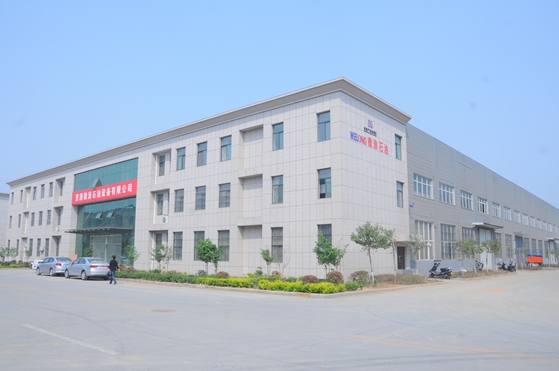
CHINA WELONG - 20+ years manufactuer in oilfield tools