API Drill Pipe Specifications Explained for Buyers
Oil and gas procurement experts must balance performance, reliability, and cost-effectiveness by understanding API drill pipe standards. API drill pipes are the backbone of drilling operations, connecting surface equipment to downhole tools and ensuring structural integrity under harsh conditions. These hollow steel tubes circulate drilling fluids, convey rotating force, and endure extreme pressure during drilling. American Petroleum Institute standards maintain quality and compatibility across drilling applications, making specification knowledge essential for informed purchasing decisions.

Understanding API Drill Pipe Specifications
The Foundation of API Standards in Drilling Operations
The American Petroleum Institute set drill pipe manufacturing standards to promote global drilling industry safety, dependability, and interoperability. API Spec 5DP is the main drill pipe design, materials, testing, and performance specification. This standard covers everything from dimensional tolerances to metallurgical qualities, giving procurement teams a reliable framework for assessing vendors and products.
In the operational context of drill pipes, understanding these parameters is crucial. They withstand rotational stress, axial stresses, drilling fluid pressure, and corrosive downhole environments. The API specification framework tackles these issues with explicit material composition, heat treatment, and quality control criteria.
Key Classifications and Grade Systems
API drill pipes are graded on yield strength and material composition. The most frequent classes are E75, X95, G105, and S135, with minimum yield strength in thousands of pounds per square inch. E75 is reliable for regular drilling, whereas X95 is stronger for more demanding tasks. G105 grade excels in difficult situations, and S135 is the strongest for intense drilling.
Outside diameters range from 2 3/8" to 6 5/8" and wall thickness varies by application. Thread connections comply with API requirements to assure manufacturer compatibility. These standardized dimensions let procurement specialists describe accurate needs while ensuring component interchangeability.
Dimensional Parameters and Technical Specifications
Drill pipe performance depends on wall thickness. Thicker walls increase strength and durability but decrease fluid circulation. These parameters affect hydraulic efficiency, weight, and drilling performance when balanced. For practical needs, thread standards include internal flush (IF) and full hole (FH) connections.
Standard length ensures drilling rig handling system interoperability. For certain purposes, lengths up to 45 feet are available. Standard lengths are 27 to 32 feet. Dimensional standards help manage inventory and organize operations while assuring drilling project consistency.
Technical Aspects of Drill Pipes Based on API Specifications
Material Composition and Metallurgical Properties
Controlled API-specified metallurgical characteristics underpin drill pipe performance. Specific percentages of carbon, manganese, chromium, and other alloying elements give steel strength, toughness, and corrosion resistance. Thermal procedures like quenching and tempering provide microstructure for mechanical characteristics.
API requirements require extensive tensile, yield, hardness, and impact toughness testing. Tests guarantee drill pipes can endure cyclic loading, torsional stress, and fatigue during drilling. To ensure specification conformity, certification comprises chemical analysis, mechanical testing, and dimensional verification.
Manufacturing Excellence and Quality Assurance
Drill pipes are made using precision forging, machining, and heat treatment to fulfill API specifications. Initial steel selection, upset forging of tool joints, heat treatment for optimal mechanical qualities, and precision thread and sealing surface machining comprise the manufacturing process. Maintaining product performance involves process control and quality verification at every step.
Quality assurance processes include magnetic particle inspection, ultrasonic testing, and visual inspection in addition to dimensional inspections. Inspections identify problems that could threaten drill pipe integrity during operation. Procurement teams can trust product quality and compliance because documentation is required from raw material to final inspection.
Performance Characteristics and Operational Capabilities
Drill pipe performance includes hydraulic efficiency, torque transmission, and fatigue resistance. Fluid flow and pressure drop calculations depend on internal diameter, affecting drilling efficiency and hydraulic horsepower. Torsional strength determines downhole tool torque limits without exceeding safety margins.
Fatigue life is crucial to operational economics and safety. API specifications set fatigue resistance minimums using defined testing techniques. Understanding these performance factors helps procurement personnel choose drill pipes that maximize drilling productivity while minimizing failure risks and downtime.
Comparing Drill Pipes: How to Choose the Right API Drill Pipe
Understanding Component Distinctions and Applications
Drill pipes are designed and operate differently from drill collars and heavy-weight drill pipe. Drill collars weigh the bit and straighten the hole, but drill pipelines convey torque and circulate drilling fluids. Understanding these functional distinctions helps procurement teams choose drill string assembly components for each region.
Handling and drilling performance depend on weight. Heavy-weight drill pipe transitions between drill collars and normal drill pipe, while standard drill pipe balances strength and weight for most applications. This gradual stiffness shift minimizes stress and prolongs component life.
Material Grade Selection Strategies
Consider drilling conditions, operational needs, and economic concerns while choosing material grades. For intermediate depth and stress drilling, E75 grade is cost-effective. X95 grade improves performance for extended reach drilling or difficult formations that require more strength.
In harsh settings including deep wells, high-pressure applications, and corrosion, G105 and S135 grades function well. Through prolonged service life and lower failure risks, premium grades generally outweigh their higher starting costs. The selection process should consider entire cost of ownership, not just purchase price.
Connection Types and Threading Systems
API connection parameters include ordinary and premium threading for different operating needs. Standard drilling applications benefit from reliable, cost-effective regular connections. Premium connections improve sealing, fatigue resistance, and performance in harsh conditions.
Connection types impact operational and economic success. Premium connectors may cost more but offer reliability, leak reduction, and longer service life. Based on drilling needs and operational goals, procurement teams should assess these aspects.
Procurement Guide for API Drill Pipes
Sourcing Strategies and Supplier Evaluation
Suppliers' production, quality, and service capabilities must be carefully assessed for drill pipe procurement. Direct manufacturer partnerships offer customization, technical assistance, and low pricing for big volume orders. For lesser volumes or urgent needs, distributors can provide flexibility, speedier delivery, and streamlined logistics.
Certification verification is crucial to supplier evaluation. API certificates and ISO 9001 compliance are required from suppliers. Third-party inspections by SGS or DNV ensure product quality and specification compliance.
Cost Analysis and Value Optimization
Drill pipe prices depend on material grade, size, quantity, and market conditions. Understanding these cost drivers helps procurement experts negotiate and optimize purchases. Volume commitments can lower prices, and flexible delivery schedules can lower inventory expenses.
Beyond initial purchase price, total cost of ownership analysis should incorporate transportation, inventory, service life, and failure-related costs. This comprehensive method often uncovers bargain opportunities that purchase price comparisons miss.
Logistics and Delivery Considerations
Logistics, customs, and delivery must be planned carefully for international sourcing. Ocean freight is for big amounts, air freight for urgent needs, and rail or truck for regional distribution. FOB, CIF, DDP, and DDU affect risk management and cost allocation.
Delivery timing coordination is crucial for drilling projects with special scheduling needs. Suppliers with flexible transportation and established logistics networks can help achieve tight delivery schedules at low cost.
Maintenance, Inspection, and Safety Standards of API Drill Pipes
Non-Destructive Testing Protocols
API guidelines require thorough inspections to uncover faults before they impair operating safety or performance. Cracks, corrosion, and mechanical degradation are visible upon visual inspection. Magnetic particle inspection exposes surface and near-surface defects that normal testing may miss.
Ultrasonic testing reveals wall thickness differences, internal faults, and corrosion damage in pipes. These inspection procedures require trained staff and calibrated equipment for accuracy. Details of inspection techniques, outcomes, and corrective actions must be documented.
Preventive Maintenance Best Practices
Drill pipe performance and lifespan depend on proper handling and storage. Protection from weather, assistance to prevent deformation, and organization mechanisms for inspection and inventory management are storage needs. Handling should reduce impact damage and thread contamination.
Cleaning removes drilling fluid residues, formation materials, and other corrosion and operating hazards. Thread protection and preservation preserve connections during storage and travel. These precautions prolong service life and reduce operational failures.
Regulatory Compliance and Safety Standards
Safety restrictions for drill pipe operations include design, operational, and personnel training. API specifications set minimum material qualities, manufacturing quality, and inspection procedures for these safety criteria. These regulations protect equipment and maintain worker safety.
Inspecting, handling, and replacing based on service life or condition assessments reduce risk. Documentation supports regulatory compliance and operational history for service life analysis and procurement planning.
Company Introduction and Product & Service Overview
WELONG's Manufacturing Excellence and Industry Leadership
Manufacturing Excellence and Industry Leadership at WELONG
Over two decades of dedicated service and continual improvement have made WELONG a leading oilfield equipment producer. Our manufacturing facilities fulfill the strictest API criteria with innovative production methods and quality control systems. We are ISO 9001:2015 and API 7-1 certified, confirming our quality management and industry standards compliance.
We manufacture API drill pipes in grades E75, X95, G105, and S135, ranging from 2 3/8" to 6 5/8". Hardbanding alternatives like Arnco 100XT and Arnco 300XT prolong service life in abrasive drilling settings, while advanced coating technologies like TK34 and TK34P protect against corrosion. We can address numerous drilling application client needs with this extensive product line.
Comprehensive Service Portfolio and Customer Support
WELONG provides supply chain management, technical consulting, and after-sales support in addition to manufacturing. Our skilled technical team helps customers choose drill pipes for their individual drilling needs with application-specific recommendations. This technological expertise is crucial in difficult applications where traditional solutions may not function well.
Inspections are essential to our quality assurance program. API compliance is verified by in-process and final inspection techniques. SGS and DNV collaborations offer third-party inspections. These extensive inspection capabilities give clients confidence in product quality and meet the strictest procurement criteria.
Global Reach and Logistics Excellence
Our global logistics services provide flexible transportation and competitive trade conditions. Sea freight, air cargo, and rail services enable customized delivery solutions based on customer needs and project timelines. Customers can choose FOB, CIF, DDP, or DDU trade terms to meet their procurement and logistics needs.
In today's competitive industry, supply chain efficiency is crucial. We deliver quickly and cheaply using our production planning and inventory management tools. This operational excellence helps customers meet project deadlines while optimizing procurement and inventory expenses.
Conclusion
Global drilling operations depend on API drill pipe requirements for quality, compatibility, and performance. Understanding these parameters helps procurement experts balance cost, operational, and safety needs. This guidance emphasizes material grades, production procedures, and quality assurance for reliable drilling performance. Effective procurement, maintenance, and inspection practices reduce operational risks, optimize total cost of ownership, and ensure regulatory compliance throughout the equipment lifecycle.
FAQ
1. What are the most important factors to consider when selecting API drill pipes?
Material grade selection should align with drilling conditions and stress requirements, while size specifications must match rig capabilities and hydraulic requirements. Quality certifications and supplier reliability represent equally important factors that affect long-term operational success and cost effectiveness.
2. How do premium connections enhance drilling safety and performance?
Premium connections provide superior sealing capabilities, enhanced fatigue resistance, and improved performance under challenging conditions. These advantages reduce leak risks, extend service life, and minimize failure-related safety hazards, though they require higher initial investment compared to standard connections.
3. Can pre-owned drill pipes meeting API specifications provide reliable service?
Pre-owned drill pipes can deliver acceptable performance when properly inspected and certified to meet current API requirements. Comprehensive inspection protocols including non-destructive testing methods help verify condition and remaining service life, enabling informed decisions about refurbished equipment utilization.
4. What inspection frequency recommendations apply to API drill pipes during operations?
Inspection frequency varies based on drilling conditions, service hours, and operational stress levels. API recommendations typically include daily visual inspections, periodic non-destructive testing, and comprehensive evaluations based on accumulated service time or number of drilling cycles.
Partner with WELONG for Superior API Drill Pipe Solutions
WELONG can help you with your drilling projects by giving you high-quality API drill pipes that are made to your exact specifications and come with full service support. Because we've been an API drill pipe supplier for a long time, we can offer custom solutions that meet your exact operational needs while keeping our prices low and our delivery times reliable. Email our team at [email protected] to talk about your needs and find out how our manufacturing skills, quality control systems, and global logistics network can help your drilling operations.
References
1. American Petroleum Institute. "API Specification 5DP: Drill Pipe." Washington, DC: American Petroleum Institute Standards Department, 2020.
2. Smith, Robert J. "Metallurgical Properties and Performance Characteristics of High-Strength Drill Pipe Alloys." Journal of Petroleum Technology, Vol. 74, No. 3, 2022.
3. Johnson, Michael K. "Economic Analysis of Drill Pipe Selection Strategies in Deepwater Operations." SPE Drilling & Completion Engineering, Vol. 37, No. 2, 2022.
4. Wilson, David L. "Non-Destructive Testing Methods for Drill Pipe Inspection and Quality Assurance." Oil and Gas Equipment Reliability Review, Vol. 15, No. 4, 2023.
5. Thompson, Sarah E. "Supply Chain Management Best Practices for Oilfield Equipment Procurement." International Journal of Oil and Gas Engineering, Vol. 28, No. 1, 2023.
6. Anderson, James P. "Safety Standards and Regulatory Compliance in Drill Pipe Operations: A Comprehensive Review." Petroleum Safety and Environmental Protection Quarterly, Vol. 12, No. 2, 2023.

Share your inquiry, get the quotation accordingly!
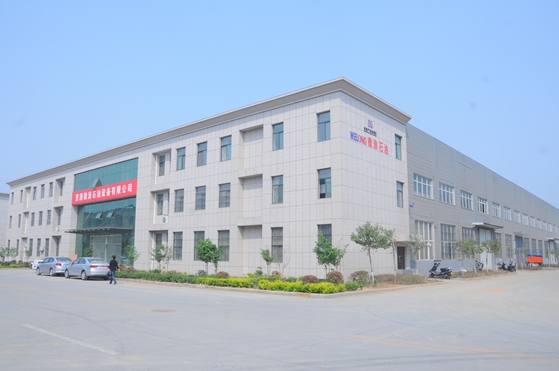
CHINA WELONG - 20+ years manufactuer in oilfield tools