How to Choose the Right Drill Pipe for Your Project?
When picking the appropriate drill pipe for your drilling operation, consider many operational and technical factors. The choice impacts project economics, safety, and drilling efficiency immediately. Modern drilling operations need tubular goods that can withstand harsh downhole environments to maintain structural integrity during long drilling campaigns. Considerations include matching pipe specifications to drilling parameters, understanding material grades and performance, threading compatibility, and long-term cost consequences. Successful procurement balances operational lifespan, maintenance issues, and immediate technical needs.

Understanding Drill Pipes: Types, Materials, and Specifications
Drill pipes transport drilling fluid and axial stresses and rotational torque between surface machines and downhole drilling instruments. Drilling mud flows down the drill string and back up the annular area through these hollow steel tubes, stabilizing the wellbore and cooling the drill bit.
Core Functions and Design Principles
The basic design of drill pipes prioritizes durability and adaptability to various drilling circumstances. To eliminate structural weaknesses, these seamless tubes are manufactured using strict methods. The hollow shape allows drilling fluid to flow efficiently, while the large wall thickness handles the high mechanical forces of drilling.
Material Grades and Performance Characteristics
Drill pipes that satisfy industry standards are built of high-strength steel alloys for demanding drilling. Grades E75, X95, G105, and S135 have unique strengths and performance. E75 is reliable for typical drilling, whereas X95 is stronger for moderately tough conditions. S135 is strongest for tough drilling jobs that require high load capacity, while G105 performs well in demanding applications.
Dimensional Specifications and Threading Systems
Standard drill pipe diameters range from 2 3/8 inches to 6 5/8 inches to accommodate diverse drilling demands and equipment. Length specifications are usually 27–32 feet, but 45 feet is possible for certain applications. Threading systems ensure connection dependability, and API standards ensure performance and compatibility across manufacturers and operational conditions.
Key Criteria for Choosing the Right Drill Pipe for Your Project
A methodical assessment of project-specific factors and operating requirements is necessary to choose the best drill pipe options. To find the best tubular items for your application, the decision-making process entails evaluating drilling circumstances, technical requirements, and financial factors.
Drilling Environment Assessment
The choice of drill pipe and performance results are strongly influenced by environmental conditions. The depth requirements establish the required fatigue resistance and strength properties. In directional drilling applications in particular, wellbore trajectory has an impact on bending needs and stress distribution. Wear factors and corrosion resistance requirements are influenced by formation parameters, which also affect pipe longevity and maintenance demands.
Strength and Durability Requirements
Decisions on grade selection and performance expectations can be made with knowledge about mechanical parameters. The load-carrying capability under different drilling circumstances is determined by tensile strength. Drilling efficiency and rotational capacity are impacted by torsional strength. Fatigue resistance has a direct impact on project economics and operational continuity by influencing maintenance intervals and operational longevity.
Compatibility Considerations
The smooth integration of equipment with current drilling systems and operational protocols is ensured via compatibility. Makeup qualities and connection reliability are impacted by threading compatibility. Diameter requirements have to match operating characteristics and drilling equipment. Over the course of the operating lifecycle, weight factors affect handling requirements and drilling performance parameters.
Common Challenges and Problem-Solving Tips for Drill Pipe Usage
Drilling issues might affect drill pipe performance and efficiency. Be aware of these potential issues and take proactive steps to mitigate them to save unexpected costs and downtime and maintain operational continuity.
Wear and Corrosion Management
Abrasive drilling fluids and corrosive downhole conditions constantly attack drill pipe components. TK34 and TK34P coatings prevent corrosion and extend operational life in harsh conditions. Arnco 100XT and Arnco 300XT hardbanding applications protect critical wear regions, reducing maintenance and improving performance reliability.
Threading and Connection Issues
To sustain drilling fluid circulation and minimize costly failures, connection integrity is still essential. The frequent inspections discover thread wear and damage before major failures. Correct composition ensures longevity and optimal connection performance. Understanding thread specs and compatibility ensures system reliability during drilling.
Preventive Maintenance Strategies
Full maintenance of equipment lowers working risks and makes it last longer. Visual checks can often find problems before they become expensive ones. A non-destructive test finds flaws and stress buildup inside a structure that could make it less stable. Through tracking and documentation systems, the best times for replacement and planned repair are found to make the most money.
Market Overview and Supplier Selection for Global Procurement
There are many makers and suppliers in the drill pipe business. To make good procurement choices that balance delivery, quality, and cost for project success, it's helpful to know what suppliers can do and how the market is doing.
Industry Standards and Certifications
API SPEC 5DP sets standards for quality and efficiency for testing and making drill pipes. These requirements make sure that makers and suppliers meet standards for product quality and performance. Certification makes sure that the product works with standard industry tools and methods and can be relied on.
Supplier Evaluation Criteria
For supplier relationships to work, more than just price needs to be taken into account. Quality control and production tools affect how well and how reliably a product works. Logistics and the reliability of deliveries affect how inventory is managed and how projects are scheduled. Throughout the operational lifecycle, technical and after-sales help are worth their weight in gold.
The main things that are used to judge sellers are listed below:
- Quality Control Systems: Thorough inspection methods, such as in-process and final inspection procedures, make sure that product quality and dependability stay the same throughout the manufacturing process.
- Delivery Performance: Schedules that are easy to change and different shipping options, like air, sea, and rail, make it possible to meet project deadlines and organizational needs.
- Technical know-how: The ability to make things to order and the help of engineers make it possible to come up with unique answers for problems and needs in specific applications.
- The standards for certification: API compliance and third-party inspection services through reputable companies like SGS and DNV provide independent proof of the quality and performance of a product.
These evaluation criteria help procurement experts find suppliers who can consistently offer value and support long-term operating success across a wide range of drilling applications and market conditions.
WELONG Drill Pipe Solutions and Manufacturing Excellence
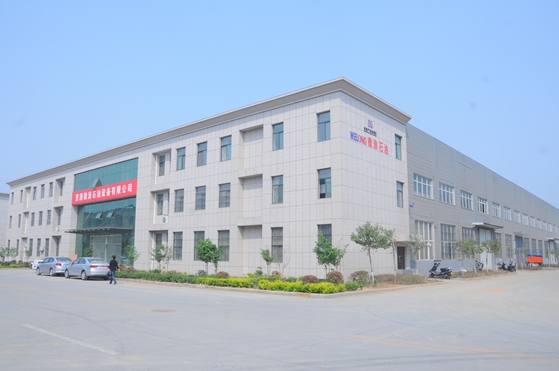
With more than 20 years of specialized experience in the production of oilfield equipment, WELONG has built a solid reputation for providing premium drill pipe solutions that satisfy exacting operational specifications. Our all-encompassing strategy ensures dependable performance across a variety of drilling applications by fusing cutting-edge manufacturing capabilities with strict quality control procedures.
Product Portfolio and Technical Specifications
Across a range of grades and dimensions, our drill pipe manufacturing program produces products that comply with API SPEC 5DP. Sizes ranging from 2 3/8 inches to 6 5/8 inches are available to meet different machine combinations and drilling needs. Grade alternatives that meet various strength and performance requirements in a range of drilling settings include E75, X95, G105, and S135.
Advanced Manufacturing and Quality Assurance
Strict quality control procedures are integrated into our manufacturing operations throughout production cycles, guaranteeing consistent product quality and dependability. Precise manufacturing schedules are maintained by skilled production teams, allowing for prompt delivery to client locations across the globe. For improved quality verification, comprehensive inspection services offer additional third-party inspection options through established agreements with SGS and DNV, in addition to in-process and final inspection processes.
Global Logistics and Service Capabilities
Sea, air, and rail transportation choices are among the various shipping solutions offered by WELONG to accommodate a range of delivery needs and project timelines. Customers can choose the best procurement structures for their unique operational and financial needs thanks to our commercial flexibility, which includes a variety of trade terms like FOB, CIF, DDP, and DDU agreements.
Conclusion
When picking the correct drill pipe for your project, you should carefully think about the technical details, the working needs, and the supplier's abilities. Knowing about material grades, size requirements, and performance traits is important for making smart decisions that improve drilling efficiency while keeping costs low. By finding a balance between short-term technical needs and long-term practical goals, good procurement strategies make sure that projects always run smoothly. Working with seasoned manufacturers who follow strict quality standards and provide a wide range of support services can help you lower risks and improve operating performance in a wide range of drilling applications.
FAQ – Frequently Asked Questions
1. What factors determine drill pipe durability?
Drill pipe durability depends on material grade selection, manufacturing quality, operational conditions, and maintenance practices. Higher strength grades like S135 offer superior performance in demanding applications, while proper handling and regular inspection significantly extend operational life. Environmental factors such as drilling fluid chemistry and downhole temperatures also influence durability outcomes.
2. How do seamless and welded pipes compare for drilling applications?
Seamless drill pipes provide superior strength and reliability compared to welded alternatives, eliminating potential failure points associated with weld seams. The seamless manufacturing process ensures uniform material properties and structural integrity throughout the pipe body, making them the preferred choice for demanding drilling operations where reliability is paramount.
3. What are typical lead times for bulk drill pipe orders?
Lead times for bulk drill pipe orders typically range from 4 to 8 weeks depending on quantity, specifications, and manufacturing schedules. Custom specifications or special coatings may require additional time for production and quality verification. Early planning and clear communication with suppliers help ensure timely delivery for project requirements.
Partner with WELONG for Superior Drill Pipe Solutions
With decades of manufacturing experience and a steadfast dedication to quality, WELONG is prepared to support your drilling operations with superior drill pipe solutions. Our extensive product line consists of several grades and standards that are intended to satisfy various operational needs without sacrificing affordability. Contact our technical team at [email protected] for personalized recommendations, detailed quotations, and expert guidance on selecting the optimal drill pipe supplier for your specific project needs.
References
1. American Petroleum Institute. "API Specification 5DP: Specification for Drill Pipe." 6th Edition, Washington, DC: API Publishing Services, 2020.
2. Mitchell, Robert F. and Stefan Z. Miska. "Fundamentals of Drilling Engineering." Society of Petroleum Engineers Textbook Series, Volume 12, Richardson, TX: SPE, 2011.
3. Bourgoyne, Adam T., Keith K. Millheim, Martin E. Chenevert, and F.S. Young Jr. "Applied Drilling Engineering." Society of Petroleum Engineers Textbook Series, Volume 2, Richardson, TX: SPE, 1986.
4. Rahman, Saeed and Ahmed Chilingarian. "Casing Design: Theory and Practice." Developments in Petroleum Science, Volume 42, Amsterdam: Elsevier Science, 1995.
5. Bellarby, Jonathan. "Well Completion Design." Developments in Petroleum Science, Volume 56, Amsterdam: Elsevier Science, 2009.
6. Thorogood, John L. "Drilling System Automation: A Review of Technical Progress and Commercial Drivers." Society of Petroleum Engineers Annual Technical Conference Proceedings, Dallas, TX: SPE, 2018.

Share your inquiry, get the quotation accordingly!
CHINA WELONG - 20+ years manufactuer in oilfield tools