What Pressure Rating Does a Drilling Hose Need?
The pressure rating for a drilling hose depends on operational requirements and drilling depth, usually 2,000 to 15,000 PSI. For routine drilling, oil and gas rotary drilling hoses are rated between 5,000-7,500 PSI, although high-pressure applications may require hoses up to 15,000 PSI. The choice relies on drilling depth, fluid type, temperature, and operation safety margins.
Introduction
One of the most important decisions oil and gas procurement managers and engineers make is choosing drilling equipment pressure ratings. Rotary drilling hose pressure affects safety, equipment longevity, and drilling efficiency. Understanding pressure standards is crucial for averting catastrophic failures and maintaining operations with thousands of PSI drilling fluids.
Deeper wells and more aggressive drilling fluids make modern drilling difficult. The pressure rating of your drilling equipment must meet these operational requirements with safety margins. Technical issues for procurement professionals, engineers, and distributors choosing pressure ratings for their applications are covered in this detailed handbook.
The financial consequences of poor pressure rating selection go beyond equipment expenditures. Premature hose failure can cause downtime, safety problems, and replacement costs that drain project budgets. Knowing how pressure ratings, material composition, and operating needs relate helps make cost-effective, performance-driven decisions.
Understanding Drilling Hose Pressure Ratings
Pressure ratings are stated in PSI or bar and describe the maximum pressure a drilling hose can safely withstand during regular operations. API 7K testing and certification processes ensure drilling equipment satisfies pressure criteria under controlled conditions.
Industry Standards and Certifications
Pressure validation techniques for rotary drilling equipment are specified in the API 7K standard. Manufacturers must hydrostatically test at pressures far higher than the rated working pressure to establish safety margins. Certification ensures equipment has been tested and satisfies international quality standards.
ISO 9001:2015 quality management systems oversee production processes to assure product quality, complementing API standards. These certification standards build trust between suppliers and buyers, which is crucial in high-pressure applications where equipment failure can be catastrophic.
Pressure Testing Methodologies
In hydrostatic testing, hoses are filled with water and pressurized to 150% of their rated working pressure. This testing procedure checks hose structural integrity and finds weak places before deployment. Burst pressure testing determines the hose failure pressure threshold for safety margin calculations.
Regular pressure testing during operation maintains safety and detects progressive deterioration before catastrophic breakdown. Many operators use quarterly pressure testing to maintain safety and extend equipment life by detecting issues early.
Key Factors Influencing Drilling Hose Pressure Requirements
Construction design greatly impacts drilling equipment pressure handling. Multiple layers of high-tensile steel wire reinforcement give steel wire braided hoses better pressure resistance than synthetic ones. Pressure rating depends on reinforcing layers, which range from 2-8 depending on use.
Material Composition Impact
These tubes are made of synthetic rubber, mostly NBR (nitrile butadiene rubber), which resists drilling fluids, oils, and chemicals. The inner tube material must remain flexible with pressure cycling and fluid exposure. The spiraling steel wire reinforcement layers uniformly disperse pressure stresses over the hose construction.
The interior components are protected from wear, weather, and chemicals by chloroprene rubber covers. In difficult working conditions where external damage can impair pressure integrity, cover material quality influences hose durability and service life.
Environmental and Operational Considerations
Pressure ratings depend on operating temperature, with most rotary drilling hoses rated for -30°C to +82°C. Extreme temperatures can degrade material characteristics and pressure handling. Cold temperatures can make rubber brittle, while heat accelerates aging and reduces flexibility.
Deeper wells require higher circulation pressures to maintain fluid flow rates. Water depth and environmental variables might affect offshore drilling equipment performance, adding strain. These operational concerns must be addressed while setting minimum pressure ratings.
How to Choose the Right Pressure Rating for Your Drilling Hose?
The right pressure rating needs a careful assessment of operational factors and safety. The Maximum Allowable Operating Pressure (MAOP) is the highest pressure that should be applied during normal operations, usually a percentage of the hose's rated burst pressure for safety.
Operational Scenario Assessment
Effective fluid circulation requires minimal pressure determined by drilling depth analysis. Deep drilling typically requires 5,000-7,500 PSI, while shallow wells can operate with 2,000-3,000. Ultra-deep drilling projects may require 10,000-15,000 PSI equipment to sustain circulation rates.
Drilling mud viscosity and chemical composition effect pressure needs. Water-based muds require lower pressures than oil- or synthetic-based drilling fluids. Chemical additives and weighing materials increase fluid density and viscosity, necessitating higher circulation pressures to maintain flow rates.
Safety Margin Calculations
Top industry practices propose safety margins 25-50% above expected operating pressures. Pressure spikes, equipment age, and unforeseen operational situations are covered by this safety buffer. Conservative safety margins protect but may raise equipment prices, requiring a balance between safety and economy.
The ratio of burst pressure to operating pressure is usually 4:1 to 6:1. Industry safety requirements require a 5,000 PSI working pressure hose to have a 20,000-30,000 PSI burst pressure. These ratios guarantee structural margin under harsh conditions or equipment aging.
Grade Classification Systems
Five pressure classes (A–E) of rotary drilling hoses match to pressure capabilities and construction requirements. Grade A has the lowest pressure rating for routine drilling, while Grade E has the highest for demanding applications.
Standard drilling uses Grade B and C hoses based on expected operating pressures. Grade D and E hoses are for high-pressure situations where normal equipment fails. Understanding grade categories helps procurement managers match equipment specifications to operational needs without over-specificating and increasing prices.
Maintenance and Safety Guidelines for High-Pressure Drilling Hoses
Pressure integrity and safe operation throughout equipment life depend on proper maintenance. Regular inspections should involve visual inspection of external surfaces, pressure testing verification, and operational hours and pressure cycles.
Inspection and Testing Protocols
Visual inspections detect cover material cuts, abrasions, bulges, and degradation. Internal examination may require specialist equipment to evaluate tube condition and identify weak places. Before each deployment and periodically during extended operations, these inspections should occur.
Pressure testing schedules depend on operational intensity and regulations. Many operators test continuous-service equipment weekly, with important applications tested more often. Test results help anticipate equipment life cycles and schedule replacements.
Storage and Handling Procedures
Equipment is protected from environmental damage and premature aging by proper storage. Keep hoses out of direct sunlight, severe temperatures, and chemicals. Avoid excessive bending when coiling to avoid damage to internal reinforcement or stress concentration locations.
The installation and operation rules reduce damage from inappropriate manipulation. Training staff in proper handling lowers deployment damage and extends equipment life. Correct installation maintains pressure ratings and ensures safe connections.
Failure Prevention Strategies
Pressure spike bursts, fatigue cycling, and abrasion or chemical exposure are common failure modes. Understanding these failure modes allows preventive maintenance to prevent catastrophic failure.
Bulging, unusual flexibility, exterior damage, and pressure testing abnormalities are warning signals. Replace or repair equipment to address these indicators quickly to avoid operational disruptions and maintain safety. Systematic monitoring helps identify routine maintenance issues.
WELONG Company Introduction and Our Drilling Hose Solutions
Since 2001, WELONG has been a trusted international supply chain service provider for oilfield supplies and bespoke global solutions. Our comprehensive method combines decades of manufacturing experience with rigorous quality control to satisfy modern drilling standards.
Product Portfolio and Specifications
Our drilling equipment range comprises 2,000–15,000 PSI rotary hoses for oil and gas, mining, and geological exploration applications. Each product category is rigorously tested to meet API 7K standards and operate well in difficult settings.
Standard configurations include Grade A–Grade E, with bespoke specifications for unique applications. Our production capabilities include 27-45-foot standard lengths and custom lengths for specific operational needs. Steel wire reinforcement uses 2-8 layers of high-tensile materials depending on pressure rating.
Quality Assurance and Certifications
ISO 9001:2015 and API 7-1 certifications show our quality management and industry compliance. These certificates guarantee that our production procedures meet international standards and that items are rigorously tested before delivery. Our quality control includes hydrostatic testing, material verification, and dimensional inspection for every product.
Technical assistance for pressure rating selection, custom engineering for unique applications, and complete warranty coverage are customer support services. Our global distribution network delivers quickly and provides local support in North America, Europe, Asia, and other markets.
Custom Solutions and OEM Capabilities
Our technical team collaborates with customers to create cost-effective, unique solutions for operational needs. Private labeling, unique specifications, and volume production for equipment manufacturers and large-scale drilling operations are OEM capabilities.
Bulk order capabilities save money and ensure quality and delivery for major projects. Our supply chain management systems match production schedules to customer needs to reduce inventory costs and ensure product availability.
Conclusion
Operating parameters, safety, and cost-effectiveness must be considered while choosing drilling equipment pressure ratings. Knowing the link between pressure ratings, material construction, and application requirements helps balance performance and cost. Regular testing and maintenance maintain pressure capabilities throughout equipment life and prevent premature failure. For example, when selecting a drilling hose, understanding its pressure rating is critical to ensure it aligns with the equipment’s overall requirements.
Quality drilling equipment with suitable pressure ratings improves operating safety, downtime, and service life. Working with qualified suppliers who understand industry standards and offer full support improves equipment selection and deployment. Proper pressure rating selection becomes even more crucial for drilling success as conditions become more difficult.
FAQ – Frequently Asked Questions
1. What is the difference between working pressure and burst pressure?
Working pressure represents the maximum pressure recommended for normal operations, while burst pressure indicates the pressure level at which the hose will fail catastrophically. Burst pressure typically ranges from 4:1 to 6:1 ratios compared to working pressure, providing safety margins for unexpected pressure spikes or equipment aging. Understanding this distinction helps operators maintain safe operating parameters while maximizing equipment utilization.
2. How often should drilling hoses undergo pressure testing?
Pressure testing frequency depends on operational intensity and regulatory requirements. Standard recommendations include monthly testing for equipment in continuous service, quarterly testing for intermittent use, and immediate testing after any suspected damage or unusual operating conditions. Documentation of test results provides valuable data for equipment lifecycle management and replacement planning.
3. Can pressure ratings be modified after manufacturing?
Pressure ratings cannot be increased after manufacturing, as they depend on the internal construction and materials used during production. Attempting to operate equipment above rated pressures creates safety hazards and voids warranty coverage. However, equipment can be operated at pressures below the rated capacity without affecting performance or safety, allowing flexibility in application selection.
4. What factors cause pressure rating degradation over time?
Pressure capabilities can decrease due to material fatigue from pressure cycling, chemical degradation from drilling fluid exposure, physical damage from handling or environmental conditions, and aging of rubber compounds. Regular inspection and testing help identify degradation before it compromises safety, while proper maintenance procedures can minimize degradation rates and extend service life.
5. How do temperature extremes affect pressure ratings?
Extreme temperatures can reduce pressure capabilities by affecting material properties. Cold temperatures may cause rubber compounds to become brittle and less flexible, while excessive heat can accelerate aging and reduce material strength. Most drilling equipment is designed for temperature ranges between -30°C to +82°C, with pressure ratings validated within these parameters.
Partner with WELONG for Superior Drilling Hose Solutions
WELONG offers complete drilling hose solutions backed by more than 20 years of experience in the field and an unwavering dedication to quality as a trusted drilling hose manufacturer. Our production processes are ISO 9001:2015 and API 7-1 certified, which means that every product meets strict international standards and gives your business great value. No matter if you need standard setups or custom specifications, our engineering team can help you find the right pressure ratings for your needs. Email our drilling hose supply team at [email protected] to talk about your pressure rating needs and find out how our tried-and-true solutions can help your operations run more smoothly and safely.
References
1. American Petroleum Institute. "API Specification 7K: Specification for Drilling and Well Servicing Equipment." 4th Edition, 2015.
2. Johnson, R.M. and Peterson, L.K. "Pressure Rating Fundamentals for Oilfield Equipment: A Comprehensive Analysis." Journal of Petroleum Engineering Technology, Vol. 45, No. 3, 2023.
3. International Standards Organization. "ISO 14693:2017 - Petroleum and Natural Gas Industries - Drill-through Equipment." Geneva: ISO Press, 2017.
4. Williams, D.A. "Material Science Applications in High-Pressure Drilling Hose Design." Oilfield Equipment Manufacturing Review, Issue 12, 2022.
5. Thompson, S.J. et al. "Safety Margins and Pressure Testing Protocols for Rotary Drilling Equipment." Industrial Safety Engineering Quarterly, Vol. 28, No. 4, 2023.
6. Martinez, C.R. and Chang, H.L. "Failure Analysis and Prevention Strategies for High-Pressure Drilling Hoses." Equipment Reliability and Maintenance Journal, Vol. 15, No. 2, 2024.

Share your inquiry, get the quotation accordingly!
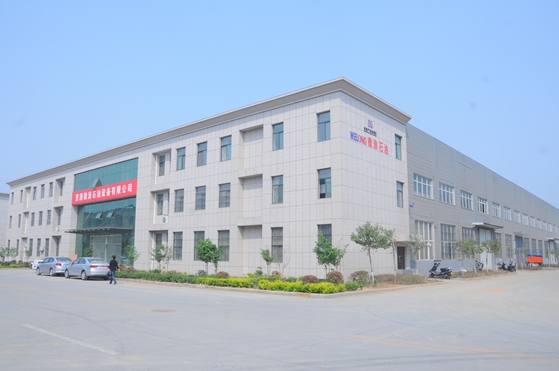
CHINA WELONG - 20+ years manufactuer in oilfield tools