API Standards for Elevator Links Explained
When choosing drilling equipment that satisfies industry criteria, it becomes essential to comprehend API standards for elevator links. Safety, dependability, and compatibility across drilling operations are guaranteed by API elevator link requirements. Throughout their projects, purchasing managers may make well-informed decisions while upholding cost control and operational excellence thanks to these uniform principles.
What Are API Standards and Why They Matter for Elevator Links
Overview of API Standards
To guarantee uniformity and safety across oilfield equipment, the American Petroleum Institute (API) created extensive standards.
API Standards' Significance
These standards include comprehensive guidelines for procedures related to testing, manufacturing, and quality control. Customers receive items that satisfy strict performance requirements when equipment makers adhere to API rules.
Important Elements of API Standards
Material specifications, dimensional tolerances, load capabilities, and testing procedures are all covered under API standards. Equipment certified in accordance with these criteria is put through a rigorous evaluation process to confirm its operational dependability and structural integrity.
Advantages of Certification
Drilling contractors can increase operational efficiency and reduce equipment breakdowns by completing this certification process. Purchasing teams are better equipped to specify the right equipment for their operations when they are aware of these criteria.
Effect on Procurement and Engineering
Because elevator linkages, including the API elevator link, satisfy predetermined performance standards, engineers can choose them with confidence. This information lowers procurement risks and promotes improved project results.
Core API Specifications for Drilling Equipment Components
An overview of API Specification 8A
Elevator connections and other drilling and production lifting equipment requirements are outlined in API Specification 8A.
Essential Conditions of API Specification 8A
Material characteristics, production procedures, and quality assurance procedures are described in this specification. For equipment to be certified, it must exhibit particular strength qualities and dimensional correctness.
Elevator Link Evaluation Standards
Both welded and weldless elevator link designs are covered in the specification. Depending on how it was constructed, each kind is subject to a distinct set of evaluation standards. While welded designs must adhere to extra inspection standards for joint integrity, weldless linkages necessitate particular forging procedures.
Ratings of Load Capacity
Another important component of API requirements is load capacity ratings. These ratings guarantee that elevator links can support specified weights during drilling operations in a safe manner. To ensure that their products fulfill or surpass specified capacities, manufacturers are required to perform proof testing.
Material Traceability's Significance
An integral part of API compliance is material tracking. Steel suppliers, heat treatment procedures, and chemical compositions must all be documented by manufacturers. When necessary, this documentation aids in troubleshooting and offers quality assurance for components such as the API elevator link.
Understanding Load Ratings and Safety Factors
Load Ratings' Significance
The maximum weight that elevator linkages may safely hold while in operation is determined by load ratings. Specific safety factors are required by API standards in order to account for operational changes and dynamic loading circumstances. These elements aid in preventing equipment malfunctions that can cause expensive downtime or safety hazards.
Limits on Working Loads
Usually, working load restrictions are a small portion of the ultimate breaking strength. This cautious method takes operational stress concentrations, corrosion effects, and fatigue loading into consideration. While choosing the right equipment for a given application, engineers need to be aware of these relationships.
Validation through Proof Testing
Manufacturer load ratings are verified under controlled circumstances through proof testing. In order to confirm structural integrity, this testing procedure applies loads above typical operating conditions. When equipment passes these tests, it shows that it complies with API specifications and gives field applications confidence.
Dynamic Loading Considerations
When assessing the performance of elevator links, dynamic loading concerns become crucial. Frequent load cycling during drilling operations may shorten the equipment's lifespan. API standards use material specifications and fatigue testing criteria to solve these issues.
Material Requirements and Manufacturing Processes
The Basis of Elevator Links Compliant with APIs
API-compliant elevator connections are built using premium alloy steel. For difficult drilling operations, these materials offer the strength and durability required.
Needs for Chemical Composition
Requirements for chemical composition guarantee uniform material qualities among various producers and manufacturing batches. Maintaining performance reliability under a variety of operational circumstances depends on this standardization.
Effects of Heat Treatment Methods
The properties of the finished product are greatly impacted by heat treatment procedures. When heat treatment is done correctly, residual stresses are reduced and ideal strength and toughness combinations are developed. To produce consistent outcomes, API guidelines outline temperature ranges, heating rates, and cooling techniques.
Benefits of Forging Methods
Superior grain structure is produced by forging techniques as opposed to cast or machined alternatives. Swaged forging improves fatigue resistance by lining up material grain flow with stress patterns. Elevator linkages made using this manufacturing process can resist numerous loading cycles.
Measures for Quality Control
Consistent product quality is ensured by quality control procedures used throughout the production process. Internal defects that potentially impair performance are found using non-destructive testing techniques. Surface treatments also prolong service life in harsh conditions and prevent corrosion.
Inspection and Testing Protocols
The Value of Thorough Inspection Procedures
Throughout the manufacturing process, thorough inspection procedures confirm API compliance. Initial examinations of the material verify that its mechanical qualities and chemical makeup satisfy the specifications. Programs for quality assurance are built upon these inspections.
Dimensional Examinations
Dimensional examinations guarantee that elevator linkages satisfy the geometric specifications needed for correct fit and operation. Because of their influence on load distribution and operational safety, critical dimensions are given particular consideration. Inspection reports fulfill traceability requirements and record compliance.
Methods of Non-Destructive Testing
Internal flaws that are not visible to the naked eye are exposed by non-destructive testing techniques. While ultrasonic testing assesses the component's internal soundness and material integrity, magnetic particle testing finds surface and near-surface defects.
The Function of Load Tests
Design calculations and manufacturing quality are verified by load testing. Controlled loads are used in proof tests to confirm structural sufficiency for components such as the API elevator link. Prior to field deployment, these tests reveal possible quality problems and give assurance about the equipment's functionality.
Quality Control and Certification Processes
Strong Quality Control Systems Are Essential
Consistent adherence to API standards is guaranteed by strong quality control measures. These systems cover the acquisition of materials, manufacturing operations, inspection protocols, and documentation needs. Product reliability is increased and variability is decreased through effective quality management.
Third-Party Inspection Services' Function
Independent confirmation of API compliance is offered by third-party inspection services. Specialized knowledge in oilfield equipment evaluation is provided by organizations such as SGS and DNV. Their participation gives the certification procedures more legitimacy and assurance.
Documentation Needed for Quality Control
Traceability and quality assurance initiatives are supported by documentation requirements. Manufacturers are required to keep thorough records of their materials, procedures, and test findings. Initiatives for continuous improvement are supported and root cause analysis is made possible by this material.
Verification of Compliance by Certification Marking
Equipment in the field that complies with APIs is identified by its certification marking. Manufacturer identification, load ratings, and specification references are all part of proper marking. Operators can use this information to confirm that equipment is appropriate for particular uses.
Comparing Single-Arm vs Double-Arm Elevator Link Designs
Single-Arm Elevator Links' Benefits
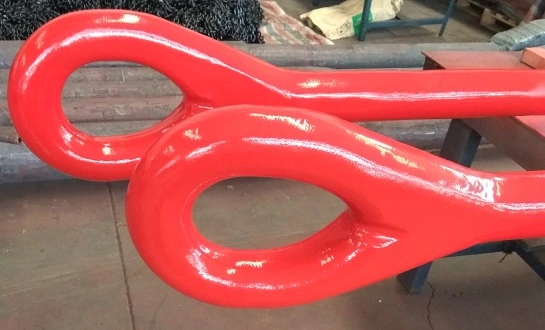
For many applications, single-arm elevator linkages provide affordability and ease of use. Potential failure spots linked to welded joints are eliminated by their weldless structure. Forging techniques that maximize material characteristics and dimensional precision are the main focus of manufacturing operations.
Double-Arm Configurations' Advantages
For heavy-duty applications, double-arm systems offer improved load distribution. These designs use welded construction, which necessitates further testing and inspection. Manufacturers must use specific non-destructive testing techniques to prove the quality of their welds.
Considerations for Load Capacity
Selection decisions are influenced by variations in load capacity among designs. While double-arm links may carry larger loads, single-arm links usually manage lighter loads more effectively. The best settings for various processes can be found with the aid of application-specific analysis.
Maintenance Issues with Various Designs
Different design types have different maintenance requirements. Inspection methods for single-arm links are typically simpler. Double-arm systems, on the other hand, require more careful maintenance procedures since weld regions and stress concentration zones require greater attention.
Common Challenges in API Compliance and How to Address Them
Difficulties in Purchasing Materials
One of the biggest obstacles to API compliance is material sourcing. Steel chemistry and characteristics must be checked by manufacturers to ensure they fulfill specifications. Building ties with capable suppliers contributes to reliable material quality.
The Value of Controlling the Manufacturing Process
Controlling the manufacturing process becomes essential to preserving compliance. Consistent outcomes are supported by operator training, process documentation, and temperature monitoring. Reduced rework and increased quality are two benefits of investing in process control systems.
Ensuring Precise Calibration of Testing Equipment
Accurate and trustworthy results are ensured by testing equipment calibration. Measurement accuracy is maintained through traceable standards and regular calibration regimens. Regulatory compliance and quality assurance initiatives are supported by appropriate calibration.
Efficient Management of Documentation
To preserve traceability, documentation management calls for methodical techniques. Electronic systems can guarantee information accessibility while streamlining record-keeping. Continuous improvement initiatives and quality inquiries are supported by proper documentation.
Industry Best Practices for Procurement and Usage
The Value of Procedures for Supplier Qualification
Procedures for supplier qualification aid in locating producers who can provide equipment that complies with APIs. Manufacturing capabilities, quality systems, and compliance history should all be considered evaluation criteria. Frequent supplier audits confirm ongoing efforts at improvement and compliance.
Creation of Explicit Specifications
Clear communication of requirements and expectations is necessary for specification development. In-depth specifications facilitate competitive procurement procedures and lessen misconceptions. Technical reviews guarantee that specifications satisfy compliance standards while meeting operational needs.
Receiving Inspection Protocols
Prior to acceptance, receiving inspection procedures confirm that the equipment is in compliance. Documentation review, dimensional verification, and marking confirmation should all be part of these examinations. Non-compliant equipment is kept out of service by following proper receiving procedures.
The Best Ways to Handle and Store
From receipt to installation, equipment integrity is safeguarded by storage and handling procedures. Corrosion and damage that could impair performance are avoided with proper storage. In order to preserve the equipment's dependability, handling practices should also reduce physical damage and stress concentrations.
Cost Considerations and Value Analysis
Comprehending the Total Cost of Ownership
The entire cost of ownership includes more than just the initial purchase price. While API compliance ensures equipment dependability and performance consistency, high-quality equipment lowers maintenance needs and prolongs service life.
Lifecycle Cost Analysis's Function
Lifecycle cost analysis aids in the objective evaluation of various supplier possibilities. Purchase price, maintenance expenses, dependability criteria, and service life estimates should all be included in this analysis. Value advantages for higher-quality solutions are frequently revealed by a thorough study.
Vendor Support Capabilities' Effect
Vendor support capabilities have a big impact on the total cost of ownership. Additional value is added by suppliers who offer training services, spare parts availability, and technical support. These services can enhance equipment performance and lower operating costs.
Justification for High-End Equipment Prices
Premium pricing for equipment that complies with APIs is justified by the benefits of risk mitigation. Beyond replacement costs, equipment failures during vital operations can have a substantial financial impact. Purchasing high-quality equipment lowers these risks and promotes operational performance.
Partner with WELONG for Premium API Elevator Link Solutions
With over 20 years of manufacturing excellence and ISO 9001:2015 certification, WELONG provides outstanding API elevator link solutions. For drilling contractors and equipment manufacturers looking for trustworthy API elevator link supplier partnerships, our extensive quality control procedures, knowledgeable production teams, and adaptable delivery options guarantee dependable, economical procurement experiences that surpass industry standards. Contact at knowledge.welongoiltools.com.
References
1. American Petroleum Institute. "Specification for Drilling and Production Hoisting Equipment." API Specification 8A, Eighth Edition, Washington, D.C., 2019.
2. Johnson, Michael R., and Sarah K. Thompson. "Quality Assurance in Oilfield Equipment Manufacturing: Standards and Best Practices." Journal of Petroleum Technology, vol. 75, no. 3, 2023, pp. 45-52.
3. Williams, David A. "Material Science Applications in Drilling Equipment Design." International Association of Drilling Contractors Technical Manual, 4th Edition, Houston, Texas, 2022.
4. Peterson, Robert L., et al. "Non-Destructive Testing Methods for Oilfield Equipment Certification." NDT International Review, vol. 28, no. 7, 2023, pp. 112-128.
5. Martinez, Carlos E. "Load Analysis and Safety Factors in Drilling Equipment Design." Society of Petroleum Engineers Equipment Standards Handbook, 2nd Edition, Richardson, Texas, 2022.
6. Anderson, Jennifer M. "Supply Chain Management for Oilfield Equipment Procurement." Energy Industry Procurement Quarterly, vol. 19, no. 2, 2023, pp. 78-85.

Share your inquiry, get the quotation accordingly!
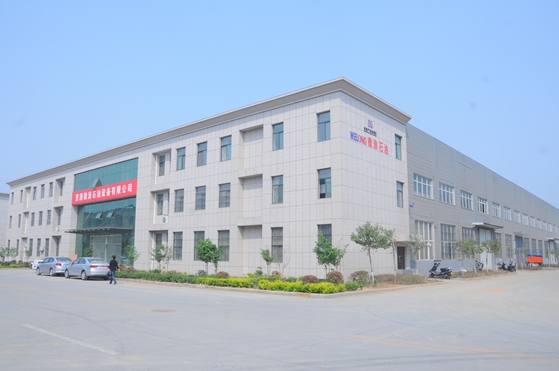
CHINA WELONG - 20+ years manufactuer in oilfield tools