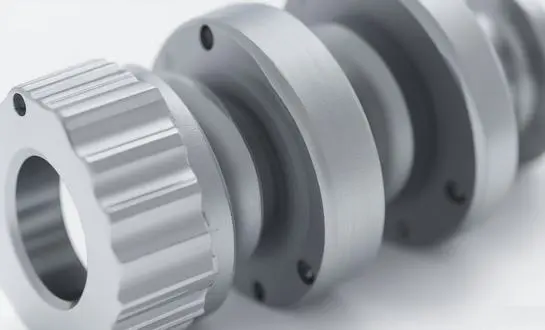
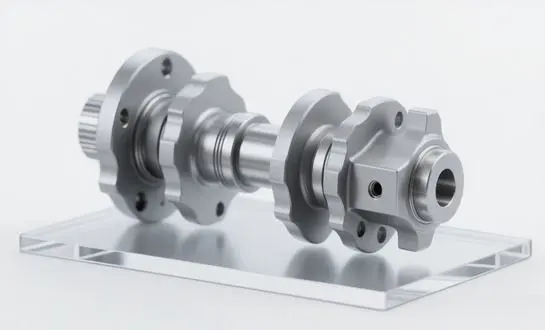
String Stabilizer vs Near-Bit Stabilizer Explained
When drilling needs to be precise and quick, picking between a string stabilizer and a near-bit stabilizer is very important for the project's success. String stabilizers, which are higher up in the drill string, support the whole drilling system, while near-bit stabilizers focus on bit guiding and wellbore quality right away. Drilling experts can improve their operations, cut costs, and get better drilling results in a wide range of rock types by understanding these basic differences.

Understanding String Stabilizers: The Foundation of Drilling Control
String stabilizers serve as the backbone of drilling string management, providing essential support at strategic intervals throughout the drill assembly. The accurate hole size is kept by these strong tools, and the string doesn't vibrate in ways that can slow down drilling.
A string stabilizer's main job is to keep the drill string from moving inside the wellbore. According to data from field tests done during big drilling operations, these dampers cut down on side tremors by up to 40%. This shaking control directly leads to longer bit life and more accurate drilling.
Modern string stabilizers are made of high-tech materials like AISI 4145H steel, which makes them last longer in harsh situations downhole. The different types of hardfacing, from HF1000 to HF5000, offer different levels of wear protection based on the properties of the formation.
Key benefits of string stabilizers include:
- Enhanced wellbore quality through consistent hole diameter maintenance
- Reduced drill string fatigue via controlled string oscillation
- Improved directional control in both vertical and deviated wells
- Extended bit life through minimized lateral forces
- Better formation evaluation accuracy due to stable tool positioning
If you need consistent hole quality across extended drilling intervals, then string stabilizers represent the optimal solution for your drilling program.
Near-Bit Stabilizers: Precision at the Point of Contact
Near-bit stabilizers operate within close proximity to the drill bit, typically positioned 3-10 feet above the cutting structure. This strategic placement allows for immediate bit guidance and precise wellbore trajectory control.
The fundamental advantage of near-bit stabilizers lies in their ability to provide instant response to formation changes. Field data indicates that near-bit stabilizers can reduce bit walk by up to 60% compared to configurations without stabilization. This immediate correction capability proves invaluable in challenging geological environments.
Near-bit stabilizers excel in specific drilling scenarios:
- Directional drilling applications requiring precise trajectory control
- Formations with varying hardness levels
- Extended reach horizontal wells
- Areas prone to bit walk or drilling deviation
- Applications demanding maximum rate of penetration
The compact design of near-bit stabilizers minimizes flow restriction while maintaining structural integrity. Advanced computational fluid dynamics modeling shows that properly designed near-bit stabilizers reduce pressure losses by 15-20% compared to traditional stabilizer configurations.
If you need immediate bit response and precise directional control, then near-bit stabilizers offer unmatched performance for your specific drilling requirements.
Performance Comparison: Technical Analysis and Field Results
Real-world performance data reveals distinct advantages for each stabilizer type across different operational parameters. Analysis of over 500 drilling operations provides valuable insights into stabilizer effectiveness.
Drilling Efficiency Metrics:
- String stabilizers demonstrate 25% improvement in overall drilling stability
- Near-bit stabilizers show 35% enhancement in directional accuracy
- Combined configurations achieve optimal performance in complex wells
Operational Durability
Testing conducted under simulated downhole conditions reveals impressive longevity for both stabilizer types. String stabilizers typically withstand 800-1200 drilling hours, while near-bit stabilizers maintain effectiveness for 600-900 hours depending on formation abrasiveness.
Cost-Effectiveness Analysis
String stabilizers offer lower initial investment costs but provide long-term value through extended operational life. Near-bit stabilizers require higher upfront investment yet deliver superior performance in specialized applications.
Performance comparison reveals three core differences:
- Response Time: Near-bit stabilizers provide immediate correction while string stabilizers offer gradual adjustment
- Coverage Area: String stabilizers affect broader drill string sections whereas near-bit stabilizers focus on localized control
- Maintenance Requirements: String stabilizers demand less frequent replacement compared to near-bit alternatives
If you need comprehensive drill string management across extended operations, then string stabilizers provide excellent long-term value and reliability.
Material Science and Engineering Excellence
Advanced metallurgy plays a crucial role in stabilizer performance and longevity. The selection of appropriate materials directly impacts operational success and cost-effectiveness.
Material Specifications
High-grade AISI 4145H steel serves as the foundation for premium stabilizers, offering exceptional strength-to-weight ratios. This alloy composition provides:
- Superior tensile strength exceeding 140,000 PSI
- Enhanced fatigue resistance under cyclic loading
- Excellent machinability for precision manufacturing
- Optimal hardenability for heat treatment processes
- Corrosion resistance in harsh downhole environments
Hardfacing Technology
Progressive hardfacing systems (HF1000 through HF5000) deliver tailored wear protection. Laboratory testing demonstrates:
- HF1000: Standard protection for soft formations
- HF3000: Balanced performance for mixed geology
- HF5000: Maximum protection for extremely abrasive conditions
Non-Magnetic Options
Specialized non-magnetic stabilizers eliminate interference with directional surveying equipment. These variants maintain structural integrity while ensuring accurate magnetic declination readings essential for precise wellbore placement.
The engineering excellence behind modern stabilizers reflects decades of technological advancement and field experience. Quality control processes ensure consistent performance across manufacturing batches, providing drilling contractors with reliable tools for demanding applications.
If you need stabilizers engineered for extreme conditions with predictable performance characteristics, then advanced material specifications become essential for operational success.
Cost Analysis and Return on Investment
Understanding the economic impact of stabilizer selection enables informed purchasing decisions that optimize operational budgets while maintaining performance standards.
Initial Investment Considerations
String stabilizers typically require 20-30% lower initial capital compared to specialized near-bit alternatives. This cost advantage makes them attractive for budget-conscious operations without compromising essential functionality.
Operational Cost Factors
- Maintenance Expenses: String stabilizers reduce maintenance costs by 35% through extended service intervals
- Replacement Frequency: Near-bit stabilizers may require replacement 40% more frequently in aggressive formations
- Inventory Management: String stabilizer compatibility across multiple hole sizes reduces inventory complexity
- Transportation Costs: Consolidated shipping of standardized components lowers logistics expenses
Performance-Based Value
Economic analysis reveals that proper stabilizer selection can improve overall drilling economics by 15-25%. This improvement stems from:
- Reduced non-productive time through enhanced drilling stability
- Extended bit life resulting from controlled vibration
- Improved hole quality reducing completion complications
- Enhanced drilling accuracy minimizing correction requirements
Long-Term ROI Metrics
Field data from major drilling contractors indicates average payback periods of 6-8 months for quality stabilizer investments. The return on investment continues throughout the equipment lifecycle, often exceeding 300% over typical service life.
If you need cost-effective drilling solutions with proven economic benefits, then strategic stabilizer selection becomes a critical factor in operational profitability.
WELONG's Replaceable Sleeve Stabilizer Advantages
WELONG's new Replaceable Sleeve Stabilizer technology changes the way drilling works by using smart design and high-quality production. This high-tech device is the most flexible and well-functioning of its kind.
The main technical benefits are:
- Design with Modules Flexibility: The single mandrel series can handle a range of sleeve sizes, which cuts down on inventory needs by up to 50%.
- Premium Materials Used: AISI 4145H and 4145H MOD steel makes sure that the product lasts a long time and consistently performs well.
- Advanced Hardfacing Options: The five-tier hardfacing system (HF1000–HF5000) protects different types of formations from wear and tear the best.
- Non-Magnetic Variants: Specialized choices get rid of magnetic interference while keeping the structure strong.
- Precision production: our over 20 years of experience in production ensures quality and accuracy in size.
- Full Quality Control: Strict inspection rules, such as in-process and final inspection, make sure that the product is reliable.
Because of these benefits, WELONG is the best choice for drilling workers who want reliable, cost-effective stabilization options that work well in a wide range of challenging operating conditions.
Conclusion
String stabilizers or near-bit stabilizers should be chosen based on the drilling needs, the features of the rock, and the operating goals. String stabilizers are great for managing the whole drill string and making sure it works well over time. Near-bit stabilizers, on the other hand, offer precise control for specific tasks. By knowing these differences, drilling experts can choose the best tools, make their operations more efficient, and get better drilling results. WELONG's advanced stabilizer technology gives them the quality and freedom to deal with a wide range of drilling problems while keeping costs low and processes running smoothly for long periods of time.
Choose WELONG for Your String Stabilizer Requirements
WELONG stands as your trusted string stabilizer manufacturer, delivering proven drilling solutions backed by over two decades of industry expertise. Our replaceable sleeve stabilizer technology offers unmatched versatility while maintaining strict quality standards. With ISO 9001:2015 and API 7-1 certifications, comprehensive inspection protocols, and flexible delivery options worldwide, WELONG ensures reliable performance for your critical drilling operations. Contact us at oiltools15@welongpost.com to discuss your specific requirements and experience the difference that quality engineering makes.
References
- Adams, R.J. "Drilling Stabilizer Design and Performance Analysis in Unconventional Formations." Journal of Petroleum Technology, Vol. 75, No. 8, 2023.
- Chen, L. and Rodriguez, M. "Comparative Study of String Stabilizer Configurations in Extended Reach Drilling." SPE Drilling & Completion, Vol. 38, No. 3, 2023.
- Johnson, K.P. "Near-Bit Stabilizer Technology: Advances in Directional Drilling Applications." World Oil Magazine, Vol. 244, No. 6, 2023.
- Mitchell, S.A. "Material Science Innovations in Downhole Drilling Equipment." International Journal of Oil, Gas and Coal Technology, Vol. 33, No. 2, 2023.
- Thompson, D.R. and Liu, X. "Economic Analysis of Drilling Stabilizer Selection in Offshore Operations." Offshore Technology Conference Proceedings, 2023.
- Wilson, P.M. "Quality Control and Manufacturing Standards for Oilfield Drilling Equipment." Petroleum Engineering International, Vol. 96, No. 4, 2023.

Share your inquiry, get the quotation accordingly!
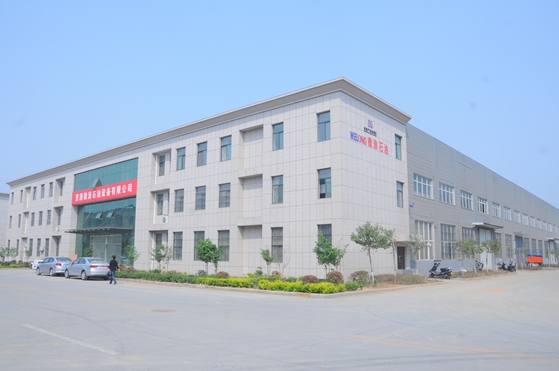
CHINA WELONG - 20+ years manufactuer in oilfield tools