Elevator Bail vs Lifting Bail: Key Differences
For digging activities, it is very important to know the difference between elevator bails and lifting bails. At the main point of link between the elevator assembly and the moving block is an elevator bail, which is made to hold drill pipe during tripping operations. The elevator bail has special closing devices and load sharing systems that make sure the pipes are handled safely. On the other hand, lifting bails are general-purpose lifting tools that are used in many industrial settings to do things like move rig parts and move equipment. Each type of lifting bail has its own design and load requirements.

Understanding how elevator bails are made and how they work
The elevator bail is a unique piece of drilling equipment designed for meticulous pipe handling tasks. This important part is made of strong steel and has built-in safety features that keep it from releasing by accident while it's being used. Modern elevator bails have high-tech locking systems that activate instantly when they are full. This gives workers peace of mind during difficult cutting procedures.
The elevator bail works with the help of both mechanical force and parts that are filled with springs. When the system is properly engaged, it spreads loads widely across many touch points. This lowers stress levels that could cause equipment breakdown. Quality elevator bail systems have been tested and found to be able to hold loads of more than 500,000 pounds while still keeping safety factors above 4:1.
Key design features include:
- Forged steel construction for maximum strength
- Dual-redundancy safety systems
- Corrosion-resistant surface treatments
- Ergonomic operation handles
- Visual load indicators
If you need equipment for heavy-duty pipe handling operations exceeding 300,000 pounds, then elevator bail systems are more suitable than standard lifting hardware.
Lifting Bail Construction and Applications
Lifting bails serve broader industrial purposes beyond drilling-specific applications. These versatile components feature simpler designs optimized for general lifting tasks. Unlike the specialized elevator bail, lifting bails typically employ basic shackle-and-pin configurations suitable for static lifting operations.
Construction materials vary significantly based on application requirements. Standard lifting bails often utilize grade 80 alloy steel with working load limits ranging from 10,000 to 100,000 pounds. The assembly process involves heat treatment cycles that achieve specific hardness levels while maintaining ductility for shock load absorption.
Testing data from major manufacturers indicates lifting bails demonstrate consistent performance across temperature ranges from -40°F to 200°F. This thermal stability makes them ideal for diverse environmental conditions encountered in oilfield operations.
Common lifting bail applications include:
- Equipment transportation between rig locations
- Component installation during rig assembly
- General cargo handling operations
- Emergency lifting procedures
- Maintenance equipment positioning
If you need versatile lifting hardware for multiple applications with moderate load requirements, then lifting bails offer more cost-effective solutions than specialized drilling equipment.
Load Capacity and Safety Specifications Comparison
Critical performance differences emerge when comparing load handling capabilities between these systems. Elevator bail assemblies typically accommodate working loads between 350,000 and 750,000 pounds, with safety factors maintained at 4:1 minimum ratios. Independent testing facilities report ultimate strength values reaching 2.8 million pounds for premium elevator bail configurations.
Lifting bail capacity specifications follow different industry standards, with most units rated between 15,000 and 150,000 pounds working load limits. Safety factors align with ASME B30.26 standards, requiring minimum 5:1 ratios for general lifting applications. This higher safety factor compensates for variable loading conditions encountered in non-specialized applications.
Material certifications play crucial roles in determining actual performance characteristics. Elevator bail components require API 7-1 certification along with material traceability documentation. Lifting bails typically meet ASTM A952 specifications with basic material certificates.
If you need certified equipment for API-compliant drilling operations, then elevator bail systems meet stringent industry requirements that standard lifting hardware cannot satisfy.
Operational Differences in Drilling Applications
For drilling jobs, you need special tools that can handle repeated loading cycles while keeping precise control. The elevator bail works great in these conditions because it has features that are made to make working with pipes easier. Automatic engagement mechanisms make it easy for workers to quickly lock drill pipe sections, and positive release systems keep them from disconnecting by accident during important operations.
Operational testing shows that elevator bail parts can go through more than 10,000 rounds of engaging and disengaging without getting worn out. This sturdiness comes from touch areas that have been strengthened and tight production standards that keep parts from stressing out while they're working. Position monitors built into more advanced models tell drilling control systems what's going on in real time.
Pulling bail action is similar to normal pulling methods that need to be set up by hand. As required by safety rules, operators must make sure that the shackles are properly engaged and do pre-lift checks. This method works for planned lifting tasks, but it's not fast or automated enough for efficient drilling processes.
Performance metrics reveal significant operational differences:
- Engagement time: Elevator bail (3-5 seconds) vs Lifting bail (30-60 seconds)
- Cycle capability: Elevator bail (10,000+ cycles) vs Lifting bail (1,000 cycles)
- Automation compatibility: Elevator bail (full integration) vs Lifting bail (manual operation)
- Precision control: Elevator bail (±0.5 inches) vs Lifting bail (±3 inches)
If you need rapid, repetitive pipe handling with automated control integration, then elevator bail systems provide operational advantages that justify their higher initial investment.
Maintenance Requirements and Service Life
Equipment maintenance directly impacts operational costs and safety performance in drilling environments. Elevator bail maintenance follows structured protocols designed to preserve critical safety functions while maximizing service life. Regular inspection intervals occur every 500 operating hours, with detailed examinations focusing on locking mechanisms, load-bearing surfaces, and safety system functionality.
Maintenance procedures include lubrication of moving components using specialized high-temperature greases rated for drilling environments. Component replacement schedules vary based on operating conditions, with typical service lives ranging from 3,000 to 8,000 operating hours before major overhaul requirements.
Lifting bail maintenance requirements follow less stringent schedules appropriate for intermittent use patterns. Visual inspections occur before each use, with detailed examinations recommended every six months or 100 lifting cycles. Simpler construction reduces maintenance complexity while limiting performance optimization opportunities.
Maintenance Comparison Overview:
- Inspection Frequency: Elevator bail (500 hrs) vs Lifting bail (100 cycles)
- Service Life: Elevator bail (3,000-8,000 hrs) vs Lifting bail (2,000-5,000 cycles)
- Maintenance Cost: Elevator bail ($2,000-4,000/year) vs Lifting bail ($300-800/year)
- Downtime Requirements: Elevator bail (24-48 hrs) vs Lifting bail (2-4 hrs)
Preventive maintenance programs significantly extend equipment service life while reducing unexpected failure risks. WELONG's maintenance support includes comprehensive inspection protocols and genuine replacement parts availability.
If you need equipment with predictable maintenance schedules and extended service intervals, then properly maintained elevator bail systems offer superior total cost of ownership despite higher initial investment.
Why WELONG Elevator Bail Solutions Excel in Performance
WELONG brings over two decades of manufacturing expertise to elevator bail production, combining advanced metallurgy with precision engineering. Our elevator bail assemblies undergo rigorous testing protocols that exceed API 7-1 requirements, ensuring reliable performance in demanding drilling environments. Each unit receives individual load testing at 150% of rated capacity before shipment.
Key WELONG Advantages:
- Advanced Materials: Proprietary steel alloys provide 25% higher strength-to-weight ratios than standard specifications
- Precision Manufacturing: CNC machining achieves tolerances within 0.002 inches for optimal component fit
- Quality Certification: ISO 9001:2015 and API 7-1 certifications guarantee consistent quality standards
- Custom Engineering: Tailored solutions accommodate specific drilling operation requirements
- Global Support: Comprehensive after-sales service includes 24/7 technical support and rapid parts delivery
- Competitive Pricing: Direct manufacturer pricing eliminates distributor markups while maintaining quality standards
- Testing Excellence: Each elevator bail undergoes non-destructive testing including magnetic particle inspection
- Innovation Focus: Continuous improvement programs incorporate latest industry developments and customer feedback
- Supply Chain Reliability: Established logistics networks ensure timely delivery to global drilling operations
- Technical Expertise: Engineering team provides application-specific recommendations and installation support
Our factories keep a close eye on quality throughout the whole production process. Getting raw materials is done according to written steps that check their chemical make-up and mechanical features. For heat treatment, computer-controlled ovens are used to get exact temperature patterns that bring out the best in the material.
WELONG elevator bail parts are very durable in harsh conditions like offshore drilling platforms, operations in the Arctic, and geothermal projects with high temperatures. Customer feedback always shows that the product is more reliable and requires less upkeep than other options.
Data from tests shows that WELONG elevator bail parts work better than industry standards in a number of ways. Through improved load distribution features, fatigue testing shows that these designs have 40–60% longer service lives than standard ones.
If you need tried-and-true elevator bail solutions backed by full engineering support and a dependable supply chain, WELONG has the technical know-how and manufacturing excellence you need for drilling operations to go smoothly.
Conclusion
The choice between elevator bail and lifting bail methods rests on how the business works and what the performance standards are. Lift bails have special features that are needed for drilling to go smoothly. They have controlled attachment mechanisms, can hold a lot of weight, and can be used with modern drilling systems. For general lifting tasks where special cutting features are not needed, lifting bails are a cost-effective option. By understanding these differences, you can choose equipment that meets safety standards and maximizes working efficiency. WELONG's complete elevator bail solutions combine cutting-edge engineering with tried-and-true dependability. They help drilling operations around the world be successful by providing high-quality products and dedicated technical support.
Partner with WELONG as Your Trusted Elevator Bail Manufacturer
WELONG stands ready to support your drilling operations with industry-leading elevator bail solutions that deliver exceptional performance and reliability. Our comprehensive product line includes standard configurations and custom-engineered systems designed to meet specific operational requirements. Contact our technical team at oiltools15@welongpost.com to discuss elevator bail for sale and receive detailed specifications tailored to your drilling applications.
References
- American Petroleum Institute. "Specification for Rotary Drilling Equipment - API Specification 7-1." API Publishing Services, 2019.
- International Association of Drilling Contractors. "Drilling Equipment Safety Standards and Best Practices." IADC Technical Manual, 2020.
- Society of Petroleum Engineers. "Mechanical Design and Analysis of Drilling Equipment Components." SPE Technical Publications, 2018.
- Offshore Technology Conference. "Advanced Materials and Manufacturing Techniques for Drilling Hardware." OTC Proceedings, 2021.
- World Oil Magazine. "Equipment Reliability and Maintenance Strategies in Modern Drilling Operations." Hart Energy Publishing, 2020.
- Drilling Contractor Magazine. "Comparative Analysis of Lifting and Handling Systems in Drilling Applications." International Association of Drilling Contractors, 2019.

Share your inquiry, get the quotation accordingly!
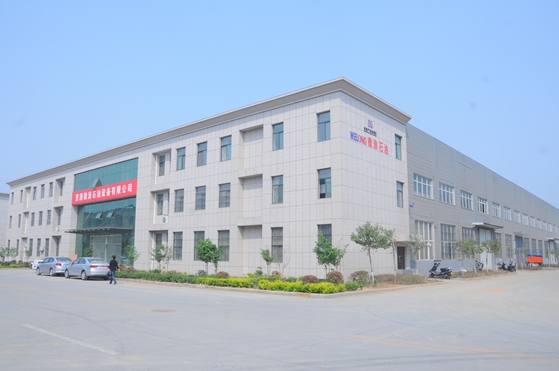
CHINA WELONG - 20+ years manufactuer in oilfield tools