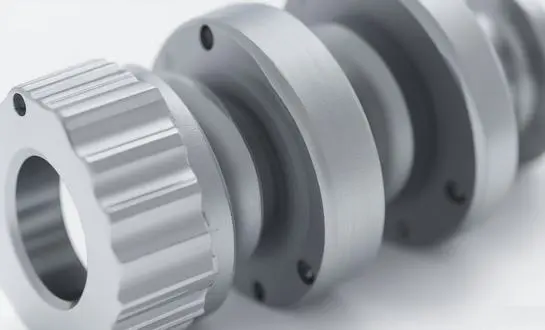
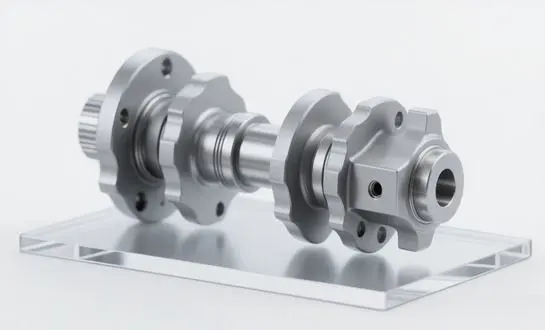
Ram BOP vs Annular BOP: Major Differences
Choosing well control equipment for drilling requires understanding Ram Blowout Preventers and Annular Blowout Preventers. Ram Blowout Preventers seal wellbores with horizontal steel rams. It may halt the well or pump near specified pipe diameters with high pressure. However, an annular BOP's doughnut-shaped elastic seal bends inward to accommodate varied pipe diameters and tool shapes. Both devices are crucial for preventing fluid leaks during drilling, but they operate differently and have distinct pressure ratings and maintenance requirements. This influences drilling firms and equipment manufacturers' gadget purchases.

Understanding Blowout Preventers (BOP) - Core Concepts
Blowout preventers hold together global oil and gas well control systems. Wellheads use hydraulic valves to manage formation pressures and prevent catastrophic blowouts, which endanger people, equipment, and the environment. Pressure spikes or "kicks" from formation fluids hitting the wellbore are usual during drilling. After the BOPs go off, they shut the well until crew can take over.
Ram BOP Fundamentals
The Ram Blowout Preventer is square with a vertical pipe hole and horizontal steel ram holes. Hydraulic pressure presses these rams together, sealing them. The top and bottom connectors may be holed, flanged, or hubbed, and all sizes must fulfill API 16A specifications to interact with other devices. These gadgets perform properly even under difficult conditions since reliability is the most crucial factor in their design and construction. Pipe rams seal around particular drill pipe diameters, blind rams shut an open wellbore without pipe, and shear rams may cut through drill pipe to seal the well in an emergency. Sealing lower tool sizes is possible using variable diameter screws. Double-faced ram designs offer symmetry on both sealing sides, making rubber seal half-rings and ram briquetting simple to repair while leaving other parts reusable.
Annular BOP Fundamentals
Annular blowout preventers vary structurally. Their flexible packaging resembles a large rubber donut in a steel box. When hydraulic pressure pushes this bendy section inside, it may form a drill pipe, casing, tool joints, fiber cables, or open hole wellbore. Circular preventers are effective in complex operations with several pipe diameters or unusual equipment since they may be altered. Some prices come with packing element flexibility. Although circular BOPs operate effectively with various forms, their pressure levels are generally lower than Ram Blowout Preventer units. When the pipe is stripped and traveling through a closed preventer, contact wears elastomer sections faster. Since they seal any hole, existing BOP stacks need them. They are frequently put above Ram Blowout Preventers as initial protection.
Ram BOP vs Annular BOP – Key Functional Differences
By knowing how these two technologies work differently, procurement workers can match the capabilities of tools to specific drilling environments and safety rules.
Operating Mechanisms and Sealing Methods
Ram Blowout Preventers shut with sturdy steel sections that meet mid-wellbore. Hydrostatic cylinders overcome well pressure and tighten seals. The ram faces' elastomer inserts seal. These inserts may fit together for blind sealing or gently conform to pipe surfaces. Ram Blowout Preventers can tolerate high pressures due to their mechanical construction. They often operate at 15,000 psi or greater offshore.
Pressure Handling Capabilities
Pressure ratings distinguish these systems. Ram Blowout Preventers typically operate at 5,000–15,000 psi, although some may reach 20,000 for ultra-deepwater drilling. Their sturdy steel construction and mechanical sealing mechanism provide you piece of mind while operating deep in the Gulf of Mexico or North Sea, where formation pressures may be considerable. Annular BOPs typically operate between 3,000 to 5,000 psi, while high-pressure variants may reach 10,000. Rubber seals have restrictions. Pressure might force the element out of position or wear it down fast. This is why drilling engineers carefully place annular preventers in BOP stacks. These are utilized for initial well control and dynamic operations, whereas Ram Blowout Preventers are for long-term high pressure.
Adaptability and Operational Flexibility
Annular preventers provide freedom. A circular BOP might sever the drill pipe as it exits the well. This secures the seal while permitting controlled upward movement. This talent is useful for kicking while falling. Annular preventers may operate with cable operations, coiled tubing, and other non-standard tools without modification. Ram Blowout Preventers sacrifice flexibility for accuracy. Each pair of pipe rams operates with a limited pipe diameter range. This implies procedures with several pipe sizes must alter the rams or stack extra Ram Blowout Preventers. The ultimate fail-safe, shear rams can close an emergency well with pipes. Blind rams seal holes well but can't accommodate pipes or tools. This specialization improves sealing performance within limitations, but it requires careful planning to ensure the correct ram designs are available for the anticipated activities.
Procurement Considerations for Ram vs Annular BOPs
Procurement strategies that work well combine the prices of the short term with the long term value, the supplier's abilities, and the operational needs that are unique to each project.
Cost Analysis and Total Ownership
Ram Blowout Preventer and annular preventer prices vary greatly based on pressure grade, bore size, and licensing requirements. The average 13-5/8" 5,000 psi Ram Blowout Preventer costs $150,000–$300,000. A $100,000–$250,000 annular unit is equal. High-pressure deepwater variants, such 18-3/4" 15,000 psi Ram Blowout Preventers, cost over $800,000. Procurement managers must consider purchase cost, maintenance cost, spare part availability, and estimated service time. Ram Blowout Preventers usually need less maintenance. Metal parts may last decades if properly maintained, and seals only need to be changed annually or after a set amount of hours. Annular packing elements need to be changed every 500–1,500 hours, depending on usage. Each part costs $15,000–$50,000. When these recurring charges are added to the overall cost of ownership, the initial price advantages might disappear after 10 years. Rental possibilities provide short-term project workers options. Circular units rent for $600 to $1,200 per day, while 5,000 psi Ram Blowout Preventers cost $800 to $1,500. Rental expenses may approach purchase pricing for multi-month projects. Owning is ideal for contractors with long-term drilling intentions.
Supplier Selection and Quality Assurance
Selecting dependable suppliers impacts equipment performance, delivery times, and after-sales service. While Western manufacturers are still vital, competent suppliers from other areas are becoming more competitive. With over 20 years of manufacturing expertise and great quality control, China Welong, established in 2001, embodies this transformation. Durable and efficient, their Ram Blowout Preventers use hydraulic bonnets to decrease downtime. ISO 9001:2015 and API 7-1 certifications show their worldwide standards commitment. Production capacity and logistical flexibility matter. Welong's skilled teams deliver on time by sea, air, and train with various trade terms including FOB, CIF, DDP, and DDU. In-house tests and SGS and DNV certification provide customers trust and transparency when making important purchases.
Lead Time Management and Compliance Certification
Standard BOP manufacture takes 12–20 weeks, depending on demand and supplier capacity. Customizing pressure levels, connection kinds, or material grades might take 24 weeks or more. Procurement managers must align equipment orders with project plans and allow for delays, shipping, and commencing activities while planning drilling campaigns. API 16A clearance is still required for BOPs in most countries. To ensure equipment fulfills safety and efficiency criteria, this specification establishes design, manufacturing, and testing standards. Area laws may demand NOSOK certification in Norway, DNVGL permission for North Sea operations, or BSEE certification in the US in addition to API compliance. Gulf of Mexico drilling. Sellers should update their certifications for target markets to prevent costly delays or equipment rejection at rig sites.
Installation, Maintenance, and Common Challenges
Correct construction and preventive maintenance make the Ram Blowout Preventer more dependable and reduce operations disruptions. Ram Blowout Preventers and circular preventers must be monitored during usage and during their lifespan.
Installation Best Practices
Check link surfaces before installing a Ram Blowout Preventer. API 16Flanges, studs, and ring holes must be clean, undamaged, and the proper size, per regulations. Before connecting to the preventer, hydraulic control lines must be pressure-tested for stability. For flange bolts, torque must meet manufacturer requirements. Incorrect or unequal torque generates leak routes, while excessive torque damages sealing surfaces or studs. Function testing follows installation. Every ram is moved numerous times without pressure to ensure it operates well and is in the appropriate spot. Next, pressure tests verify the seal. Low-pressure tests use 70% of the expected operating pressure, whereas high-pressure confirmation uses 100%. These acceptance tests must be done before digging, and the findings must be recorded for quality and legal compliance.
Routine Maintenance Procedures
Ram Blowout Preventers benefit from simple repairs. Taking samples and replenishing hydraulic fluid, inspecting and lubricating seals, and checking bonnet lock systems are regular tasks. Every 3,000 hours or three years, major overhauls are needed. Take it apart, examine each item, replace the seals, and check the pressure before reassembling. Quality Ram Blowout Preventers include separate modules for simple maintenance. Replace old rubber seal semi-rings and ram briquetting on double-faced ram blocks in the field while using the steel ram body and equipment.
Common Operational Challenges
Ram Blowout Preventers often experience seal degradation. Elastomers degrade quicker without drilling fluid chemical mixing. This is particularly true in hot wells or oil-based muds with significant additives. Purchase criteria should verify seal material compatibility with drilling fluids. Modern nitrile and fluoroelastomers withstand many chemicals, yet harsh materials may be required. Hydraulic system contamination creates several problems. Water, particulates, and bacteria in hydraulic fluid slow system performance. Valve failure, delayed ram movement, and slow system closure may result. To prevent contamination-related problems, test the fluid and filter system routinely. Closed hydraulic systems with nitrogen blanketing keep water out in humid maritime settings. Cutting issues are particular for annular preventers. Friction and heat from pipe movement may shatter or chunk parts. Closing force must be balanced to manage the well and reduce element wear. This balance is maintained by automated control systems, but trained rig personnel must recognize element issues early.
Making the Right Choice – Decision Support for B2B Buyers
To choose between Ram Blowout Preventer and annular preventers or find the best mix for a Ram Blowout Preventer stack, you need to look at certain practical factors along with your budget and risk tolerance.
Operational Criteria and Performance Requirements
Base equipment is selected depending on well depth and predicted forces. Deepwater wells above 20,000 feet often need 15,000 psi BOP stacks. Ram Blowout Preventers are excellent in these tough situations because they close solidly under high pressure. Shallower coastal wells with moderate pressures provide more possibilities and lower-pressure instruments, which may save money. Complexity of the drilling program influences BOP setup. Circular preventers are excellent for applications requiring various casing strings, drill pipe kinds, or specialized equipment. Standardized drilling plans using the same-diameter pipes may favor Ram Blowout Preventer reliability and pressure capacity above circular flexibility. Shear ramming is crucial in underwater or high-pressure conditions where sealing an emergency well without caring about the drill pipe is the only option to survive.
Balancing Performance and Investment
High-quality equipment costs more and performs better. Buying managers must evaluate whether realistic demands need full capabilities or if moderate specifications are adequate. A 10,000 psi Ram Blowout Preventer may be 40% cheaper than a 15,000 psi one, which adds up over several parts. Underspecifying equipment to save money becomes dangerous if well conditions are worse than rated. Strategies generally select duplication over minimal configurations to reduce risk. Ram Blowout Preventers like pipe, blind, and shear rams are used in BOP stacks. This backup ensures well control during repairs or equipment failure. When you consider what may happen without adequate well control tools, implementing additional preventers is a sensible risk management strategy.
Real-World Application Insights
For Permian Basin drilling, firms deploy 5,000-psi BOP stacks with three Ram Blowout Preventers and one circular preventer. Moderate pressure and standard drilling procedures make this system cost-effective and well-controlled. In this nice drilling location, contractors claim ram seals need to be changed more than twice a year and the annular element lasts 800 working hours. Because formation pressures may reach 18,000 psi in certain prospects, Gulf of Mexico deepwater producers only allow 15,000 psi equipment. Shear rams are emphasized after prior well control occurrences. To operate safely in harsh situations where errors aren't permitted, many operators are ready to spend extra for equipment and maintenance.
Conclusion
To tell the difference between Ram Blowout Preventers and Annular BOPs, you need to know how they work together in well control systems. Ram Blowout Preventers have the highest pressure capacity and are very reliable over time thanks to their mechanical closing mechanisms. They are perfect for situations where the pressure stays high for a long time or when an emergency needs to close the well. Annular preventers are useful because they can work with a range of pipe sizes and allow for dynamic activities at low pressures. To do effective procurement, you need to match these skills to specific drilling environments, weigh the starting costs against the costs that will come up over time, and choose providers that can show they are committed to quality, reliable in their delivery, and able to provide expert support.
Frequently Asked Questions
1. What pressure ratings should I specify for deepwater drilling operations?
As a minimum, 15,000 psi working pressure BOPs are usually needed for deepwater drilling. Formation pressures can get very high in deep water, and to be safe, equipment needs to be rated much higher than the expected maximum pressures. For some ultra-deepwater jobs, you need tools that can handle 20,000 psi. To figure out the right rates, talk to drilling experts who know about the specific geological formations in the place you want to drill.
2. How often do Ram Blowout Preventer seals require replacement?
How often a Ram Blowout Preventer seal needs to be replaced depends on how it is used, what kind of drilling fluid it is compatible with, and how often it is used. In normal situations, the seal should be replaced once a year or every 2,000 to 3,000 hours of use. More regular repair may be needed for wells with high temperatures, drilling fluids that are harsh, or BOPs that are cycled a lot. Regular checks help find problems with seals before they break.
3. Can one annular preventer accommodate all my drill pipe sizes?
Most circular preventers work well for a range of pipe sizes, but they don't work as well at the very ends of this range. Check the manufacturer's specs for your unit to make sure it fits the pipe sizes you expect and has enough closing space. When working with very different diameters, like small tubes and big casing, the BOP configuration may need to be changed strategically during the drilling program.
Partner with a Trusted Ram Blowout Preventer Manufacturer
Work with providers who are good at making things and care about customers to get reliable well control tools, especially a trusted Ram Blowout Preventer supplier. WELONG has over 20 years of oilfield equipment experience and can assist with your purchase. They make durable, field-tested Ram Blowout Preventers. Our ISO 9001:2015 and API 7-1 certificates demonstrate that our quality systems work and that every unit meets international standards. Comprehensive inspection methods, such as third-party verification through SGS and DNV partnerships, clarify the production process. Our FOB, CIF, DDP, and DDU shipping terms and multimodal transportation options simplify logistics regardless of project location. Contact our technical team at oiltools15@welongpost.com to discuss your needs and how we bring China's best supply chain skills to drilling operations worldwide.
References
1. American Petroleum Institute. (2019). Specification for Drill Through Equipment – API Specification 16A, Fourth Edition. Washington, DC: API Publishing Services.
2. Grace, R. D. (2003). Blowout and Well Control Handbook. Houston: Gulf Professional Publishing.
3. Holand, P., & Awan, H. (2012). Reliability of Deepwater Subsea BOP Systems and Well Kicks: A Study for the Norwegian Oil and Gas Industry. Stavanger: SINTEF Technology and Society.
4. International Organization for Standardization. (2018). Petroleum and Natural Gas Industries – Drilling and Production Equipment – ISO 13533: Drilling and Well-servicing Equipment. Geneva: ISO Central Secretariat.
5. Rehm, B., Schubert, J., Haghshenas, A., Paknejad, A. S., & Hughes, J. (2008). Managed Pressure Drilling. Houston: Gulf Publishing Company.
6. Smith, D. W., & Tarr, B. A. (2015). Blowout Preventer Reliability and Inspection Best Practices for Offshore Drilling Operations. Journal of Petroleum Technology, 67(8), 84-92.

Share your inquiry, get the quotation accordingly!
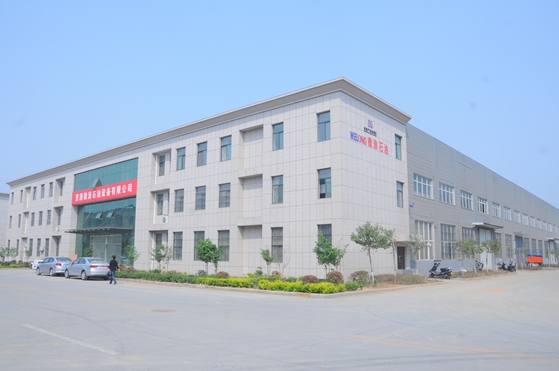
CHINA WELONG - 20+ years manufactuer in oilfield tools