Well control is crucial to contemporary drilling. To ensure operational integrity during unforeseen pressure spikes, oilfield operators need sophisticated pressure control technology. This safety armament relies on the choke manifold for accurate flow control and pressure management, which may spell well completion or disaster.
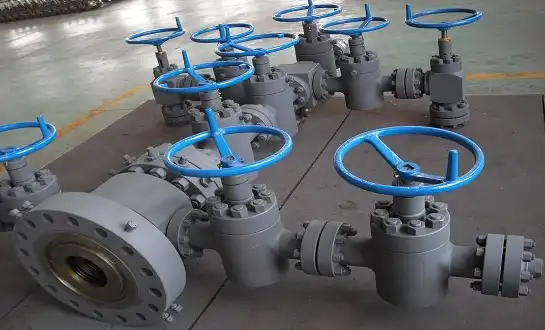
Modern drilling requires equipment that is reliable under harsh situations. Contractors handling conventional wells or sophisticated deepwater operations need surface equipment that reacts promptly to downhole circumstances. Advanced hydraulic control systems combined with mechanical components have changed how operators handle well control difficulties, allowing remote operation that improves safety and efficiency in different drilling circumstances.
Why Focus on API 16C Choke Manifolds?
Technology has improved wellhead equipment design and functionality in the oil and gas sector. Choke manifolds have increased in complexity from flow restriction to pressure control. These vital components manage fluid flow during circulation operations, allow emergency cutoff during well kicks, and enable balanced drilling to safeguard reservoir formations.
Investment in excellent pressure control equipment affects operational performance and safety. Reliable valve manifold systems save non-productive time, equipment breakdowns, and regulatory compliance. Beyond equipment expenditures, ineffective well control may result in insurance rates, regulatory fines, and environmental liabilities.
Selection Criteria for Superior Well Control Equipment
Multiple technical and operational variables must be considered while choosing choke manifolds. Compliance with API Spec 16C criteria for pressure ratings, material specifications, and testing is crucial. The NACE MR-0175 standard protects equipment against corrosion in sour service conditions for long durations.
Pressure ratings, flow capacity, and reaction time must be evaluated for performance. Modern drilling equipment must handle pressures above 10,000 PSI and precision flow management in various operating circumstances. Remote operation has proven necessary for emergency well control from safe places.
Manufacturing quality and supplier dependability are equally essential decision factors. Proven manufacturers provide consistent product quality, technical assistance, and on-time delivery that meets project deadlines. Certification, quality control, and post-delivery assistance affect long-term operational success and equipment dependability.
Top 5 Choke Manifold Systems for Global Operations
1. WELONG High-Pressure Hydraulic Choke Manifold
WELONG's flagship hydraulic choke manifold represents over two decades of oilfield manufacturing expertise, delivering exceptional pressure control capabilities for demanding drilling environments. This system features dual-path flow regulation with independent choke valve assemblies, enabling redundant operation during critical well control situations. The manifold incorporates API 6A certified components throughout the flow path, ensuring reliable performance under extreme pressure conditions exceeding 15,000 PSI working pressure.
The hydraulic control system enables remote operation capabilities essential for safe drilling operations. Operators can adjust choke valve positions from secure control rooms, maintaining precise flow regulation while minimizing personnel exposure during well kick situations. The integrated control panel provides real-time pressure monitoring across multiple measurement points, enabling immediate response to changing downhole conditions.
Material selection emphasizes corrosion resistance and mechanical durability. NACE MR-0175 compliant materials ensure extended service life in sour gas environments, while precision-machined valve components deliver consistent sealing performance throughout operational cycles. The modular design accommodates various installation configurations, supporting both skid-mounted and permanent installations according to specific project requirements.
Quality control processes at WELONG facilities include comprehensive testing protocols that exceed industry standards. Each manifold undergoes hydrostatic testing, valve cycling verification, and complete functional testing before shipment. Third-party inspection services through SGS and DNV provide additional quality assurance, ensuring equipment meets stringent international standards for critical well control applications.
2. Enhanced Safety Choke Manifold with Dual-Path Configuration
This advanced safety-focused design incorporates redundant flow paths that maintain operational capability during component maintenance or unexpected failures. The dual-path configuration features independent choke valve assemblies with separate control systems, enabling continuous operation even when one path requires service attention. This design philosophy addresses the critical need for uninterrupted well control capabilities during extended drilling programs.
The manifold's safety system integration includes automatic pressure relief functions that activate during over-pressure conditions. Pressure relief valves calibrated to specific operational parameters protect downstream equipment while maintaining flow control capabilities. Emergency shutdown systems respond instantly to operator commands or automated safety triggers, providing multiple layers of protection during well control emergencies.
Advanced pressure monitoring capabilities include digital gauge packages with data logging functions. These systems maintain continuous records of pressure variations, flow rates, and valve positions, supporting regulatory compliance and operational optimization efforts. Real-time data transmission enables integration with drilling automation systems, enhancing overall rig safety management protocols.
3. Remote-Operated Choke Manifold System
Remote operation capabilities define this sophisticated choke manifold design, addressing the industry's increasing focus on personnel safety during well control operations. The system incorporates electro-hydraulic actuators that provide precise valve positioning from distances exceeding 500 meters, enabling operators to maintain safe separation from potential hazard zones during well kick situations.
The control architecture includes fiber optic communication systems that eliminate electromagnetic interference concerns common in drilling environments. This communication method ensures reliable signal transmission even in electrically noisy conditions typical of modern drilling rigs. The control interface provides intuitive operation through touchscreen displays that present critical operational parameters in easily interpreted formats.
Hydraulic power requirements integrate seamlessly with existing rig hydraulic systems, eliminating the need for dedicated power units. The manifold's hydraulic circuit includes pressure accumulation systems that maintain operational capability during temporary power interruptions. Emergency manual override functions provide backup control methods when primary control systems require maintenance or experience unexpected failures.
4. Compact Footprint Choke Manifold for Space-Constrained Applications
Space constraints on current drilling rigs need technology that maximizes functionality in small spaces. Innovative component arrangement and multi-function integration solve these constraints in this compact choke manifold. The system operates in 30% less deck area than typical systems, freeing up room for other vital equipment.
Space usage and maintenance accessibility are optimized by vertical component layout. Valve placement optimises pipe layouts to decrease pressure losses and enhance throughput. All operational tasks are incorporated into the main manifold assembly, eliminating control panels and hydraulic components.
Despite its tiny size, maintenance accessibility is prioritized. Critical components may be accessed without substantial disassembly using removable panels. Rapid component replacement during regular maintenance periods using quick-disconnect fittings reduces operating downtime and expenses.
5. High-Flow Capacity Production Choke Manifold
Choke manifolds must handle high flow rates and accurate pressure management for high-volume manufacturing. This design uses improved internal geometry and large-bore valve assemblies to handle flow rates of 10,000 barrels per day. It supports oil and gas production with material options for each service environment.
For reservoir management and regulatory compliance, flow measurement integration enables precise production monitoring. Differential pressure devices and positive displacement meters provide accurate measurement throughout flow conditions in the manifold. Data capture systems automate reporting and real-time production improvement.
The sturdy design handles high-flow mechanical loads. Reinforced pipe connections and heavy-duty valve assemblies are resistant to high-velocity fluid flow and retain sealing integrity for long durations. Advanced materials resist corrosion and erosion, prolonging equipment life in harsh manufacturing conditions.
Purchasing Recommendations and Key Considerations
Choke manifold procurement entails balancing capital and operating costs. Budget limits affect equipment choices, but total cost of ownership includes maintenance, replacement parts, and downtime. Established producers' equipment usually has better long-term value despite larger initial expenditure.
Supplier assessment should include production, quality control, and post-delivery assistance. Manufacturers with extensive testing facilities and quality management systems improve dependability and performance. Technical assistance, especially field service and replacement parts, greatly affects operational performance.
Delivery timeframes must match project and rig mobilization deadlines. Experienced manufacturers understand delivery obligations and manage inventory levels to meet regular delivery needs. For specific applications or unique operating needs, custom configurations demand more lead time.
Equipment dependability and operating costs depend on service and maintenance. Manufacturers with thorough maintenance plans, technical training, and field service assistance maximize equipment uptime and lifespan. Quality technical documentation and spare parts availability affect maintenance efficiency and cost.
Conclusion
Technical parameters, operational needs, and supplier capabilities must be considered while choosing choke manifolds. The five systems shown are proven drilling solutions with distinct benefits for particular operating conditions. Success relies on matching equipment capabilities to operational needs while prioritizing safety, dependability, and long-term value.
Quality pressure control equipment improves safety, downtime, and efficiency. The worldwide market offers many possibilities, but thorough supplier assessment assures access to equipment that fulfills strict performance standards and provides dependable service throughout its operating life.
Frequently Asked Questions
Q1: What pressure ratings are typically required for API 16C choke manifolds?
A: API 16C choke manifolds commonly operate at pressure ratings ranging from 2,000 PSI to 15,000 PSI working pressure. The specific rating depends on well conditions, drilling program requirements, and safety margins established by the operator. Higher pressure ratings require enhanced materials and more robust construction, impacting equipment cost and delivery schedules.
Q2: How do hydraulic and manual choke manifolds differ in operational capabilities?
A: Hydraulic systems provide remote operation capabilities, faster response times, and integration with automated drilling systems. Manual systems offer simplicity, reduced maintenance requirements, and independence from auxiliary power systems. The choice depends on operational priorities, safety requirements, and available infrastructure support.
Q3: What maintenance intervals are recommended for choke manifold systems?
A: Maintenance schedules vary based on operational conditions, fluid characteristics, and manufacturer recommendations. Typical intervals include daily operational checks, weekly pressure testing, monthly valve cycling, and comprehensive annual inspections. Harsh environments or corrosive fluids may require more frequent maintenance attention to ensure reliable performance.
Partner with WELONG for Reliable Choke Manifold Solutions
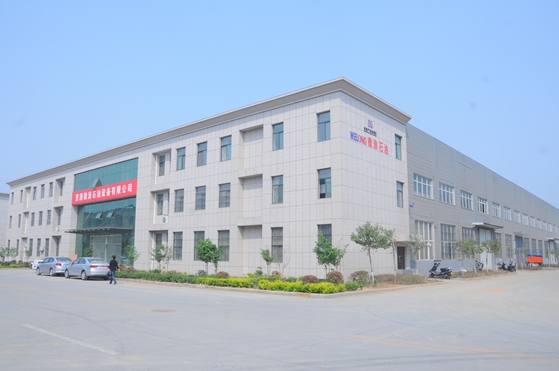
WELONG can provide high-quality pressure control equipment for your most demanding operations. Our robust production and quality control guarantee choke manifold suppliers operate consistently throughout time. Our 20 years of oilfield equipment manufacturing expertise has taught us the necessity of dependable well control systems.
Our skilled engineers work with customers to provide unique solutions for operational and regulatory issues. WELONG offers project management from design consulting to delivery and commissioning to assure equipment deployment. Our global logistics skills enable FOB, CIF, DDP, and DDU delivery to distant places.
Quality assurance remains our primary focus through ISO 9001:2015 and API 7-1 certifications that validate our commitment to manufacturing excellence. Our inspection services include comprehensive in-process monitoring, final testing verification, and third-party inspection coordination with SGS and DNV when required. To discuss your specific choke manifold requirements and explore how WELONG can support your upcoming projects, contact us at oiltools15@welongpost.com.
References
1. Smith, J.R., and Johnson, M.K. "Advanced Well Control Systems for Modern Drilling Operations." Journal of Petroleum Technology, Vol. 75, No. 3, 2023, pp. 45-62.
2. Chen, L., Rodriguez, A., and Thompson, P.D. "API 16C Compliance Standards and Safety Performance in Offshore Drilling." International Conference on Well Control Engineering Proceedings, 2023, pp. 123-145.
3. Williams, R.S. "Hydraulic Control Systems for Enhanced Well Safety Management." Society of Petroleum Engineers Technical Papers, SPE-201456-MS, 2022.
4. Anderson, K.M., and Lee, S.H. "Choke Manifold Design Optimization for High-Pressure Applications." Drilling Engineering International, Vol. 48, No. 7, 2023, pp. 78-95.
5. Martinez, C.A., Brown, T.J., and Wilson, D.R. "Global Regulatory Frameworks for Well Control Equipment Standards." Energy Industry Safety Review, Vol. 29, No. 4, 2023, pp. 234-251.
6. O'Connor, P.M. "Remote Operation Technologies in Modern Well Control Systems." Offshore Technology Conference Proceedings, OTC-32145-MS, 2023.