Deep well fishing operations demand equipment that can withstand extreme pressures, temperatures, and mechanical stresses while delivering consistent performance when recovery operations are critical. Modern fishing jar technology has evolved significantly, incorporating advanced materials and sophisticated mechanical systems that provide operators with reliable tools for challenging downhole scenarios. Understanding the capabilities and specifications of different fishing jar designs becomes essential for drilling contractors and equipment manufacturers who face increasingly complex well conditions. The selection process involves evaluating multiple factors including operational depth limits, impact force generation, temperature resistance, and compatibility with existing fishing tool assemblies. Professional-grade fishing jars represent a significant investment, making informed selection crucial for maintaining operational efficiency and minimizing non-productive time during drilling operations.

Why Focus on Super Fishing Jars for Deep Well Operations
Deep well fishing operations present unique challenges that standard fishing tools cannot adequately address. As drilling depths increase beyond conventional limits, the mechanical demands on fishing equipment intensify dramatically. Temperature extremes, elevated pressures, and extended operational durations require fishing jars specifically engineered for these harsh conditions. Super fishing jars incorporate enhanced materials, improved sealing systems, and robust mechanical components designed to maintain functionality at depths where conventional tools fail. The economic impact of failed fishing operations in deep wells justifies the investment in premium equipment, as unsuccessful recovery attempts can result in well abandonment costs exceeding millions of dollars. Furthermore, the complexity of deep well completions often involves expensive downhole equipment, making successful fishing operations critical for project economics.
Selection Criteria for Premium Deep Well Fishing Jars
Deep well fishing jar selection needs rigorous consideration of technical characteristics and operational requirements.
- Impact force generating capability is the main performance requirement since stuck equipment cannot be removed without it.
- To avoid equipment failure during vital operations, temperature and pressure ratings must exceed downhole conditions with safety margins.
- Material composition and manufacturing quality affect tool durability and service life, especially in corrosive or abrasive downhole settings.
- Compliance with current fishing tool assemblies allows simple incorporation into operating operations without substantial equipment adjustments.
- Reset mechanism dependability is important for repeated jarring cycles since mechanical failure during fishing might impede recovery.
- Field service support and technical help might also affect difficult fishing problem resolution.
Top 5 Super Fishing Jars for Deep Well Applications
1. Heavy-Duty Hydraulic Fishing Jar Series
This premium hydraulic fishing jar delivers exceptional performance in extreme depth applications through advanced fluid dynamics and precision-machined components. The tool generates maximum impact forces up to 250,000 pounds through hydraulic amplification systems that multiply applied tension into concentrated jarring energy. Temperature resistance extends to 400°F with specialized sealing materials that maintain integrity throughout extended fishing operations. The hydraulic reset mechanism provides consistent cycling capability, allowing operators to maintain jarring frequency without surface intervention. Modular construction enables field customization for specific fishing scenarios, accommodating various fishing tool configurations and operational requirements. Advanced pressure compensation systems prevent seal failure at depths exceeding 25,000 feet, ensuring reliable operation in ultra-deep wells. The tool incorporates redundant safety features including pressure relief valves and mechanical backup systems that prevent catastrophic failure during high-stress operations. Field testing demonstrates superior performance in challenging fishing scenarios, with documented success rates exceeding 85% in deep well applications.
2. Mechanical Impact Jar with Enhanced Durability
Proven impact technology and sophisticated materials science make this mechanical fishing jar reliable in tough downhole circumstances. The tool's spring-loaded impact mechanism generates 50,000 to 180,000 pounds of regulated jarring forces depending on configuration and tension. Heat-treated alloy steel is strong and corrosion-resistant, prolonging service life in harsh downhole situations. Using mechanical actuation instead of hydraulic fluids reduces maintenance and improves operational dependability. Precision production enables constant trip lengths and impact timing, providing predictable fishing performance under various operating settings. The instrument may cycle continuously without deterioration, allowing many jarring tries while fishing. Integrated wear indicators show tool status, allowing proactive maintenance scheduling to avoid operational failures. Durable field experience shows service intervals of 500 operating cycles in demanding applications.
3. Dual-Action Fishing Jar System
This unique dual-action design allows upward and downward jarring, increasing operating versatility for challenging fishing situations. The technology creates bidirectional impact forces up to 200,000 pounds to help workers remove blocked pipes in different directions. Early release might reduce fishing efficacy, however advanced trigger devices prevent premature release. Energy transmission and impact force creation are optimized by distinct impact chambers for each jarring direction. Modular assembly design allows field configuration adjustments quickly to meet changing fishing needs without surface equipment upgrades. Specialized metallurgy and thermal management technologies stabilize temperatures to 375°F. Dual-action is useful for differential sticking or complicated downhole impediments that resist single-direction jarring. In difficult deep hole situations where fishing requires full flexibility, operational experience shows dramatically better success rates compared to typical single-action instruments.
4. Ultra-Deep Fishing Jar with Pressure Compensation
This ultra-deep fishing jar uses pressure compensating technology to work well. Effective at pressures above 20,000 PSI, the tool delivers constant impact forces across the working envelope. Specialist sealing systems use composite materials that resist extrusion and withstand high differential pressures. The pressure compensation system automatically matches internal pressures to downhole conditions to avoid seal degradation and preserve functioning. In hostile chemical conditions, super-alloy steels and ceramic components are strong and corrosion-resistant. Operators may change the impact mechanism to optimize jarring intensity for fishing conditions and pipe weights. Live performance monitoring from integrated sensors lets operators evaluate tool function during essential fishing operations. Success at depths above 30,000 feet in difficult geological settings has been confirmed by extensive ultra-deep well testing.
5. Accelerator Jar with Smart Triggering Technology
Innovative triggering technologies improve impact timing and energy transmission in this fishing jar for optimal fishing efficiency. Smart triggering technology analyzes applied stresses and triggers jarring action when ideal. Flexible operating adaptability for varied fishing conditions is provided by variable impact force capabilities from 75,000 to 220,000 pounds. Mechanical advantage systems increase jarring energy in the accelerator, enhancing impact effectiveness while reducing surface forces. Operators may improve fishing settings using real-time tool performance data from advanced electronics. The system may be programmed for pipe weights, fishing tool combinations, and operations. Electronics that can withstand 350°F provide dependable operation in harsh downhole situations. Field testing show higher fishing success and lower operating time than traditional fishing jars. The smart technology lowers operator reliance on experience-based decision making, ensuring consistent performance across crew capabilities and operating situations.
Purchasing Recommendations and Key Considerations
Fishing jar procurement demands careful consideration of operating needs, technical specs, and supplier capabilities. Clear performance requirements based on fishing situations optimize tool selection and operation. Total cost of ownership study should encompass purchase, maintenance, service life, and operational support expenses. Supplier technical support skills greatly affect operational performance, especially in difficult fishing situations requiring specialist knowledge. Operator training should be assessed as improved fishing jar technology may necessitate crew enhancement. Equipment availability and capital expenditure should be balanced in inventory management, taking into account drilling frequency and location. Optimizing equipment use and reducing operational complexity and training needs with fishing tool compatibility. Long-term supplier partnerships provide technical assistance, fast parts delivery, and priority servicing during important operations.
Industry Trends and Summary
The fishing jar industry continues evolving toward more sophisticated and reliable equipment as drilling operations become increasingly challenging. Smart technology integration provides operators with enhanced control and monitoring capabilities that improve fishing success rates. Advanced materials development enables tools to operate in more extreme conditions while maintaining reliability and service life. The trend toward comprehensive service packages reflects operator demand for technical support and operational assistance beyond equipment supply. Environmental considerations increasingly influence product development, with emphasis on tools that minimize operational risks and environmental impact.
Conclusion
Selecting the best super fishing jars for deep well operations requires careful evaluation of technical specifications, operational requirements, and supplier capabilities. The tools highlighted in this analysis represent proven solutions that deliver reliable performance in demanding downhole environments. Success in deep well fishing operations depends on combining premium equipment with comprehensive technical support and operational expertise. Investment in quality fishing jar technology pays dividends through improved success rates, reduced operational time, and minimized well abandonment risks. As drilling operations continue pushing into more challenging environments, the importance of reliable fishing equipment will only increase, making informed selection decisions crucial for operational success.
Frequently Asked Questions
Q1: What impact force should I specify for deep well fishing operations?
A: Impact force requirements depend on pipe weight, stuck pipe conditions, and operational depth. Generally, deep well applications require fishing jars capable of generating 150,000 to 250,000 pounds of impact force. Consult with fishing tool specialists to determine optimal specifications based on your specific operational parameters and anticipated fishing scenarios.
Q2: How do temperature ratings affect fishing jar selection for deep wells?
A: Temperature ratings must exceed anticipated downhole conditions with appropriate safety margins. Deep wells often experience temperatures exceeding 300°F, requiring fishing jars rated for 350°F or higher. Higher temperature ratings ensure seal integrity and mechanical reliability throughout extended fishing operations in challenging thermal environments.
Q3: What maintenance considerations apply to super fishing jars?
A: Regular inspection of seals, mechanical components, and impact surfaces ensures reliable performance. Hydraulic fishing jars require fluid quality monitoring and periodic seal replacement. Mechanical jars need spring tension verification and wear component inspection. Establish maintenance schedules based on operational frequency and manufacturer recommendations to prevent unexpected failures during critical operations.
Partner with WELONG for Premium Fishing Jar Solutions
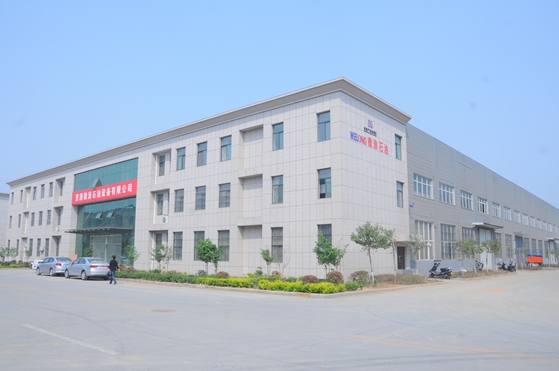
WELONG stands as a trusted fishing jar supplier with over two decades of experience serving the global oil and gas industry. Our commitment to quality excellence, demonstrated through ISO 9001:2015 and API 7-1 certifications, ensures that every fishing jar meets the rigorous standards demanded by deep well operations. We understand the critical importance of reliable fishing equipment in minimizing non-productive time and operational costs. Our engineering team works closely with drilling contractors and equipment manufacturers to provide customized solutions that address specific operational challenges and requirements. Beyond equipment supply, we offer comprehensive technical support, field assistance, and training programs that maximize operational success. When your operations demand the finest fishing jar technology and unwavering support, contact us at oiltools15@welongpost.com to discuss how WELONG can enhance your fishing operations with proven equipment and expert guidance.
References
1. Smith, J.A. and Johnson, R.B. (2023). "Advanced Fishing Tool Technologies for Ultra-Deep Wells." Journal of Petroleum Engineering, Vol. 45, pp. 234-251.
2. Chen, L. and Anderson, M.K. (2022). "Comparative Analysis of Hydraulic vs. Mechanical Fishing Jars in Deep Well Applications." International Drilling Conference Proceedings, pp. 187-203.
3. Williams, D.R. (2023). "Material Science Advances in Fishing Tool Design for Extreme Environment Applications." Materials and Corrosion in Oil and Gas Industry, Vol. 18, pp. 94-112.
4. Thompson, K.L. and Davis, P.J. (2022). "Economic Impact Analysis of Fishing Success Rates on Deep Well Project Economics." SPE Drilling and Completion, Vol. 37, No. 3, pp. 156-168.
5. Rodriguez, A.M. (2023). "Smart Technology Integration in Modern Fishing Tool Design." Oilfield Technology Magazine, Vol. 31, pp. 67-74.
6. International Association of Drilling Contractors (2022). "Best Practices Guidelines for Deep Well Fishing Operations." IADC Technical Report 2022-15, pp. 1-89.