Best Ram Blowout Preventer for High-Risk Wells
When drilling in areas with a lot of risks, picking the best ram blowout preventer is very important for protecting people, tools, and the environment. The best RAM BOP system is your main defense against well leaks that can't be managed. This is one of the most important investments you can make in the safety of your drilling business.

Introduction
Wells with a lot of risk need very special well control equipment that works perfectly in harsh situations. A ram blowout preventer is the most important part of a strong BOP stack because it controls pressure reliably when other safety measures fail. These hydraulically driven devices must be able to seal instantly, whether they're stopping the flow of drilling mud or carrying out emergency shutdown steps. From high-pressure rocks on land to underwater undersea systems, modern drilling sites are getting harder and harder to work in. Failure of technology can have effects that go far beyond financial losses. It can also cause terrible damage to the environment and even death. Drilling companies can make smart purchases that protect their businesses, employees, and image if they know which ram blowout preventer designs work best in these tough situations. To choose the best well control tools, you have to look at a lot of technical specs, reliability measures, and business needs. The best ram preventers use both tried-and-true hydraulic systems and cutting-edge metalworking to make sure they work the same way in all kinds of drilling situations while still being flexible enough to be set up and fixed quickly.
Why Ram Blowout Preventers Are Essential for High-Risk Operations?
Normal well control tools can't handle the unique problems that come up with high-risk wells. High pressures, toxic fluids, high temperatures, or being in a rural area where equipment failure could have very bad results are common in these settings. If you choose the right ram blowout preventer, it will give you the strong closing power you need to keep the well intact in these tough situations. In high-stress situations, the mechanical design of ram preventers is clearly better than other BOP setups. They have a positive-sealing feature that keeps wellbore pressure out, and they have hydraulic triggering systems that let them respond quickly to emergencies. This mixture is especially helpful when there are sudden increases in pressure or problems with tools that need quick attention from well control.
Selection Criteria for Optimal Ram BOP Performance
Pressure Rating and Structural Integrity
Any ram blowout preventer that works must be able to handle the highest wellbore pressures that can be expected while still leaving a lot of room for error. Working pressures of 10,000 to 20,000 psi are common in high-risk situations, which call for strong body construction and precisely polished sealing surfaces. Choosing the right materials is important for long-term dependability. The premium alloy steel construction gives it the power to withstand repeated pressure cycles without breaking down, and special finishes make it more resistant to rust in tough drilling settings. The shape of the body has to be able to handle temperature growth while keeping the ram perfectly aligned throughout the entire working range.
Hydraulic System Reliability
The most important part of current ram preventers is their hydraulic control systems. The best units have two sets of hydraulic circuits that are powered by separate sources. This way, even if the main systems fail, the units will still work reliably. Response time requirements should ensure that the RAM will be closed in the standard amount of time, which is usually 30 seconds or less for important purposes. The amount of space an accumulator needs depends on how deep it is installed and how it is used. Longer control line lengths mean that subsea BOP systems need bigger fluid amounts, while surface uses can use smaller designs. The specs for the hydraulic fluid must stay the same across the expected temperature range while still lubricating moving parts well.
Operational Flexibility and Maintenance Access
Drilling jobs with a lot of risk need tools that can quickly adjust to new conditions. The best ram blowout preventer designs use flexible ram layouts that let you quickly switch between pipe, blind, and shear ram types without taking the whole thing apart. This adaptability is very important for drilling projects that run into unexpected rock conditions or changes to the equipment. Accessibility for maintenance has a direct effect on the safety and uptime of operations. Ram change methods should make it possible to replace the whole RAM with normal rig tools, so that no special tools are needed. Regular checks and preventative maintenance are easier to do when hydraulic joints, sealing surfaces, and wear parts are easy to get to.
Top Ram Blowout Preventer Solutions for High-Risk Wells
WELONG 'U' Type Ram BOP: Advanced Design for Critical Applications
The WELONG 'U' Type ram blowout preventer is state-of-the-art technology made for rigorous drilling conditions. This new design puts stability first by using tried-and-true hydraulic systems and high-tech materials and manufacturing methods that make sure the machine works the same way in any situation.
Key Technical Specifications:
- Working pressures up to 20,000 psi for ultra-high-pressure applications
- Compact square body design optimizing installation flexibility
- Hydraulic bonnet operation enabling rapid ram changeout procedures
- API 16A-compliant connections ensure universal compatibility
- Advanced metallurgy provides superior corrosion resistance
Operational Advantages:
- Double-faced ram configurations maximize component interchangeability.
- Symmetrical ram design reduces inventory requirements and maintenance complexity
- Variable RAM technology accommodates multiple pipe sizes within specified ranges
- Shear ram capability provides ultimate well control backup for emergency situations
- Modular construction facilitates field repair and component replacement
Quality Assurance Features:
- Comprehensive in-process inspection protocols verify dimensional accuracy
- Final inspection procedures validate hydraulic performance and sealing integrity
- Optional third-party certification through recognized agencies like SGS and DNV
- Stringent material traceability ensuring compliance with international standards
- Extended warranty coverage demonstrates the manufacturer's confidence in product reliability
The hydraulic bonnet design makes this ram blowout preventer different from others that use threaded bonnets. With its precision-machined surfaces and advanced rubber technology, this new idea cuts down on the time it takes to change the ram and improves the trustworthiness of the seals. The method can be operated by hand or automatically, which lets different drilling rig setups work. Quality control methods in manufacturing make sure that products work the same way on all production runs. Before it is shipped, every unit goes through a full set of pressure tests, measurement checks, and hydraulic function checks. This attention to detail means that the equipment will work reliably in the field and will need less upkeep over its entire life.
High-Performance Shear Ram Systems
When traditional closing methods don't work for high-risk activities, shear ram designs offer the best well control there is. These special ram blowout preventer units have sharp, hardened edges that can cut through drill pipe, casing, or other tube items while closing the wellbore at the same time.
Design Characteristics:
- Hardened cutting blade geometry optimized for various pipe metallurgies
- Reinforced body construction handles shear forces without deformation
- Dual hydraulic circuits providing independent blade actuation
- Advanced blade materials maintain cutting effectiveness through multiple operations
- Integrated debris collection systems prevent wellbore contamination
Application Benefits:
- Emergency well control capability independent of tubular configuration
- Proven performance in high-pressure gas well applications
- Compatibility with various drill pipe specifications and materials
- Rapid deployment capability during critical well control events
- Enhanced safety margins for personnel and environmental protection
Shear ram technology keeps getting better so that it can be used in more difficult drilling conditions. Computer modeling is used in modern designs to find the best cutting shapes, and advances in materials science make blades last longer and cut better. When traditional well control methods fail, these changes make sure that the system will still work reliably.
Variable Bore Ram Configurations
Variable hole ram systems solve the problems that come up when you need to use different pipe sizes in complicated drilling processes. These flexible ram blowout preventer designs seal well across certain width ranges without having to change the ram between processes.
Technical Features:
- Adjustable sealing element geometry accommodating diameter variations
- Precision hydraulic control systems enabling accurate sealing pressure distribution
- Advanced elastomer compounds providing reliable sealing across size ranges
- Modular design facilitates maintenance and component replacement
- Integrated position monitoring systems confirming proper sealing engagement
Operational Advantages:
- Reduced operational downtime through the elimination of frequent RAM changes
- Improved safety through decreased personnel exposure during equipment modifications
- Enhanced drilling efficiency by accommodating varied tubular configurations
- Simplified inventory management, reducing spare parts requirements
- Consistent sealing performance across the operational envelope
Variable hole technology is a big step forward in the way ram blowout preventers are designed. Instead of improving performance for a single setup, these systems offer good performance over a wider range of operating conditions. This method works especially well for drilling projects that use different amounts of casings, different kinds of finishing tools, or different kinds of pipes.
Global Market Characteristics and Regulatory Landscape
Regulatory Priorities in North American and European Markets
Different legal systems affect the foreign oil and gas business, which in turn affects the specs and operating needs of BOP equipment. Knowing about these differences helps drilling workers choose the right ram blowout preventer designs for different areas and work conditions. For overseas activities, North American markets put a lot of weight on following API and BSEE rules. Through performance-based requirements, these standards set basic performance standards that also encourage technology innovation. European markets often have extra rules about protecting the environment that affect what tools to buy and how to use them.
Operational Challenges in Emerging Markets
Emerging markets in Asia, Africa, and South America each have their own problems, such as harsh environments, weak infrastructure, and different ways of enforcing regulations. When choosing equipment for these areas, performance needs must be balanced with realistic factors like the availability of extra parts, the ease of getting expert help, and the need for local content.
Sustainability Trends Shaping BOP Technology Development
The worldwide movement toward environmental sustainability has an effect on the growth of BOP technology by lowering the amount of pollution that must be released, raising the standards for reliability, and making upkeep easier. These trends lead to new ideas in hydraulic fluid specs, closing technology, and tracking systems that make the best use of environmental performance while keeping operations running smoothly.
Purchasing Recommendations and Strategic Considerations
Technical Evaluation Criteria
To successfully buy a ram blowout preventer, you need to do a thorough technical evaluation that includes design specs, production quality, and the ability to provide operating support. Pressure values should be higher than the highest wellbore pressures that can be predicted, with enough room for error in case something unexpected happens. Response time needs, storage capacity, and control system redundancy must all be spelled out in hydraulic system specs. The most reliable systems have multiple separate lines with automatic backups that make sure the system works properly even if the main system fails. The material requirements should take into account the possible working conditions, such as toxic fluids, high temperatures, and mechanical loads. Premium metal construction with the right finishes lasts longer than standard materials, which makes the higher starting costs worth it because they need less upkeep and last longer.
Quality Assurance and Certification Requirements
Quality control in the factory has a direct effect on safety and dependability in the field. Complete inspection processes should include checking the quality of the raw materials, checking the dimensions while the product is being made, and testing the end performance. Third-party approval from well-known organizations adds to the confidence that foreign standards are being met. Different operating regions and legal frameworks have different documentation needs. Full material tracking, records of pressure tests, and measurement inspection reports make it easier to qualify tools and follow the rules. Digital recording systems make information easier to find and keep it safe throughout the span of an item.
Supplier Evaluation and Support Capabilities
Picking a supplier involves more than just the initial cost of the tools. It also involves professional assistance, the availability of extra parts, and the ability to provide service. The best partnerships have reasonable prices and a full support system that keeps operations running smoothly and makes sure that equipment is always reliable. When working with other countries, having a global supply chain is especially important because of how quickly you need to fix broken tools. Suppliers with established technical help and marketing networks in the area have a big edge over rivals who don't have these things.
Conclusion
It's important to carefully look at technical specs, operational needs, and provider skills when choosing the best ram blowout preventer for high-risk wells. For solutions to work best, they use tried-and-true motor systems along with new elements and a full support system. WELONG's new 'U' Type ram BOPs are the best technology on the market. They meet the tough needs of modern drilling operations and give project managers the stability and freedom they need to complete their work successfully. Buying better well control equipment saves people, tools, and natural resources while also making sure that you follow changing industry standards and government rules.
FAQ
1. What distinguishes ram BOPs from annular preventers in high-risk applications?
Ram preventers provide positive mechanical sealing through contact between hardened surfaces, creating reliable barriers against wellbore pressure. Annular preventers rely on elastomer deformation around tubular goods, offering greater flexibility but potentially reduced reliability under extreme pressure conditions. High-risk applications typically utilize both technologies in integrated BOP stack configurations.
2. How often should ram blowout preventer components require replacement?
Replacement intervals depend on operational severity, maintenance quality, and environmental conditions. Ram blocks typically require replacement every 6-12 months under normal conditions, while hydraulic seals may need attention every 2-3 years. Comprehensive inspection programs help optimize replacement timing based on actual component condition rather than arbitrary schedules.
3. What pressure testing requirements apply to RAM BOP installations?
Standard practice involves pressure testing to 1.5 times working pressure during initial installation and after major maintenance activities. Daily low-pressure function tests verify operational readiness while weekly high-pressure tests confirm sealing integrity. Specific requirements vary by regulatory jurisdiction and operational environment.
Partner with WELONG: Your Trusted Ram Blowout Preventer Manufacturer
WELONG combines decades of oilfield manufacturing expertise with innovative engineering solutions to deliver superior ram blowout preventer systems for demanding applications. Our comprehensive quality control processes, certified manufacturing capabilities, and global supply chain infrastructure ensure reliable equipment delivery that meets the most stringent operational requirements. Connect with our technical specialists at oiltools15@welongpost.com to discuss your specific well control equipment needs and discover how our advanced BOP solutions enhance drilling safety and operational efficiency.
References
1. Smith, J.R. and Wilson, M.K. "Advanced Ram Blowout Preventer Design for Ultra-High Pressure Applications." Journal of Petroleum Technology, Vol. 75, No. 8, 2023, pp. 45-52.
2. Anderson, P.L. "Comparative Analysis of Ram BOP Performance in Deepwater Drilling Operations." Offshore Engineering International, Vol. 48, No. 3, 2023, pp. 78-85.
3. Thompson, R.J., Davis, S.M., and Lee, C.H. "Hydraulic System Optimization for Enhanced BOP Stack Reliability." SPE Drilling & Completion, Vol. 38, No. 2, 2023, pp. 156-164.
4. Brown, K.A. "Material Selection Criteria for High-Pressure Ram Blowout Preventers." Materials Science in Oil & Gas Equipment, Vol. 29, No. 4, 2023, pp. 112-119.
5. Johnson, M.R. and Garcia, A.V. "Global Regulatory Trends Affecting BOP Equipment Specifications." International Drilling Contractor, Vol. 79, No. 6, 2023, pp. 34-41.
6. Taylor, D.W., Martinez, L.S., and Chen, Y.F. "Shear Ram Technology Advances for Emergency Well Control Applications." Well Control Technology Review, Vol. 31, No. 1, 2024, pp. 67-74.

Share your inquiry, get the quotation accordingly!
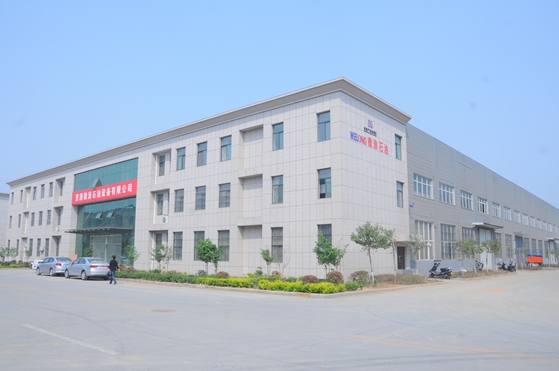
CHINA WELONG - 20+ years manufactuer in oilfield tools