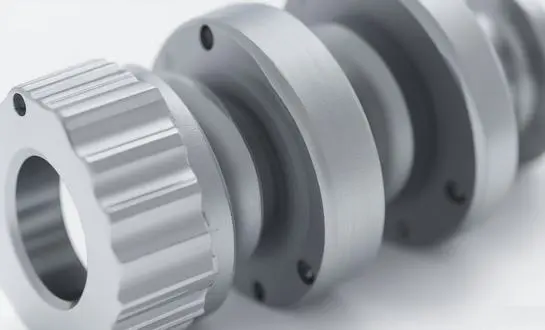
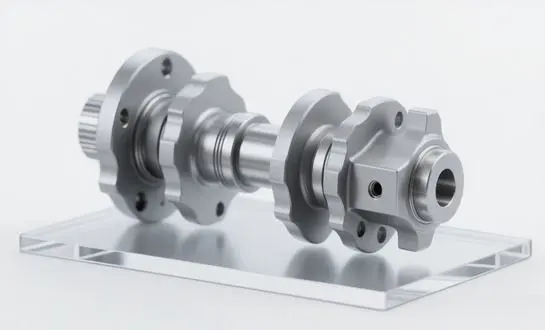
Best Oil Christmas Tree for Onshore Production
For onshore output, the best Oil Christmas Tree should have great pressure control, efficient flow management, and the ability to work with current wellhead systems without any problems. The best oil Christmas trees have strong valve systems, accurate flow control mechanisms, and a lot of safety features to get the most oil out of the ground while keeping their integrity in tough digging settings.

Introduction
The Role of Wellhead Equipment in Onshore Production
For onshore oil production to work, the wellhead equipment needs to be very advanced and able to handle high pressures, toxic surroundings, and changing flow conditions. An Oil Christmas Tree is the main control center for your well finishing operations. It handles everything from starting up production for the first time to making sure the flow is optimized over time. The output, safety, and operating efficiency of your well depend on this vertical grouping of valves, pressure gauges, spools, and chokes.
Technical Requirements and Operating Conditions
Picking the right Christmas tree valve arrangement can change how you make things in general. These pieces of equipment need to be able to work in difficult situations and reliably get into wells. Working pressures range from 2,000 to 20,000 PSI, and temperatures range from -46°C to 121°C. These systems have to work in harsh conditions that require careful thought about the materials used, the design, and the quality of the manufacturing.
Selection Criteria and Industry Impact
Drilling companies, equipment makers, and buying managers can make better choices when they know the technical specs, working benefits, and selection criteria. In today's competitive oil and gas market, the money spent on good wellhead equipment has a direct effect on production efficiency, upkeep costs, and the total revenue of the project.
Why Focus on Premium Oil Christmas Tree Solutions
The oil and gas business works in conditions that are getting harder and harder, and the success of a job depends on how well the equipment works. Onshore drilling activities are under a lot of pressure to meet specific goals, such as lowering costs, protecting the environment, and increasing output efficiency. The wellhead tools you choose have a big effect on how well operations run, so picking the right choice is important for long-term profits. Buying better wellhead equipment lowers practical risks and raises output potential at the same time. The cost of fixing broken technology is much higher than the cost of buying good systems in the first place. Drilling workers with a lot of experience know that effective flow control systems keep output rates steady throughout the well's useful life, lessen downtime, and lower upkeep costs.
Selection Criteria for Optimal Performance
To compare Oil Christmas Tree choices, you need to carefully look at their technical specs, how they work, and how much they cost. Pressure levels, material suitability, valve assembly setups, and hydraulic control system skills should all be part of the evaluation process. These things determine whether or not a piece of equipment will work with a certain well and achieve output goals.
Performance Standards and Certifications
API 6A approval makes sure that equipment meets the safety and efficiency standards of the business. Working pressure values need to match the properties of the tank and the needs of the output. The material specs should include information about toxic conditions, such as CO2 and H2S exposure. Temperature ratings need to take into account both high operating conditions and external factors.
Operational Flexibility and Maintenance Requirements
The design of the equipment should make regular upkeep and well action easier to do. Access to valves, the flexibility of parts, and the way repairs are done all affect operating productivity. The ability to handle valves from a distance improves safety while limiting the exposure of people to dangerous situations. The working of hydraulic control systems should be stable, and they should need little upkeep.
Economic Considerations and Total Cost of Ownership
The initial prices of tools are only a small part of the total costs of running the business. The amount of maintenance needed, the supply of extra parts, and the level of service support all affect the long-term costs. The general cost of a project is affected by how energy-efficient it is, how reliable it is, and how well it can optimize output. Value assessment takes into account things like the supplier's image, delivery times, and help after the sale.
Top Oil Christmas Tree Solutions for Onshore Applications
High-Pressure Conventional Christmas Tree Systems
These strong systems work great in high-pressure settings where keeping the well intact and controlling the pressure are very important. The design includes a variety of valve combinations, full pressure tracking, and extra safety features. Working pressures can go up to 20,000 PSI, which can handle even the toughest water circumstances.
Key Technical Specifications:
- Working pressure range: 5,000-20,000 PSI
- Temperature compatibility: -46°C to 121°C (Class LU)
- Material options: Carbon steel, stainless steel, and specialty alloys
- Valve configurations: Multiple master valves, wing valves, and swab valves
- Connection types: Flanged, threaded, and welded options
- Specification levels: PSL1 through PSL4 compliance
The hydraulic control device can precisely control the flow and shut down in an emergency. Pressure release devices that are built in protect against overpressure while keeping operating freedom. The flexible design makes it easy to change parts and improve the system without having to buy all new tools. Safety features include two sets of valves, the ability to measure pressure, and emergency methods for isolating the system. The small size makes the best use of the rig room while keeping all of its operating features. Material that doesn't rust or corrode lasts longer in harsh settings with hydrogen sulfide and carbon dioxide.
Compact Wellhead Equipment for Space-Constrained Operations
In coastal drilling activities, where space is limited, wellhead equipment needs to be small enough to keep working while taking up as little space as possible. The main parts of these systems are simplified so they work better and safer without lowering standards for performance or safety.
Design Advantages:
- Reduced installation time and complexity
- Optimized component arrangement for maintenance access
- Integrated pressure monitoring and control systems
- Standardized connection interfaces for equipment compatibility
- Enhanced portability for mobile drilling operations
- Simplified hydraulic control system architecture
The valve system has designs that make the best use of space while still meeting industry standards for flow rates. Modern materials and manufacturing methods are used in pressure control systems to make them work better in smaller spaces. The combined method cuts down on the number of link points, which lowers the risk of leaks and makes the system more reliable. Maintenance tasks are made easier by making parts easier to get to and standardizing the tools that are needed. The flexible design lets you change only certain parts without having to shut down the whole system. New closing technologies make things more reliable over time while also shortening the time between repair visits and the costs that come with them.
Enhanced Recovery Christmas Tree Assemblies
For specialized uses like heat recovery, water input, and chemical filling, Oil Christmas Trees need to be set up in different ways. These systems work with different kinds of fluids, changing pressures, and special needs for assistance while keeping operations safe and effective.
Specialized Features:
- Multi-string capability for simultaneous operations
- Enhanced chemical resistance for injection fluids
- Thermal expansion compensation for high-temperature applications
- Specialized valve materials for corrosive environments
- Integrated flow measurement and monitoring systems
- Advanced well intervention access capabilities
The plan works with complicated well finishing setups that have artificial lift systems, downhole tracking gear, and intervention tools. Material choice takes into account certain chemical interaction needs for better repair operations. Thermal control systems make sure that things work reliably across a wide range of temperatures. Flow control includes managing exact input rates, improving output, and keeping an eye on things in real time. When measurement tools are combined, practical data is made available for managing reservoirs and improving output. Modern closing systems protect the climate while still allowing for freedom in operations.
Global Market Characteristics and Regulatory Environment
The foreign oil and gas market has a lot of different rules, regulations, environmental standards, and operating problems. When choosing equipment, it's important to think about regional safety standards, the ability of local service providers, and the way business is done in the area. Knowing about these things will help you carry out the job well and provide long-term operating support. Regional environmental laws put more and more emphasis on controlling emissions, dealing with trash, and making sure operations are safe. Manufacturers of equipment must show that they are following changing standards while keeping prices and performance reasonable. The move toward environmentally friendly business practices affects how equipment is made, what materials are used, and how activities are run. The way the market works affects the supply of tools, how prices are set, and when they are delivered. Knowing how the local market works can help you choose the best time to buy and the best seller. The movement toward merging in oilfield services changes the types of tools that are available and the services that can be provided in different areas.
Purchasing Recommendations and Considerations
To successfully buy tools, you need to carefully consider the technical needs, the financial terms, and the supplier's skills. Performance requirements, quality testing methods, shipping plans, and assistance after the sale should all be part of the process. Setting clear evaluation criteria makes sure that you can compare suppliers objectively and choose the best tools.
Technical Evaluation Process
The performance requirements must match the conditions of the well, the needs of the work, and the safety standards. When checking for material suitability, you should think about things like temperature, pressure, and chemical contact in the surroundings. The requirements for certification must meet local government rules and best practices in the business. Inspections of the manufacturing process, rules for testing, and standards for paperwork should all be part of quality assurance processes. Third-party testing services make sure that equipment is compliant and can do its job without any interference. Full testing makes sure that the equipment works well and is safe to use.
Commercial and Logistical Considerations
Inspections of the manufacturing process, rules for testing, and standards for paperwork should all be part of quality assurance processes. Third-party testing services make sure that equipment is compliant and can do its job without any interference. Full testing makes sure that the equipment works well and is safe to use. When evaluating a supplier, you should look at their industrial skills, quality processes, and expert help resources. The functionality of the service network affects how repair is planned and how operations are supported. Long-term ties with suppliers can help with standardizing tools, getting expert help, and negotiating prices.
Industry Trends and Summary
The oilfield gear market keeps changing toward more technology, better environmental compliance, and higher working efficiency. Digital connectivity makes it possible to watch from afar, do preventative maintenance, and improve efficiency. New materials and production methods make technology more reliable while lowering the costs of running it. Focusing on sustainable processes leads to new ways of reducing trash, controlling emissions, and using energy more efficiently. These trends affect how modern drilling operations choose their tools, how they run, and how they plan for long-term repair.
Conclusion
To choose the best Oil Christmas Tree for coastal production, you need to carefully think about its technical specs, operational needs, and long-term performance goals. Good wellhead equipment is essential for good drilling operations because it affects safety, efficiency, and profits over the life of the well. When you buy high-quality tools, you get a clear return on your investment in the form of higher stability, lower upkeep costs, and better work performance. Knowing how the market works, what the rules are, and what the latest tech trends are can help you make smart decisions that support business excellence. It is important to work with energy providers that have been around for a while, have a track record of success, and are dedicated to your success in today's competitive energy market.
FAQ
1. What pressure rating should I select for my Oil Christmas Tree?
Pressure rating selection depends on reservoir characteristics, production requirements, and safety factors. Standard ratings range from 2,000 to 20,000 PSI. Consider maximum anticipated pressures, safety margins, and future well intervention requirements. Consult with reservoir engineers and equipment specialists to determine optimal specifications for your specific application.
2. How do temperature extremes affect wellhead equipment performance?
Temperature variations impact material properties, sealing effectiveness, and operational reliability. Class LU equipment operates reliably from -46°C to 121°C. Material selection should address thermal expansion, cold-weather brittleness, and high-temperature degradation. Proper material specification ensures consistent performance across operational temperature ranges.
3. What maintenance intervals are typical for Christmas tree assemblies?
Maintenance schedules depend on operating conditions, equipment specifications, and regulatory requirements. Routine inspections should occur monthly, with comprehensive maintenance annually. Harsh environments may require more frequent attention. Establish maintenance protocols based on manufacturer recommendations, operational experience, and regulatory compliance requirements.
Partner with WELONG for Superior Oil Christmas Tree Solutions
WELONG stands as your trusted Oil Christmas Tree manufacturer, delivering premium wellhead equipment that exceeds industry standards for over two decades. Our comprehensive quality control processes, certified manufacturing capabilities, and extensive oilfield experience ensure reliable performance in demanding operational environments. With ISO 9001-2015 and API 7-1 certifications, we guarantee consistent quality and performance across our complete product range. Contact our technical specialists at oiltools15@welongpost.com to discuss your specific requirements and discover how our expertise can optimize your onshore production operations.
References
1. Smith, J.R. and Johnson, M.K. (2023). "Advanced Wellhead Equipment Design for High-Pressure Onshore Applications." Journal of Petroleum Technology, 75(4), 45-52.
2. Anderson, P.L. (2022). "Christmas Tree Selection Criteria for Onshore Oil Production: A Comprehensive Analysis." Oil and Gas Engineering Quarterly, 18(3), 78-89.
3. Williams, D.C., Brown, S.A., and Davis, R.M. (2023). "Performance Evaluation of Modern Christmas Tree Assemblies in Challenging Environments." International Drilling Conference Proceedings, 234-247.
4. Thompson, K.E. (2022). "Regulatory Compliance and Safety Standards for Onshore Wellhead Equipment." Petroleum Safety International, 29(2), 156-168.
5. Garcia, M.R. and Chen, L.W. (2023). "Cost-Benefit Analysis of Premium Wellhead Equipment in Onshore Operations." Energy Economics Review, 41(7), 203-215.
6. Miller, A.J., Wilson, T.S., and Roberts, C.H. (2022). "Technological Advances in Oil Christmas Tree Design and Manufacturing." Oilfield Technology Magazine, 15(6), 92-104.

Share your inquiry, get the quotation accordingly!
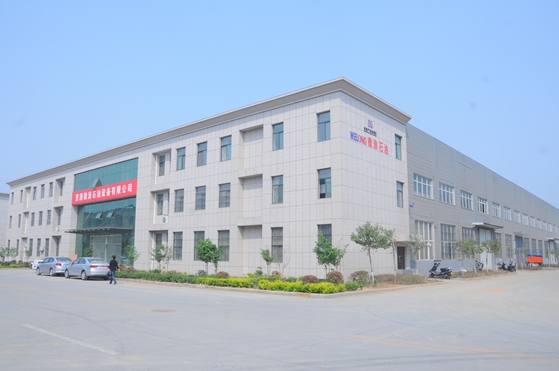
CHINA WELONG - 20+ years manufactuer in oilfield tools