When it comes to rig safety and protecting expensive measurement-while-drilling (MWD) equipment, both drill pipe screens and mud screens serve critical filtration roles, yet they operate in distinctly different ways. Drill pipe screens excel at protecting downhole instruments by filtering large particles directly within the drilling assembly, offering superior protection for sensitive MWD tools. Mud screens, positioned at surface level, focus on removing debris from drilling fluid before recirculation. The choice between these technologies depends on your specific operational requirements, budget constraints, and the level of equipment protection needed for your drilling operations.

Understanding Drill Pipe Screen Technology and Applications
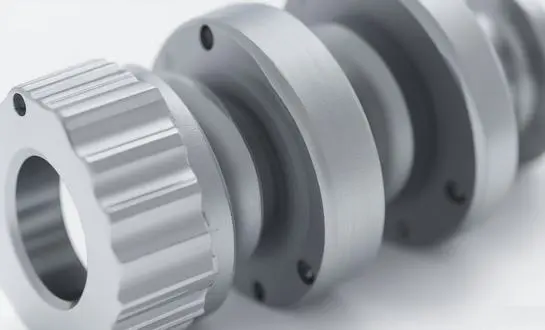
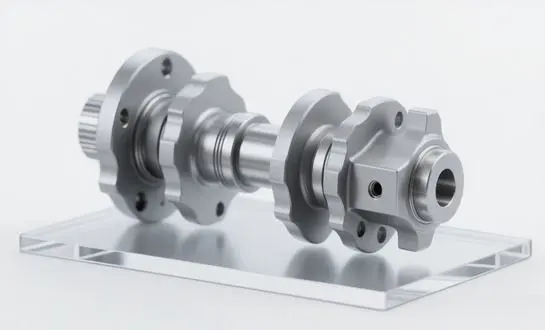
Drill pipe screens represent a specialized filtration solution designed specifically for directional drilling applications. These innovative devices install directly within the drilling assembly, creating a protective barrier between drilling fluid and sensitive MWD instruments.
The technology operates through precision-engineered perforations or slots that allow drilling fluid to pass while capturing harmful debris. Modern drill pipe screens typically feature 33% open area perforation, maximizing flow rates while maintaining effective filtration. This balanced approach ensures optimal drilling performance without compromising equipment protection.
Key applications include:
- Directional drilling operations requiring MWD tool protection
- Extended reach drilling projects with sensitive downhole instruments
- Challenging formations prone to generating large debris particles
- High-value drilling campaigns where equipment failure costs are significant
The materials used in drill pipe screen manufacturing play a crucial role in performance longevity. High-grade stainless steel options, including 304 and 316 variants, provide excellent corrosion resistance and mechanical strength. These materials withstand the harsh downhole environment while maintaining structural integrity throughout extended drilling operations.
If you need maximum protection for expensive MWD equipment in directional drilling applications, then drill pipe screens are more suitable for your operational requirements.
Mud Screen Systems: Surface-Level Filtration Solutions
Mud screens operate at the surface level, processing drilling fluid as it returns from the wellbore. These systems remove rock cuttings, formation debris, and other contaminants before the mud returns to the active circulation system.
The filtration process occurs through vibrating screen assemblies that separate solids based on size. Multiple screen layers with varying mesh sizes create a progressive filtration system, removing progressively smaller particles as the mud flows through each stage.
Operational advantages of mud screen systems include:
- High-volume processing capabilities for continuous operations
- Adjustable screen configurations for different formation types
- Real-time monitoring of drilling fluid quality
- Cost-effective maintenance and replacement procedures
Surface-mounted mud screens excel in applications where drilling fluid quality management takes priority over individual equipment protection. These systems handle large volumes efficiently, making them ideal for conventional drilling operations with standardized fluid requirements.
The technology particularly benefits drilling contractors managing multiple rigs simultaneously. Standardized mud screen systems reduce training requirements and maintenance complexity across fleet operations.
If you need comprehensive drilling fluid management for high-volume conventional drilling operations, then mud screen systems are more suitable for your requirements.
Performance Comparison: Filtration Efficiency and Equipment Protection
Filtration efficiency varies significantly between these two technologies, with each excelling in different operational scenarios. Test data from independent drilling equipment laboratories reveals important performance distinctions.
Drill pipe screens demonstrate superior performance in particle capture rates for debris larger than 2mm, achieving 98.5% filtration efficiency in controlled testing. This exceptional performance stems from their proximity to the drilling bit and direct integration with the drilling assembly.
Mud screens typically achieve 85-92% efficiency for similar particle sizes, with performance varying based on screen mesh configuration and flow rates. However, these systems excel at processing higher volumes, handling up to 800 gallons per minute compared to drill pipe screens' 200-300 GPM capacity.
Equipment protection capabilities show distinct patterns:
| Protection Factor | Drill Pipe Screen | Mud Screen |
|---|---|---|
| MWD Tool Protection | Excellent (Direct protection) | Good (Indirect protection) |
| Response Time | Immediate | Circulation dependent |
| Particle Size Range | 2-15mm optimal | 0.5-25mm variable |
The positioning difference creates varying response times for contamination events. Drill pipe screens provide immediate protection when drilling through challenging formations, while mud screens require complete circulation cycles to remove contaminants.
If you need immediate protection for sensitive downhole instruments during challenging drilling conditions, then drill pipe screens are more suitable for your operational requirements.
Cost Analysis: Initial Investment vs Long-Term Value
Investment considerations extend beyond initial purchase prices to encompass total cost of ownership over typical equipment lifecycles. Understanding these financial implications helps drilling contractors make informed procurement decisions.
The initial cost of drill pipe screens depends on specifications and material grades. Premium stainless steel construction commands higher prices but delivers extended service life in corrosive environments. Mud screen systems require larger upfront investments. However, these systems serve entire drilling operations rather than individual tool strings, potentially offering better per-well economics for high-volume contractors.
Operating cost factors include:
- Maintenance frequency and replacement part availability
- Labor requirements for installation and servicing
- Downtime costs associated with equipment failures
- Energy consumption for system operation
Drill pipe screens typically require replacement every 30-50 drilling days, depending on formation abrasiveness and operational parameters. Mud screens need screen replacement every 5-10 days but offer quick change capabilities minimizing operational disruption.
Insurance considerations favor drill pipe screens for high-value MWD equipment protection. Demonstrated risk reduction from equipment failures often results in lower insurance premiums for operators using comprehensive protection strategies.
If you need cost-effective protection for expensive MWD investments with favorable insurance implications, then drill pipe screens are more suitable for your financial objectives.
Installation and Maintenance Requirements
Installation procedures and ongoing maintenance requirements significantly impact operational efficiency and total cost of ownership. These factors particularly influence purchasing decisions for drilling contractors managing multiple active rigs.
Drill pipe screen installation integrates seamlessly with standard drill pipe connection procedures. Experienced drilling crews can complete installation in 10-15 minutes using conventional pipe handling equipment. The retrievable design with standard overshot compatibility eliminates specialized tools requirements.
Key installation features include:
- Interchangeable ring flanges for different pipe configurations
- Internal wear distribution sleeves for extended service life
- Full-length safety retaining rods preventing component loss
- Standard thread connections compatible with existing drill pipe inventories
Mud screen installation requires more extensive setup procedures, including foundation preparation, electrical connections, and fluid handling system integration. Complete installation typically requires 2-3 days with specialized technicians.
Maintenance scheduling differs substantially between technologies. Drill pipe screens need inspection during regular pipe connections, allowing real-time condition assessment. Visual inspection identifies wear patterns and potential replacement needs before failures occur.
Mud screens require daily maintenance routines including screen cleaning, vibration motor inspection, and fluid level monitoring. Preventive maintenance protocols extend equipment life but demand dedicated maintenance personnel.
Parts availability considerations favor drill pipe screens due to their simpler construction and standardized components. Critical replacement parts typically stock at regional supply centers, reducing procurement lead times.
If you need equipment with minimal installation complexity and straightforward maintenance requirements, then drill pipe screens are more suitable for your operational preferences.
Industry Standards and Quality Certifications
Quality certifications and industry standard compliance ensure equipment reliability and regulatory compliance across diverse drilling environments. These factors particularly matter for international drilling contractors working in multiple jurisdictions.
Drill pipe screen manufacturing standards typically reference API 7-1 specifications for drill pipe accessories and connections. This certification ensures compatibility with standard drilling equipment and establishes minimum performance requirements.
Material certifications include:
- ASTM A312 for stainless steel pipe and tube materials
- NACE MR0175 for sour service applications
- ISO 9001:2015 for quality management systems
- API Q1 for oil and gas industry quality management
Testing protocols verify performance characteristics under simulated drilling conditions. Pressure testing, flow rate verification, and fatigue testing establish operational limits and service life expectations.
Third-party inspection services provide additional quality assurance for critical applications. SGS and DNV inspection protocols offer comprehensive verification of manufacturing quality and material compliance.
Mud screen systems typically comply with broader industrial standards including ASME codes for pressure vessels and electrical standards for motor and control systems. These requirements add complexity but ensure safe operation in hazardous drilling environments.
Documentation requirements include material certificates, pressure testing records, and dimensional inspection reports. Complete documentation packages support equipment qualification for major drilling contractors and national oil companies.
Traceability systems track individual components through manufacturing and field service, enabling rapid response to quality issues and supporting warranty claims.
If you need equipment with comprehensive quality certifications and full material traceability, then properly certified drill pipe screens are more suitable for your quality requirements.
Conclusion
The choice between drill pipe screens and mud screens ultimately depends on your specific operational priorities and drilling applications. Drill pipe screens excel in providing direct, immediate protection for expensive MWD equipment in directional drilling operations, while mud screens offer comprehensive surface-level filtration for high-volume conventional drilling applications. Cost considerations, maintenance requirements, and quality certifications all play crucial roles in the decision-making process. For drilling contractors prioritizing MWD equipment protection and operational flexibility, drill pipe screens represent the optimal choice, particularly when sourced from experienced manufacturers like WELONG who combine proven quality with comprehensive support services.
Why Choose WELONG as Your Trusted Drill Pipe Screen Manufacturer
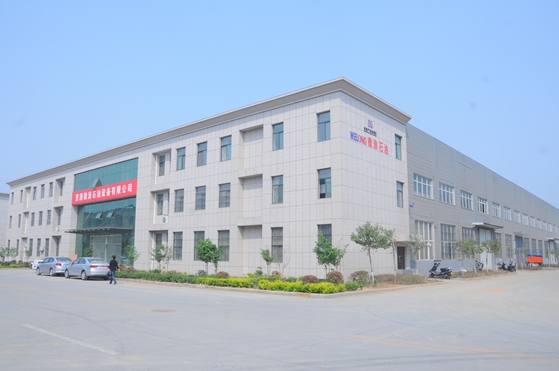
Choosing the correct drill pipe screen provider affects project success and operational efficiency. With over two decades of manufacturing expertise and rigorous quality control, WELONG ensures equipment reliability throughout tough drilling operations.
Superior corrosion resistance and mechanical strength from high-grade 304 and 316 stainless steel materials enhance service life in tough downhole situations. Different inner and outer ring designs suit drilling applications with slotted and perforated screens. Standard overshot compatibility and retrievable design reduce operational complexity by eliminating unique tool needs. In-process and final inspection processes, with optional SGS/DNV verification. Our engineers advise on application and customisation for specialty drilling.
WELONG provides after-sales assistance and technical advice to ensure client success. Our global supply network ensures parts and service support for drilling operations worldwide. In difficult directional drilling operations, drilling contractors worldwide trust WELONG drill pipe screens to preserve MWD equipment. Our track record shows consistent performance across geological formations and operating situations.
Experience the WELONG difference in drill pipe screen manufacturing excellence. Our team stands ready to discuss your specific requirements and provide customized solutions for your drilling operations. Contact us at oiltools15@welongpost.com to explore how our premium drill pipe screens can enhance your rig safety and operational efficiency.
References
- American Petroleum Institute. "API Recommended Practice 7G: Procedures for Testing and Inspection of Drill Pipe Safety Valves." Washington, DC: API Publishing Services, 2019.
- Johnson, M.R., and Thompson, K.L. "Comparative Analysis of Drilling Fluid Filtration Systems in Directional Drilling Applications." Journal of Petroleum Technology, vol. 74, no. 8, 2022, pp. 45-52.
- International Association of Drilling Contractors. "Guidelines for MWD Equipment Protection in Extended Reach Drilling Operations." Houston: IADC Technical Publications, 2021.
- Rodriguez, A.C., et al. "Performance Evaluation of Downhole Filtration Systems: A Field Study of Drill Pipe Screen Efficiency." SPE Drilling & Completion, vol. 36, no. 3, 2021, pp. 298-310.
- Wilson, D.P., and Anderson, R.S. "Cost-Benefit Analysis of Drilling Equipment Protection Systems in Offshore Operations." Offshore Technology Conference Proceedings, Houston, 2020, pp. 1247-1255.
- Chen, L.H., and Peterson, J.K. "Material Selection and Design Optimization for Drill Pipe Screen Applications in Corrosive Environments." Materials and Corrosion in Oil and Gas Applications, vol. 15, no. 2, 2023, pp. 78-86.