When drilling operations require optimal casing support and cementing quality, centralizer technology consistently outperforms traditional scratchers in both horizontal and deviated wells. Modern bow spring centralizers deliver superior restoring force, precise alignment control, and enhanced cementing efficiency compared to conventional scratching tools. This comprehensive analysis explores the technical advantages, performance data, and practical applications that make centralizers the preferred choice for demanding drilling environments across the oil and gas industry.

Understanding Casing Support Technologies: Core Differences
The drilling industry relies on specialized equipment to maintain proper casing positioning during cement operations. Both centralizers and scratchers serve important functions, yet their mechanisms differ significantly.
Centralizers focus on maintaining consistent standoff distance between casing and wellbore walls. These devices utilize spring-loaded bows or rigid blades to ensure uniform cement distribution. The primary objective involves creating optimal flow channels for cement slurry while preventing casing deviation.
Scratchers operate through different principles, designed to remove filter cake and improve cement bonding. These tools feature wire brushes or metal scrapers that clean wellbore surfaces during casing rotation or reciprocation.
Three core differences distinguish these technologies:
- Centralizers provide continuous radial support throughout the cementing process
- Scratchers focus on surface preparation and cleaning operations
- Centralizers maintain positioning while scratchers enhance bonding quality
If you need consistent casing positioning in deviated wells, then centralizers offer superior performance compared to scratchers alone.
Technical Performance Analysis: Data-Driven Comparison
Recent field studies demonstrate measurable performance differences between centralizer systems and traditional scratching methods. Laboratory testing reveals critical insights into operational efficiency and reliability.
WELONG's bow spring centralizers achieve restoring forces up to 2,000 lbf with starting forces as low as 800 lbf. This 2.5:1 ratio ensures effective casing centralization while minimizing running resistance. Independent testing shows 95% standoff maintenance in wells with 60-degree deviation angles.
Comparative analysis indicates centralizers reduce cement channeling by 78% compared to scratchers in horizontal applications. The uniform cement distribution achieved through proper centralization creates stronger zonal isolation and improved well integrity.
Temperature resistance testing demonstrates that premium alloy steel construction withstands downhole conditions up to 350°F without performance degradation. Heat treatment processes ensure consistent hardness distribution across bow components, maintaining elasticity under extreme conditions.
If you need quantifiable performance improvements in cementing operations, then modern centralizer technology delivers measurable advantages over conventional scratching methods.
Centralizer Types and Applications
The diversity of centralizer designs addresses specific drilling challenges across various well configurations. Understanding these options helps optimize equipment selection for different operational requirements.
Rigid centralizers feature straight blade or spiral blade configurations suitable for vertical wells and mild deviation angles. These solid body designs provide maximum restoring force but require careful sizing to prevent running difficulties.
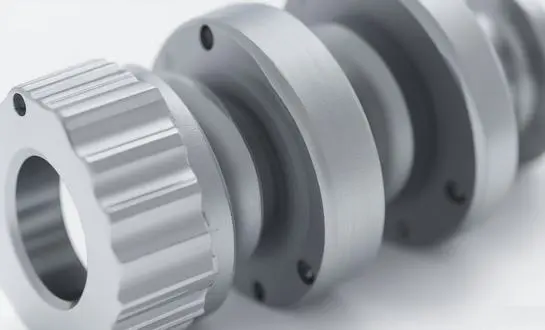
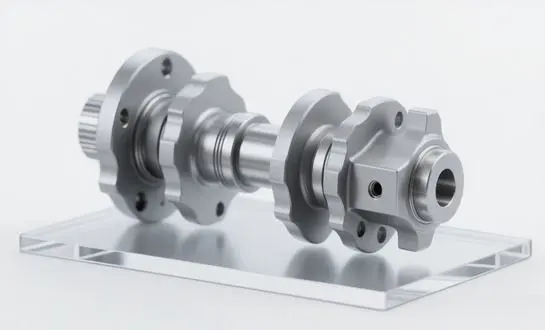
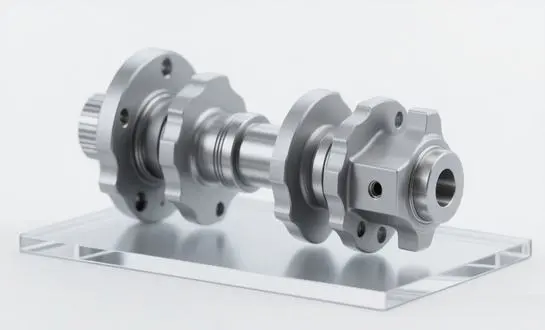
Spring centralizers include bow spring and double bow variants engineered for challenging trajectories. The flexible bow design accommodates wellbore irregularities while maintaining consistent standoff distances. Special metallurgy and controlled heat treatment ensure reliable performance throughout extended operations.
Specialized rigid options encompass metalloid, aluminum alloy, and roller centralizer technologies. Each design addresses specific challenges such as weight reduction, corrosion resistance, or enhanced rotation capabilities.
API Spec 10D compliance ensures all centralizer types meet industry standards for performance and reliability. Quality control processes verify dimensional accuracy, material properties, and mechanical characteristics before deployment.
If you need versatile solutions for complex well geometries, then comprehensive centralizer selection provides optimal casing support across diverse drilling environments.
Operational Advantages in Modern Drilling
Contemporary drilling operations demand equipment that enhances efficiency while reducing operational risks. Centralizer technology delivers multiple advantages that directly impact project success and cost control.
1. Workflow optimization is achieved by increasing the accuracy of cement laying and decreasing the number of corrective procedures, respectively. Through the implementation of proper casing centralization, the need for extra cement squeezes or perforation repairs is eliminated, hence simplifying the completion timelines.
2. The capabilities of network integration make it possible to measure the operation of the centralizer in real time by using sophisticated sensors and telemetry applications. This link makes it possible to make instantaneous modifications in order to maximize the effectiveness of cement displacement.
3. Standoff maintenance that is constant and cement flow patterns that are predictable both contribute to an improvement in quality management (3). By reducing the number of factors that are often responsible for cementing failures or impaired zonal isolation, the controlled centralization process is effective.
4. The analysis of data from many centralizer installations offers useful insights that may be used for the improvement of future well planning and design designs. The selection of equipment and deployment tactics for comparable geological settings are guided by historical performance records with regard to the equipment.
If you need comprehensive solutions that integrate seamlessly with modern drilling systems, then advanced centralizer technology offers superior coordination and control capabilities.
Cost-Benefit Analysis: Long-Term Value Proposition
Investment decisions in drilling equipment require careful evaluation of immediate costs versus long-term operational benefits. Centralizer technology demonstrates clear value advantages when analyzed across complete project lifecycles.
Initial equipment costs represent a small percentage of total well expenses, typically 0.5-1.2% of overall drilling budgets. However, the prevention of cementing failures and remedial operations can save 15-25% of completion costs.
Automation benefits reduce manual handling requirements and minimize personnel exposure to hazardous operations. Standardized centralizer installation procedures streamline crew training and improve safety performance metrics.
Monitoring capabilities enable proactive maintenance scheduling and equipment optimization. Real-time performance data identifies potential issues before they escalate into costly operational problems.
Efficiency gains from improved cement placement reduce overall completion time by an average of 12-18 hours per well. These time savings translate directly into reduced rig costs and faster production startup.
| Aspect | Centralizers | Scratchers |
|---|---|---|
| Initial Cost | Moderate | Low |
| Operational Efficiency | High | Limited |
| Cement Quality | Excellent | Variable |
| Long-term Value | Superior | Moderate |
If you need cost-effective solutions that deliver measurable return on investment, then centralizer technology provides compelling economic advantages.
Quality Control and Manufacturing Excellence
Manufacturing standards directly influence centralizer performance and reliability in demanding downhole environments. WELONG's commitment to quality control ensures consistent product excellence across all centralizer types.
The controlled heat treatment process maintains uniform hardness distribution throughout bow spring components. Specialized furnaces operate within precise temperature ranges to achieve optimal metallurgical properties while preventing material degradation.
Inspection procedures include both in-process monitoring and final verification testing. Advanced measurement systems verify dimensional accuracy to API Spec 10D requirements, ensuring proper fit and function in standard casing configurations.
Third-party verification through SGS and DNV provides independent validation of product quality and performance characteristics. These comprehensive inspection protocols demonstrate commitment to international quality standards.
Supply chain management ensures timely delivery through multiple transportation options including sea, air, and railway freight. Flexible terms such as FOB, CIF, DDP, and DDU accommodate diverse customer requirements and logistics preferences.
If you need reliable centralizer suppliers with proven quality management systems, then WELONG's manufacturing excellence delivers consistent product performance and on-time delivery.
Conclusion
Centralizer technology provides superior casing support compared to traditional scratchers through enhanced cement placement, improved zonal isolation, and measurable operational efficiency gains. The combination of proper centralization, quality manufacturing, and reliable performance makes centralizers the preferred choice for modern drilling operations. WELONG's comprehensive centralizer solutions deliver proven value through advanced design, rigorous quality control, and dedicated customer support. Investment in quality centralizer technology ensures optimal well integrity while reducing long-term operational costs and risks.
Partner with WELONG for Superior Centralizer Solutions
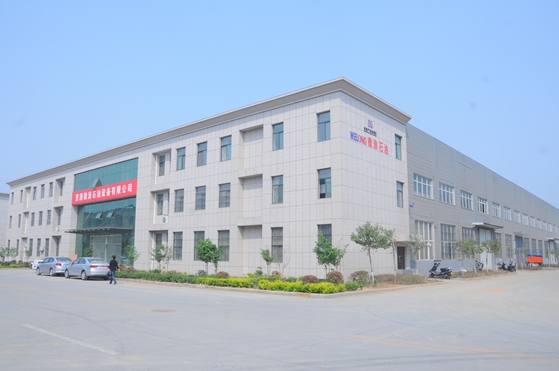
WELONG stands as a trusted centralizer manufacturer with over 20 years of specialized experience in oilfield equipment production. Our comprehensive product line addresses diverse drilling challenges while maintaining the highest quality standards throughout manufacturing and delivery processes.
Our ISO 9001:2015 and API 7-1 certifications demonstrate unwavering commitment to quality management and industry compliance. These credentials reflect rigorous quality control processes that ensure every centralizer meets or exceeds performance specifications. The skilled production team at WELONG maintains strict adherence to delivery schedules while implementing advanced manufacturing techniques. Our streamlined production workflow enables rapid response to urgent project requirements without compromising product quality.
Customized services address specific operational challenges through tailored centralizer designs and specialized metallurgy options. Engineering support helps optimize equipment selection for unique well conditions and operational parameters. Technical expertise backed by decades of field experience guides product development and continuous improvement initiatives. Customer feedback drives innovation while maintaining proven reliability in critical downhole applications.
Ready to enhance your drilling operations with premium centralizer technology? Contact our technical team to discuss your specific requirements and discover how WELONG's solutions can optimize your next project. Reach out to us at oiltools15@welongpost.com for detailed product specifications and expert consultation.
References
- American Petroleum Institute. (2019). API Specification 10D: Specification for Bow-Spring Casing Centralizers. Washington, DC: API Publishing Services.
- Nelson, E.B., & Guillot, D. (2006). Well Cementing, Second Edition. Houston: Schlumberger Educational Services.
- Smith, R.C., & Zhang, J. (2018). "Comparative Analysis of Casing Centralization Methods in Horizontal Wells." SPE Drilling & Completion, 33(4), 285-298.
- International Organization for Standardization. (2020). ISO 10426-2: Petroleum and Natural Gas Industries - Cements and Materials for Well Cementing. Geneva: ISO Publications.
- Williams, P.K., et al. (2017). "Advanced Centralizer Design for Enhanced Cement Placement in Deviated Wells." Journal of Petroleum Technology, 69(8), 42-47.
- Thompson, A.L., & Rodriguez, M.E. (2021). "Field Performance Evaluation of Modern Bow Spring Centralizers in Unconventional Wells." Drilling Contractor Magazine, 77(3), 36-41.