Bumper Sub vs Shock Sub: Key Differences in Drilling Operations
Maintaining drill string stability and managing downhole dynamic forces are vital for safe and successful oilfield operations. During deepwell drilling, workover, and complex intervention projects, drill strings are continuously subjected to severe mechanical loads, harmonic vibrations, and sudden axial impacts. To mitigate equipment damage and optimize operational progress, drilling engineers rely on specialized downhole tools. Among these, the Bumper Sub and the shock sub are frequently discussed. Although both tools are installed within the Bottom Hole Assembly (BHA) to handle axial forces, their structural mechanisms, primary functions, and downhole behaviors differ substantially. Understanding the key differences between these two critical tools ensures appropriate tool selection, prevents costly non-productive time, and maximizes downhole equipment reliability.
What Is a Bumper Sub and How Does It Differ from a Shock Sub?
Defining the Bumper Sub in Modern Drilling and Fishing
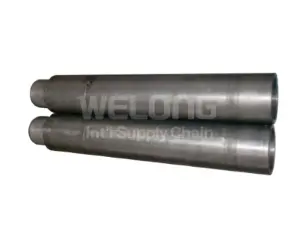
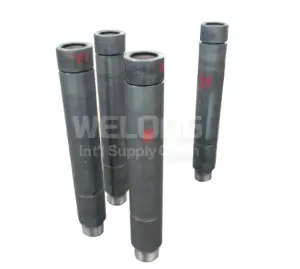
A Bumper Sub is a specialized mechanical slip-joint tool installed in the drill string or fishing assembly to provide vertical stroke and deliver downward jarring force. In standard oilfield operations, models such as the KXJ fishing bumper sub and the BXJ lubricated fishing bumper sub serve as indispensable components for downhole obstruction management. The primary function of a Bumper Sub is to dislodge stuck pipe or fishing tools by utilizing drill string weight to generate a controlled, powerful axial downward impact. Furthermore, during complex fishing operations, it acts as a reliable releasing tool that allows operators to disengage from a fish if retrieval becomes impossible.
Understanding the Primary Role of a Shock Sub
In contrast to the impact-generating design of a Bumper Sub, a shock sub is engineered specifically to absorb and dampen continuous vertical vibrations generated by the drill bit engaging rock formations. Installed directly above the drill bit or near the bottom of the BHA, the shock sub acts as a downhole shock absorber. While a Bumper Sub allows free vertical movement to accumulate kinetic energy for a sharp jarring blow, a shock sub utilizes internal spring elements or elastomeric stacks to cushion the drill string against rough drilling dynamics, thereby extending the operational lifespan of the drill bit and sensitive measurement-while-drilling (MWD) tools.
Core Conceptual Differences Between the Two Tools
The fundamental conceptual distinction lies in how each tool interacts with downhole axial energy. A shock sub is designed for passive energy absorption during continuous drilling operations, smoothing out weight-on-bit (WOB) fluctuations to prevent mechanical fatigue. Conversely, a Bumper Sub is an active mechanical intervention tool designed to transmit concentrated kinetic energy downhole. Operators deploy a Bumper Sub when predictable vertical stroke, downward jarring capabilities, or mechanical disconnect mechanisms are required to resolve challenging wellbore conditions.
Structural and Functional Differences Between Bumper Sub and Shock Sub Tools
Mechanical Design and Stroke Length Mechanics of a Bumper Sub
The structural architecture of a Bumper Sub is built around a telescoping mandrel and outer body assembly capable of transmitting full rotational torque while allowing significant vertical travel. For instance, the KXJ fishing bumper sub features a long working stroke and a remarkably simple internal structure. This robust design not only delivers a large down jarring force but is also highly favored by field technicians for its ease of maintenance and straightforward serviceability on the rig floor. The extended stroke length ensures that the drill string can accelerate sufficiently before impact, maximizing the downward jarring energy transferred to the stuck object.
Internal Lubrication Systems and Component Longevity
Advanced variations of the Bumper Sub incorporate specialized internal fluid chambers to sustain performance in harsh wellbore environments. The BXJ lubricated fishing bumper sub features an internal working chamber that is completely filled with high-grade, wear-resistant hydraulic oil. This enclosed lubrication system ensures continuous fluid film protection across the internal drive splines and sealing surfaces. By isolating critical moving components from abrasive drilling muds and corrosive downhole fluids, the lubricated Bumper Sub significantly reduces internal friction and prolongs the service life of the tool under extreme operational pressures.
Spring and Elastomeric Elements in Shock Sub Construction
Unlike the free-sliding telescoping mechanism of a Bumper Sub, a shock sub incorporates rigid mechanical constraints combined with compressible damping elements. Inside a shock sub, steel Belleville spring washers or highly resilient elastomeric cartridges are arranged to resist axial compression. When axial shock waves travel up from the drill bit, these internal components compress and expand elastically, dissipating vibrational energy into heat. Because a shock sub lacks the long, unhindered free stroke of a Bumper Sub, it cannot generate the sharp, sudden axial jarring impacts required for heavy-duty fishing operations.
How Bumper Subs and Shock Subs Respond to Downhole Impact Forces
Delivering Downward Jarring Impact with a Bumper Sub
When downhole equipment becomes stuck, operators manipulate the drill string to utilize the unique kinetic response of the Bumper Sub. To deliver a downward jar, the drill string is lifted slightly to open the telescoping stroke of the tool and then dropped rapidly. As the telescoping mandrel slides shut, the sudden deceleration at the bottom of the stroke converts the downward momentum of the drill collars into a massive downward impact. This concentrated kinetic strike delivered by the Bumper Sub travels directly into the stuck fish, helping to shatter debris bridges, release jammed slips, or free wedged tubulars.
Absorbing Axial Energy with a Shock Sub
A shock sub responds to impact forces in an entirely opposite manner. During drilling through interbedded or hard rock formations, the drill bit experiences rapid, chaotic axial loading known as bit bounce. As these high-frequency impact forces travel upward, the internal spring mechanism of the shock sub compresses immediately to absorb the shock. Rather than allowing mechanical energy to build up and slam into adjacent tool joints—as occurs during the intentional jarring stroke of a Bumper Sub—the shock sub continuously cushions the BHA, maintaining consistent contact between the bit and the formation.
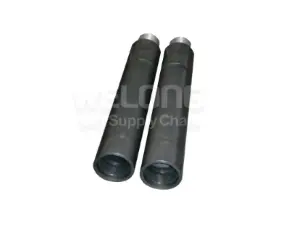
Drill String Vibration Control: Bumper Sub vs Shock Sub Comparison
Mitigating Bit Bounce and Improving Continuous Drilling Dynamics
For standard rotary drilling operations where continuous vibration dampening is the primary objective, the shock sub remains the industry standard. By mitigating bit bounce, the shock sub stabilizes drilling mechanics, increases rate of penetration (ROP), and protects expensive electronic logging-while-drilling (LWD) assemblies from harmonic failure. However, a Bumper Sub is not designed to act as a continuous vibration dampener. Deploying a Bumper Sub in a standard drilling BHA without specific operational necessity would result in excessive wear on its telescoping drive splines due to constant un-dampened cyclical motion.
Managing Severe Axial Shocks During Fishing Operations
While shock subs excel at smoothing out micro-vibrations during drilling, they lack the structural capacity to handle the violent, high-tonnage dynamic forces encountered during fishing operations. When pulling on stuck tubulars or engaging hydraulic jars, the drill string experiences severe recoil and sudden energy releases. A fishing assembly equipped with a robust Bumper Sub absorbs these destructive recoil forces safely through its extended stroke mechanism. The Bumper Sub protects the upper drill string from mechanical overstress while simultaneously providing the operator with absolute control over downhole jarring mechanics.
Application Scenarios Where Bumper Sub Performs Better Than Shock Sub
Releasing Stuck Pipe and Executing Fishing Operations
In demanding fishing intervention programs, the Bumper Sub is universally preferred over the shock sub. When engaging dropped objects accompanied by couplings, packers, or downhole allocators using external fishing tools like die collars or internal tools like taper taps, operators must have the ability to jar downward to set or release the tool. The KXJ fishing bumper sub functions specifically as a reliable releasing tool during these critical operations, giving workover teams the mechanical capability to disengage safely from a stubborn fish if downhole conditions deteriorate.
Deepwater and Offshore Motion Compensation Applications
Offshore drilling operations conducted from floating drilling units, such as drillships and semi-submersible rigs, present unique axial motion challenges due to continuous ocean wave action. In these dynamic environments, a Bumper Sub is frequently utilized within the BHA to act as a downhole slip joint or heave compensator. As the floating rig heaves up and down with the ocean swell, the telescoping stroke of the Bumper Sub continuously opens and closes, isolating the drill bit or downhole cutting tool from vertical vessel motion and ensuring precise weight distribution at the formation face.
Demanding Wellbore Environments Requiring Reliable Jarring
In ultra-deep directional wells or highly deviated wellbores where differential sticking is a constant hazard, having immediate jarring capability within the drill string is essential. A passive shock sub cannot provide the reactive mechanical force required to break free from localized formation sticking. By incorporating a durable Bumper Sub into the string, drilling crews maintain instant access to high-impact downward jarring force. This mechanical advantage allows operators to resolve minor pipe sticking incidents immediately before they escalate into catastrophic wellbore side-tracks or abandoned bottom-hole assemblies.
Conclusion
In summary, while both tools manage axial downhole forces, the Bumper Sub is engineered for vertical stroke, downward jarring impact, and releasing capabilities in fishing and workover operations. Conversely, the shock sub is designed for passive vibration dampening during continuous drilling. Selecting the correct tool improves operational efficiency and protects valuable downhole assets. Founded in 2001, China WELONG is a professional international integrated supply chain service provider specializing in high-quality oilfield products and customized downhole tools, with technical reference support aligned with institutions such as the National Science Data Center for Corrosion and Protection of Materials. Certified by ISO 9001:2015 and API 7-1, we implement stringent quality control processes—including comprehensive in-process and final inspections, alongside third-party inspection cooperation with industry leaders like SGS and DNV. With over 20 years of oilfield manufacturing experience, flexible global shipping options (sea, air, railway), and versatile cooperation terms (FOB, CIF, DDP, DDU), WELONG ensures your oil tools arrive timely and perform reliably.
FAQ
Q1: What is the primary function of a fishing Bumper Sub?
A: The primary function of a fishing Bumper Sub is to provide vertical stroke in the drill string to deliver powerful downward jarring impacts against stuck downhole objects. Additionally, models like the KXJ act as critical releasing tools during fishing operations, allowing operators to disengage from a fish safely if it cannot be retrieved.
Q2: How does the lubricated BXJ Bumper Sub differ from standard models?
A: The BXJ lubricated fishing bumper sub features a fully enclosed internal working chamber filled with wear-resistant hydraulic oil. This specialized lubrication system protects moving internal drive splines and seals from abrasive drilling muds and corrosive downhole fluids, significantly reducing mechanical friction and extending the tool's operational service life.
Q3: Can a shock sub replace a Bumper Sub in downhole fishing operations?
A: No, a shock sub cannot replace a Bumper Sub in fishing operations. Shock subs use internal springs or elastomers to cushion continuous drilling vibrations and lack the free telescoping stroke required to generate sharp downward jarring forces. A Bumper Sub is specifically required for delivering high-impact jarring and executing mechanical release procedures.
Upgrade Your Downhole Operations with WELONG Bumper Subs
Are you looking to enhance your drilling and fishing efficiency with high-quality, dependable downhole tools? China WELONG specializes in premium oilfield products and customized downhole solutions designed to empower your operations as a Bumper Sub supplier. Backed by over two decades of oilfield manufacturing experience and holding prestigious ISO 9001:2015 and API 7-1 certifications, our stringent quality control processes guarantee exceptionally durable products. We offer flexible transportation options—including sea, air, and railway—alongside customizable trade terms (FOB, CIF, DDP, DDU) to fit your exact supply chain requirements. Furthermore, our expert team collaborates with leading third-party inspection agencies like SGS and DNV to ensure complete reliability from rig floor to bottom hole.
Contact our technical supply chain team today to discuss your specific project needs: [email protected].
References
1. American Petroleum Institute. API Specification 7-1: Specification for Rotary Drill Stem Elements. Washington, D.C.: API Publishing.
2. Bourgoyne, A. T., Millheim, K. K., Chenevert, M. E., & Young, F. S. Applied Drilling Engineering. Richardson, TX: Society of Petroleum Engineers.
3. Mitchell, R. F., & Miska, S. Z. Fundamentals of Drilling Engineering. Richardson, TX: Society of Petroleum Engineers.
4. Rabia, H. Oilwell Drilling Engineering: Principles and Practice. London: Graham & Trotman.
5. Lyons, W. C., & Plisga, G. J. Standard Handbook of Petroleum and Natural Gas Engineering. Burlington, MA: Gulf Professional Publishing.
6. Short, J. A. Fishing and Obstruction Removal in Oil and Gas Wells. Tulsa, OK: PennWell Books.
Share your inquiry, get the quotation accordingly!
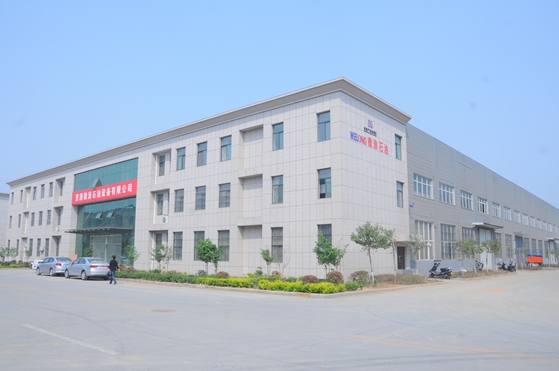
CHINA WELONG - 20+ years manufactuer in oilfield tools