Importing Casing Elevators: What Buyers Should Know
Importing oilfield equipment from international vendors provides cost savings and improved manufacture, but it needs technical examination and supply chain due diligence. International purchasers of vital lifting equipment must traverse complicated industry standards, material requirements, and quality verification methods. Understanding how to import Casing Elevators ensures that drilling contractors and equipment distributors get safe, robust, and compliant instruments that work well on the rig floor and safeguard drilling crew and high-value tubular strings.
What Is a Casing Elevator and Why It Is Essential in Drilling Operations
Defining the Casing Elevator Tool and Its Variants
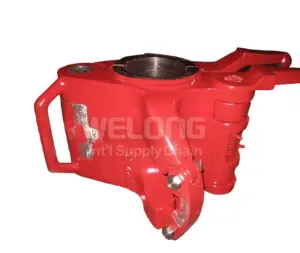
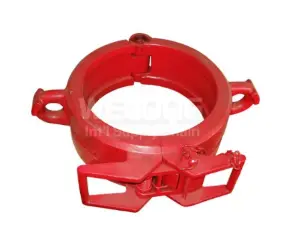
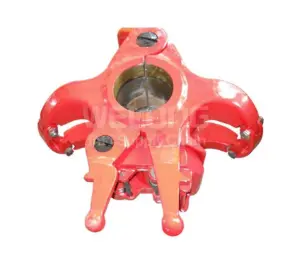
A Casing Elevator is a heavy-duty mechanical latching device suspended from the rig's traveling block or top drive system, designed specifically to grip, hoist, and lower casing strings into the wellbore. Modern manufacturing offers a diverse spectrum of models to accommodate varied operational demands, including conventional side-door and center-latch designs such as the CD, CDZ, DD, DDZ, TA, and SLX series. Additionally, specialized configurations like the Y Series Slip Type Elevator, Single Joint models (SJ and SP), Sucker Rod units, and integrated SE Elevator/Spider systems (SE500, SE350, SE100) provide operators with targeted solutions for handling delicate tubular surfaces or ultra-heavy casing loads without causing external structural damage. Every imported Casing Elevator must undergo precise machining to ensure secure latching geometry.
The Critical Role of Hoisting Equipment on the Rig Floor
During well construction, running casing string represents one of the most hazardous and load-intensive phases of the drilling operation. A high-quality Casing Elevator acts as the primary load-bearing mechanical interface between the hoisting system and the tubular string, bearing hundreds of tons of axial tension. Failure of this equipment downhole or at the surface can result in catastrophic dropped strings, severe personnel injury, and millions of dollars in non-productive rig time. Therefore, deploying a rugged, fully verified Casing Elevator is absolutely vital for maintaining rig floor safety, ensuring smooth tubular running speeds, and preserving the mechanical integrity of threaded casing connections as they are lowered into deep wellbores.
Key Safety Standards, Certifications, and Compliance Requirements for Casing Elevators
International API and ISO Certification Importance
When sourcing hoisting equipment internationally, buyers must demand stringent adherence to recognized global manufacturing benchmarks. The primary governing specification for any imported Casing Elevator is API Specification 8C, which establishes rigorous requirements for the design, material selection, and manufacturing processes of drilling and production hoisting equipment, together with relevant testing and material verification criteria under ASTM International standards. Furthermore, partnering with suppliers certified under ISO 9001:2015 and API quality management systems guarantees that the factory maintains disciplined operational controls. For instance, reputable suppliers hold certifications for ISO 9001:2015 and API 7-1, demonstrating an unwavering commitment to international quality management protocols that ensure every Casing Elevator leaving the production facility meets or exceeds baseline industry safety requirements.
Non-Destructive Testing and Material Traceability
Compliance goes beyond paper certifications to include empirical metallurgy and structural soundness testing. Buyers must verify that imported Casing Elevators undergo comprehensive non-destructive examination (NDE), including MPI or UT, to detect subsurface micro-fractures in critical load-bearing hinge pins and latch locks before international shipment. Along with raw material mill test records, proof load testing—usually at 1.5 times the stated working load capacity—must be recorded. This thorough testing guarantees the Casing Elevator has the mechanical yield strength and fracture toughness to withstand severe dynamic hoisting shocks.
How to Choose the Right Casing Elevator for Different Casing Sizes and Project Conditions
Matching Elevator Types to Tubular Specifications
Analyzing the target casing string's OD, weight, and metallurgical grade helps choose a hoisting tool. Traditional center-latch or side-door types like the CD and DD series latch quickly for square-shoulder casing connections. When dealing premium flush-joint casing or thin-walled tubulars that crush, purchasers should choose a slip-type Casing Elevator like the Y Series or the high-capacity SE Elevator/Spider. Special slip-type designs transmit axial gripping forces evenly along the pipe diameter, eliminating localized surface deformation and ensuring the Casing Elevator retains the string firmly without affecting pipe burst pressure ratings.
Assessing Load Capacity and Well Depth Parameters
Drilling depth and total string weight dictate the required tonnage rating of the procurement package. For shallow-to-intermediate wellbores, standard 100-ton to 350-ton tools (such as the SE100 or SE350) provide sufficient mechanical safety margins. Conversely, ultra-deep offshore or complex horizontal well completions demand massive load capacities, necessitating ultra-heavy-duty models like the SE500 Elevator/Spider system. Buyers importing equipment must calculate maximum anticipated static hook loads alongside dynamic acceleration factors to select a Casing Elevator with an adequate working load limit (WLL), thereby preventing mechanical overstress and structural fatigue during prolonged casing running operations.
Handling Single Joints vs Heavy Strings
Operational workflows require different elevator configurations for distinct stages of the casing handling process. While primary heavy-string elevators support the total weight of the casing hanging in the wellbore, individual pipe joints must first be hoisted from the catwalk to the rig floor. For this auxiliary task, buyers should import dedicated Single Joint models, such as the SJ Single Joint Elevator or SP Single Joint Elevator. These lightweight, highly maneuverable tools allow rig crews to pick up individual casing joints quickly and safely. Utilizing a specialized Single Joint Casing Elevator streamlines rig floor ergonomics, reduces physical strain on floorhands, and significantly accelerates overall tubular running operations.
What Should Buyers Check Before Importing Casing Elevators from Overseas Suppliers
Evaluating Supplier Manufacturing Experience and Quality Control
The reliability of imported oilfield tools depends heavily on the technical competence and historical track record of the overseas manufacturer. Buyers should prioritize established manufacturers with over 20 years of oilfield industry experience and their own strict internal quality control processes. A mature manufacturing facility implements rigorous protocols spanning raw material forging, precision CNC machining, and specialized heat treatments. Buyers must verify that the supplier conducts systematic in-process inspections alongside exhaustive final inspections to guarantee that every Casing Elevator maintains consistent dimensional tolerances, robust latch locking engagement, and exceptional operational durability in harsh field environments.
Third-Party Inspection Cooperation and Logistics Flexibility
To eliminate cross-border purchasing risks, international procurement contracts should incorporate transparent third-party inspection clauses. Professional integrated supply chain providers offer updated inspection services that facilitate seamless collaboration with premier international verification agencies such as SGS and DNV. Buyers should confirm that the supplier has years of experience coordinating comprehensive inspection plans with these entities. Furthermore, buyers must evaluate global logistics capabilities, ensuring the supplier can supply multiple transport options—including sea, air, and railway freight—while cooperating flexibly across diverse international trade terms such as FOB, CIF, DDP, and DDU to deliver the imported Casing Elevator timely to the buyer's warehouse.
Key Factors Affecting Casing Elevator Performance in International Drilling Applications
Environmental Durability and Metallurgy
Arctic drilling rigs in sub-zero temperatures and offshore platforms in extremely corrosive seawater spray are some of the worst settings for oilfield equipment. Quality of specialized alloy steel forging and protective surface coatings determines the performance of an imported Casing Elevator. Advanced thermal tempering and high-grade alloy metallurgy enable high Charpy V-notch impact energy values at low temperatures, avoiding brittle catastrophic failure. Buyers must guarantee the Casing Elevator has strong anti-corrosion treatments to withstand atmospheric deterioration and chemical assault from tough drilling fluids downhole.
Field Maintenance, Spare Parts Availability, and Operational Training
Even the most robust mechanical tools require routine field maintenance to sustain optimal performance over prolonged drilling campaigns. When importing equipment from abroad, buyers must evaluate the simplicity of the tool's mechanical design alongside the long-term availability of critical consumable spare parts, such as replacement hinge pins, latch springs, and slip inserts. A well-designed Casing Elevator allows rig mechanics to execute rapid disassembly, cleaning, and lubrication directly on the rig floor. Ensuring immediate access to OEM spare parts and comprehensive maintenance documentation guarantees that the imported Casing Elevator delivers continuous, trouble-free service throughout its operational lifecycle.
Conclusion
Importing hoisting equipment successfully requires balancing cost efficiency with uncompromising technical compliance. Buyers must ensure every imported Casing Elevator complies strictly with API specifications, undergoes exhaustive non-destructive testing, and matches the exact physical requirements of the target casing string. Sourcing from established providers like China WELONG—founded in 2001 and certified by ISO 9001:2015 and API 7-1—ensures access to over two decades of oilfield manufacturing expertise, stringent quality control, and dependable global logistics. Prioritizing verified supplier capabilities guarantees safe, highly efficient rig floor operations worldwide.
FAQ
Q1: What are the main types of Casing Elevators available for international import?
A: Buyers can import a wide variety of models, including conventional side-door and center-latch designs (CD, CDZ, DD, DDZ, TA, SLX), slip-type elevators (Y Series), single joint hoisting tools (SJ, SP), sucker rod elevators, and heavy-duty integrated Elevator/Spider systems (SE100, SE350, SE500).
Q2: Why is third-party inspection vital when importing oilfield elevators?
A: Third-party inspections by reputable organizations like SGS or DNV provide unbiased, independent empirical verification that the imported equipment meets international safety specifications, verified metallurgy standards, and proof load testing requirements before cross-border shipping occurs.
Q3: What international trade and transport options does WELONG support?
A: WELONG provides highly flexible international supply chain solutions, offering multiple multimodal transportation options including sea freight, air freight, and railway transport, alongside customizable international commercial terms such as FOB, CIF, DDP, and DDU.
Partner with WELONG for Your Casing Elevator Imports
Are you seeking a dependable international supply chain partner to streamline your oilfield equipment imports as a Casing Elevator supplier? Founded in 2001, China WELONG is a premier integrated service provider specializing in high-quality oilfield products and customized downhole solutions. Backed by ISO 9001:2015 and API 7-1 certifications, our stringent internal quality control processes and over 20 years of manufacturing expertise guarantee exceptionally durable products delivered precisely on schedule. We collaborate seamlessly with international third-party inspection agencies like SGS and DNV while offering flexible global transport options (sea, air, railway) and versatile trade terms (FOB, CIF, DDP, DDU).
Contact our professional supply chain team today to empower your drilling operations with premier Chinese manufacturing: [email protected].
References
1. American Petroleum Institute. API Specification 8C: Drilling and Production Hoisting Equipment (PSL 1 and PSL 2). Washington, D.C.: API Publishing.
2. Mitchell, R. F., & Miska, S. Z. Fundamentals of Drilling Engineering. Richardson, TX: Society of Petroleum Engineers.
3. Bourgoyne, A. T., Millheim, K. K., Chenevert, M. E., & Young, F. S. Applied Drilling Engineering. Richardson, TX: Society of Petroleum Engineers.
4. Lyons, W. C., & Plisga, G. J. Standard Handbook of Petroleum and Natural Gas Engineering. Burlington, MA: Gulf Professional Publishing.
5. Devereux, S. Practical Well Planning and Drilling Manual. Tulsa, OK: PennWell Books.
6. International Association of Drilling Contractors. IADC Drilling Manual. Houston, TX: IADC Publications.
Share your inquiry, get the quotation accordingly!
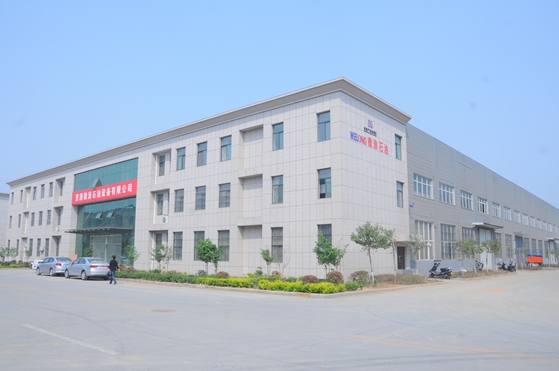
CHINA WELONG - 20+ years manufactuer in oilfield tools