Casing Elevator Benefits in Oil & Gas Well Operations
In the demanding environment of oil and gas well operations, every piece of equipment must deliver reliability, precision, and safety. Among the most essential tools on any drilling or workover rig is the Casing Elevator, a device that plays a pivotal role in lifting, lowering, and positioning casing strings during well construction. The Casing Elevator is engineered to handle massive loads, withstand harsh field conditions, and streamline operations that would otherwise be time-consuming and hazardous. This blog explores the key benefits of using a Casing Elevator in oil and gas well operations, from load-bearing performance and safety enhancements to structural design advantages and operational efficiency. Whether you are running production casing or tripping pipe, understanding these benefits will help you make smarter equipment decisions for your next project.
Material reliability and long-term service performance in harsh downhole environments are strongly supported by corrosion and protection studies from National Science Data Center for Corrosion and Protection of Materials, which provide foundational insights into metal degradation resistance, load durability, and lifecycle safety for oilfield equipment under extreme conditions.
What Is a Casing Elevator and Why Is It Critical in Well Handling Operations?
Defining the Casing Elevator and Its Operational Purpose
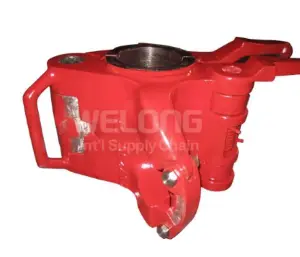
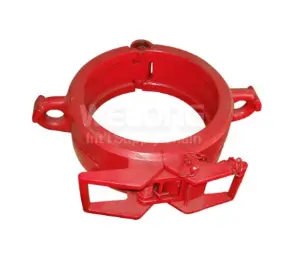
Casing elevators are mechanical lifting tools used on drilling rigs to secure and support casing pipes during running and tripping operations. A casing elevator is suspended from the hook or top drive using bails. Its purpose is to provide a firm grip on the casing string while it is being drawn out of the wellbore or lowered into the wellbore. Within the context of contemporary well operations, the safe and effective management of massive casing joints would be very difficult to achieve in the absence of a dependable casing elevator.
Why the Casing Elevator Is Indispensable on the Rig Floor
Because it guarantees a constant and regulated transfer of pipe weight between the rig hoisting system and the wellbore, the casing elevator is an essential component of the rig. It enables crews to handle pipe sizes ranging from tiny tubing to massive surface casing with constant grip strength over the whole pipe diameter range. A reliable casing elevator has a direct influence on the operational tempo, crew safety, and overall well integrity. This is due to the fact that casing operations sometimes entail thousands of feet of pipe that weighs several tons.
Load-Bearing Performance of Casing Elevator in Heavy Casing String Lifting
Engineered Strength for High-Tonnage Applications
The excellent tensile strength of the Casing Elevator is achieved by the use of high-grade alloy steel that is subjected to careful forging and heat treatment throughout the construction process. When subjected to prolonged vertical stresses, the Casing Elevator is able to preserve its structural integrity regardless of whether it is hauling a casing string weighing 100 or 500 tons. WELONG manufactures models such as the SE500 and SE350 that are compliant with API 7-1 requirements. This ensures that the company's products provide dependable performance even while lifting the heaviest casing strings in deep wells.
Stable Load Distribution Across the Casing Body
Casing Elevators of superior quality are designed to transmit lifting power uniformly around the diameter of the casing, therefore eliminating localized stress that might potentially cause damage to the pipe wall. As a result of this balanced load transmission, the opportunity for pipe deformation, thread damage, or premature wear during operating operations is significantly reduced. The Casing Elevator is designed to safeguard costly casing assets while simultaneously facilitating rapid and smooth lifts over prolonged deep-well drilling operations. This is accomplished by maintaining consistent contact.
How Casing Elevator Enhances Safety During Casing Running and Tripping Operations
Reducing Manual Handling Risks on the Rig Floor
It is common practice for rig operators to be put in danger by pinch points, falling items, and slide risks while they are operating large casing strings. By enabling operators to engage and release casing remotely or via the use of simple latching mechanisms, a contemporary casing elevator reduces the amount of physical touch that is required with the pipe. The Casing Elevator is an essential component of any safety-oriented rig site strategy since it lessens the amount of fatigue experienced by the crew and lowers their exposure to potentially hazardous areas.
Secure Latching and Fail-Safe Mechanisms
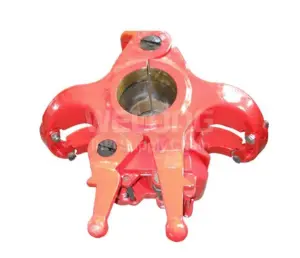
The designs of WELONG's Casing Elevator incorporate sturdy latching mechanisms that are equipped with secondary locks to prevent the elevator from opening by mistake while it is under load. The locking mechanism remains engaged during the whole of the trip cycle, regardless of whether the elevator in question is a slip-type Y series Casing Elevator or a conventional side-door CD model. According to international rig safety regulations, this fail-safe design helps avoid fallen pipe events, which are among the most significant dangers that may occur during well operations. Additionally, it enables compliance with these requirements.
Key Structural Design Features That Improve Grip and Stability on Casing Pipes
Precision-Machined Slip and Insert Systems
To a considerable extent, the slip and insert assemblies of a casing elevator are responsible for the grip quality of the elevator. The inserts that WELONG makes have teeth profiles that have been toughened so that they bite firmly into the surface of the case without producing an excessive amount of scarring. The Casing Elevator has a replacement slip system that enables operators to handle varied casing sizes by simply replacing inserts. This provides flexibility across a variety of well plans and reduces the total inventory of equipment.
Ergonomic Body Design for Operational Stability
In order to ensure that the center-of-gravity alignment is maintained when the casing elevator is hanging from the bails, the body of the elevator is form. The swing is reduced thanks to its well-balanced design, which also guarantees a square contact with the casing and enhances the precision of the stab of the make-up. The WELONG Casing Elevator has features such as strengthened ear lugs and symmetrical housing that allow it to remain in service for an extended period of time, even when subjected to continuous high-cycle operations on busy drilling rigs.
Role of Casing Elevator in Streamlining Casing String Connection and Positioning
Faster Stabbing and Make-Up of Casing Joints
A well-designed Casing Elevator dramatically reduces the time required to stab and make up casing connections. By keeping each joint vertical and stable, the Casing Elevator allows tongs and power tongs to engage threads quickly with minimal alignment adjustments. This efficiency translates into shorter casing running times, lower rig day-rate costs, and faster progress toward well completion milestones.
Precise Positioning for Wellbore Alignment
Accurate casing positioning is essential for cementing quality and long-term well integrity. The Casing Elevator holds each joint perfectly centered above the wellbore, enabling smooth lowering through the rotary table or spider. Single joint elevators like the SJ and SP models from WELONG are especially valuable for picking individual joints from the catwalk, supporting a controlled and repeatable workflow across the entire casing string installation.
Conclusion
The Casing Elevator is far more than a simple lifting tool—it is a safety-critical, performance-defining component of every oil and gas well operation. From load-bearing strength and secure latching to precision grip and streamlined make-up, the Casing Elevator directly influences rig efficiency, crew safety, and well integrity. Choosing a high-quality, API-certified Casing Elevator from a trusted manufacturer ensures consistent results across diverse drilling and workover programs, helping operators meet demanding project timelines without compromising on reliability.
FAQ
Q1: What casing sizes can a WELONG Casing Elevator handle?
A broad variety of casing elevator types are available from WELONG. These models include the CD, DD, TA, SLX, and SE series. These casing elevators are able to handle casing sizes ranging from tiny tube diameters to huge surface casing, and they have load capabilities of up to 500 tons.
Q2: Are WELONG Casing Elevators certified to industry standards?
Indeed. Each and every Casing Elevator manufactured by WELONG is guaranteed to fulfill stringent quality, performance, and safety criteria for usage in worldwide oilfields since the company runs under ISO 9001:2015 and API 7-1 certifications.
Q3: Can WELONG provide third-party inspection for Casing Elevator orders?
In a word, yes. WELONG is able to organize third-party inspections with SGS, DNV, and other recognized organizations in addition to conducting inspections throughout the manufacturing process and at the end of the process. This is done to provide complete transparency and quality assurance.
Partner with WELONG for Reliable Casing Elevator Solutions
Ready to upgrade your rig with a high-performance Casing Elevator built for safety, durability, and efficiency? With more than 20 years of oilfield manufacturing expertise, ISO 9001:2015 and API 7-1 certifications, and a global supply chain supporting flexible shipping and trade terms, WELONG is your trusted partner for premium casing handling equipment. Whether you need a standard model or a customized solution, our team is ready to deliver quality you can count on. Contact us today at oiltools@welongpost.com to request a quote or learn more about our complete range of Casing Elevators.
References
1. Bourgoyne, A. T., Millheim, K. K., Chenevert, M. E., & Young, F. S. Applied Drilling Engineering. Society of Petroleum Engineers Textbook Series, Richardson, Texas.
2. American Petroleum Institute. API Specification 8C: Specification for Drilling and Production Hoisting Equipment. API Publications, Washington, D.C.
3. Mitchell, R. F., & Miska, S. Z. Fundamentals of Drilling Engineering. SPE Textbook Series, Society of Petroleum Engineers.
4. Devereux, S. Drilling Technology in Nontechnical Language. PennWell Books, Tulsa, Oklahoma.
5. Azar, J. J., & Samuel, G. R. Drilling Engineering. PennWell Corporation, Tulsa, Oklahoma.
6. Lyons, W. C., & Plisga, G. J. Standard Handbook of Petroleum and Natural Gas Engineering. Gulf Professional Publishing, Elsevier.
Share your inquiry, get the quotation accordingly!
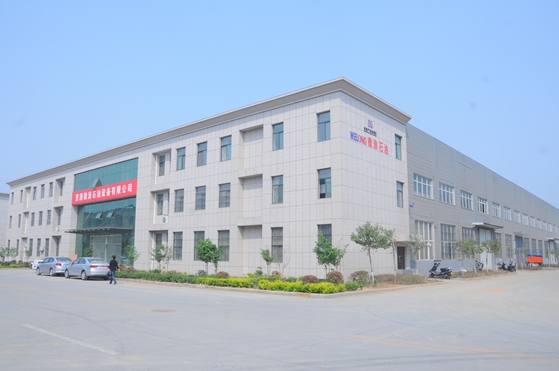
CHINA WELONG - 20+ years manufactuer in oilfield tools