Casing Scraper: Enhancing Well Integrity and Efficiency
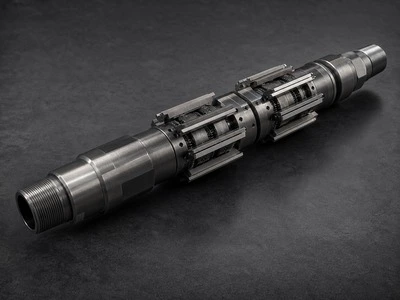
How well the well is finished depends a lot on the state of the inside of the casing. This is where the casing scraper really shines as an important extra tool. Before important tasks like cementing, perforating, or logging can be done properly, the inside walls of the casing must be clean of any contaminants that could affect the next steps. This piece talks about how the casing scraper helps keep the well's integrity, what role it plays in surface conditioning, and how cleaning the casing properly can save time and money in the long run during well finishing operations.
How Does a Casing Scraper Improve Overall Well Integrity?
Making sure that all the parts that go down into the well work as they should is the first step in making sure that the well is intact. Having clean casing walls is an important part of well integrity throughout its entire life.
Removing Contaminants That Compromise Barrier Performance
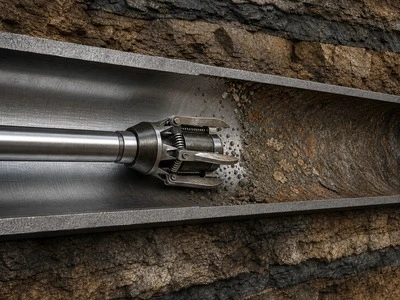
A casing scraper is a useful tool for getting rid of cement waste, mud deposits, rust, and mill scale that build up on the inside walls of a casing after drilling and initial finishing work. If these contaminants are not removed, they can affect later barrier elements like packers or plugs, which could weaken the closing mechanisms that are needed to keep the well intact during production and different repair operations.
Supporting Reliable Equipment Function Through Clean Surfaces
The casing scraper does more than just remove waste; it also helps keep the well intact by making sure that downhole tools that need to touch the surface, like retrievable plugs or setting tools, can work as they should. When embedded bullets, piercing burrs, or paraffin deposits are properly removed with a casing scraper, the next step in deploying equipment is more predictable. This lowers the risk of failed seals or faulty parts that could otherwise compromise the integrity of the wellbore as a whole.
Casing Scraper Role in Supporting Reliable Casing Surface Conditioning
The casing scraper is the main tool used for surface conditioning, which is a specialised task that gets the walls of the casing ready for the tough demands of well completion and logging operations.
Addressing Multiple Contaminant Types in a Single Operation
A well-made casing scraper can remove different kinds of contaminants in a single trip into the wellbore because it is very flexible. This tool removes everything from cement and drilling mud leftovers to rust and mill scale, making the surface better than it would be with multiple specialised treatments. Because it works so quickly, the casing scraper is a good choice for operators who want to prepare the walls well without spending too much time on the rig.
Preparing Casing for Subsequent Logging Operations
A clean casing is very important for accurate well logging because debris or scale buildup can make it hard to use certain logging tools or get them in the right place. Running a casing scraper before logging helps make sure that the next data collection goes smoothly and without problems caused by wall contamination. This allows for more accurate evaluation of the formation and well state during the finishing process.
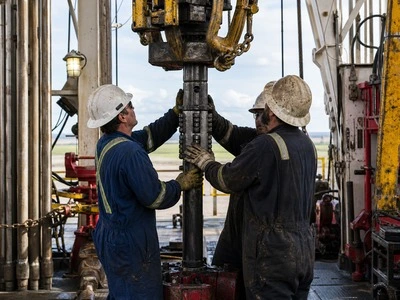
Why Clean Casing Walls Are Important for Efficient Downhole Operations
The condition of casing interior walls directly influences the efficiency with which numerous downhole operations can be executed, making the casing scraper's cleaning function operationally significant well beyond simple housekeeping.
Reducing Tool Deployment Complications from Debris
When casing walls contain accumulated debris, subsequent tool deployment can encounter unexpected resistance or complications that extend operational timelines. A thorough casing scraper run before critical interventions helps eliminate these obstacles, allowing tools such as packers, bridge plugs, or perforating guns to be deployed and set according to planned procedures without debris-related delays or failed attempts.
Minimizing Non-Productive Time Through Proactive Conditioning
Proactively addressing casing wall conditions through scheduled casing scraper runs helps operators avoid the non-productive time associated with reactive problem-solving when downhole tools fail to function properly due to unexpected debris. This preventive approach, informed by material and surface preparation standards similar to those referenced by ASTM International, represents a cost-effective strategy for maintaining operational efficiency throughout well completion programs.
How Casing Scrapers Enhance Cement Bonding and Zonal Isolation
A lot of what makes zonal isolation work is getting the cement to stick properly to the casing walls. This starts with making sure the surface is ready, which is done by using the right casing scraper.
Creating Optimal Surface Conditions for Cement Adhesion
The quality of the cement bonding is much better when the casing walls are free of mud cake, rust, and other things that could get in the way of proper adhesion. By getting rid of these bonding inhibitors, a casing scraper makes the metal surface cleaner. This lets the cement slurry make better contact and stick better during the solidifying process, which leads to better zone separation between different formation intervals.
Supporting Long-Term Isolation Integrity
The pre-cementing casing scraper processes have a big effect on the quality of the initial cement bonding, which affects zonal isolation for the rest of the well's useful life. Wells whose casing surfaces were properly prepared before they were cemented tend to have better long-term isolation performance. This is because unwanted fluid migration between zones is less likely to happen, which could make production management or environmental compliance more difficult.
Long-Term Efficiency Gains Achieved Through Proper Casing Scraping
Beyond immediate operational benefits, the consistent use of casing scraper tools throughout a well's completion program contributes to measurable long-term efficiency gains that impact overall project economics.
Reducing Future Intervention Requirements
Wells that receive thorough casing scraper treatment during initial completion phases often require fewer remedial interventions later in their productive life. By addressing potential contamination issues proactively, operators reduce the likelihood of complications that might otherwise necessitate costly workover operations to address compromised barriers or equipment malfunctions attributable to inadequate initial surface conditioning.
Improving Overall Completion Program Predictability
Incorporating scheduled casing scraper runs into standard completion procedures improves overall program predictability by reducing the variables that could otherwise introduce unexpected delays. This consistency allows operators to plan subsequent operations, including perforating, plug setting, and logging activities, with greater confidence that casing conditions will support smooth tool deployment and reliable performance throughout the entire completion sequence.
Conclusion
The casing scraper serves as an essential tool for maintaining well integrity throughout completion and downhole operations. By effectively removing cement residue, mud, rust, and other contaminants from casing walls, this auxiliary equipment supports reliable tool deployment, improved cement bonding, and long-term zonal isolation. Operators who prioritize proper casing scraper application as part of their standard completion procedures benefit from reduced non-productive time and more predictable operational outcomes across their well programs.
FAQ
1. What types of contaminants can a casing scraper remove from casing walls?
In order to efficiently remove cement residue, drilling mud, rust, mill scale, paraffin deposits, embedded bullets, and perforation burrs from the internal walls of the casing, a casing scraper is used. In order to get the casing surface ready for later operations such as completion, logging, and downhole intervention, this full cleaning activity is performed.
2. Can a casing scraper be used during drilling operations?
Contrary to popular belief, a casing scraper is not intended for drilling activities but rather for well completion, well logging, and downhole operations. The purpose of this tool is to function as an auxiliary cleaning tool that is used after the casing has been set. Its purpose is to prepare the interior surface for following completion processes, rather than to participate in the drilling process itself.
3. How does casing scraper use improve cement bonding quality?
A casing scraper generates a cleaner metal surface that enables cement slurry to achieve greater adhesion; this is accomplished by removing surface impurities like as mud cake, corrosion, and other pollutants before cementing operations are performed. This increased bonding quality allows for more efficient zonal isolation, which in turn reduces the danger of fluid movement between formation intervals during the course of the well's productive life.
Contact WELONG for Quality Casing Scraper Solutions
Ensuring clean casing walls is essential for successful well completion. WELONG manufactures durable casing scraper tools designed to effectively remove cement, mud, rust, and other contaminants from casing interiors. Backed by ISO 9001:2015 and API 7-1 certifications, along with rigorous quality control and third-party inspection support from SGS and DNV, our team is ready to support your well-completion needs with reliable, timely delivery. Contact us today at oiltools@welongpost.com to discuss your casing scraper requirements.
References
1. Nelson, E. B., & Guillot, D. (2006). Well Cementing. Schlumberger Educational Services.
2. American Petroleum Institute. (2011). API Specification 5CT: Casing and Tubing. API Publishing.
3. Society of Petroleum Engineers. (2013). Well Completion Design and Practices. SPE.
4. Bourgoyne, A. T., Millheim, K. K., Chenevert, M. E., & Young, F. S. (1991). Applied Drilling Engineering. SPE Textbook Series.
5. Rabia, H. (2002). Well Engineering and Construction. Entrac Consulting.
6. Smith, D. K. (1990). Cementing. SPE Monograph Series, Volume 4.
Share your inquiry, get the quotation accordingly!
CHINA WELONG - 20+ years manufactuer in oilfield tools