Why Die Collar is Critical for Well Drilling Efficiency Improvement
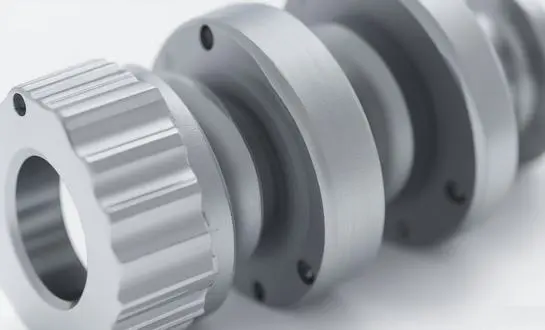
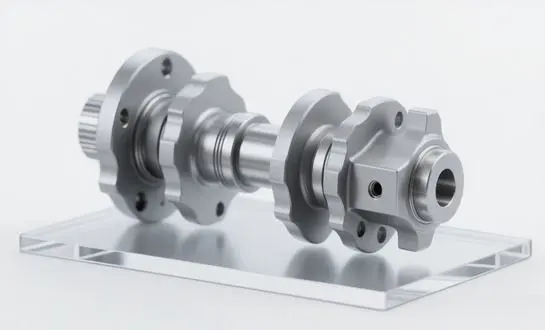
When unexpected downhole complications bring drilling progress to a halt, the tools available for recovery operations become the deciding factor between a brief delay and a costly extended shutdown. The die collar stands out as one such critical tool, engineered to grip and retrieve cylindrical objects from outside their wall surface when internal access proves impossible. This article examines exactly how this external fishing tool contributes to overall drilling efficiency, from stabilizing connections during recovery to minimizing the operational interruptions that can derail carefully planned drilling schedules.
How Does a Die Collar Improve Overall Drilling Tool Performance?
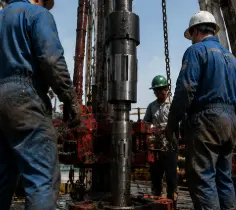
Efficiency improvements often come from unexpected sources, and the specialized function this fishing tool performs directly influences how quickly drilling operations can resume following unplanned interruptions.
Enabling Recovery When Internal Access Fails
Standard internal fishing tools depend on accessible bore openings to establish their grip, but many downhole complications leave objects with obstructed or collapsed internal passages. A die collar addresses this exact limitation by engaging the exterior wall surface instead, providing a recovery pathway when internal fishing methods simply cannot function, thereby preserving overall drilling tool performance even under challenging fishing scenarios.
Compatibility with Existing Fishing Assembly Configurations
Beyond its standalone function, a die collar integrates smoothly into standard fishing work string configurations, connecting through conventional threaded connections without requiring specialized adapter equipment. This compatibility means drilling crews can incorporate this tool into existing fishing programs without extensive procedural modifications, supporting faster deployment and more efficient overall tool performance during time-sensitive recovery attempts.
Die Collar Role in Enhancing Drill String Connection Stability
Connection stability during fishing operations directly influences whether recovery attempts succeed on the first try or require multiple frustrating repetitions, making this aspect particularly relevant to overall efficiency outcomes.
Secure Threaded Engagement Under Pulling Loads
A properly manufactured die collar maintains secure threaded engagement with the fishing work string even as substantial pulling loads are applied during retrieval attempts. This connection integrity prevents the tool separation failures that would otherwise force crews to conduct additional trips simply to recover a detached fishing component, adding unnecessary time to what should be a straightforward recovery operation.
Consistent Grip Retention Throughout Extraction
Stability extends beyond the surface connection to the actual gripping mechanism engaging the fish itself. A well-engineered die collar maintains consistent grip pressure throughout the extraction process, reducing the risk of slippage that could otherwise necessitate repositioning attempts. This consistency directly supports smoother, more predictable fishing operations that contribute to overall drilling program efficiency.
Why Die Collars Reduce Operational Interruptions in Drilling Workflows
Every hour spent troubleshooting downhole complications represents lost drilling time, making tools that minimize these interruptions particularly valuable to overall project economics.
Faster Resolution of Fishing Complications
When objects become stuck or parted downhole without accessible internal bores, having a die collar readily available allows crews to proceed directly with an appropriate recovery strategy rather than experimenting with less suitable internal tools first. This direct approach reduces the trial-and-error period that often extends non-productive time during complicated fishing scenarios, supporting faster workflow resumption.
Minimizing Repeat Trips Through Reliable First-Attempt Performance
A die collar manufactured to consistent quality standards, similar to those referenced under ISO 9001:2015 certification protocols, typically delivers more reliable first-attempt engagement success. This reliability reduces the frustrating cycle of repeated trips that occurs when fishing tools fail to achieve secure engagement, directly translating into fewer operational interruptions throughout the drilling workflow.
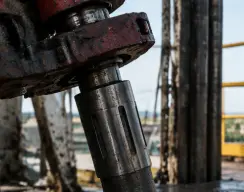
Impact of Die Collar Design on Downhole Torque and Load Transfer
The engineering details embedded within a die collar's design significantly influence how effectively torque and load forces transfer during actual fishing operations, directly impacting recovery success rates.
Optimized Gripping Surface Geometry
The internal gripping surface geometry of a die collar determines how effectively applied torque translates into secure engagement with the fish's exterior wall. Thoughtful design in this area ensures that rotational force applied at the surface transfers efficiently downhole, achieving reliable purchase on the target object without excessive force application that might otherwise risk damaging the fish or the fishing tool itself.
Load Distribution Preventing Localized Stress Concentration
Proper load distribution across the die collar's gripping elements prevents localized stress concentration that could compromise either the tool or the fish during extraction. Engineering this balance carefully, informed by material performance considerations similar to those tracked by ASTM International standards at https://www.astm.org/, helps ensure the tool can withstand the substantial pulling forces often required during challenging recovery operations without structural compromise.
How Proper Die Collar Use Supports Consistent Drilling Efficiency
Bringing together the various performance characteristics discussed, the proper application of this tool contributes measurably to maintaining consistent efficiency across drilling programs that encounter fishing complications.
Standardized Procedures Supporting Predictable Outcomes
Establishing standardized procedures for die collar selection, deployment, and engagement verification helps drilling crews achieve more predictable recovery outcomes across different wells and complications. This consistency reduces the variability that might otherwise introduce scheduling uncertainty into drilling programs, allowing project planners to better anticipate potential downtime associated with fishing operations.
Long-Term Efficiency Gains Through Reliable Tool Investment
Investing in quality die collar equipment from experienced manufacturers ultimately supports long-term efficiency gains across multiple drilling programs. Rather than experiencing repeated complications from unreliable fishing tools, operators who prioritize proven equipment benefit from more consistent recovery success rates, contributing to improved overall drilling efficiency metrics across their broader operational portfolio.
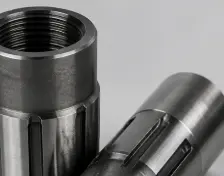
Conclusion
The die collar plays a genuinely critical role in maintaining drilling efficiency by providing a reliable recovery pathway when internal fishing methods cannot succeed. From secure connection stability to optimized load transfer design, this specialized tool minimizes the operational interruptions that fishing complications typically introduce. Operators who understand and properly utilize this equipment position their drilling programs for faster complication resolution and more consistent overall performance.
FAQ
Q1: When is a die collar the appropriate tool choice instead of internal fishing equipment?
A die collar becomes appropriate when the fish lacks an accessible internal bore or when the internal passage is obstructed or collapsed. As an external fishing tool, it engages the outside wall of tubing or drill pipe, making it effective precisely where internal tools cannot function.
2. How does the die collar design affect fishing operation success rates?
Design elements like gripping surface geometry and load distribution directly influence engagement reliability and extraction success. Well-engineered tools transfer applied torque efficiently while distributing load evenly, reducing slippage risk and supporting more predictable first-attempt recovery outcomes.
3. What role does connection stability play in overall drilling efficiency?
Secure threaded connections between the die collar and fishing work string prevent tool separation during pulling operations, avoiding additional trips needed to recover detached components. This stability directly reduces non-productive time and supports smoother overall drilling workflow continuity.
Contact WELONG for Dependable Die Collar Fishing Solutions
Minimizing downtime from fishing complications starts with reliable equipment. WELONG manufactures durable die collar and taper tap tools engineered for secure engagement and dependable performance in demanding recovery scenarios. Backed by ISO 9001:2015 and API 7-1 certifications, along with rigorous quality control and third-party inspection through SGS and DNV, our team supports your drilling efficiency goals. Contact us today at oiltools@welongpost.com to discuss your fishing tool requirements.
References
1. Bourgoyne, A. T., Millheim, K. K., Chenevert, M. E., & Young, F. S. (1991). Applied Drilling Engineering. SPE Textbook Series.
2. American Petroleum Institute. (2009). API Recommended Practice 7G: Recommended Practice for Drill Stem Design and Operating Limits. API Publishing.
3. Society of Petroleum Engineers. (2012). Fishing and Well Control Operations Manual. SPE.
4. Rabia, H. (2002). Well Engineering and Construction. Entrac Consulting.
5. Short, J. A. (1993). Introduction to Directional and Horizontal Drilling. PennWell Books.
6. Devereux, S. (1998). Practical Well Planning and Drilling Manual. PennWell Books.
Share your inquiry, get the quotation accordingly!
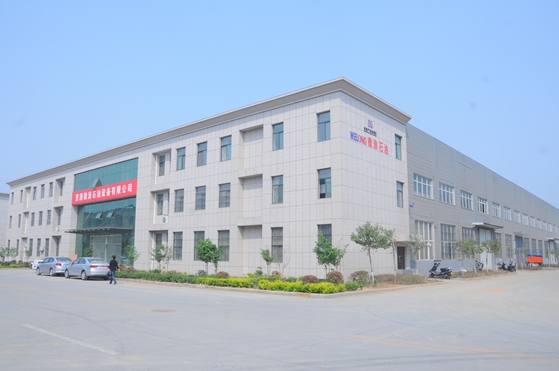
CHINA WELONG - 20+ years manufactuer in oilfield tools