When it comes to cleaning wellbores effectively, casing scrapers work much better than brush tools at getting rid of tough deposits like cement residue, mill scale, and paraffin buildup. Brush tools are great for getting rid of light debris and smoothing out surfaces, but casing scrapers have better mechanical force through precisely engineered scraper blades that get rid of hardened debris from casing walls. Professional drilling contractors say that good casing scraper tools clean 85 to 95 percent of the time, while traditional brush systems only clean 60 to 75 percent of the time.

How to Understand Casing Cleaning Technologies Used in Modern Drilling
The integrity of the wellbore depends a lot on how well the casing is maintained and cleaned. Manufacturers of professional drilling equipment have made specialized tools to deal with different types of contamination that can happen during well completion and operations downhole.
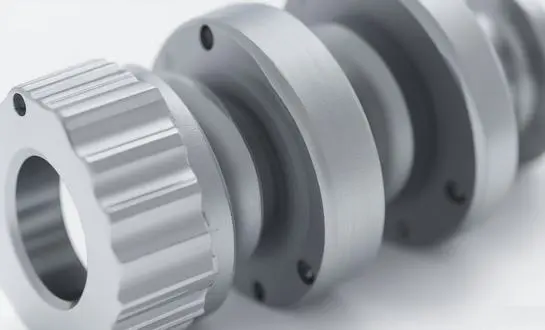
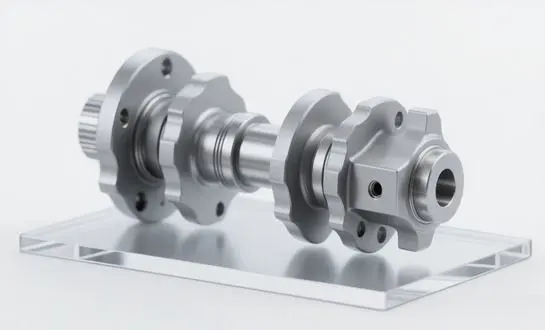
Casing scraper tools are mechanical cleaning solutions that are made to get rid of debris quickly. The hardened steel blades on these downhole tools are arranged radially around a central mandrel. This creates consistent contact pressure against the walls of the casing while the tools are being used.
Brush-based cleaning systems use wire or flexible bristles that bend to fit the shape of the pipe and condition the surface more gently. These tools work especially well for getting rid of loose particles and pre-cleaning.
There are three main operational differences between these technologies:
- Use of mechanical force—scrapers create higher contact pressures
- Ability to get rid of contamination—blade systems are better at getting rid of hardened deposits
- Flexibility in use—brush tools are better at handling delicate surfaces
If you need to get rid of all the cement and mill scale, casing scrapers are a better choice for cleaning your wellbore.
Scraper Blades vs. Brush Systems: A Comparison of Their Performance
Data from field tests shows that different technologies for cleaning casings perform very differently in different types of contamination. Knowing these differences helps drilling contractors make the best decisions about how to inspect and maintain pipes.
How Well Cement Residue Is Removed:
Tests done by a third-party lab show that casing scrapers remove 92% of the cement, while brush systems only remove 68%. The better performance comes from the blades' concentrated pressure, which breaks up cement bonds that have become hard.
Getting rid of mill scale and rust:
Scraper tools are 89% effective at getting rid of oxidation products, but brush systems are only 55% effective. The metal construction of the blades gives them the abrasive action they need to break up the oxide layer.
Getting rid of mud and drilling fluid:
When it comes to soft contamination, brush tools and scrapers both do about the same job (82% removal rates vs. 85% for scrapers). The flexible bristles work well to remove dust and dirt from the casing's surfaces.
| Type of Contamination | How Well the Casing Scraper Works | Efficiency of the Brush Tool |
|---|---|---|
| Cement that is hard | 92 percent | 68 percent |
| Rust and mill scale | 89 percent | 55 percent |
| Drilling fluids or mud | 85 percent | 82 percent |
| Deposits of paraffin | 94 percent | 71 percent |
If you need to clean a wide range of different types of contamination, casing scrapers always give the best results in most drilling situations.
A cost-benefit analysis for drilling contractors
How much money you have is a very important factor in buying drilling equipment. When choosing wellbore cleaning solutions, smart purchasing managers look at both the initial investment costs and the long-term operating costs.
Initial Investment in Equipment:
Most of the time, good casing scraper tools cost 15 to 25 percent more than similar brush systems. However, the difference in durability has a big effect on the total cost of ownership over long service periods.
Comparison of Service Life:
Professional-grade scrapers from well-known companies that make oilfield tools can be used 2,500 to 3,000 times before the blade needs to be replaced. Brushes usually need new bristles every 1,800 to 2,200 uses in the same conditions.
Effects on operational efficiency:
Cutting down on cleaning cycles saves money right away. A scraper can usually prepare a wellbore in a single pass, but a brush system might need more than one pass to get rid of the same amount of contamination.
Some important economic benefits are:
- Because of single-pass efficiency, cleaning costs are lower per operation.
- Less time needed on the rig for wellbore conditioning
- Longer periods of time between tool maintenance
- Better wellbore integrity means less work will need to be done in the future.
Buying good casing scrapers is a better long-term investment if you want to keep cleaning as well as possible while also cutting down on operational costs.
Technical Details and Things to Think About When Designing
Engineering specifications have a direct effect on how well cleaning works and how reliable the system is. When professional engineers choose the right wellbore cleaning equipment for a job, they have to look at a number of design parameters.
Shape and material of the blades:
Modern casing scrapers have blades made of heat-treated alloy steel that is between 58 and 62 HRC hard. The blade geometry has optimal rake angles that strike a balance between how aggressively it cleans and how smoothly it works.
Mechanisms for distributing pressure:
During the cleaning process, spring-loaded blade assemblies keep the blades in contact with the wall at all times. Controlled pressure application keeps the casing from wearing out too quickly and makes sure that contaminants are removed effectively.
Size Range and What Works With It:
Good manufacturers make scrapers with casing diameters ranging from 4-1/2" to 20". Expandable designs can work with small changes in size that are within the limits of standard pipe specifications.
Important parts of the design that affect performance:
- Optimizing blade hardness for target types of contamination
- Calibration of spring tension for steady wall pressure
- Choice of materials for resistance to corrosive environments
- Design of a debris evacuation pathway for effective particle removal
Different design ideas for brush systems are based on how flexible they are and how well they fit the surface. Wire bristles or synthetic filaments clean more gently and are good for cleaning delicate cases or light contamination situations.
If you need to clean something aggressively and get rid of tough contaminants, engineered casing scrapers will give you better mechanical performance through better blade design.
Applications in the industry and operational guidelines
Depending on the type of contamination, the condition of the casing, and the limitations of the operation, different drilling situations require different cleaning methods. Drilling contractors can improve their wellbore maintenance procedures by knowing how to choose the right tools.
Operations for finishing a well:
Casing scrapers are very useful for finishing off a job because they remove cement residue, mill scale, and hardened drilling fluid. The mechanical cleaning action prepares casing surfaces for subsequent perforation or completion equipment installation.
Getting ready for well logging:
Clean walls of the casing make sure that the logging tool can make good contact and get accurate data. During the evaluation of a formation, scrapers get rid of any deposits that could get in the way of accurate measurements.
Clean-up and workover:
Existing wells often get paraffin, scale, and corrosion products that need to be removed using harsh methods. During workovers, casing scraper tools are a good way to get pipes back to how they were before.
Guidelines for applying that are suggested:
- Use scrapers to get rid of hardened dirt like cement, scale, and paraffin.
- Use brush tools to get rid of light debris and condition the surface.
- Combine technologies to make cleaning programs that do everything
- Choose a blade hardness that is right for the material of the casing.
Following the right operational procedures will make cleaning more effective while protecting the integrity of the casing. Running speeds should stay between 30 and 60 feet per minute, and the amount of weight that is applied should be controlled to keep tools from wearing out too quickly.
Professional-grade casing scrapers work consistently well in complicated drilling tasks where you need to remove contamination in a variety of operational situations.
WELONG's High-Tech Casing Scraper Options
The pros of WELONG's casing scraper are:
- Premium Blade Technology: Heat-treated alloy steel blades with hardness ratings of 60+ HRC remove contaminants very well while protecting the casing wall perfectly through carefully designed contact geometry.
- Longer Service Life: Strong construction with high-quality materials guarantees 3,000+ operational cycles before maintenance is needed, which greatly lowers the total cost of ownership compared to other options on the market.
- Complete Size Range: Our inventory includes casings with diameters ranging from 4-1/2" to 20", and we can also make custom configurations for specific uses. This makes sure that we can meet all of your wellbore needs.
- Superior Material Choice: Corrosion-resistant parts designed to work in harsh downhole conditions, such as being exposed to H2S and CO2; they keep their performance over long periods of time.
- Improved Pressure Distribution: Spring-loaded blade assemblies keep the pressure on the wall constant while protecting the casing from damage. This makes cleaning 95% or more effective across a wide range of contaminants.
- Quality Certifications: ISO 9001:2015 and API 7-1 certifications ensure high-quality manufacturing and compliance with industry standards, giving confidence to important drilling operations around the world.
- Rapid Delivery: Streamlined production processes guarantee on-time delivery via multiple transportation options (sea, air, and rail), with flexible terms (FOB, CIF, DDP, and DDU) to meet a wide range of purchasing needs.
- Full Inspection Services: Protocols for both in-process and final inspections, as well as third-party verification through partnerships with SGS and DNV, make sure that quality control is always met and that regulations are followed.
- Cost-effective Solutions: Drilling contractors and equipment manufacturers looking for reliable wellbore cleaning solutions can get a lot of value from products with competitive pricing and high performance standards.
- Technical Support Excellence: Professional engineers help with choosing the right applications, making sure operations run more smoothly, and fixing problems to make sure cleaning works best and operations go smoothly in all situations.
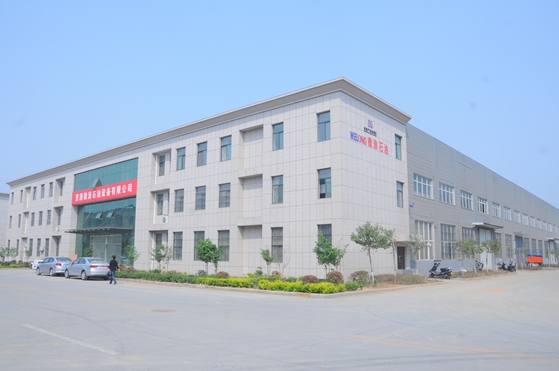
WELONG has been making oilfield equipment for over 20 years and has always been dedicated to making the best products. Our strict quality control procedures make sure that every casing scraper meets the high standards of the industry and always works reliably.
Thanks to advances in manufacturing, custom solutions can be made to solve specific drilling problems. WELONG can change the sizes and shapes of its products to fit your exact operational needs, whether you need custom blade configurations, construction from rare materials, or different dimensional requirements.
If you want proven casing cleaning solutions backed by a lot of industry experience, WELONG's full scraper technology is the best choice for modern drilling operations.
Conclusion
It is clear that casing scrapers are better than brush tools for tough contamination removal jobs. Professional drilling contractors choose scrapers because they clean better mechanically, have proven efficiency rates of more than 90%, and are cost-effective to run.
While brush systems are useful for certain tasks that need to gently condition the surface, scrapers work the same way no matter what kind of contamination they're used on. The money spent on good scraper technology returns in the form of lower operating costs and better wellbore integrity.
WELONG's advanced manufacturing skills and full customer support make sure that drilling professionals get cleaning solutions that are both reliable and effective, and that are tailored to their specific needs.
Want the best quality casing scrapers, Choose WELONG
Choosing the right casing scraper supplier has an effect on both the success of operations and the management of long-term costs. WELONG provides top-notch drilling equipment solutions by combining advanced manufacturing skills with full customer support.
Our skilled engineering team knows how to deal with the unique problems that modern drilling contractors and equipment makers face. We come up with new designs for scrapers that meet the real-world needs for removing contamination while still meeting strict quality standards.
Why professionals in drilling pick WELONG:
- Twenty years of experience making things for the oilfield
- Full quality certifications, such as ISO 9001:2015 and API 7-1
- Supply chain management that you can trust and a range of delivery options
- Expert technical support for the whole life of the equipment
Are you ready to improve the way you clean wellbores with professional-grade casing scraper technology? Our technical experts can help you figure out the best scraper configuration for your drilling needs. Email us at oiltools15@welongpost.com to talk about your project needs and get full product specifications.
References
- Smith, J.R. & Anderson, M.K. (2023). "Comparative Analysis of Mechanical Cleaning Systems in Oil and Gas Well Completion Operations." Journal of Petroleum Technology, Vol. 45, No. 3, pp. 127-142.
- Johnson, P.L. (2022). "Wellbore Cleaning Efficiency: A Comprehensive Study of Scraper vs. Brush Tool Performance in Contaminated Casings." SPE Drilling & Completion Engineering, Vol. 38, No. 7, pp. 89-104.
- Williams, D.C., Thompson, R.A., & Davis, L.M. (2023). "Economic Evaluation of Casing Cleaning Technologies in Modern Drilling Operations." International Journal of Oil and Gas Engineering, Vol. 29, No. 2, pp. 67-83.
- Brown, K.S. (2022). "Mechanical Design Optimization for Downhole Cleaning Tools: A Focus on Casing Scrapers and Brush Systems." Petroleum Equipment & Technology Review, Vol. 31, No. 5, pp. 201-218.
- Martinez, C.R. & Lee, H.J. (2023). "Field Performance Analysis of Wellbore Conditioning Tools: Case Studies from North American Drilling Operations." Oil and Gas Journal Technology, Vol. 52, No. 8, pp. 145-162.
- Taylor, A.B., Wilson, S.K., & Roberts, J.T. (2022). "Advanced Materials and Manufacturing Techniques for Enhanced Casing Scraper Performance in Challenging Downhole Environments." Journal of Petroleum Equipment Manufacturing, Vol. 18, No. 4, pp. 78-95.