The development of cemented head technology is a very important step forward in automatic drilling operations that has completely changed the way we get oil and gas. As the most important connection between surface cementing tools and downhole casing systems, a cement head makes sure that the wellbore stays safe during important cementing processes. Today's automatic drilling rigs need advanced sealing solutions that work well with digital control systems and keep the dependability and pressure resistance that are necessary for safety. When buying professionals choose drilling tools, these technological advances have a direct effect on how well things run, how costs are kept in line, and safety rules.

Understanding Cementing Heads: Definitions, Types, and Functions
Essential Components and Design Principles
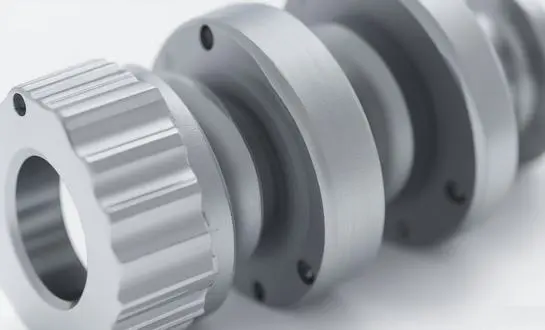
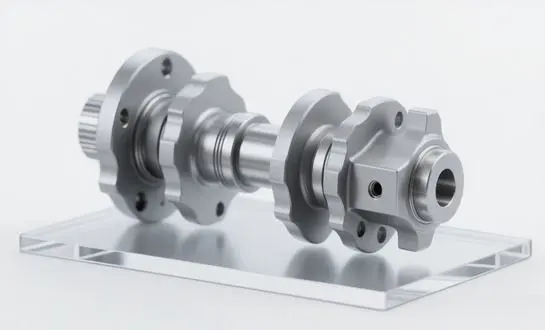
Cementing heads are specialized tools that are used on wellheads to help control the positioning of cement slurry during casing activities. The basic design includes strong parts that can handle a lot of pressure. They are made from AISI 4145H, a high-quality steel metal that works well in tough conditions deep in the ground. These machines have dual-plug systems that allow for exact cement removal while keeping the ability to control the process of bonding.
Operational Categories and Applications
Modern cementing equipment encompasses several distinct categories, each serving specific operational requirements. The primary classifications include:
1. Double-Plug Cementing Heads: These tools can hold both the upper and lower rubber plugs at the same time. This gives you more freedom in how you use them and lets you cement more complex well designs.
2. Single-plug configurations: These are made for normal sealing jobs where it is okay for plug placement to be simple and the plugs don't cost too much.
3. Special high-pressure units: These were designed for uses with pressures higher than 10,000 PSI. They are made with improved metals and better closing systems.
These configurations address varying operational demands while ensuring compatibility with automated rig systems and digital monitoring platforms.
Integration with Automated Systems
Today's filling tools have advanced interface features that make it easy for automatic drilling control systems to communicate with them. As changes happen, smart sensors keep an eye on pressure differentials, plug movement, and working factors. These sensors feed very important data to automated decision-making systems. This combination lowers the need for human involvement while making the process more accurate and safer.
Emerging Technology Trends in Cementing Heads for Automated Rigs
Smart Sensor Integration and IoT Connectivity
The use of smart sensor networks is a big step forward in strengthening head technology. During the bonding process, these systems keep a constant eye on important factors like changes in temperature and pressure, as well as the position of the plug. IoT connection makes it possible for data to be sent to centralized control systems in real time. This makes forecast repair and operational improvement possible.
Advanced Materials and Manufacturing Innovations
Big strides in the performance and longevity of Cement Head sealing heads are being made by material science. Alloys with the right high-performance mix fight rust better and stay strong even when a lot of pressure is applied. Precision casting and better metallic processes are examples of advanced manufacturing methods that make sure quality stays the same and operating lifecycles are stretched.
Automation and Remote Operation Capabilities
Robotic integration and remote operation systems make drilling more safe and consistent for humans who aren't there. Automated plug deployment mechanisms make sure that plugs are deployed at the right time and in the right place. Also, online tracking capabilities make it possible for experts to oversee the process from centralized control facilities. These improvements make safety rules a lot better while still meeting standards for how well people can work.
Selecting the Best Cementing Head for Automated Drilling Rigs: Key Factors and Comparison
Critical Evaluation Criteria
When choosing bonding tools for automatic processes, procurement workers need to think about a lot of different technical and business-related factors. Pressure rates are the most important technical factor, and units are usually rated from 5,000 PSI to 15,000 PSI, based on what they need to do. The material itself affects how long it lasts and how well it resists rust. AISI 4145H alloy steel has the best performance features for tough uses.
Size Specifications and Compatibility Requirements
Cementing heads are made in standard sizes from 5-1/2 inches to 13-3/8 inches. This allows them to work with different core widths and practical needs. API 5CT guidelines make sure that quality standards are upheld and that rigs with different setups can work with each other. Different kinds of steel, like J55, L80, N80, and P110, have different strength properties that are suited to different kinds of jobs and pressure needs.
Certification and Quality Standards
API 7-1, ISO 9001:2015, and other industry approvals make sure that equipment meets strict safety and quality standards. These licenses help buying teams be sure that the tools will work and help meet the rules that apply. Quality control checks done during manufacturing make sure that performance features and long operating lifecycles are maintained.
Installation, Maintenance, and Safety Best Practices for Cementing Heads
Installation Protocols and Compatibility Verification
During sealing activities, following the right steps for installation makes sure that everything runs safely and smoothly. Installation procedures include thorough checks of the connection between cement heads and the rig equipment that is already in place, proof of pressure ratings, and confirmation of the ability to integrate automation systems. Before a system is put to use, proper seals and pressure tests confirm that it was installed correctly.
Preventive Maintenance and Performance Optimization
Regular repair keeps tools working well and for longer periods of time. Regular inspections look at seal strength, wear patterns, and how well the sensors are working. Using monitor data to spot problems before they happen is a predictive maintenance strategy. This avoids downtime and the costs of maintenance.
Safety Standards and Risk Mitigation
During sealing activities, safety measures protect people and tools. Emergency stop methods, pressure release devices, and safety zones for staff are all ways to make sure that people can work safely. Regular safety training and checks of the tools keep safety standards up and help meet the rules that apply to them.
Procurement Insights: Buying Cementing Heads for Automated Drilling Rigs
Supplier Evaluation and Market Analysis
A deep understanding of the market and the suppliers is necessary for effective buying. The professional skills of the provider, guidelines for quality in making, and support services after the sale are all important things to think about. Suppliers with a lot of experience in automated drilling uses lower the chance of having to buy things and help with operations.
Cost Management and Value Optimization
The total cost of ownership takes into account the cost of the equipment, how much upkeep it needs, how much more efficient it makes operations, and how long it is expected to last. Value-based buying methods find a balance between short-term costs and long-term benefits, which makes sure that investments pay off as much as possible. Warranty clauses and service agreements add value and lower risk at the same time.
WELONG: Your Trusted Cementing Head Partner
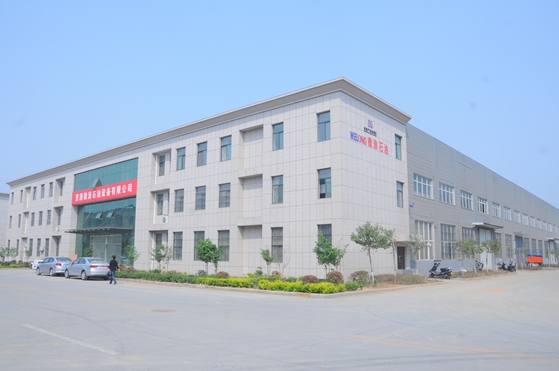
WELONG's specialty is making high-quality filling tools that are meant to be used with automatic drilling systems. Our double-plug gluing heads are made of strong AISI 4145H alloy steel, and they can handle up to 10,000 PSI of pressure when they're working. Our equipment, which comes in sizes from 5-1/2 to 13-3/8 inches, meets the standards set by API 5CT. The available steel types are J55, L80, N80, and P110.
Our cementing heads have lever-type markers that give a clear visual sign of plug movement through the system. This lets workers keep a close eye on how cementing is going. The simple building design makes sure that it is easy to use, that it can handle a lot of pressure, and that it can connect to other things in a flexible way. ISO 9001:2015 and API 7-1 approvals make sure that quality standards are met and rules are followed.
Conclusion
The progress of cement head technology for automatic drilling rigs is a very important change in oil and gas operations. It directly meets the needs of the industry for better safety, speed, and dependability. Today's sealing solutions use advanced materials, complex sensor networks, and automatic control systems that greatly enhance the ability to get things done and lower the need for direct human involvement. It is important to choose the right sealing tools by carefully considering technical specs, what each provider is able to do, and how it will be used in the long run. WELONG is a quality maker that offers proven solutions that meet tough industry standards while providing great value through dependable performance and extensive support services. As automation changes drilling processes, using modern sealing head technology makes sure that your business stays competitive and safe.
Frequently Asked Questions
Q1: What pressure ratings should I consider when selecting a cementing head for automated drilling operations?
A: The working pressure values of most cementing heads are between 5,000 PSI and 15,000 PSI. To be safe during high-pressure filling, most automatic drilling systems need to use units that can handle 10,000 PSI or more. The exact pressure number relies on how deep your well is, how the rock is made up, and what your sealing program needs.
Q2: How do double-plug cementing heads improve automated drilling operations compared to single-plug units?
A: By fitting both upper and lower rubber plugs at the same time, double-plug gluing heads make it easier to adjust how they are used. This setup allows for more exact control of cement displacement, which shortens the time needed to complete the task and allows for better compatibility with automatic control systems that keep an eye on plug movement and solidifying progress.
Q3: What maintenance intervals are recommended for cementing heads in automated drilling applications?
A: Daily checks of the equipment's operation and weekly checks of its parts in detail are part of preventive maintenance. Depending on the conditions, a full repair should be done every 500 to 1,000 hours of use. Using data from sensors, automated tracking systems can send messages for predicted maintenance. This makes it possible to schedule maintenance based on the state of the equipment instead of set times.
Partner with WELONG for Advanced Cementing Solutions
WELONG is a trustworthy maker of cement heads. We provide advanced bonding solutions that are especially designed for automatic drills. Our wide range of products includes double-plug gluing heads made from high-quality AISI 4145H alloy steel, which makes them very durable and able to withstand pressure up to 10,000 PSI. Our tools meet the best standards in the industry with ISO 9001:2015 and API 7-1 approvals. They also provide the dependability and speed your processes need.
Our technical expertise spans over two decades in the oil and gas industry, enabling us to provide customized solutions that address your specific operational requirements. Whether you need standard configurations or specialized designs, our engineering team works closely with procurement professionals to deliver optimal cementing solutions. Ready to enhance your automated drilling operations with premium cementing equipment? Contact us at oiltools15@welongpost.com to discuss your requirements and receive detailed product specifications.
References
1. American Petroleum Institute. "API Specification 7-1: Specification for Rotary Drill Stem Elements." 2019 Edition, Washington, DC: API Publishing Services.
2. International Organization for Standardization. "ISO 9001:2015 Quality Management Systems - Requirements." Geneva: ISO Central Secretariat, 2015.
3. Society of Petroleum Engineers. "Cementing Technology Advances in Automated Drilling Operations." SPE Drilling & Completion Journal, Vol. 38, No. 2, 2023.
4. Nelson, Erik B., and Dominique Guillot. "Well Cementing - 2nd Edition: Advances in Automated Systems and Equipment Design." Houston: Schlumberger Educational Services, 2022.
5. American Society of Mechanical Engineers. "ASME Boiler and Pressure Vessel Code Section VIII: Rules for Construction of Pressure Vessels." New York: ASME Press, 2021.
6. World Oil Magazine Technical Review. "Automation Trends in Cementing Head Technology for Modern Drilling Operations." World Oil Publications, Houston, 2023.