During drilling activities, a Bumper Sub is very important for protecting the drill strings from shock loads and noises that could break expensive equipment. These specialized downhole tools are able to absorb shock, which keeps equipment working well and extends its lifetime. Drilling experts should use bumper subs in hard rock formations, longer reach wells, and directed drilling when the impact forces are higher than the standard drilling conditions. Understanding the best time to install equipment directly affects how long it lasts and how much it costs to operate.
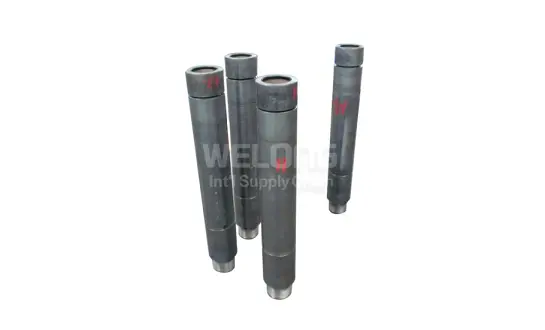
Bumper subs are very important for drilling operations because they can absorb shocks and noises that would otherwise hurt drill strings and bits. Knowing when and how to use these safety parts helps drills go faster and protects the tools from damage. This guide is for buying managers, engineers, wholesalers, and OEM clients in the drilling and oilfield sectors. It gives them useful information that helps them make better purchasing and operational choices. As digging gets more complicated around the world, knowing when to deploy is important for keeping tools in good shape and saving money.
Understanding Bumper Subs and Their Function
Bumper subs are special parts for drilling tools that protect drill strings by reducing shocks and noises. In most cases, they have a strong outer body and an internal padding part that lets them absorb energy during impacts. Their job is to lessen the bad effects of sudden loads and rotational shocks that happen in difficult drilling settings.
Core Design Components and Mechanics
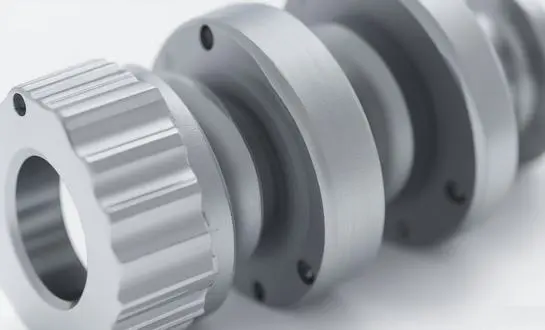
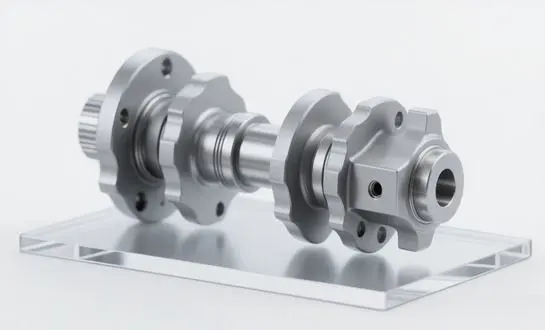
These safety tools have telescopic parts in their internal system that contract when under pressure, which helps absorb shocks. Today's designs use closing systems that are made with accuracy and long-lasting materials that can handle very tough conditions downhole. The outer shell keeps the structure together, and the parts on the inside absorb shocks.
Operational Benefits in Drilling Applications
Bumper subs improve drilling accuracy and operational downtime by making the drill string more durable and lowering the amount of wear on important parts. These tools keep costly drilling bits from breaking too early and lower the amount of upkeep needed for the whole drill string setup. Engineering teams feel better about the stability of their tools, and buying offices get longer lifecycles for their parts.
When sourcing and engineering teams know all about how different drilling tools are made and how they work, they can pick the best one for each job. Knowing these basics helps you make smart buying choices that fit with the needs of the business.
When Should a Bumper Sub Be Used During Drilling?
Using a safe tool that absorbs shock is very important when cutting conditions have a lot of impact or sound. Drilling equipment faces unique problems in hard rock types when they come up against quick changes in resistance and impact loads. Longer reach wells have more friction and complicated wellbore shapes that make it harder on drill strings.
Critical Drilling Scenarios Requiring Protection
Because of the higher power needs and more difficult wellbore handling, directional drilling activities need more safety. When you drill in deep water, waves and the movement of the vessel add extra stress on the equipment. Drilling through broken rocks causes shock loads that can hurt drill strings that aren't shielded because they are unexpected. In such conditions, a Bumper Sub is crucial for providing the necessary shock absorption and protection to the drill string, ensuring its longevity and reliability.
Warning Signs and Performance Indicators
Quickly wearing down drill strings, damaging the bit too early, and having strange sound or torque patterns are all signs that shock absorption is needed. When drilling teams work without the right safety, they often see that they need to do more upkeep and that entry rates go down. Surface tools may show strange sound patterns that mean shock transfer downhole is happening.
Protective tools can avoid expensive mistakes by softening shock loads in the right way. This has been shown in real-life examples. When engineering and procurement workers know what causes these problems, they can move before things go wrong and make sure drilling operations don't have to stop or get really expensive fixes.
Installation, Maintenance, and Troubleshooting of Bumper Subs
To get the best performance and longest life out of shock absorption equipment, it is very important to place the Bumper Sub correctly and keep it in good shape. Installation directions stress the importance of correct positioning and safe connection to the drill string in order to avoid failing while in use. To make sure that thread bonds work, you need to use the right amount of force and the right amount of thread compound.
Installation Best Practices
The position of each part in the drill string system impacts efficiency and how well it is protected. If the material is placed too close to the bit, it may not absorb shock as well, and if it is too far away, it won't defend as well. Going through the prep process and checking the thread make sure that the drilling operation goes smoothly even when the drill bit goes deep into the hole.
Preventive Maintenance Protocols
Maintenance includes regular checks, making sure parts are properly lubricated, and replacing parts when they get worn out. Condition tracking tools have come a long way, and predictive maintenance can help you figure out the best time to repair parts. Regularly checking the closing parts keeps the fluid clean and the pressure up.
Figuring out common problems like seal damage, wear patterns, or internal errors can help keep things from stopping unexpectedly. An informed repair plan makes sure that drilling is always done efficiently and protects purchase investments by lowering the need to replace equipment.
Comparing Bumper Subs with Other Shock Absorption Solutions
Comparing protective drilling tools with other shock mitigation equipment highlights functional differences that influence selection decisions. Shock subs employ different mechanisms including hydraulic dampening systems or spring-loaded assemblies. Each technology offers distinct advantages depending on specific drilling conditions and operational requirements.
Technology Comparison and Selection Criteria
In very harsh situations where hydraulic systems might fail, mechanical padding systems work well. Spring-based options have different ways of responding that might work better for some drilling situations. Understanding these differences helps people make smart buying choices that are in line with the needs of the business.
OEM versus Aftermarket Considerations
When deciding between OEM and replacement parts, you should think about quality, guarantee, fit, and cost-efficiency. Original equipment makers usually offer a lot of professional help and make sure that everything works together. Aftermarket providers might have better prices and offer unique features for certain uses.
To get the best drilling performance and avoid expensive mistakes, it's important to make sure that the sizes and specs of the drill string and tools are right. When procurement teams make decisions, they need to think about costs, efficiency, and stability all at the same time.
Enhancing Procurement and Supplier Selection for Bumper Subs
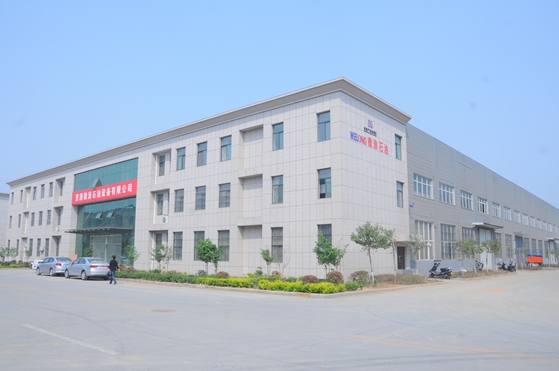
It is important to look at a supplier's choice of products, certificates, wait times, and after-sales services when choosing one. With more than 20 years of experience in the field, WELONG is a skilled oilfield maker that offers both Fishing Bumper Sub KXJ and Fishing Bumper Sub BXJ types. The KXJ type is easy to maintain because it has a long working stroke, a big down shock force, and a simple design.
WELONG Product Advantages
Our BXJ type uses hydraulic oil-filled working tanks that offer better greasing and a longer service life. These design traits keep costs down while helping with common operating problems. WELONG keeps strict quality control processes to make sure dependable performance during important drilling activities.
Our talented production team makes sure that goods are made and delivered to customer stores on time. Having the ability to use different modes of transportation, like ships, planes, and trains, makes it easier to plan procedures. A lot of different trade words, like FOB, CIF, DDP, and DDU, are used to meet different budget needs and ways of buying goods.
Quality Assurance and Inspection Services
As a normal part of their work, WELONG offers full inspection services that cover both in-process and end exams. Third-party proof is one of the more advanced testing choices. We have agreements with SGS and DNV to make this happen. These steps for checking the goods make sure that the quality meets customers' needs and global standards.
Strategic buying methods that include just-in-time shipping, vendor-managed inventory, and personalized ordering lower inventory costs and operational downtime. A long-term business goal that can be met with long-term business goals.
Conclusion
Using shock absorption technology at the right times during drilling activities saves expensive tools and keeps the work efficient. Understanding when to use these safety tools, like the Bumper Sub, lets you make strategic decisions that avoid expensive mistakes and extend the lifespan of your equipment. WELONG has a lot of knowledge and a wide range of products, including Bumper Sub solutions, that can help with drilling in tough conditions. Procurement workers looking for reliable drilling tools know they can trust us because we promise quality control, on-time delivery, and full support services.
Frequently Asked Questions
Q1: How often should bumper subs be inspected during drilling operations?
A: Checks are usually done after each drilling run or every 100 hours of use, based on how hard the digging is and the features of the rock. This is done to find signs of wear and other problems as early as possible.
Q2: Can bumper subs be used in all types of drilling rigs?
A: Yes, these tools are versatile and compatible with most drilling rigs; however, selecting the correct model and size specifications is critical for achieving maximum effectiveness and operational safety.
Q3: What distinguishes a bumper sub from other shock absorption tools?
A: These shock subs ease impacts with mechanical parts and a telescopic design, but impact tools use hydraulic or spring-based systems to absorb energy.
Partner with WELONG for Reliable Bumper Sub Solutions
WELONG offers shock reduction products that protect your drilling capital and keep your business running smoothly. We are dedicated to upholding global standards of quality, as shown by our ISO 9001:2015 and API 7-1 certificates. As a well-known bumper sub maker, we know how important it is to have solid tools when cutting in difficult conditions. Our full range of products includes both KXJ and BXJ types, which are made to meet certain needs.
Experience the WELONG advantage through our streamlined procurement process, competitive pricing, and exceptional after-sales support. Our technical team provides expert guidance to ensure optimal equipment selection for your specific drilling applications. Contact us at oiltools15@welongpost.com to discuss your requirements and receive customized recommendations.
References
1. Bourgoyne, A.T., Millheim, K.K., Chenevert, M.E., and Young, F.S. "Applied Drilling Engineering." Society of Petroleum Engineers Textbook Series, Richardson, Texas.
2. Mitchell, R.F. and Miska, S.Z. "Fundamentals of Drilling Engineering." Society of Petroleum Engineers Handbook, Richardson, Texas.
3. Baker Hughes. "Drilling Engineering Handbook: Shock and Vibration Control in Drilling Operations." Baker Hughes Technical Publications.
4. Schlumberger. "Oilfield Glossary: Drilling Equipment and Tool Classification Standards." Schlumberger Technical Documentation.
5. American Petroleum Institute. "Specification for Drill String Equipment and Components." API Specification 7-1, Washington, D.C.
6. International Association of Drilling Contractors. "Guidelines for Drill String Component Selection and Maintenance." IADC Technical Bulletin Series.