Centralizer Applications in Drilling & Completion Operations
The centralizer is one of the most important but underrated tools used in modern drilling and finishing work. It is very important that the core strings are placed properly in the wellbore. The right use of centralizers has a direct effect on the quality of the cement, the safety of the well, and the long-term performance of production, whether the well is vertical or has complex horizontal paths. This detailed guide looks at how centralizers work in different drilling situations, why they're important for well integrity, and what operators should think about when choosing the best centralizer solution for their needs.
How Are Centralizers Used in Directional and Horizontal Drilling?
The casing string has to go through curved and often very off-center wellbore paths during directional and horizontal drilling operations, which makes it harder to place the casing. During the drilling process, centralizers are a key part of dealing with these problems.
Positioning Casing Along Curved Wellbore Trajectories
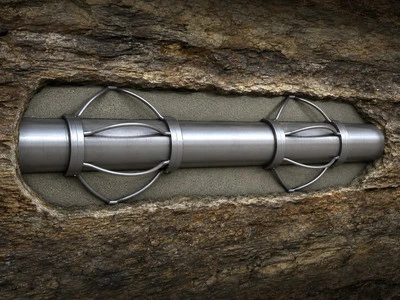
In directed wells, the casing string has to go through build sections and lateral segments. As it does this, gravity pulls the pipe towards the low side of the shaft. A properly spaced centralizer keeps the standoff the same around the casing's edge, which keeps the pipe from touching the wellbore wall too much. This ability to position becomes more important as the well deviation angle goes up, especially in horizontal sections with a long reach that are common in unconventional shale plays.
Reducing Drag and Torque During Casing Deployment
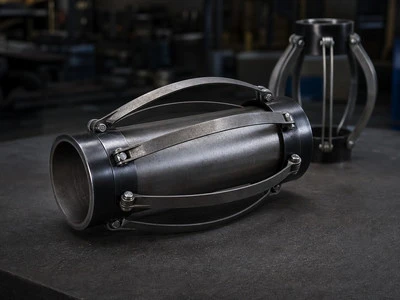
When casing strings go through areas with a lot of deviations, friction between the pipe and the rock can cause a lot of drag and torque, which could stop the casing from reaching its goal depth. The bow spring centralizer, which is designed to have a high restoring force and a low starting force, lowers this friction by keeping the standoff constant and letting the fluid move smoothly through the wellbore. This feature of the design is especially useful in long horizontal laterals where it is necessary to reach full depth without any help.
Centralizer Applications in Casing Running and Installation Efficiency
In addition to directing the casing, centralizers have other roles to play during the running process. They improve operational efficiency and lower the risk of problems during installation in a variety of well types.
Facilitating Smooth Pipe Movement Through Restrictive Zones
When installing casing, wellbores often have areas that are hard to move because of irregularities in the formation, ledges, or previous drilling activities. Choosing the right centralizer, whether it's rigid or spring-type, helps the casing string move smoothly through these tough spots by keeping the right amount of space between the pipes and preventing them from getting caught on irregularities in the formation. This guide feature cuts down on installation time and lowers the chance of a pipe getting stuck during important moving operations.
Optimizing Centralizer Spacing for Installation Speed
How quickly and easily the casing string can be run to depth depends on how well the centralizer spacing estimates are done based on the weight of the casing, the size of the hole, and the well's path. When operators put centralizers in a way that meets industry standards, like those in ASTM International standards, installation delays are less likely to happen. Having the right spacing also makes running operations easier on the body, especially for longer casing strings where friction can build up and cause problems.
Why Centralizers Matter in High-Deviation Well Construction
When drilling horizontal or high-deviation wells, the choice of centralizer and where it is placed is very important for the success of the well building and its long-term stability.
Preventing Differential Sticking in Deviated Sections
Due to gravity, the casing string in high-angle wells tends to lie against the low side of the borehole. This makes differential sticking more likely, especially in formations that are permeable and have big pressure differences. When the centralizer is built correctly, it keeps the casing away from the formation face. This reduces the contact area and makes it less likely that the casing will get differentially stuck while it is going or while the cement is drying.
Achieving Adequate Standoff for Cement Distribution
Centralizers play a very important role in high-deviation wells because they make sure there is enough gap to spread cement evenly around the whole length of the casing. If there isn't enough centralisation, the cement will usually flow through the path with the least resistance, which is usually the bigger side of an off-center circle, leaving gaps in coverage in other places. This uneven distribution makes zonal isolation less effective, so where the centralizer is placed is very important for successfully cementing deviated wellbores.
How Do Centralizers Support Smooth Completion Operations?
The benefits of using a centralizer correctly go beyond the drilling and capping stages. They have a direct effect on the finishing operations that follow and on the long-term usefulness of output equipment inside the wellbore.
Ensuring Clearance for Completion Tools and Equipment
When covering lines are well-centralized, the internal shape is easier to predict. This makes it easier to use finishing tools like packers, screens, and production tubes. When a centralizer keeps the casing in place during the grouting process, the wellbore that is left has better gaps for later finishing equipment. This makes it less likely that tools will get stuck or installation problems will happen later in the process.
Supporting Effective Zonal Isolation for Production Management
A lot of what makes completion operations work is getting the zones properly isolated. This starts with using the right centralizer to help place the cement correctly. When centralizers make sure that the thickness of the cement sheath around the case is the same all the way around, the separation between the generating zones is more reliable. During the well's useful life, this separation quality directly affects how an operator can carefully trigger, create, or shut off certain zones.
Centralizer Role in Maintaining Borehole Geometry During Drilling
Besides their use in casings, centralizers help keep the borehole's shape in a good position during different stages of well building. This improves the quality of the wellbore and its subsequent operating success.
Minimizing Wellbore Contact Points to Reduce Formation Damage
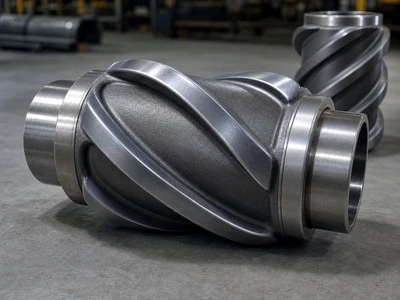
Too much touch between the shell and the walls of the formation can damage the formation, especially in formations that are weak or not fully solidified. If you choose the right centralizer, like a rigid centralizer made of metalloid or aluminium alloy, these contact points will be kept to a minimum while still providing the structural support that is needed. This balanced method helps keep the unity of the formation while keeping the benefits of covering placement that centralizers are meant to provide.
Contributing to Long-Term Wellbore Stability
The physical advantages that centralizers offer during installation help keep the wellbore stable for as long as the well is in use. By making sure the casing is properly placed and properly cemented during installation, centralizers help avoid future problems caused by casing wear, connection stress, or weak cement integrity that could arise from bad initial placement. This is especially important in wells that experience a lot of changes in temperature or pressure over time.
Conclusion
Centralizers are very important tools for almost every step of the drilling and finishing process, from running the first core to long-term production. Their job to keep the wellbore shape stable, support cement spread, and keep the right gap, which has a direct effect on the well's health and operating success. When dealing with problems in horizontal drilling, high-deviation building, or deployment of finishing tools, picking the right type of centralizer and making sure it is placed correctly are still essential for achieving reliable, long-lasting well performance in a wide range of oilfield uses.
FAQ
1. What is the difference between rigid and spring-type centralizers?
Rigid centralizers, including straight blade and spiral blade designs, provide fixed standoff and are typically used in more stable wellbore conditions. Spring-type centralizers, such as bow spring or double bow designs, offer flexibility with high restoring force and low starting force, making them better suited for horizontal and deviated wells requiring smooth passage through varying hole geometries.
2. How is proper centralizer spacing determined for a specific well?
Centralizer spacing depends on factors including casing weight, hole diameter, well deviation angle, and formation characteristics. Engineering calculations typically follow industry standards to ensure adequate standoff is maintained throughout the casing string, particularly in critical zones requiring optimal cement distribution for effective zonal isolation.
3. What materials are used in manufacturing high-quality centralizers?
Premium centralizers are typically constructed from special alloy steel that undergoes hot forming in controlled heat treatment facilities, achieving uniform hardness throughout the product. Specialized variants may incorporate metalloid or aluminum alloy materials, with performance specifications meeting recognized standards such as API Spec 10D for bow spring casing centralizers.
Contact WELONG for Premium Centralizer Solutions
Ensuring proper casing centralization is essential for cementing quality and long-term well integrity. WELONG offers a comprehensive range of centralizer types, including rigid, spring, and special alloy configurations, all manufactured under strict quality control and backed by ISO 9001:2015 and API 7-1 certifications. With over 20 years of oilfield manufacturing experience and reliable global logistics support, we are ready to meet your project requirements. Contact our team today at oiltools@welongpost.com to discuss your centralizer needs and receive a tailored solution.
References
1. American Petroleum Institute. (2002). API Specification 10D: Specification for Bow-Spring Casing Centralizers. API Publishing.
2. Society of Petroleum Engineers. (2014). Casing Centralization Practices in Horizontal Wells. SPE.
3. Nelson, E. B., & Guillot, D. (2006). Well Cementing. Schlumberger Educational Services.
4. Bourgoyne, A. T., Millheim, K. K., Chenevert, M. E., & Young, F. S. (1991). Applied Drilling Engineering. SPE Textbook Series.
5. Rabia, H. (2002). Well Engineering and Construction. Entrac Consulting.
6. Smith, D. K. (1990). Cementing. SPE Monograph Series, Volume 4.
Share your inquiry, get the quotation accordingly!
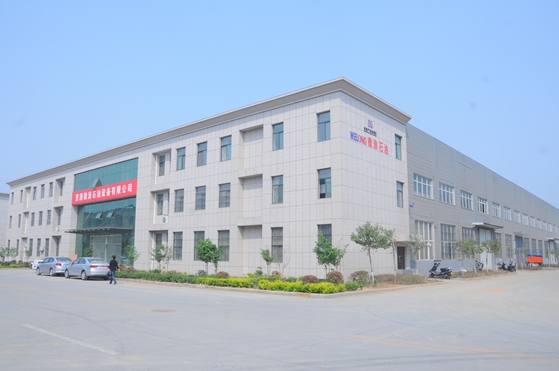
CHINA WELONG - 20+ years manufactuer in oilfield tools