To choose the right centralizer for horizontal and curved wells, you need to think about the well's shape, how the formation works, and what you want to achieve with the filling. The main goal is to get the best case gap while keeping the sealing quality high all the way through the wellbore. Choosing the right centralizer makes sure that the cement is spread out evenly, stops pooling, and gets the best zonal isolation. Modern drilling needs special tools that can follow complicated paths and work well even when conditions are tough.

Understanding Well Trajectory Challenges in Modern Drilling Operations
Horizontal and offset wells have problems that aren't usually seen with traditional vertical drilling. As well slope grows, the effects of gravity become more noticeable, which makes the shell settle against the low side of the wellbore. This effect makes the circular areas uneven, which makes it hard to place the cement correctly and hurts the long-term stability of the well.
Complexity of Modern Well Designs
Modern well designs are complicated, so people need to carefully plan and choose tools for them. Drilling companies are under more and more pressure to improve the quality of completions while keeping prices down. In curved wellbores, the function of the centralizer is affected by formation stability, changes in hole size, and how thick the mud cake is.
Temperature and Pressure Considerations
In many cases, horizontal wells have higher temperature and pressure levels than vertical wells. These harsh settings require strong tools that keep working during the bonding process. Engineers choose what kind of centralizer to use and where to put it based on their knowledge of these issues.
Wellbore Tortuosity and Tool Selection
Wellbore tortuosity makes it even harder to choose the right tools. Micro-doglegs and washouts can have a big effect on how well centralizers work. This means that caliper logs and drilling parameters need to be looked at closely during the planning stage.
Essential Centralizer Types for Deviated Wellbore Applications
Rigid Centralizers: Superior Support for High-Angle Wells
Rigid centralizers offer superior restoring force in high-angle wells where casing weight creates significant side loading. Straight blade configurations provide excellent support in gauge hole conditions, while spiral blade designs help reduce drag during casing running operations. These tools excel in formations with stable hole conditions and predictable geometry.
Spring Centralizers: Adaptive Performance for Varying Hole Conditions
Spring centralizers deliver adaptive performance across varying hole sizes and conditions. Bow spring designs compress when encountering tight spots, then expand to provide optimal standoff in gauge sections. Double bow configurations enhance restoring force while maintaining flexibility during installation.
Special Rigid Centralizers: Addressing Unique Operational Needs
Special rigid centralizers address specific operational requirements that standard designs cannot meet. Metalloid options provide non-conductive solutions for logging operations, while aluminum alloy variants reduce overall string weight in deep wells. Roller centralizers minimize friction during casing rotation, enabling improved cement placement in extended horizontal sections.
Each centralizer type offers distinct advantages depending on well conditions and operational objectives. Understanding these characteristics enables procurement teams to specify appropriate equipment for their specific applications while optimizing cost-effectiveness.
Critical Performance Parameters That Drive Selection Decisions
Restoring Force: The Key Performance Metric
Restoring force represents the most important performance metric for centralizers in deviated wells. This measurement determines the tool's ability to lift casing off the low side of the wellbore against gravitational forces. Higher restoring forces improve standoff but may increase running loads and installation complexity.
Starting Force: Ensuring Smooth Installation
Starting force indicates the resistance encountered when the centralizer enters a restriction. Low starting forces facilitate smooth casing installation while reducing the risk of equipment damage or operational delays. Balancing these competing requirements requires careful analysis of specific well conditions.
API Spec 10D Compliance: Ensuring Standardized Performance
API Spec 10D compliance ensures standardized performance characteristics and dimensional requirements. This specification provides consistent testing protocols and quality benchmarks that enable reliable equipment comparison and selection. Compliance verification should include documentation of testing procedures and results.
Standoff Percentage: Optimizing Cement Placement
Standoff percentage calculations help optimize centralizer placement and quantity. Industry standards typically target 67% minimum standoff for effective cement placement, though specific applications may require higher values. Proper calculation considers wellbore geometry, casing size, and formation characteristics.
Durability Testing: Ensuring Long-Term Performance
Durability testing makes sure that the tools can work in situations that are similar to those downhole. Temperature cycles, rust protection, and mechanical wear tests help predict how well and how reliably the field will work. These tests become more important in tough settings or long, flat parts.
Strategic Placement Planning for Optimal Cementing Results
Detailed Wellbore Study for Placement Optimization
Placement optimization starts with a detailed study of the wellbore. Caliper logs and drilling data are used for this study. Finding the key areas that need more standoff helps to keep the number of centralizers low while still making sure the bonding process works. This method saves money and makes sure that there is enough zonal separation all the way through the wellbore.
Factors Affecting Centralizer Spacing
Well direction, covering weight, and formation traits are all factors in spacing estimates. In general, holes are 40 to 120 feet apart, based on how steep the hole angle is and how bad the variation is. In high-angle parts, closer spacing makes the range spread better, but it also raises the cost and difficulty of installing the equipment.
Strategic Placement in Critical Zones
It is very important to plan carefully where to put things in production gaps, water-bearing layers, and closing shoes. Adding more centralizers in these places helps make sure that the cement covers everything it needs to and that the well stays in good shape for a long time. Risk assessment finds possible trouble spots that might need more tools or changes to the way they are designed.
Installation Planning and Execution
Installation plans must make room for the centralizer to be put in place without hurting how well the system works. Planning before installation takes into account the setup of tools, quality checks, and installation steps. Drilling and grouting teams working together makes sure that everything goes as planned and the best possible results are achieved.
Post-Installation Review and Future Optimization
Post-installation review confirms the accuracy of the placement with the help of cement bond logs and other diagnostic tools. This input helps make future selection and placement methods more effective while also helping people learn how to do their jobs and find the best ways to work.
Quality Assurance and Manufacturing Standards in Equipment Selection
Centralizers' ability to do their job and how long they last in difficult downhole settings depends a lot on the materials used to make them. Premium alloy steels are heated in a controlled way to get the best spring properties and even stiffness all over the steel. These standards for production make sure that the performance stays the same even when the weather and stress levels change.
Quality Control Methods and Inspections
Quality control methods include checking the materials, overseeing the manufacturing process, and testing the end product. Before shipping, detailed inspection checklists confirm the accuracy of dimensions, material qualities, and performance features. For important uses, confirmation by outside companies like SGS and DNV gives extra peace of mind.
Traceability and Documentation for Continuous Improvement
Materials and processes can be tracked during the whole production cycle with the help of traceability tools. This paperwork helps find ways to make things better and supports good research. Keeping the right records makes it easier to get help with technology problems and make guarantee claims.
Continuous Improvement and Technological Advancements
Continuous growth efforts make industrial methods and product ideas better all the time. Newer versions of tools are more capable and reliable because of customer comments, field performance data, and changes in technology.
Compliance with International Standards
Following international standards makes sure that drilling methods and rules around the world will work with it. ISO 9001 approval shows that you want to use quality management systems and make customers ha.
Total Cost of Ownership
Total cost of ownership extends beyond initial equipment purchase price to include logistics, installation, and potential failure costs. Comprehensive cost analysis considers equipment performance, reliability, and service support when evaluating supplier options. This holistic approach often reveals hidden value in premium equipment selections.
Supply Chain Reliability and Logistics
Supply chain reliability becomes crucial in time-sensitive drilling operations where delays create significant financial impact. Established manufacturers with proven delivery performance help minimize operational risks and associated costs. Global logistics capabilities ensure equipment availability across diverse operating locations.
Technical Support and Expertise
Technical support services add substantial value through application engineering, troubleshooting assistance, and performance optimization. Suppliers with extensive field experience provide valuable insights that enhance operational success and reduce risks. This expertise becomes particularly valuable in challenging or unconventional applications.
Volume Purchasing and Long-Term Partnerships
Volume purchasing agreements can deliver significant cost savings while ensuring consistent equipment availability. Long-term partnerships with reliable suppliers often yield additional benefits including priority service, customized solutions, and collaborative development opportunities.
Risk Mitigation and Premium Equipment Selection
Risk mitigation strategies protect against equipment failures and operational delays that can far exceed initial cost savings from lower-priced alternatives. Proven performance history, comprehensive testing, and robust quality systems justify premium pricing for critical applications.
ppy. API certificates show that the person who got the certification knows how to properly use technology that meets the standards of the business.
Conclusion
Well shape, practical needs, and cost goals are just a few of the things that need to be thought about when choosing centralizers for straight and deviated wells. Knowing the different features of stiff, spring, and specific centralizer types helps people make good choices that will make bonding more successful. Making a good placement plan, ensuring quality, and cutting costs all help a project succeed while also lowering risks and operating issues.
Today's drilling needs dependable tools made by companies with a lot of experience in the field. WELONG's extensive centralizer for sale, quality guarantees, and decades of experience in the field lay the groundwork for successful horizontal and offset well completions in a range of settings.
Partner with WELONG for Superior Centralizer Solutions
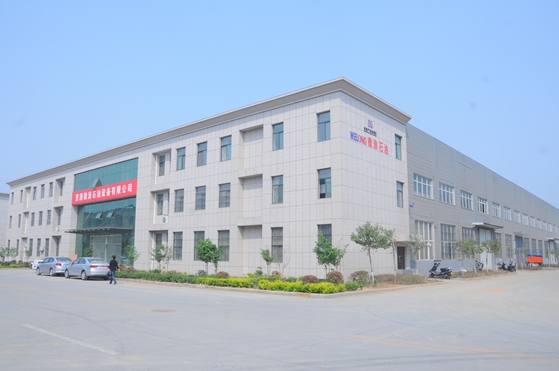
With more than twenty years of making oilfield tools, you can trust WELONG as your centralizer source. Our thorough quality checks make sure that each centralizer is suitable for straight and angled well uses. The skilled production team makes sure that your operations run smoothly without any delays.You can get flexible operations that are just right for your project needs by using more than one way to move things, like by sea, air, or rail. A range of business words, including FOB, CIF, DDP, and DDU, take into account different ways of buying things and budgetary needs. We offer both in-process and end inspection methods as part of our inspection services. For better quality assurance, SGS and DNV can be used as third-party verifiers.
We are dedicated to following international standards and the best ways of doing things in our business. ISO 9001-2015 and API 7-1 certifications show this dedication. The wide range of products includes stiff, spring, and specialized centralizers that can handle all types of horizontal and curved well issues. After working in this area for decades, I have gained the technical knowledge needed to create unique solutions that will make your applications work better.
Ready to enhance your cementing operations with reliable, high-performance centralizers? Contact our technical team today to discuss your requirements and discover how WELONG can support your drilling success. Reach out to us at oiltools15@welongpost.com for detailed product specifications and expert guidance on centralizer selection for your next project.
References
1. American Petroleum Institute. "API Specification 10D: Specification for Bow-Spring Casing Centralizers." Washington, DC: American Petroleum Institute, 2019.
2. Nelson, Erik B. and Dominique Guillot. "Well Cementing, 2nd Edition." Sugar Land, TX: Schlumberger Educational Services, 2006.
3. Sauer, Carl W. "Mud Displacement During Cementing: A State of the Art." Journal of Petroleum Technology, vol. 39, no. 9, 1987, pp. 1091-1101.
4. Beirute, R.M. and R.C. Flumerfelt. "An Evaluation of the Variables Affecting the Effectiveness of Casing Centralizers." SPE Drilling Engineering, vol. 2, no. 4, 1987, pp. 415-420.
5. Calvert, D.G. and T.C. Heathman. "Casing Centralization: The Key to Efficient Displacement." SPE Drilling & Completion, vol. 9, no. 1, 1994, pp. 28-34.
6. McLean, Robert H. and Charles A. Manowski. "Centralizer Placement Optimization in Horizontal Wells Using Computer Simulation." SPE Drilling & Completion, vol. 16, no. 2, 2001, pp. 87-94.