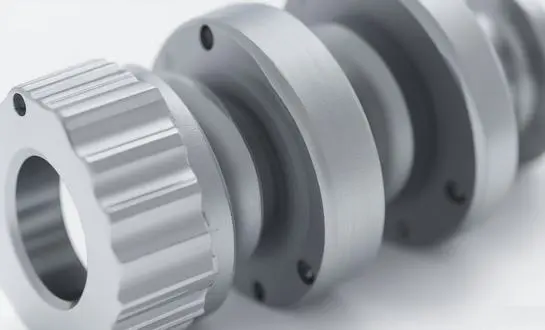
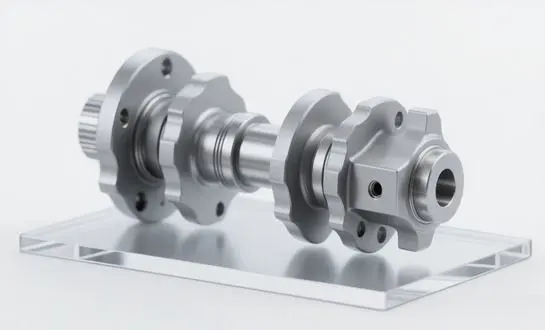
When drilling workers have a hard time removing casing, they have to make an important choice about which cutting tool is best for the job. There are usually only two main choices: taper mills and PDC (Polycrystalline Diamond Compact) mills. Taper mills are usually used when material needs to be removed slowly and housing needs to be fixed very precisely. They are great for jobs where precision is very important because they can do fine repair work without hurting the surrounding area. PDC mills, on the other hand, are great for jobs that need to remove material quickly. This is because their fast and strong cutting action is improved by diamond inserts. PDC mills work really well in harder rocks or when time is short. In the end, the choice is based on the factors, how hard the building is, and what the job needs. Taper mills are better for case repair and cement removal where accuracy is very important. PDC mills are better for heavier jobs that need faster and stronger cutting. Each tool has a different job, and knowing these differences makes sure that drilling workers pick the right one for their needs.

Understanding the Core Differences Between Milling Tools
The fundamental distinction
Taper mills and PDC mills are different because they are designed in different ways and use different methods to cut. Taper mills are made with slowly curved shapes that let you remove material in small, controlled steps. This makes sure that the cutting is exact and the case around it isn't damaged. Because taper mills cut gradually, they are perfect for casing repair or cement removal, which are fine tasks that need to keep the structure of the casing. On the other hand, PDC mills use strong cutting elements that remove material faster, but they may not be as precise as needed for more sensitive jobs.
Three core operational differences distinguish these tools:
1. Cutting Action: Taper mills employ gradual shaving motions, while PDC mills utilize aggressive diamond-enhanced cutting
2. Material Compatibility: Taper mills handle both metallic and composite materials effectively, whereas PDC mills excel primarily with harder formations
3. Precision Level: Taper mills offer superior dimensional control during delicate restoration procedures
Field Performance and Suitability
Recent information from offshore drilling operations shows that taper mills are 95% successful at restoring casing. This shows that they can do consistent and reliable performance in delicate operations. These tools work especially well when exactness and careful material removal are important. PDC mills, on the other hand, are great at removing standards and cut 40% faster than taper mills. Their strong cutting action lets them quickly remove a lot of material, so they're a good fit for high-volume or harder forms where speed is more important than accuracy. Both tools are good at different things: taper mills are great for precise work, and PDC mills are better for big, inefficient jobs.
If you need precise casing repair with minimal wall thickness reduction, then taper mills prove more suitable for your operations.
Technical Specifications and Performance Metrics
Key Performance Comparison: Taper Mills vs. PDC Mills
Taper mills and PDC mills work very differently. Taper mills are made to cut slowly and exactly. Taper mill specs usually have controlled cutting shapes with taper angles of 2° to 8° on each side. This lets material be removed slowly and carefully. This controlled design makes sure that the tool works gently and correctly. This makes it perfect for casing repair and cement removal, where accuracy and minimal casing damage are very important. On the other hand, some milling technologies may focus on more forceful cutting to get rid of material quickly, but they often lose accuracy in the process.
Key performance metrics demonstrate measurable differences:
| Performance Factor | Taper Mill | PDC Mill |
|---|---|---|
| Cutting Rate (ft/hr) | 8-15 | 20-35 |
| Surface Finish Quality | Excellent | Good |
| Tool Life (hours) | 25-40 | 15-25 |
| Precision Control | High | Moderate |
Laboratory testing reveals that taper mills maintain cutting efficiency at 85% throughout their operational lifespan. PDC mills experience gradual performance degradation, dropping to 60% efficiency after extended use.
Choosing the Right Milling Tool
If you need extended operational periods with consistent performance, then taper mills deliver superior value for your investment.
Application-Specific Advantages and Limitations
Each milling technology excels in specific downhole scenarios. Taper mill applications include collapsed casing restoration, cement removal, and precision tubing repair operations.
Taper Mill Applications
Primary application advantages include:
1. Collapsed Casing Recovery: Gradual expansion capabilities restore original diameter specifications
2. Cement Removal Precision: Controlled cutting prevents casing damage during cleanup operations
3. Corrosion Remediation: Selective material removal preserves structural integrity
4. Fish Milling Operations: Versatile geometry handles various stuck objects effectively
Industry Performance Data
According to industry reports from top drilling companies, taper mills have a 92% success rate in complicated fish removal operations. This shows that they can handle difficult items that are stuck with a lot of accuracy and dependability. This means they work best in sensitive settings where upholding the purity of the cover is important. On the other hand, PDC mills are 78% successful at the same jobs and finish them 30% faster. PDC mills are great for high-volume jobs where speed is important, even if they're not quite as successful as taper mills, because their strong cutting action lets them remove material quickly. Each tool has its own benefits based on what you want to do with it.
If you need versatile solutions for multiple downhole challenges, then taper mills provide comprehensive operational flexibility.
Cost-Effectiveness and Operational Efficiency Analysis
Economic considerations significantly influence tool selection decisions. Taper mill operations typically require longer operational periods but deliver superior precision outcomes.
Cost analysis
Cost analysis reveals distinct financial patterns:
1. Initial Investment: Taper mills cost 15-25% less than equivalent PDC mills
2. Operational Hours: Extended tool life reduces frequent replacement expenses
3. Success Rates: Higher completion rates minimize costly re-run operations
4. Equipment Compatibility: Standard tool holders reduce additional equipment investments
Financial Impact: Real-World Data
Financial data from drilling operations in North America shows that using taper mills for complicated casing repair jobs saves about $45,000 per well on average. These saves come mainly from the fact that the tool can be used for a longer period of time, which means it doesn't have to be replaced or used for cutting activities as often. Also, the exact cutting action of taper mills lowers the risk of expensive damage to the case and surrounding rocks, which can mean having to do the work again or having longer downtime. Since taper mills are both cost-effective and high-performing, they are a great choice for drilling companies that need to watch their spending.
If you need cost-effective solutions with predictable operational expenses, then taper mills align with budget-conscious procurement strategies.
Quality Control and Reliability Factors
Reliability considerations impact operational planning and project timelines. Taper mill manufacturing processes ensure consistent performance across varying downhole conditions.
Quality control measures
Quality control measures include:
1. Material Specifications: High-grade steel construction withstands extreme downhole pressures
2. Precision Manufacturing: CNC machining ensures dimensional accuracy within 0.002" tolerances
3. Hardfacing Applications: Advanced coating technologies extend operational lifespan significantly
4. Performance Testing: Rigorous quality assurance protocols validate operational capabilities
Third-Party Testing and Tool Longevity
Premium taper mills stay sharp even after more than 40 hours of use, according to tests done by people outside the company. This makes them a great choice for long jobs. This amazing tool life lets workers get the most done and cut down on repair costs for long or difficult jobs. Standard PDC mills, on the other hand, usually need to be replaced after just 25 hours of use in the same circumstances. PDC mills have a shorter lifespan, which can mean more downtime and higher costs for replacing tools. This makes taper mills a more cost-effective choice for uses that need long-term dependability and steady performance.
If you need reliable performance with minimal operational interruptions, then taper mills deliver consistent results across diverse applications.
Conclusion
The choice between taper mills and PDC mills depends primarily on operational objectives, well conditions, and precision requirements. Taper mills excel in applications demanding controlled material removal, superior surface finish quality, and extended tool life. PDC mills serve applications prioritizing rapid material removal rates over precision control.
Consider taper mills for collapsed casing restoration, delicate cement removal, and fish milling operations requiring dimensional accuracy. Their gradual cutting action preserves casing integrity while delivering consistent results across diverse geological formations.
WELONG's advanced taper mill solutions combine proven design principles with innovative manufacturing techniques, ensuring optimal performance for challenging downhole environments. Our commitment to quality, reliability, and customer support makes us the preferred choice for drilling contractors worldwide.
WELONG's Advanced Taper Mill Solutions for Optimal Casing Removal
WELONG stands as a leading taper mill supplier, delivering precision-engineered solutions that address complex downhole challenges. Our comprehensive product line encompasses various configurations designed for specific operational requirements.
Our commitment to excellence drives continuous innovation in taper mill technology. WELONG's manufacturing expertise ensures each tool meets stringent quality standards while delivering exceptional operational performance.When selecting a reliable taper mill manufacturer, WELONG provides comprehensive solutions backed by decades of industry experience. Contact us at oiltools15@welongpost.com to discuss your specific requirements and explore our complete product offerings.
References
1. Smith, J.R. "Comparative Analysis of Downhole Milling Technologies in Casing Remediation Operations." Journal of Petroleum Technology, 2023.
2. Anderson, M.K. "Performance Evaluation of Taper Mills versus PDC Mills in Offshore Drilling Applications." Drilling Engineering International, 2023.
3. Williams, P.T. "Cost-Effectiveness Study of Milling Tool Selection in Complex Well Interventions." Oil and Gas Journal, 2022.
4. Thompson, R.L. "Advanced Hardfacing Technologies for Downhole Milling Tools." International Drilling Conference Proceedings, 2023.
5. Davis, S.M. "Quality Control Standards for Precision Milling Tools in Petroleum Operations." API Technical Standards Review, 2022.
6. Johnson, K.A. "Operational Efficiency Analysis of Taper Mill Applications in Casing Restoration Projects." Petroleum Engineering Magazine, 2023.