Common Hole Opener Types and Their Applications
Hole openers are essential in oil and gas, water well drilling, and building projects because they widen boreholes. These sturdy gadgets efficiently enlarge borehole diameters above drill bits or in pilot holes. Hole opener technology lets drilling companies manage bore diameters in mild clay deposits to hard rock substrates.
Understanding Hole Opener Basics: Types, Functions, and Benefits
Understanding borehole expansion tool principles helps drilling specialists choose equipment for various projects. These sophisticated tools cut and ream holes to predefined dimensions while maintaining structural integrity.
Primary Classifications of Borehole Enlargement Tools
The drilling business has numerous borehole expansion equipment categories designed for unique operational situations and geological problems.
Blade-type arrangements cut aggressively in softer formations with cutting components radially around the tool body. These designs optimize operational efficiency in clay, sand, and unconsolidated materials with quick penetration. The blade geometry removes cuttings while reducing drilling torque.
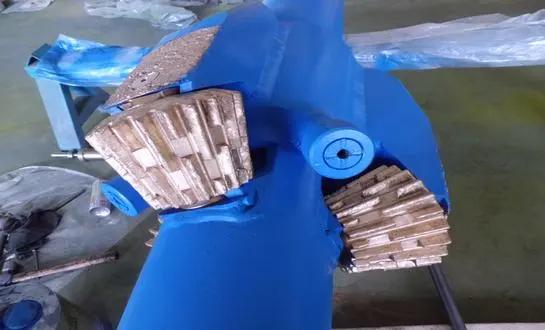
Roller-type systems compress and pulverize rock formations with rotating cutting structures. This design works well in medium to hard rock formations when blade-type tools wear out quickly. Tool life and bore quality are maintained by evenly distributing cutting forces during rolling.
To handle the toughest drilling circumstances, button bits have tungsten carbide inserts and strategically placed cutting features. These sturdy tools handle hard rock formations, abrasive materials, and mixed geology where other tools could fail.
Material Composition and Performance Characteristics
Tool performance and endurance in severe drilling applications depend on advanced metallurgy. WELONG manufactures with premium steel grades including AISI 4145H, 4145H MOD, and 4330V for operational advantages.
AISI 4145H steel has high strength-to-weight ratios and is workable during manufacturing. Cyclic loading tools benefit from this chromium-molybdenum alloy's fatigue resistance. The upgraded 4145H type improves hardenability, prolonging service life in harsh settings.
AISI 4330V, the best tool steel, contains vanadium to increase grain structure and toughness. This nickel-chromium-molybdenum alloy resists impact and maintains cutting edge integrity in harsh drilling conditions.
Operational Benefits and Efficiency Gains
Effective borehole expansion solutions boost drilling performance and project economics. These technologies allow single-pass drilling, decreasing project timeframes and expenses.
Optimized cutting geometries reduce energy usage and increase penetration, improving operational efficiency. Modern designs use hydraulic features to evacuate cuttings, avoid bit balling, and maintain drilling parameters.
Environmental concerns increasingly affect tool selection, with efficient expansion tools saving drilling time and surface disturbance. Lower fuel usage and emissions meet sustainability goals while preserving operational performance.
Choosing the Right Hole Opener: Criteria and Application Scenarios
Tool selection needs a thorough assessment of geological conditions, operational parameters, and economic factors for each drilling project. Understanding these interrelated elements helps procurement professionals choose equipment and control project costs.
Geological Formation Assessment
Soil and rock features strongly influence tool selection, therefore subsurface conditions must be carefully analyzed throughout the drilling period.
Clay formations demand active cutting and quick cuttings clearance. Blade-type designs penetrate quickly and reduce clay buildup on cutting surfaces. Maintaining hole cleaning efficacy and preventing stopped pipes requires hydraulic optimization.
Sandy formations can cause hole instability and cutting element wear. Roller-type tools distribute cutting pressures and manage sand output, balancing cutting aggressiveness and wear resistance.
Rock formations require cutting structures that can withstand large compressive loads. Tungsten carbide insert button bits are durable and accurate for long drilling intervals.
Equipment Compatibility and Integration
Due to hydraulic capacity, rotational torque limits, and connection compatibility, successful deployment needs seamless interaction with current drilling equipment.
Drilling rig specs limit tool size and weight, affecting selection factors. Hydraulic flow rates and pressure must match tool needs for best performance and equipment protection.
Drill string connection types, tensile strength ratings, and rotary capacity limits affect tool deployment. Safety and tool efficiency are ensured by proper evaluation during the drilling program.
Performance Optimization and Maintenance Protocols
Maintaining cutting element integrity and performance criteria through maintenance processes and operational best practices extends tool lifespan.
Before operational safety or efficiency are compromised, regular inspections uncover wear patterns and potential issues. Operating parameters are documented to determine the best drilling methods for geological circumstances.
Proper storage and handling preserve performance-critical metallurgical characteristics and safeguard cutting elements from impact damage. Environmental factors include corrosion and temperature extremes that could damage tools.
Advanced Drilling Techniques Using Hole Openers
Advanced drilling methods, especially those utilizing hole openers, increase tool efficacy and project economics by improving operational efficiency and cycle times.
Comparative Performance Analysis
Understanding tool performance characteristics helps drillers make informed decisions for various drilling applications and geological conditions.
Blade-type and roller-type penetration rates show different performance advantages based on formation parameters. Blade-type tools penetrate softer formations better, while roller-type tools work consistently across geology.
Auger drilling technologies thrive in unconsolidated deposits but lack adaptability for mixed geology. Borehole enlargement tools combine aggressive cutting with subsurface adaptation to close this performance difference.
Sample recovery is more important than penetration speed in core drilling. Enlargement tools improve hole conditioning and diameter control during coring.
Maintenance Excellence and Tool Life Extension
Comprehensive maintenance procedures improve tool life and sustain performance during long drilling sessions.
Edge conditioning maintains tool geometry and balance while sharpening cutting elements. Grinding properly removes worn material without affecting metallurgy or structure. Specialized equipment minimizes downtime between drilling operations and guarantees consistent results.
To avoid failure, roller-type bearings need regular lubrication and seal inspection. Load distribution patterns assist uncover faults before they impair operational performance or safety.
Tools are protected from corrosion and mechanical damage during shipping and storage by storage environment management. Storage methods reduce handling damage and climate-controlled facilities avoid condensation and corrosion.
Innovation and Technology Advancement
Modern drilling tool technology uses sophisticated materials and design to improve performance in various operational settings.
Optimizing cutting element geometry with computational fluid dynamics improves cuttings evacuation and reduces hydraulic energy. These innovations lower operating expenses and boost penetration.
Wear-resistant coatings keep cutting blades sharp during long drilling intervals. Advanced surface treatments increase abrasion resistance without reducing impact or fatigue strength.
Market Overview and Procurement Insights for Hole Openers
Understanding market dynamics helps procurement experts choose suppliers, set prices, and ensure quality in global drilling marketplaces.
Industry Leadership and Quality Standards
Industry leaders in drilling tool manufacture are known for quality, innovation, and customer support across product lifecycles.
Global manufacturing standards meet regional preferences and regulatory needs while ensuring quality among multinational vendors. ISO certification programs standardize quality management for dependable purchase decisions.
Field testing and customer feedback produce proven performance records that decrease procurement risk and ensure operational reliability. Technical expertise and specialized solutions for operating difficulties, including the use of hole openers, are available from long-term suppliers.
Economic Considerations and Value Analysis
Total cost of ownership study must examine all economic aspects to balance initial equipment costs, operating performance, and service life.
Due to manufacturing methods, material costs, and market positioning, supplier and product pricing structures vary greatly. Volume purchases save money and provide sufficient supplies for long drilling programs.
Delivery logistics affect project economics via transportation costs, lead times, and inventory management. Accelerated delivery and emergency support from suppliers give operational flexibility during critical drilling phases.
Strategic Procurement Approaches
Understanding supplier capabilities, market conditions, and operational requirements that affect equipment performance and project success is essential to developing effective procurement strategies.
OEM production offers the latest technology, complete warranty coverage, and consistent quality. Aftermarket alternatives may be cheaper but require rigorous quality and performance evaluation.
Bulk purchasing saves money and ensures ample inventory for extended operations. Strategic supplier partnerships give priority access to new technology and specialized operational solutions.
Company Introduction and Product Service Overview
With 20 years of oilfield equipment manufacturing experience, WELONG has led the industry in quality, innovation, and customer satisfaction across worldwide drilling markets.
Comprehensive Product Portfolio and Customization Capabilities
Our comprehensive product line solves drilling problems in numerous geological formations and operational situations to meet client and project goals.
Select premium steel grades including AISI 4145H, 4145H MOD, and 4330V alloys for best performance in tough drilling settings. The metallurgical alternatives provide higher strength, durability, and wear resistance over long operational durations.
Hard, medium to hard, and soft to medium cutter configurations meet formation-specific needs. This complete strategy optimizes performance in different geological situations, operational efficiency, and tool longevity.
Quality Assurance and Delivery Excellence
We use stringent quality control systems throughout production cycles to ensure product performance and reliability that satisfies demanding operational requirements. Decades of field experience and ongoing development have led to these industry best practices.
Production scheduling fulfills manufacturing orders on schedule while maintaining quality requirements for reliable field operations. Our professional production teams use innovative manufacturing and quality control methods to produce consistent outcomes across all product categories.
Logistics solutions include marine freight, air cargo, and railway transport, accommodating different delivery requirements and project timetables. FOB, CIF, DDP, and DDU terms allow tailored solutions for client preferences and operational demands.
Inspection Services and Quality Validation
Product quality and compliance with criteria are verified during manufacturing utilizing in-process and final inspection techniques.
Through SGS and DNV partnerships, third-party inspection services validate quality for customer confidence and regulatory compliance. These mechanisms provide thorough inspections that reduce project delays and maintain quality.
Our inspection experience covers many industry standards and customer requirements, allowing us to efficiently coordinate inspection efforts to meet quality and regulatory standards and project schedules.
Conclusion
Material breakthroughs, design optimization, and manufacturing excellence improve borehole expansion technology, including the use of hole openers, enhancing drilling performance and operational efficiency. Understanding the different types of expansion tools, their uses, and performance characteristics helps procurement decisions improve project outcomes and control costs. WELONG's holistic strategy uses premium materials, proven manufacturing techniques, and considerable industry knowledge to solve different drilling problems. Long-term partnerships that create operational success and competitive advantage in difficult drilling markets are built on our quality, timely delivery, and customer support.
FAQs About Hole Openers for B2B Procurement Clients
Understanding common procurement concerns enables more efficient decision-making processes while addressing key operational and commercial considerations that influence equipment selection and supplier relationships.
1. What factors determine optimal tool selection for specific drilling conditions?
Formation characteristics represent the primary consideration, including rock hardness, abrasiveness, and geological variability throughout the planned drilling interval. Clay formations typically require blade-type configurations with efficient cuttings evacuation capabilities, while hard rock applications benefit from button bit designs featuring tungsten carbide inserts. Mixed geology conditions may necessitate multiple tool types or versatile designs capable of handling varied subsurface conditions effectively.
2. How can maintenance practices extend tool service life and reduce operating costs?
Regular inspection procedures identify wear patterns and potential issues before they compromise operational safety or performance. Proper edge conditioning restores cutting element sharpness while maintaining tool balance and geometry. Storage environment management protects tools from corrosive atmospheres and mechanical damage during non-operational periods. Documentation of operating parameters helps establish optimal drilling practices for specific conditions while identifying opportunities for performance improvement.
3. What delivery schedules and bulk purchasing benefits should procurement teams expect?
Standard delivery schedules typically range from four to eight weeks depending on product complexity and customization requirements. Bulk purchasing arrangements provide significant cost advantages while ensuring adequate inventory levels for extended drilling campaigns. Volume commitments enable preferential pricing and priority production scheduling that supports project timelines and budget objectives while maintaining quality standards.
Ready to Optimize Your Drilling Operations with WELONG?
WELONG provides the knowledge and high-quality products your drilling operations require thanks to its vast experience as a reliable hole openers manufacturer. With formation-specific cutter designs and our superior AISI 4145H and 4330V steel constructions, we guarantee excellent performance in a variety of geological conditions. To discuss your unique drilling needs and learn how our tailored solutions may improve operating efficiency while lowering project costs, get in touch with our technical team at oiltools15@welongpost.com.
References
1. American Petroleum Institute. "Drilling Equipment Specifications and Performance Standards for Oilfield Operations." API Standard 7-1, 2019.
2. Johnson, R.M., and Peterson, K.L. "Advanced Metallurgy in Drilling Tool Manufacturing: Material Selection and Performance Optimization." Journal of Petroleum Technology, vol. 75, no. 3, 2023.
3. International Association of Drilling Contractors. "Best Practices for Hole Enlargement Operations in Oil and Gas Drilling." IADC Technical Publication, 2022.
4. Smith, D.A. "Geological Formation Analysis and Tool Selection Criteria for Efficient Borehole Enlargement." SPE Drilling & Completion Journal, vol. 38, no. 2, 2023.
5. Williams, T.J., and Chen, L. "Economic Analysis of Drilling Tool Performance: Cost Optimization Strategies for B2B Procurement." Energy Economics Review, vol. 45, 2023.
6. Thompson, M.K. "Innovation in Drilling Tool Design: Advanced Cutting Geometries and Wear-Resistant Technologies." International Journal of Rock Mechanics and Mining Sciences, vol. 168, 2023.

Share your inquiry, get the quotation accordingly!
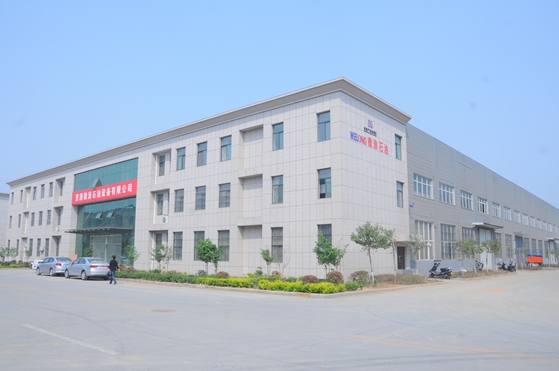
CHINA WELONG - 20+ years manufactuer in oilfield tools