When drilling operations run into problems with well control, your kill manifold is the most important safety barrier between a possible disaster and operations that are under control. Problems that happen a lot include broken valves, inaccurate pressure gauges, clogged lines, and connection breaks that can put your whole well control system at risk. Most of the time, these problems are caused by poor maintenance, harsh working conditions, or parts wearing out in the harsh downhole environments. In demanding oil and gas applications, knowing the right way to troubleshoot helps workers keep operations safe while reducing costly downtime.
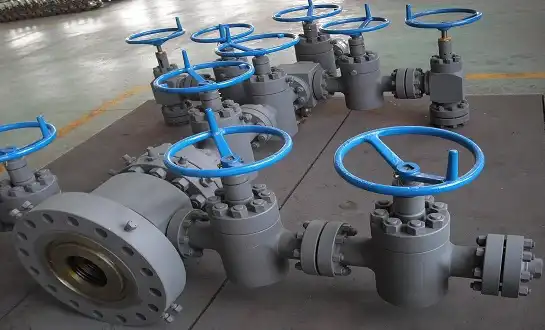
Learning About the Parts of a Kill Manifold and What They Do
A kill manifold system that works right needs a lot of different parts that all work together. Check valves keep backflow from happening while pumps are working, and gate valves reliably stop flow when pressures are very high. Line pipes move heavy drilling fluids quickly and efficiently, and pressure gauges give exact readings that help people make smart decisions.
The manifold system has to work within strict guidelines and can handle working pressures between 2000PSI and 20000PSI across a range of standard bore sizes. These systems can handle temperatures from -46°C to 121°C and can hold oil, natural gas, and digging mud. Material classifications EE and FF make sure that the product will last in corrosive environments, and API SPEC 16C compliance makes sure that the product will work up to industry standards.
Modern engineering for manifolds includes extra safety features that keep things from going wrong in a very bad way. There are emergency blow-down lines that link directly to the system and let the pressure drop quickly if needed. The ability to inject water and fire suppressants adds to your safety in dangerous scenarios.
Problems and Solutions Related to Pressure
- When it comes to kill manifold activities, pressure anomalies are the biggest problem. Sudden pressure jumps usually mean that formation fluid is coming in, while slow pressure rises could mean that there are problems with circulation or with the equipment. To keep the pressure balance in the bottom hole, accurate pressure tracking is needed.
- When wellhead pressure rises out of the blue, workers need to quickly figure out if the problem is caused by changes in the formation or by problems with the equipment. Bad pressure gauges can give you wrong information, which could cause you to act in the wrong way. These dangerous situations can be avoided by using regular calibration plans.
- To fix problems with pressure, you have to carefully look at each part. First, compare several pressure readings taken at different gauge sites. Readings that don't match up usually mean that the gauge is broken, not that the pressure is changing. To keep operations safe, replace any readings that look fishy right away.
- When doing steps for relieving pressure, it's important to pay close attention to how the manifold flows. Knowing how much flow your system can handle helps you figure out when to respond. When pressure changes quickly, you need to move right away. When pressure changes slowly, you can take your time.
Valve Problems: How to Find and Fix Them
When valves fail in kill manifold systems, they pose serious practical risks. Gate valves can have problems with their seats, stems, or actuators that make them not work right. Check valves can get stuck open or closed, which can put the system at risk in important situations.
- Visual inspection and operational tests are often the first steps in figuring out what's wrong with a valve. Check for leaks around the packing glands, strange noises during operation, or resistance when you try to open and close valves by hand. These signs usually mean that there is damage inside that needs to be fixed right away.
- When checking a check valve, you need to pay close attention to the flow direction and the difference in pressure. If a check valve is working right, it should let flow go in one direction but stop it from going the other way. Partially closing an area makes it more dangerous, which can make it harder to control the well.
- Most problems with valves can be avoided by keeping them in good shape. Set up lubrication schedules based on how the machine is used and what the maker suggests. In harsh environments, service times may need to be longer to keep things running reliably.
Line and Connection Integrity Problems
Line integrity issues often develop gradually but can create sudden failures during high-pressure operations.
- Erosion from abrasive drilling fluids, corrosion from harsh chemicals, and fatigue from pressure cycling all contribute to line degradation.
- Connection problems frequently occur at threaded joints and flanged connections. Improper torque specifications, damaged thread profiles, or worn gaskets can create leak paths that compromise system performance. These issues become particularly dangerous under high-pressure conditions.
- Visual inspection techniques help identify potential line problems before they become critical. Look for surface corrosion, unusual wear patterns, or deformation that might indicate internal damage. Pay special attention to areas where lines connect to other components.
- Preventive maintenance includes regular pressure testing of all line segments. Hydrostatic testing reveals weaknesses that might not be visible during routine operations. Document test results to track degradation patterns over time.
Emergency Response Procedures
Emergency situations require immediate, decisive action based on predetermined procedures. When kill manifold problems occur during active drilling operations, crew safety takes absolute priority over equipment protection or operational continuity.
- Well kick scenarios demand rapid kill manifold deployment to pump heavy drilling fluid into the well. System readiness becomes critical during these moments, as equipment failures can lead to dangerous blowout conditions. Regular drills help crews respond effectively under pressure.
- Emergency shutdown procedures must account for manifold system limitations. Understanding your equipment's response time helps determine appropriate action sequences. Some situations may require immediate well shut-in, while others allow for more controlled responses.
- Communication protocols during emergencies ensure all personnel understand current conditions and planned responses. Clear command structures prevent confusion that could lead to improper manifold operation during critical moments.
Preventive Maintenance Best Practices
Systematic maintenance plans make it much less likely that kill manifolds will fail without warning. All parts should be inspected regularly, but places that get a lot of use should be checked more often. Write down everything you find so you can keep track of how equipment breaks down.
When to replace parts depends on how they are used and what the maker suggests. In harsh settings, things need to be replaced more often, while in mild ones, service intervals may be longer. Costs should be weighed against the need for working safety.
Training programs make sure that employees know how to properly operate and maintain manifolds. Crews that have been trained well can spot possible problems early on, stopping small problems from turning into big ones. Regular training to brush up on skills keeps them up to date.
Managing the stockpile of spare parts makes sure that important parts are always available when they are needed. Keep things like valve seats, gaskets, and pressure gauge parts that wear out quickly on hand. Plan your inventory levels with lead times for specialty things in mind.
Quality Control and Equipment Selection
The dependability and safety of kill manifold operations are directly affected by the quality of the equipment. Standards for manufacturing, details about the materials used, and quality control methods all have an effect on how well something works in the long run. Choosing recognized manufacturers is one way to make sure that the quality stays the same.
API SPEC 16C compliance is a basic level of quality assurance, but for some uses, higher standards may be needed. Understanding the important specs helps you choose the right tools. Quality certifications show that a manufacturer is committed to meeting standards in the business.
When working in difficult conditions, choosing the right materials becomes very important. When conditions are corrosive, special metals are needed, and when temperatures are very high, materials need to have the right thermal properties. Lifecycle costs should be taken into account when choosing a material.
Procedures for testing and inspecting make sure that equipment meets requirements before it is used. Independent checks of quality standards are done by third-party testing services. Comprehensive testing finds problems before they affect how things work.
Last Words
To fix problems with a kill manifold properly, you need to use a methodical technique that combines technical knowledge with real-world experience. Understanding how parts work, recognizing common failure modes, and putting in place preventative maintenance plans all make operations much more reliable. Being ready for an emergency reaction keeps the crew safe in dangerous situations, and choosing the right equipment gives them long-term performance benefits. Crews can handle a wide range of problems more effectively when they are trained regularly and follow the right methods. This helps keep well control safe during drilling operations. To be successful, you need to find a balance between short-term operational needs and long-term equipment reliability. You can do this by using thorough maintenance plans and choosing high-quality parts.
Partner with WELONG for Reliable Kill Manifold Solutions
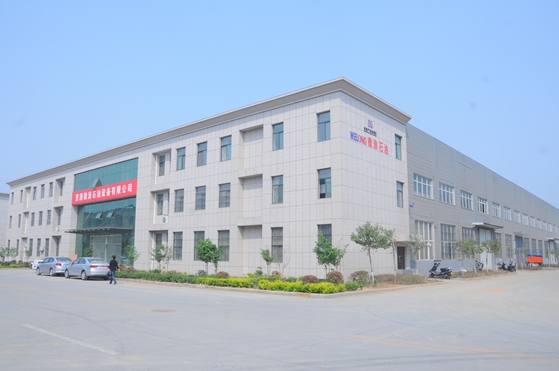
WELONG delivers exceptional kill manifold systems designed for demanding oilfield applications through over two decades of manufacturing excellence. Our comprehensive quality control processes ensure every component meets rigorous industry standards, while our experienced production teams maintain consistent delivery schedules that keep your operations running smoothly.
As a certified kill manifold supplier, we provide complete manifold solutions featuring API SPEC 16C compliance and ISO 9001:2015 quality management certification. Our manufacturing capabilities span working pressures from 2000PSI to 20000PSI with nominal bore sizes ranging from 2.1/16" to 4.1/16", accommodating diverse operational requirements.
Our flexible shipping options include sea, air, and railway transport with various terms including FOB, CIF, DDP, and DDU arrangements. Third-party inspection services through SGS and DNV provide additional quality assurance for critical applications. Contact us at [email protected] to discuss your specific kill manifold requirements and discover how our expertise can enhance your operational reliability.
References
- American Petroleum Institute. "Specification for Drilling and Production Equipment - Choke and Kill Equipment." API Specification 16C, 2019 Edition.
- Johnson, Robert K., and Patricia M. Williams. "Well Control Fundamentals and Equipment Reliability in Modern Drilling Operations." Society of Petroleum Engineers Journal, Vol. 45, No. 3, 2018.
- Martinez, Carlos A. "Preventive Maintenance Strategies for Blowout Preventer and Kill Systems." International Association of Drilling Contractors Technical Report, 2020.
- Thompson, Sarah J., Michael R. Chen, and David L. Anderson. "Failure Analysis and Risk Assessment in Offshore Kill and Choke Manifold Systems." Journal of Petroleum Technology, Vol. 72, No. 8, 2019.
- Brown, James E. "Emergency Response Procedures for Well Control Equipment Failures." Oil and Gas Safety Institute Guidelines, 4th Edition, 2021.
- Wilson, Alexandra M., and Robert P. Kumar. "Materials Selection and Corrosion Management in High-Pressure Well Control Equipment." Corrosion Engineering and Materials Science Quarterly, Vol. 28, No. 2, 2020.