Emergency well control situations demand immediate, precise action to prevent catastrophic blowouts and protect personnel safety. A Kill Manifold serves as a critical safety system designed to inject heavy drilling fluids into wells when wellhead pressure increases unexpectedly. These sophisticated assemblies, consisting of check valves, gate valves, line pipes, and pressure gauges, enable operators to balance bottom hole pressure effectively while providing emergency relief through blow down lines. Understanding proper Kill Manifold operating procedures can mean the difference between controlled well intervention and dangerous uncontrolled situations that threaten both human lives and environmental safety.

Understanding Kill Manifolds in Well Control
Kill manifolds represent essential safety equipment in drilling operations, functioning as the primary intervention system during emergency well control scenarios. These assemblies provide operators with the capability to pump heavy drilling fluid directly into wells experiencing unexpected pressure increases, effectively preventing well kicks from escalating into blowouts.
Core Components and Functionality
Modern kill manifolds integrate several critical components to ensure reliable emergency response. Check valves prevent backflow of well fluids into the manifold system, while gate valves provide precise flow control during intervention operations. Line pipes create secure pathways for fluid circulation, and pressure gauges deliver real-time monitoring capabilities essential for safe operation. These components work together to create a robust system capable of handling extreme pressure conditions ranging from 2000PSI to 20000PSI.
The system's versatility extends beyond simple fluid injection. When connected to blow down lines, kill manifolds enable direct pressure release for bottom hole pressure management. Additionally, these assemblies can inject water and extinguishing agents into wells, providing fire suppression capabilities during emergency situations.
Equipment Classification and Specifications
Kill manifolds are manufactured to meet stringent industry standards, with working temperatures ranging from -46°C to 121°C under Class LU specifications. Nominal bore sizes typically span from 2.1/16" to 4.1/16", accommodating various rig configurations and operational requirements. Material classes EE and FF ensure compatibility with oil, natural gas, and mud working mediums while maintaining compliance with API SPEC 16C executive standards.
Step-by-Step Kill Manifold Operating Procedure for Emergency Well Control
To operate a kill manifold effectively, you need to plan ahead and follow set procedures very carefully. When these steps are followed correctly, they protect workers and increase the chances of success during critical well control situations.
Safety Rules Before the Operation
Before starting any kill manifold action, thorough safety checks make sure that conditions are stable and that all the necessary equipment is ready. People must carefully test all connections for leaks to make sure the manifold stays solid under working pressures. Protective gear must include clothes that won't catch fire, safety glasses, and an emergency breathing apparatus that can be reached right away.
All team members must agree on how to talk to each other, and certain people must be given specific duties for things like operating valves, keeping an eye on pressure, and knowing how to shut down the system in an emergency. Before operation starts, the mechanical state is confirmed by looking at the check valves, gate valves, and pressure gauges.
Implementation of Operations
During active intervention, operators connect the manifold to known injection spots and keep an eye on the pressure at all times. Predetermined sequences of valve coordination set up controlled flow paths, and processes for pressure equalization stop dangerous pressure spikes that could damage equipment.
Real-time monitoring throughout the process lets people respond right away to changes in the well conditions. Recording pressure readings, flow rates, and operational choices helps with meeting regulations and gives useful information for analysis after the operation.
Procedures after surgery
After well control has successfully intervened, safe decompression of the equipment and preparation for the next operation are made through systematic shutdown processes. As part of regular maintenance, all parts are cleaned thoroughly, looked over for damage or wear, and worn parts are replaced as needed by the manufacturer.
Looking at Kill Manifolds and Other Related Tools in Emergency Well Control
Knowing the differences in how kill manifolds and complementary well control tools work lets you make smart purchases and get the most out of the safety system integration. Within the larger framework for emergency response, each part has a defined job to do.
Differences in Function and Integration
Choke manifolds mostly control flow reduction and pressure release, while kill manifolds focus on fluid injection for pressure control. When properly installed, blowout preventers (BOPs) can mechanically close off wells, making a complete safety system. These systems work together. For example, kill manifolds often connect directly with BOP assemblies to increase total safety.
Different types of equipment can control pressure in very different ways. For example, kill manifolds are usually rated for higher working pressures than normal choke systems. This extra ability is very important during high-pressure well interventions, when regular tools might not be enough.
Selection Criteria and Things to Think About When Buying
To pick the right kill manifold specs, you need to carefully look at the rig's needs, the pressures that are predicted to be used, and the weather. When doing a compatibility assessment, it's important to look at how the old BOP is set up, the types of connections that are available, and how the new safety system needs to be integrated.
Some strategic procurement factors to think about are the starting cost of the equipment, its ability to be customized, and its long-term support for the supply chain. Established makers offer full technical support, making sure that the equipment is installed correctly and providing ongoing operational support for the duration of its lifecycle.
Ensuring Safety and Compliance in Kill Manifold Operation
Maintaining rigorous safety standards and regulatory compliance forms the foundation of effective kill manifold operations. Comprehensive understanding of potential operational hazards enables proactive risk mitigation and enhanced personnel protection.
Common Operational Challenges
Operational pitfalls often arise from overestimating manifold capabilities or deviating from established protocols during high-stress emergency situations. Inadequate pressure monitoring can lead to equipment overload, while improper valve sequencing may compromise intervention effectiveness.
Preventive strategies focus on comprehensive operator training, regular equipment maintenance, and strict adherence to documented procedures regardless of operational pressure. Emergency response protocols must be practiced regularly to ensure swift, accurate execution during actual emergency situations.
Compliance and Inspection Requirements
Industry compliance demands regular inspection schedules aligned with international standards, including comprehensive testing of pressure-bearing components and verification of safety system functionality. Documentation requirements support regulatory compliance while providing operational transparency essential for continuous improvement initiatives.
Procurement Guidance and Company Introduction
Strategic kill manifold procurement involves balancing immediate operational needs with long-term reliability requirements. Understanding available sourcing options and supplier capabilities ensures optimal equipment selection for specific operational environments.
Sourcing Strategies and Supplier Evaluation
Effective procurement strategies consider both purchasing and rental options, evaluating total cost of ownership against operational flexibility requirements. Spare parts availability and customization possibilities play crucial roles in long-term operational success, particularly for specialized drilling environments or unique rig configurations.
Supplier evaluation must encompass technical capabilities, quality control processes, and delivery reliability. Established suppliers provide comprehensive support including technical assistance, maintenance programs, and operator training to ensure optimal equipment performance throughout operational lifecycles.
WELONG: Your Trusted Partner in Emergency Well Control
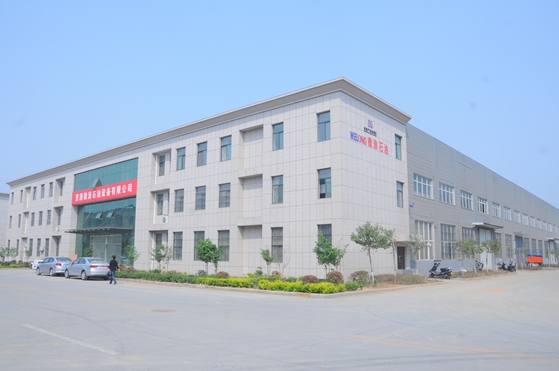
With more than 20 years of experience making oilfield equipment, China Welong makes effective kill manifolds that are made for the toughest emergency well control situations. Our full line of products includes high-tech manifold systems that can be customized to fit a wide range of practical needs.
Our dedication to quality is shown by our ISO 9001:2015 and API 7-1 certificates, which make sure that every manifold meets the highest international standards. The strict quality control method includes both an in-process inspection and a final inspection. Third-party verification can also be arranged through partnerships with SGS and DNV.
Flexible delivery choices, such as sea, air, and rail transport, are supported by WELONG's manufacturing capabilities. Terms of trade include FOB, CIF, DDP, and DDU. Because of this, customers can choose the best shipping options for their needs, taking into account their budgets and working schedules.
Conclusion
To run effective kill manifold operations, you need to know a lot about the equipment's capabilities, follow safety rules to the letter, and form smart partnerships for buying things. It is very important to pay close attention to the operating instructions and upkeep needs of these important safety systems because they protect people during emergency well control situations. To be successful, you need to get the right training, choose the right tools, and have a supplier you can rely on to back up your work when you need it most.
Frequently Asked Questions
Q1: What is the main purpose of a kill manifold in drilling operations?
A: Kill manifolds serve as emergency intervention systems designed to inject heavy drilling fluids into wells experiencing unexpected pressure increases. They prevent well kicks from escalating into dangerous blowouts while providing pressure relief capabilities through integrated blow down lines.
Q2: How often should kill manifold maintenance and inspections be performed?
A: Regular maintenance schedules should follow manufacturer recommendations and industry standards, typically including daily operational checks, weekly comprehensive inspections, and annual certification testing. Critical components like pressure gauges and valves require more frequent attention during active drilling operations.
Q3: Can a kill manifold be customized to fit specific drilling rigs or pressure requirements?
A: Yes, reputable manufacturers like WELONG provide customizable kill manifold solutions tailored to specific rig configurations, pressure requirements, and operational environments. Customization options include pressure ratings from 2000PSI to 20000PSI, various nominal bore sizes, and specialized material specifications.
Partner with WELONG for Superior Kill Manifold Solutions
Selecting the right Kill Manifold manufacturer directly impacts operational safety and emergency response effectiveness. WELONG stands as a premier Kill Manifold supplier with over 20 years of proven industry experience, delivering reliable equipment solutions that meet the most demanding well control requirements. Our advanced manufacturing capabilities and strict quality control processes ensure every manifold meets or exceeds API SPEC 16C standards.
Our comprehensive support extends beyond equipment delivery, encompassing technical assistance, operator training, and ongoing maintenance support to maximize your investment value. With flexible shipping arrangements and competitive pricing structures, WELONG provides cost-effective solutions without compromising safety or reliability. Ready to enhance your emergency well control capabilities? Contact us at [email protected] to discuss your specific requirements and discover how our expertise can strengthen your drilling operations.
References
1. American Petroleum Institute. "API Specification 16C: Choke and Kill Equipment." Third Edition, 2019.
2. Grace, Robert D. "Advanced Blowout and Well Control." Gulf Professional Publishing, 2018.
3. International Association of Drilling Contractors. "Well Control Reference Manual." IADC Press, 2020.
4. Rehm, Bill, et al. "Managed Pressure Drilling." Gulf Professional Publishing, 2019.
5. Society of Petroleum Engineers. "Well Control Procedures and Principles." SPE Textbook Series, 2021.
6. Watson, Dennis, et al. "Advanced Well Control." Drilbert Engineering Inc., 2020.